

If you’ve been told that calcium supplements might help your premenstrual dysphoric disorder symptoms, you’re probably wondering whether the science actually backs this up. The answer might surprise you. Research suggests that calcium supplementation can significantly reduce several PMDD symptoms, but understanding how it works and who benefits most requires looking at the actual studies.
This evidence-based guide examines what medical research reveals about calcium supplements for PMDD. You’ll learn which symptoms respond best, proper dosing strategies, and how calcium fits into a comprehensive treatment approach.
Quick Answer
Research shows that taking 1,000-1,200 mg of calcium daily throughout your entire menstrual cycle can reduce PMDD symptoms by up to 48%. The most significant improvements occur in mood swings, irritability, anxiety, and physical symptoms like bloating and fatigue.
Key Takeaways
- Calcium supplementation reduced overall PMDD symptoms by 48% in landmark clinical trials
- Benefits appear after approximately three menstrual cycles of consistent use
- Daily dosing throughout the entire cycle works better than luteal phase-only supplementation
- Calcium carbonate and calcium citrate both show effectiveness for PMDD symptoms
- Many women with PMDD have lower calcium levels during the luteal phase
- Calcium affects serotonin regulation and nervous system function related to mood
Table of Contents
- Why Calcium Became One of the Most Studied Supplements for PMDD
- The Landmark Study That Changed How We Think About Calcium and PMDD
- How Calcium May Affect PMDD Symptoms: The Biological Mechanism
- Which PMDD Symptoms Calcium Targets Most Effectively
- The Right Form of Calcium: Carbonate vs Citrate for PMDD
- How Much Calcium Should You Take for PMDD?
- When in Your Cycle Should You Take Calcium?
- Calcium vs Magnesium for PMDD
- Calcium vs Vitamin D for PMDD
- Can You Get Enough Calcium From Food Alone?
- What to Expect During the First Three Cycles
- Possible Side Effects and Safety Considerations
- How Calcium Fits Into a Broader PMDD Treatment Plan
- What Researchers Still Don’t Know
- Frequently Asked Questions About Calcium for PMDD
- Final Thoughts
Why Calcium Became One of the Most Studied Supplements for PMDD
Researchers first became interested in calcium for premenstrual syndrome in the 1980s. They noticed that women with PMS and PMDD often reported craving calcium-rich foods during their luteal phase. This observation led scientists to investigate whether calcium deficiency played a role in premenstrual symptoms.
Early studies revealed something fascinating. Women with premenstrual dysphoric disorder showed lower calcium levels during the second half of their menstrual cycle compared to women without symptoms. This pattern suggested a potential connection between calcium regulation and mood-related symptoms.
The nervous system relies heavily on calcium for proper function. Calcium helps regulate neurotransmitter release, including serotonin, which plays a crucial role in mood regulation. This biological connection gave researchers a plausible mechanism to explore.

The Landmark Study That Changed How We Think About Calcium and PMDD
In 1998, researchers published a groundbreaking study in the American Journal of Obstetrics and Gynecology. This randomized, double-blind, placebo-controlled trial examined 497 women with premenstrual syndrome over three menstrual cycles.
The study participants received either 1,200 mg of calcium carbonate daily or a placebo. By the third cycle, women taking calcium showed a 48% reduction in total symptom scores compared to a 30% reduction in the placebo group.
This study stood out because of its rigorous methodology and significant results. The research team used validated symptom rating scales and followed women through multiple cycles to ensure consistency. The findings suggested that calcium supplementation could offer meaningful relief for many women with premenstrual symptoms.
Another study examined calcium specifically in women with confirmed premenstrual dysphoric disorder. The results showed improvements in mood swings, irritability, anxiety, and depression. Physical symptoms like bloating and fatigue also decreased with calcium supplementation.
How Calcium May Affect PMDD Symptoms: The Biological Mechanism
Understanding how calcium influences PMDD symptoms requires looking at several interconnected systems in your body. Calcium doesn’t work in isolation but interacts with hormones, neurotransmitters, and cellular processes throughout your menstrual cycle.
During the luteal phase, estrogen and progesterone levels fluctuate significantly. These hormonal changes affect how your body processes calcium. Research shows that calcium absorption and metabolism vary across the menstrual cycle, with some women experiencing relative calcium deficiency during the premenstrual period.
Calcium plays a vital role in serotonin production and regulation. Low serotonin levels are strongly associated with mood disturbances, anxiety, and depression—core symptoms of PMDD. By supporting proper calcium levels, you may help stabilize serotonin function during vulnerable times in your cycle.

The nervous system depends on calcium for signal transmission between nerve cells. When calcium levels drop, nerve cells may become more excitable, potentially contributing to irritability, anxiety, and mood swings characteristic of PMDD.
Calcium also influences muscle contraction and relaxation. This mechanism may explain why calcium supplementation helps reduce physical symptoms like cramping and muscle tension that many women experience with premenstrual dysphoric disorder.
Which PMDD Symptoms Calcium Targets Most Effectively
Not all PMDD symptoms respond equally to calcium supplementation. Research identifies specific symptom clusters that show the most significant improvement with calcium intake.
| Symptom Category | Specific Symptoms | Improvement Rate | Timeline |
| Mood Symptoms | Mood swings, irritability, sadness | Moderate to High | 2-3 cycles |
| Anxiety | Tension, nervousness, feeling on edge | Moderate | 2-3 cycles |
| Physical Symptoms | Bloating, breast tenderness, fatigue | Moderate to High | 1-2 cycles |
| Food Cravings | Increased appetite, specific cravings | Moderate | 2-3 cycles |
| Sleep Disturbances | Insomnia, hypersomnia | Low to Moderate | 3+ cycles |
| Concentration | Brain fog, difficulty focusing | Low to Moderate | 3+ cycles |
Women report the most dramatic improvements in mood-related symptoms. Irritability often decreases noticeably, with many women describing feeling less reactive to minor stressors during the luteal phase. Mood swings tend to become less extreme, creating more emotional stability.
Physical symptoms also respond well to calcium. Bloating and water retention frequently improve, which many women find particularly distressing. Fatigue levels may decrease, though this effect varies considerably between individuals.
Anxiety symptoms show moderate improvement. While calcium may not eliminate anxiety completely, many women experience reduced tension and nervousness during vulnerable days of their cycle.
Not Sure If Calcium Is Right for Your Specific PMDD Symptoms?
Every woman’s PMDD experience is unique. A personalized assessment can help determine whether calcium supplementation fits your individual symptom pattern and overall treatment strategy.
The Right Form of Calcium: Carbonate vs Citrate for PMDD
When choosing a calcium supplement for PMDD, you’ll encounter two primary forms: calcium carbonate and calcium citrate. Both have been studied for premenstrual symptoms, and each offers distinct advantages.
Calcium carbonate contains the highest concentration of elemental calcium—about 40%. This means you get more calcium per pill, which can mean taking fewer tablets daily. The landmark PMDD studies primarily used calcium carbonate, so we have the most research supporting this form.
However, calcium carbonate requires stomach acid for optimal absorption. You should take it with meals to maximize how much your body actually uses. If you have low stomach acid or take acid-reducing medications, absorption may be compromised.
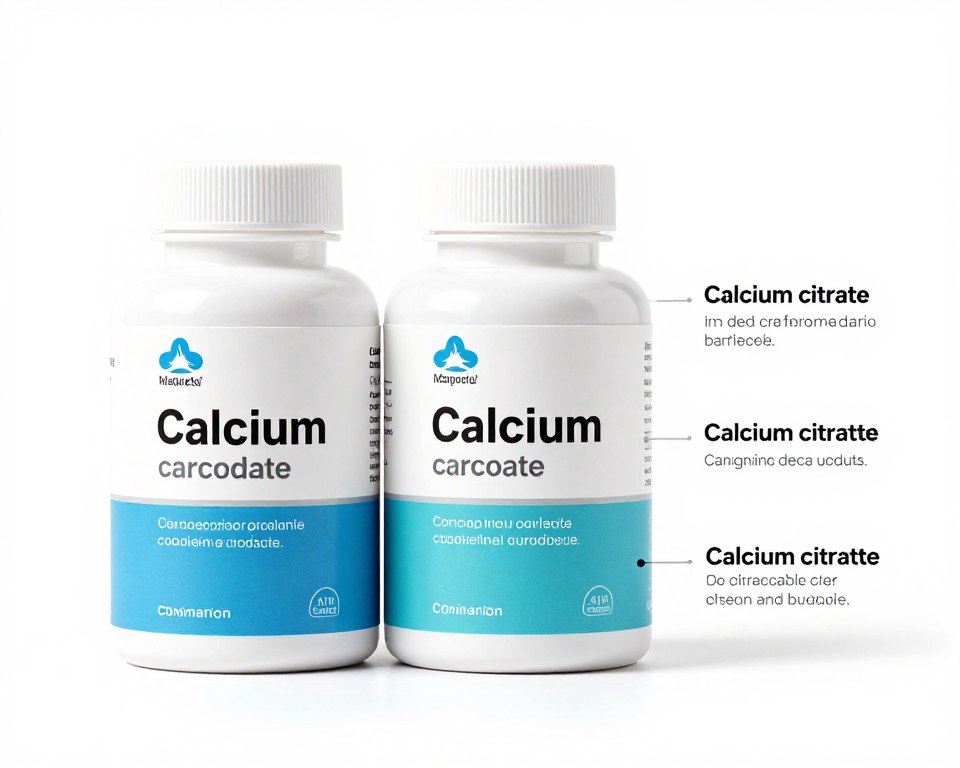
Calcium citrate contains about 21% elemental calcium, meaning you need more pills to reach the same dose. But citrate doesn’t require stomach acid for absorption. You can take it on an empty stomach, and it may work better for women with digestive issues or those over 50.
| Feature | Calcium Carbonate | Calcium Citrate |
| Elemental Calcium Content | 40% | 21% |
| Pills Needed for 1000mg | Fewer (typically 2-3) | More (typically 4-5) |
| Absorption Requirements | Needs stomach acid | No acid needed |
| Best Taken | With meals | Anytime |
| Cost | Generally lower | Generally higher |
| Research for PMDD | Most studies used this form | Limited specific research |
For most women with PMDD, calcium carbonate represents a practical choice. It’s affordable, well-researched for premenstrual symptoms, and effective when taken with meals. If you experience digestive discomfort or have absorption issues, calcium citrate may be worth the extra cost.
How Much Calcium Should You Take for PMDD?
The research-supported dose for PMDD is 1,000 to 1,200 mg of elemental calcium daily. This amount showed the most significant symptom reduction in clinical trials. Most studies used 1,200 mg, which became the commonly recommended dose.
You should divide this dose throughout the day rather than taking it all at once. Your body absorbs calcium best in amounts of 500 mg or less at a time. Taking 600 mg in the morning and 600 mg in the evening works well for many women.
Consider your dietary calcium intake when determining supplement needs. If you regularly consume dairy products, leafy greens, or fortified foods, you may already get 300-600 mg from food sources. In this case, a supplement providing 600-900 mg might be sufficient.
Important Dosage Considerations
Total calcium intake (food plus supplements) should not exceed 2,500 mg daily for women under 50, or 2,000 mg for women over 50. Excessive calcium intake may increase risks of kidney stones and cardiovascular issues.
The recommended dietary allowance for calcium in adult women is 1,000 mg daily (1,200 mg for women over 50). The therapeutic dose for PMDD aligns with these general health recommendations, meaning you’re supporting bone health while addressing mood symptoms.
Some practitioners recommend starting with a lower dose and gradually increasing. This approach helps your digestive system adjust and minimizes potential side effects like constipation or gas.
When in Your Cycle Should You Take Calcium?
Research shows that daily supplementation throughout your entire menstrual cycle works better than taking calcium only during the luteal phase. The landmark study that demonstrated calcium’s effectiveness used continuous daily dosing, not intermittent use.
This finding surprised some researchers who initially hypothesized that luteal phase supplementation might be sufficient. However, maintaining steady calcium levels throughout your cycle appears important for maximum benefit.
Your body doesn’t store calcium in a readily accessible form for immediate use. Calcium continuously moves in and out of bones and circulates in your blood. Consistent daily intake helps maintain stable levels that support nervous system function throughout all cycle phases.
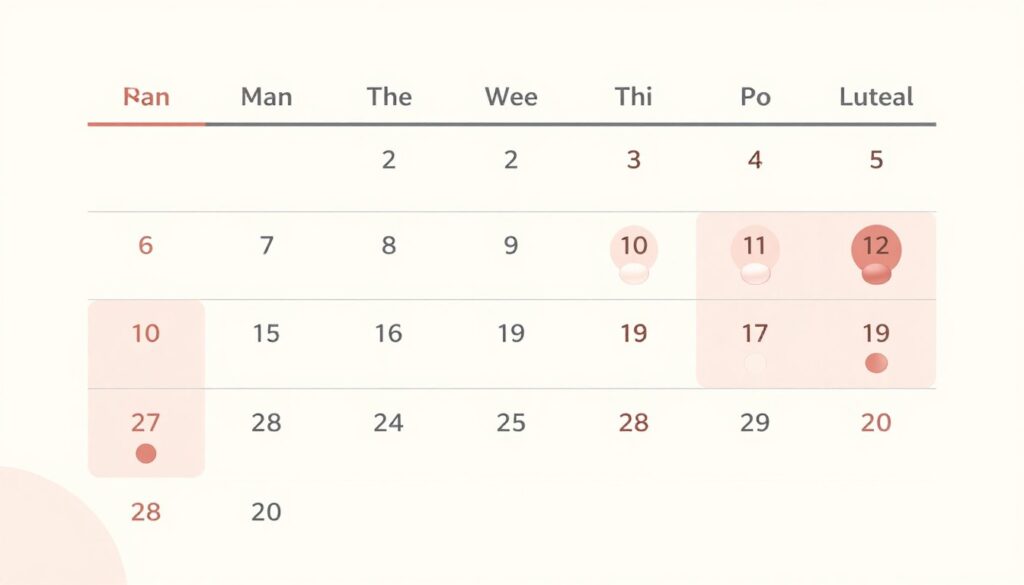
Some women report better results when they start supplementation during the follicular phase (days 1-14) rather than beginning during the luteal phase. This pattern may reflect the time needed for calcium to build up to therapeutic levels in your system.
Consistency matters more than perfect timing. Taking your calcium supplement at the same times each day—such as with breakfast and dinner—helps establish a routine and ensures you don’t miss doses.
Calcium vs Magnesium for PMDD
Both calcium and magnesium have research support for reducing premenstrual symptoms, but they work through different mechanisms. Understanding how they compare helps you make informed decisions about supplementation.
Magnesium supports nervous system regulation and muscle relaxation. Studies show that magnesium supplementation can reduce anxiety, irritability, and physical symptoms in women with PMS and PMDD. The typical studied dose ranges from 200-400 mg daily.
Calcium has more robust research specifically for PMDD, with larger trials and more consistent results. Magnesium research tends to focus on premenstrual syndrome rather than the more severe premenstrual dysphoric disorder diagnosis.
| Factor | Calcium | Magnesium |
| Primary Benefits | Mood swings, irritability, bloating | Anxiety, cramps, sleep quality |
| Research Quality | Large controlled trials | Smaller studies, mixed results |
| Studied Dose | 1,000-1,200 mg daily | 200-400 mg daily |
| Common Side Effects | Constipation, gas | Diarrhea, nausea |
| Best For | Overall symptom reduction | Physical symptoms, anxiety |
Many women benefit from taking both calcium and magnesium together. These minerals work synergistically, and magnesium actually helps your body absorb and utilize calcium more effectively. A ratio of 2:1 (calcium to magnesium) is commonly recommended.
If you experience significant physical symptoms like cramping and muscle tension, magnesium might offer additional benefits beyond calcium alone. For primarily mood-related symptoms, calcium shows stronger evidence.
Some combination supplements provide both minerals in appropriate ratios. This approach simplifies your supplement routine while potentially offering broader symptom relief.
Calcium vs Vitamin D for PMDD
Vitamin D and calcium have an interdependent relationship in your body. You need adequate vitamin D to properly absorb calcium from your digestive tract. This connection matters significantly for women with PMDD.
Research indicates that vitamin D deficiency is more common in women with premenstrual dysphoric disorder compared to women without symptoms. Low vitamin D levels may contribute to mood disturbances, fatigue, and other PMDD symptoms.
A study published in the Archives of Internal Medicine found that combined calcium and vitamin D supplementation produced better results for premenstrual syndrome than calcium alone. Women taking both supplements showed greater reductions in mood symptoms and physical discomfort.

The typical studied dose for vitamin D in PMDD research ranges from 400 to 1,000 IU daily. However, many healthcare providers now recommend higher doses (1,000-2,000 IU) based on updated understanding of vitamin D needs.
Your vitamin D status depends on multiple factors including sun exposure, skin tone, geographic location, and age. Women living in northern latitudes or those with limited sun exposure often require higher supplemental doses to maintain optimal levels.
Testing your vitamin D levels through bloodwork can help determine appropriate supplementation. Many women with PMDD discover they have significant vitamin D deficiency that may be contributing to symptom severity.
Calcium and Vitamin D Synergy
Taking calcium with vitamin D makes physiological sense. The vitamin helps your body absorb calcium efficiently while potentially offering its own mood-supporting benefits. Many calcium supplements now include vitamin D for this reason.
Can You Get Enough Calcium From Food Alone?
Obtaining 1,000-1,200 mg of calcium daily from food sources is possible but requires deliberate dietary planning. Many women fall short of this target, particularly those who avoid dairy products.
Dairy products provide the most concentrated calcium sources. One cup of milk contains about 300 mg, while a cup of yogurt provides 300-400 mg. Hard cheeses offer 200-300 mg per ounce. Three servings of dairy daily can meet most of your calcium needs.
For women who don’t consume dairy, plant-based calcium sources include fortified plant milks, tofu made with calcium sulfate, leafy greens like kale and collard greens, and canned fish with bones like sardines.
| Food Source | Serving Size | Calcium Content |
| Plain yogurt | 1 cup | 400 mg |
| Milk (any type) | 1 cup | 300 mg |
| Cheddar cheese | 1 ounce | 200 mg |
| Fortified orange juice | 1 cup | 300 mg |
| Sardines with bones | 3 ounces | 325 mg |
| Tofu (calcium-set) | 1/2 cup | 250 mg |
| Cooked collard greens | 1 cup | 250 mg |
| Fortified cereal | 1 cup | 100-1000 mg (varies) |
While food sources provide calcium along with other beneficial nutrients, achieving the therapeutic doses studied for PMDD through diet alone can be challenging. Many women find that combining dietary calcium with moderate supplementation offers a practical approach.
Food-based calcium comes with additional nutritional benefits like protein, vitamin B12, and probiotics from dairy products. These nutrients may support overall health and potentially contribute to PMDD symptom management.
Tracking your calcium intake for a few days can reveal whether you’re meeting your needs through food. If you consistently fall short of 600-800 mg from dietary sources, supplementation makes more sense.
What to Expect During the First Three Cycles
Understanding the typical timeline for calcium’s effects helps set realistic expectations. Most women don’t experience dramatic changes immediately, and patience during the initial months is important.
During your first cycle of calcium supplementation, you might notice minimal changes. Some women report slight improvements in physical symptoms like bloating, but mood symptoms typically remain unchanged initially.
The second menstrual cycle often brings more noticeable changes. Women frequently describe feeling slightly less irritable or experiencing milder mood swings. Physical symptoms may continue improving gradually.

By the third cycle, most women who will benefit from calcium notice clear symptom reduction. The research shows that maximum benefits typically emerge around the third month of consistent supplementation. This delayed effect reflects the time needed for calcium to normalize in your system.
Not all women respond to calcium supplementation. Studies show that approximately 60-70% of women experience meaningful symptom improvement. Individual variation in calcium metabolism, baseline deficiency status, and PMDD severity all influence response.
Tracking your symptoms throughout these initial cycles helps you assess whether calcium is helping. Use a standardized symptom diary or app to monitor changes objectively. Look for trends rather than focusing on single cycles.
Tracking Tips
Rate your symptoms daily on a scale of 0-10. Focus on the luteal phase (approximately days 14-28). Compare average symptom scores across cycles to identify gradual improvements that might not be obvious day-to-day.
Possible Side Effects and Safety Considerations
Calcium supplementation is generally safe for most women, but understanding potential side effects and interactions helps you use it appropriately.
The most common side effects involve digestive discomfort. Constipation affects some women, particularly with calcium carbonate. Gas, bloating, and stomach upset can occur, especially when starting supplementation or taking large doses at once.
Dividing your dose throughout the day and taking calcium with meals typically minimizes digestive issues. If constipation becomes problematic, increasing fiber and water intake often helps. Switching to calcium citrate may also reduce this side effect.
Calcium can interfere with absorption of certain medications. If you take thyroid medication, iron supplements, or certain antibiotics, separate them from your calcium dose by at least two hours. Calcium can also reduce effectiveness of some osteoporosis medications.
Medical Conditions Requiring Caution
- Kidney stones (history of calcium-containing stones)
- Hypercalcemia (high blood calcium levels)
- Kidney disease or impaired kidney function
- Certain heart conditions
- Sarcoidosis or other granulomatous diseases
Women with these conditions should consult their healthcare provider before starting calcium supplementation.
Very high calcium intake over long periods may increase cardiovascular risks in some individuals. This concern relates primarily to total intake exceeding 2,000-2,500 mg daily. Staying within recommended ranges minimizes this potential risk.
Kidney stone risk is a consideration for susceptible women. If you’ve had calcium oxalate kidney stones, discuss supplementation with your healthcare provider. They may recommend specific types of calcium or additional precautions.
Symptoms of excessive calcium intake include nausea, vomiting, confusion, and increased thirst and urination. These effects are rare at recommended doses but warrant medical attention if they occur.
How Calcium Fits Into a Broader PMDD Treatment Plan
Calcium supplementation works best as part of a comprehensive approach to PMDD rather than as a standalone treatment. Understanding how it integrates with other interventions helps you develop an effective overall strategy.
For mild to moderate PMDD, calcium may provide sufficient relief when combined with lifestyle modifications. Regular exercise, stress management, adequate sleep, and dietary adjustments all support hormonal balance and mood regulation.
Women with moderate to severe premenstrual dysphoric disorder often benefit from combining calcium with other evidence-based treatments. Selective serotonin reuptake inhibitors (SSRIs) remain the gold-standard pharmaceutical treatment for PMDD and can be used alongside calcium supplementation.
Complementary PMDD therapies like acupuncture for PMDD may enhance overall symptom relief when used with calcium. Many women find that integrating multiple natural approaches provides better results than relying on a single intervention.
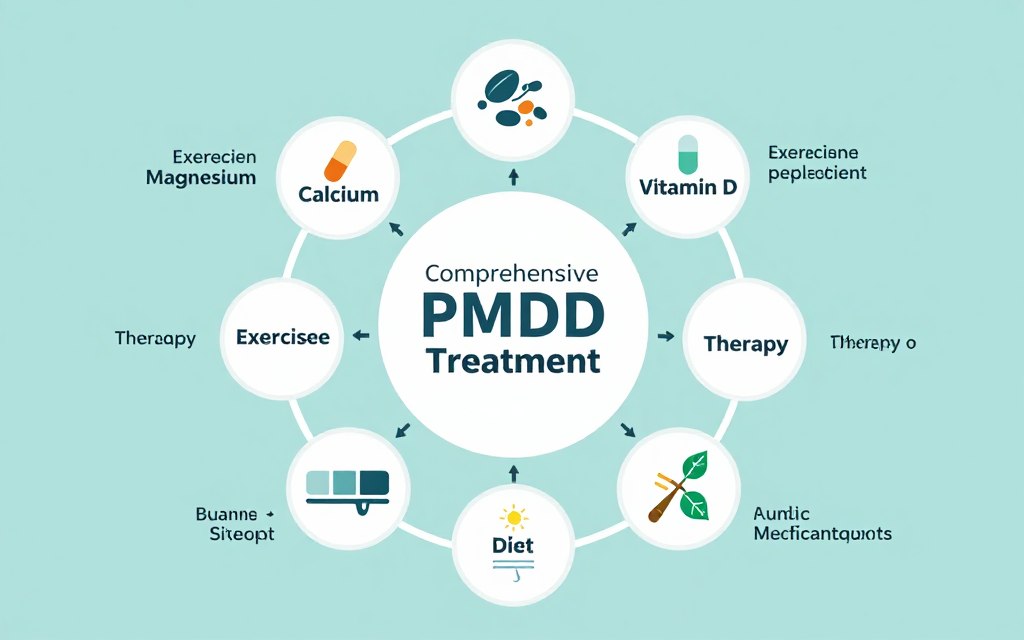
Cognitive behavioral therapy (CBT) addresses the psychological aspects of PMDD and complements the biological effects of calcium. Research supports CBT for reducing PMDD symptom severity and improving quality of life.
Other supplements showing research promise for PMDD include magnesium, vitamin B6, chasteberry, and omega-3 fatty acids. Discussing a comprehensive supplement plan with a knowledgeable healthcare provider helps avoid interactions and redundancy.
Hormonal treatments like oral contraceptives can be effective for some women with PMDD. These can be used simultaneously with calcium supplementation, though you should monitor total calcium intake from all sources.
What Researchers Still Don't Know
Despite solid evidence supporting calcium for PMDD, significant research gaps remain. Understanding these unknowns helps set appropriate expectations and identifies areas needing further study.
We don’t fully understand why some women respond dramatically to calcium while others show minimal improvement. Genetic variations in calcium metabolism, baseline deficiency levels, and individual differences in PMDD biology may all play roles.
The optimal calcium dose for PMDD hasn’t been definitively established through dose-response studies. While 1,200 mg shows effectiveness, we don’t know whether higher or lower doses might work equally well for different women.
Long-term calcium supplementation effects for PMDD remain understudied. Most research follows women for three to six months. Whether benefits persist, increase, or plateau over years of use isn’t clear.
The relationship between dietary calcium and supplemental calcium for PMDD needs more investigation. Studies haven’t adequately compared whole-food calcium sources against isolated supplements for symptom reduction.
We lack research on calcium supplementation in adolescents and perimenopausal women with PMDD. Most studies focus on women of reproductive age, leaving other groups underrepresented.
The interaction between calcium supplementation and hormonal contraceptives for PMDD hasn’t been thoroughly studied. Many women use birth control pills for PMDD, but we don’t know how calcium might enhance or interfere with these effects.
Frequently Asked Questions About Calcium for PMDD
How long does it take for calcium to work for PMDD?
Most women notice meaningful symptom improvement after three menstrual cycles of consistent calcium supplementation. Some experience subtle changes earlier, but the research shows maximum benefits typically emerge by the third month. Physical symptoms like bloating may improve slightly faster than mood symptoms.
Should I take calcium only during my luteal phase or all month?
Research supports daily supplementation throughout your entire menstrual cycle rather than luteal phase-only dosing. The landmark studies that demonstrated calcium’s effectiveness used continuous daily intake. This approach maintains stable calcium levels that support nervous system function during all cycle phases.
Can calcium help PMDD if I already eat dairy products?
Yes, calcium supplementation can still benefit women who consume dairy products. Many women don’t get the full 1,000-1,200 mg daily from food alone even with regular dairy intake. Additionally, some research suggests that women with PMDD may have altered calcium metabolism that creates relative deficiency despite adequate dietary intake.
What’s the difference between taking calcium for PMDD versus PMS?
The research dose and approach remain the same for both conditions. Premenstrual dysphoric disorder represents a more severe form of premenstrual syndrome with primarily mood symptoms. Calcium studies included women across the PMS-PMDD spectrum and showed benefits for both, though individual response varies based on symptom severity.
Will calcium interfere with my PMDD medications?
Calcium doesn’t typically interfere with common PMDD medications like SSRIs or oral contraceptives. However, it can affect absorption of thyroid medication, certain antibiotics, and iron supplements. Take calcium at least two hours away from these medications. Always inform your healthcare provider about all supplements you’re taking.
How do I know if calcium is working for my PMDD?
Track your symptoms daily using a standardized rating scale or app. Focus on luteal phase symptoms (approximately days 14-28 of your cycle). Compare average symptom scores across cycles. Look for gradual reductions in mood swings, irritability, anxiety, and physical symptoms like bloating. Meaningful improvement typically means at least a 30-50% reduction in overall symptom severity.
Should I take calcium with magnesium and vitamin D for PMDD?
Combining calcium with vitamin D makes physiological sense since vitamin D enhances calcium absorption. Research suggests this combination may be more effective than calcium alone. Adding magnesium can provide additional benefits for physical symptoms and anxiety. A typical combination includes 1,000-1,200 mg calcium, 400-600 mg magnesium, and 1,000-2,000 IU vitamin D daily.
Is calcium supplementation safe long-term for PMDD?
Calcium supplementation within recommended doses (1,000-1,200 mg daily total from food and supplements) is generally safe for long-term use in most women. This amount aligns with standard dietary recommendations for bone health. Women with kidney disease, history of kidney stones, or certain other medical conditions should consult their healthcare provider before long-term supplementation.
Final Thoughts
The research supporting calcium supplements for PMDD is stronger than for most other nutritional interventions. Well-designed studies show that 1,000-1,200 mg of calcium daily can reduce symptoms by nearly half in many women when taken consistently for at least three cycles.
Calcium works through multiple mechanisms that affect both mood and physical symptoms. It supports serotonin regulation, stabilizes nervous system function, and may help correct cycle-related calcium metabolism changes that occur in women with premenstrual dysphoric disorder.
While calcium isn’t a cure for PMDD, it represents a safe, affordable, and evidence-based intervention that can meaningfully improve quality of life. For women with mild to moderate symptoms, calcium combined with lifestyle modifications may provide sufficient relief. Those with severe PMDD often benefit from using calcium as part of a comprehensive treatment plan.

Remember that every woman’s PMDD experience is unique. What works dramatically for one person may have minimal effect for another. Tracking your symptoms carefully during the first three months of supplementation helps you assess whether calcium is helping your specific situation.
About the Author
Dr. Helloyze Ferreira Ancelmo is a board-certified Women’s Mental Health Physician specializing in premenstrual dysphoric disorder, perinatal mood disorders, and hormonal mental health conditions. She combines evidence-based medical treatments with integrative approaches to help women achieve optimal mental wellness throughout their reproductive lives. Dr. Ancelmo stays current with the latest PMDD research and translates scientific findings into practical treatment strategies for her patients.