

If you struggle with premenstrual dysphoric disorder, you know how debilitating the symptoms can be. Severe mood swings, crushing anxiety, and overwhelming depression arrive like clockwork each month, disrupting your work, relationships, and quality of life. While prescription medications exist, many women seek natural approaches that work alongside conventional treatment or offer gentler alternatives.
Magnesium supplementation has emerged as a promising option backed by scientific research. This comprehensive guide explores how this essential mineral may help reduce PMDD symptoms, what the evidence shows, and how to use it safely and effectively.
Medically reviewed by Dr. Helloyze Ferreira Ancelmo, MD
Quick Answer
Magnesium supplementation may help reduce PMDD symptoms including mood changes, anxiety, and physical discomfort. Research suggests doses of 200-360 mg daily, particularly magnesium glycinate or citrate, may be beneficial when taken during the luteal phase or throughout the menstrual cycle. While evidence is promising, magnesium works best as part of a comprehensive PMDD treatment plan developed with your healthcare provider.
Key Takeaways
- Magnesium plays crucial roles in brain chemistry, nervous system function, and hormone regulation that may reduce PMDD symptoms
- Studies show magnesium supplementation can decrease mood-related symptoms, anxiety, and physical discomfort in women with PMS and PMDD
- Magnesium glycinate and citrate are the most recommended forms for PMDD due to superior absorption and tolerability
- Typical dosing ranges from 200-360 mg daily, though individual needs vary based on deficiency status and symptom severity
- Magnesium appears most effective when combined with vitamin B6, calcium, and vitamin D for comprehensive hormonal support
- Side effects are generally mild but can include digestive upset, especially with certain magnesium forms
- Women with kidney disease, heart conditions, or those taking certain medications should consult healthcare providers before supplementing
Table of Contents
- What Is PMDD?
- Why Magnesium Is Being Studied for PMDD
- How Magnesium Works in the Brain and Nervous System
- Scientific Evidence on Magnesium for PMDD
- Magnesium and Anxiety Symptoms
- Magnesium and Sleep Quality
- Magnesium Glycinate vs Citrate for PMDD
- Magnesium vs Calcium for PMDD
- Magnesium and Vitamin D
- Recommended Magnesium Dosage for PMDD
- Risks, Side Effects, and Precautions
- Who May Benefit Most from Magnesium
- How to Choose a Quality Magnesium Supplement
- Frequently Asked Questions (FAQ)
- Final Thoughts
What Is PMDD?
Premenstrual dysphoric disorder represents the most severe form of premenstrual syndrome. While many women experience mild PMS symptoms, PMDD causes significant emotional and physical symptoms that can interfere with daily functioning, relationships, and work performance.
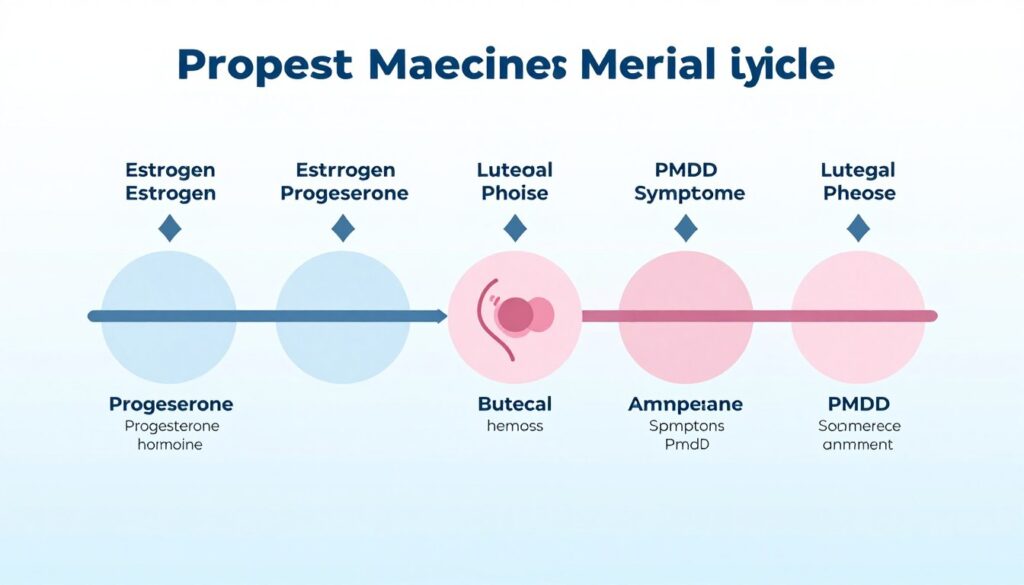
PMDD affects approximately three to eight percent of women of reproductive age. The condition involves severe mood changes, anxiety, depression, and irritability that occur during the luteal phase of the menstrual cycle. This phase begins after ovulation and continues until menstruation starts.
| Symptom Category | Common PMDD Symptoms | Impact Level |
| Emotional | Severe mood swings, marked depression, intense irritability, hopelessness | Severe |
| Anxiety-Related | Tension, anxiety, feeling on edge, panic attacks | Moderate to Severe |
| Cognitive | Difficulty concentrating, brain fog, feeling overwhelmed | Moderate |
| Physical | Breast tenderness, bloating, joint pain, muscle aches, fatigue | Moderate |
| Sleep | Insomnia, excessive sleepiness, disrupted sleep patterns | Moderate to Severe |
| Behavioral | Decreased interest in activities, appetite changes, social withdrawal | Moderate |
How PMDD Differs from Regular PMS
The distinction between PMS and premenstrual dysphoric disorder lies in symptom severity and functional impairment. Women with PMDD experience symptoms intense enough to disrupt work, damage relationships, or require time off from normal activities.
For a PMDD diagnosis, symptoms must occur during most menstrual cycles and improve within a few days after your period starts. The symptoms must also cause significant distress or interference with daily life. This pattern distinguishes PMDD from other mood disorders that persist throughout the month.
The Biological Basis of PMDD
Scientists believe PMDD stems from abnormal sensitivity to normal hormone fluctuations during the menstrual cycle. During the luteal phase, progesterone levels rise and then fall before menstruation. Women with PMDD may have heightened responses to these hormonal changes.
The disorder involves complex interactions between reproductive hormones, neurotransmitters like serotonin, and brain chemistry. These biological factors create a cascade of effects that manifest as the emotional and physical symptoms characteristic of PMDD.
Track Your PMDD Symptoms
Understanding your symptom patterns is the first step toward effective management. Get our free PMDD Symptom Tracker to monitor your cycle and identify your unique triggers.
Why Magnesium Is Being Studied for PMDD
Researchers have identified several reasons why magnesium may help women with premenstrual dysphoric disorder. This mineral influences numerous body systems involved in PMDD symptoms, from neurotransmitter function to hormone metabolism.
Women with PMS and PMDD often show lower magnesium levels during the luteal phase compared to women without these conditions. Studies measuring red blood cell magnesium levels reveal this deficiency pattern, suggesting that magnesium depletion may contribute to symptom development.
Magnesium's Role in Hormone Regulation
Magnesium plays important roles in hormone production and metabolism. The mineral acts as a cofactor for enzymes involved in steroid hormone synthesis. It also influences how your body processes and eliminates hormones like estrogen and progesterone.
During the menstrual cycle, magnesium levels fluctuate alongside hormonal changes. Some research suggests that progesterone may affect magnesium distribution in the body. This interaction could explain why women experience more pronounced magnesium deficiency symptoms during the luteal phase.
The Connection Between Magnesium and Neurotransmitters
Brain chemistry alterations underlie many PMDD symptoms. Magnesium influences several neurotransmitter systems, particularly those involving serotonin, GABA, and glutamate. These chemical messengers regulate mood, anxiety, and stress responses.
Low serotonin activity contributes significantly to PMDD depression and mood changes. Magnesium supports serotonin production and receptor function. It also helps regulate GABA, the primary calming neurotransmitter in your nervous system.
Magnesium Deficiency in Modern Diets
Many American women consume insufficient magnesium through diet alone. Processing removes magnesium from grains, and modern farming practices have reduced mineral content in crops. Stress, certain medications, and health conditions can further deplete magnesium stores.
The recommended daily intake for adult women ranges from 310 to 320 mg per day. However, national nutrition surveys show that many women fall short of this target. This widespread subclinical deficiency provides additional rationale for magnesium supplementation in PMDD management.
How Magnesium Works in the Brain and Nervous System
Understanding magnesium’s mechanisms in the nervous system helps explain its potential benefits for PMDD. This mineral participates in over 300 enzymatic reactions throughout your body. Many of these reactions directly affect brain function and mental health.
Magnesium as a Natural Nervous System Regulator
Magnesium acts as a natural calcium blocker in nerve cells. This function helps regulate nerve impulse transmission and prevents excessive neuronal firing. By controlling calcium influx into cells, magnesium maintains appropriate nervous system activation levels.
The mineral also modulates the HPA axis, your body’s central stress response system. Chronic stress depletes magnesium, while magnesium deficiency makes you more vulnerable to stress effects. This creates a cycle where stress and low magnesium reinforce each other.
Impact on NMDA Receptors and Glutamate
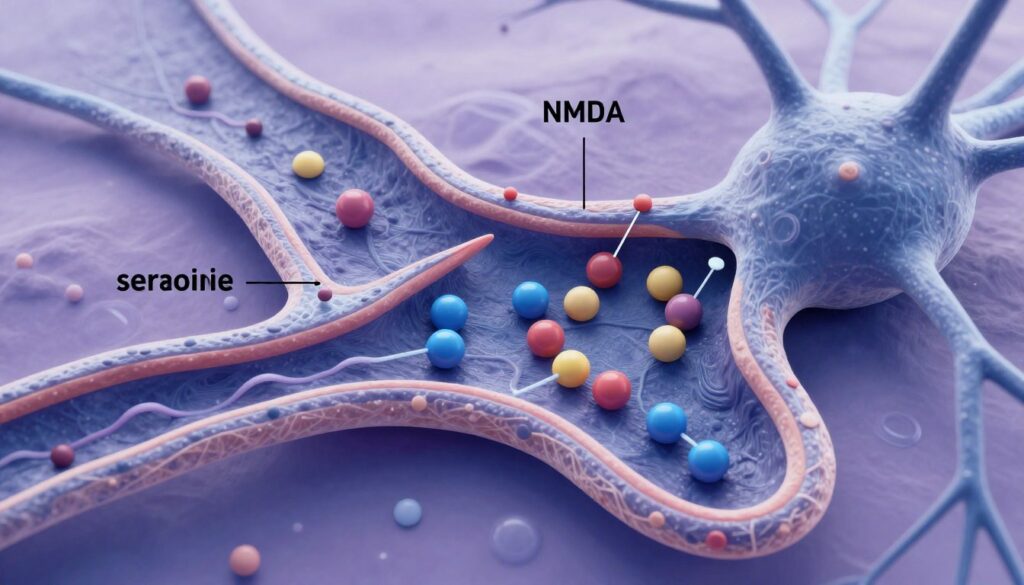
Magnesium sits inside NMDA receptors, specialized proteins on nerve cells that respond to glutamate. Glutamate functions as an excitatory neurotransmitter, meaning it activates neurons. Magnesium prevents overstimulation by blocking excessive glutamate activity.
When magnesium levels drop, NMDA receptors become hyperactive. This can lead to anxiety, irritability, and mood instability. Maintaining adequate magnesium helps keep glutamate activity within healthy ranges.
Effects on GABA and Relaxation Pathways
GABA promotes relaxation and reduces anxiety. Magnesium binds to GABA receptors and enhances their calming effects. This interaction explains why magnesium is sometimes called nature’s relaxation mineral.
Women with PMDD often experience heightened anxiety and tension during the luteal phase. Magnesium’s support of GABA function may help counteract these symptoms by promoting nervous system calmness.
Influence on Serotonin Production and Function
Serotonin regulates mood, sleep, and pain perception. Low serotonin activity contributes to depression, a hallmark PMDD symptom. Magnesium supports serotonin synthesis and helps transport it to where it’s needed in the brain.
The mineral also prevents excessive serotonin breakdown. By preserving serotonin availability, magnesium may help stabilize mood throughout the menstrual cycle. This mechanism provides one explanation for magnesium’s mood-supporting effects.
Anti-Inflammatory Properties
Inflammation in the nervous system can worsen mood symptoms and pain. Magnesium possesses anti-inflammatory properties that may reduce inflammatory markers associated with mood disorders. This effect could contribute to symptom improvement in women with PMDD.
Research shows that low magnesium status correlates with higher levels of inflammatory compounds. By reducing inflammation, magnesium may help protect brain cells and support optimal nervous system function throughout your cycle.
Scientific Evidence on Magnesium for PMDD
Multiple research studies have examined magnesium supplementation for premenstrual symptoms. While most studies focus on PMS rather than specifically PMDD, the findings provide valuable insights into magnesium’s potential benefits for premenstrual mood and physical symptoms.
Clinical Trial Results on Magnesium for PMS
A landmark study published in the Journal of Women’s Health examined magnesium supplementation in women with PMS symptoms. Participants taking 200 mg of magnesium daily experienced significant reductions in bloating, weight gain, breast tenderness, and abdominal swelling compared to placebo.
Another clinical trial investigated magnesium combined with vitamin B6. The results showed that this combination reduced overall PMS symptom severity more effectively than either supplement alone. Women reported improvements in mood symptoms, anxiety, and irritability.
| Study | Dosage | Duration | Key Findings |
| Walker et al. (1998) | 200 mg magnesium oxide daily | 2 months | Reduced fluid retention symptoms in second cycle |
| Facchinetti et al. (1991) | 360 mg magnesium pyrrolidone daily | 2 months | Significant decrease in PMS mood symptoms |
| De Souza et al. (2000) | 260 mg magnesium + B6 | 1 month | Reduced anxiety-related symptoms in luteal phase |
| Quaranta et al. (2007) | 250 mg magnesium + B6 | 3 months | Improvements in multiple PMS symptom categories |
Evidence Specific to Mood Symptoms
Research specifically examining mood-related PMS symptoms found that magnesium supplementation reduced depression, irritability, and mood swings. One study using 360 mg of magnesium daily demonstrated significant improvements in mood symptoms during the luteal phase after just two menstrual cycles.
These studies suggest that magnesium’s effects on mood may be dose-dependent and require consistent supplementation over multiple cycles to achieve maximum benefits. Women with more severe mood symptoms appear to experience greater improvements with magnesium supplementation.
Magnesium's Effects on Physical PMS Symptoms
Beyond mood benefits, research shows magnesium helps reduce physical PMS symptoms. Studies report decreases in bloating, breast tenderness, and water retention with magnesium supplementation. Some women also experience reduced menstrual pain and headache frequency.
The mechanism likely involves magnesium’s role in muscle relaxation and prostaglandin regulation. Prostaglandins contribute to uterine cramping and inflammation. Magnesium may help modulate prostaglandin production and reduce pain sensitivity.
Considering complementary approaches can enhance PMDD management. Research shows that acupuncture for PMDD can help reduce symptoms when combined with nutritional support. Similarly, calcium supplements for PMDD have shown promise in clinical studies, particularly when used alongside magnesium.
Limitations of Current Research
Most studies examining magnesium for premenstrual symptoms have focused on PMS rather than specifically PMDD. PMDD represents a more severe condition with different diagnostic criteria. While the findings likely apply to PMDD, more research targeting this specific population would strengthen the evidence base.
Study methodologies vary regarding magnesium form, dosage, and duration. Some trials lasted only one or two cycles, which may not capture magnesium’s full effects. Longer studies would better assess sustained benefits and optimal supplementation strategies.
Sample sizes in many magnesium studies remain relatively small. Larger, well-designed trials would provide more definitive evidence. Despite these limitations, the existing research consistently suggests benefits for premenstrual mood and physical symptoms.

Magnesium and Anxiety Symptoms
Anxiety represents one of the most disruptive PMDD symptoms. Many women describe feeling constantly on edge, experiencing panic attacks, or dealing with overwhelming worry during their luteal phase. Magnesium’s calming effects on the nervous system make it particularly relevant for these anxiety-related symptoms.
How Magnesium Reduces Nervous System Excitability
Anxiety involves excessive nervous system activation. Your brain becomes hyperresponsive to stimuli, triggering the fight-or-flight response inappropriately. Magnesium dampens this overactivation by regulating neurotransmitter activity and calcium flow in nerve cells.
When magnesium levels are adequate, NMDA receptors maintain appropriate sensitivity. This prevents the excessive glutamate activity that contributes to feelings of agitation and worry. The mineral essentially acts as a brake on runaway neural activity.
Research on Magnesium for Anxiety Disorders
Studies examining magnesium for general anxiety disorders provide additional context for its use in PMDD anxiety. Research shows that magnesium supplementation reduces anxiety symptoms in people with mild to moderate anxiety, though results vary based on baseline magnesium status.
A systematic review analyzing multiple studies found that magnesium appears most effective for anxiety when deficiency exists. This finding suggests that testing magnesium levels before supplementation could help identify who will benefit most from this intervention.
Timing Magnesium Intake for Anxiety Relief
Some women find taking magnesium in the evening helps manage anxiety and promotes better sleep. The mineral’s calming effects may be more noticeable when taken before bed. However, research hasn’t definitively established whether timing affects anxiety-related outcomes.
For PMDD-related anxiety, consistent daily supplementation throughout the cycle may work better than only taking magnesium during symptomatic days. This approach maintains stable magnesium levels and may prevent anxiety symptoms from developing rather than just treating them after onset.
Combining Magnesium with Other Anxiety Treatments
Magnesium works well alongside other anxiety management strategies. Cognitive behavioral therapy, mindfulness practices, and regular exercise all help reduce PMDD anxiety. Magnesium supplementation can complement these approaches by supporting optimal brain chemistry.
Some prescription anxiety medications affect magnesium levels or interact with magnesium supplements. If you take benzodiazepines or other anti-anxiety medications, discuss magnesium supplementation with your healthcare provider to ensure safe combination.
Signs Magnesium May Help Your Anxiety
- Anxiety worsens predictably during luteal phase
- You experience muscle tension alongside worry
- Sleep disruption accompanies anxious feelings
- Irritability and restlessness peak before period
- Dietary magnesium intake is low
- Stress levels remain chronically elevated
When to Seek Additional Support
- Anxiety causes panic attacks or severe distress
- Symptoms persist throughout entire cycle
- Anxiety interferes significantly with functioning
- You experience suicidal thoughts
- Magnesium alone provides insufficient relief
- Physical symptoms like rapid heartbeat occur
Magnesium and Sleep Quality
Sleep disturbances plague many women with PMDD. You may struggle to fall asleep, wake frequently during the night, or experience non-restorative sleep during your luteal phase. Poor sleep worsens other PMDD symptoms, creating a vicious cycle of fatigue and mood disruption.
Magnesium's Role in Sleep Regulation
Magnesium influences multiple systems involved in sleep. The mineral helps regulate melatonin, the hormone that controls your sleep-wake cycle. It also supports GABA function, which promotes the relaxation necessary for sleep onset.
Research shows that magnesium deficiency correlates with poor sleep quality and insomnia. Supplementing magnesium may help normalize sleep patterns by restoring these regulatory mechanisms. The effects appear most pronounced in people with insufficient baseline magnesium intake.
Studies on Magnesium for Insomnia
Clinical trials examining magnesium for insomnia have produced promising results. Older adults taking 500 mg of magnesium daily experienced improvements in sleep time, sleep efficiency, and early morning awakening. They also showed increases in melatonin and decreases in cortisol, the stress hormone.
Another study found that magnesium combined with melatonin and zinc improved sleep quality more effectively than placebo in people with primary insomnia. While these studies didn’t focus specifically on PMDD-related sleep problems, the mechanisms likely apply to premenstrual insomnia.
Best Practices for Using Magnesium for Sleep
Taking magnesium in the evening, about one to two hours before bed, may optimize its sleep-promoting effects. This timing allows the mineral to begin influencing neurotransmitter activity as you prepare for sleep.
Magnesium glycinate is often recommended specifically for sleep support due to its calming properties and excellent absorption. The glycine component itself has sleep-promoting effects, potentially enhancing magnesium’s benefits.

Sleep Hygiene and Magnesium Supplementation
Magnesium works best when combined with good sleep hygiene practices. Maintain consistent sleep and wake times, create a dark and cool sleep environment, and limit screen time before bed. These habits support your body’s natural sleep processes alongside magnesium’s biochemical effects.
Avoid caffeine and alcohol, particularly during your luteal phase when sleep may already be compromised. Both substances can interfere with magnesium absorption and disrupt sleep architecture. Managing these factors creates optimal conditions for restorative sleep.
Magnesium Glycinate vs Citrate for PMDD
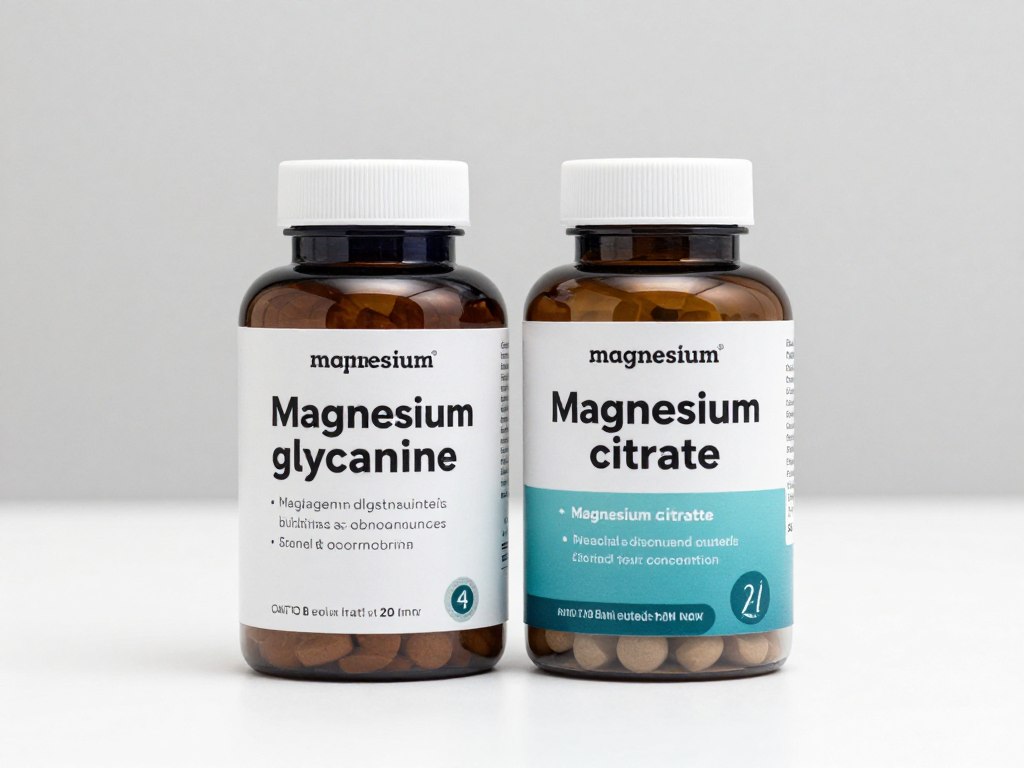
Not all magnesium supplements are created equal. The form of magnesium significantly affects absorption, tolerability, and specific benefits. Magnesium glycinate and magnesium citrate represent two of the most commonly recommended forms for PMDD, each with distinct advantages.
Understanding Magnesium Bioavailability
Bioavailability refers to how much of a nutrient your body actually absorbs and uses. Magnesium bound to organic compounds like glycine or citrate generally shows better bioavailability than inorganic forms like magnesium oxide.
Your body’s ability to absorb magnesium depends on the form and your individual digestive health. Studies measuring magnesium absorption show that glycinate and citrate forms typically achieve higher blood levels than oxide or sulfate forms when equal doses are consumed.
Magnesium Glycinate: The Calming Option
Magnesium glycinate consists of magnesium bound to the amino acid glycine. This form offers excellent absorption and causes minimal digestive side effects. The glycine component provides additional calming benefits, making this form particularly suitable for anxiety and sleep issues.
Glycine itself acts as an inhibitory neurotransmitter, promoting relaxation. When combined with magnesium’s nervous system benefits, magnesium glycinate may be especially effective for PMDD mood symptoms. Many practitioners recommend this form as a first-line choice for premenstrual anxiety and irritability.
Magnesium Citrate: The Versatile Choice
Magnesium citrate combines magnesium with citric acid. This form demonstrates good absorption and cost-effectiveness. Magnesium citrate supports overall magnesium status well and addresses multiple PMDD symptoms.
One consideration with magnesium citrate is its mild laxative effect. At higher doses, this form can cause loose stools or diarrhea. For women who experience constipation as a PMS symptom, this effect might be beneficial. Others may prefer glycinate to avoid digestive issues.
| Feature | Magnesium Glycinate | Magnesium Citrate |
| Absorption Rate | Excellent (highly bioavailable) | Very Good (highly bioavailable) |
| Digestive Tolerance | Excellent (minimal laxative effect) | Good (mild laxative effect) |
| Best For | Anxiety, sleep, muscle tension, sensitive digestion | General supplementation, constipation, cost-effectiveness |
| Additional Benefits | Glycine provides calming effects | Citrate may support energy production |
| Typical Cost | Moderate to High | Low to Moderate |
| Elemental Mg Content | Approximately 14% by weight | Approximately 16% by weight |
Other Magnesium Forms to Consider
Magnesium threonate shows promise for cognitive symptoms due to its ability to cross the blood-brain barrier effectively. Some women with PMDD brain fog or concentration difficulties may find this form beneficial, though it costs more than other options.
Magnesium taurate combines magnesium with the amino acid taurine. This form may support cardiovascular health and blood pressure regulation. While less commonly used for PMDD specifically, it represents another well-absorbed option worth considering.
Forms to Avoid for PMDD
Magnesium oxide remains popular due to low cost but has poor bioavailability. Your body absorbs only about four percent of magnesium from this form. The high doses required often cause significant digestive upset.
Magnesium sulfate, commonly known as Epsom salt, works well for topical use but causes diarrhea when taken orally. This form isn’t recommended for regular supplementation, though Epsom salt baths may provide muscle relaxation benefits.
Magnesium vs Calcium for PMDD
Both magnesium and calcium show evidence for reducing PMS symptoms. Understanding how these minerals work together and independently helps you create an effective supplementation strategy. Rather than competing nutrients, they function as partners in many body processes.
The Calcium-Magnesium Balance
Calcium and magnesium work together throughout your body, often in opposing yet complementary ways. Calcium promotes muscle contraction and nerve excitation, while magnesium supports muscle relaxation and nerve calming. Maintaining proper balance between these minerals supports optimal function.
The traditional recommendation suggests a calcium-to-magnesium ratio of two-to-one. However, modern diets often provide abundant calcium through dairy products and fortified foods while magnesium intake falls short. This imbalance may contribute to various health issues, including premenstrual symptoms.
Research on Calcium for PMS and PMDD
Multiple studies demonstrate calcium’s effectiveness for PMS symptoms. A large clinical trial found that 1,200 mg of calcium daily reduced overall PMS symptom scores by forty-eight percent over three cycles. Women reported improvements in mood, pain, and water retention symptoms.
Calcium appears to work through different mechanisms than magnesium. The mineral influences serotonin and dopamine metabolism, affects parathyroid hormone secretion, and modulates neuromuscular function. These effects complement rather than duplicate magnesium’s actions.
| Aspect | Magnesium | Calcium |
| Primary Mood Mechanism | NMDA receptor modulation, GABA support | Serotonin and dopamine regulation |
| Nervous System Effect | Calming, reduces excitability | Promotes neurotransmitter release |
| Evidence Strength for PMS | Moderate (multiple positive studies) | Strong (larger trials, robust data) |
| Typical Daily Dose | 200-360 mg | 1,000-1,200 mg |
| Best Symptom Targets | Anxiety, sleep, muscle tension, irritability | Mood swings, pain, bloating, food cravings |
| Timing Considerations | Evening often preferred for calming effects | Can be split between morning and evening |
Should You Take Both Magnesium and Calcium?
Taking both minerals may provide more comprehensive symptom relief than either alone. The combination addresses multiple biological pathways involved in PMDD. Some research specifically examining calcium plus magnesium supplementation shows enhanced benefits compared to single-nutrient approaches.
If you choose to supplement both nutrients, consider your dietary intake first. Many women get adequate calcium from food but fall short on magnesium. You may need full supplemental doses of magnesium while requiring little to no additional calcium.
Some supplement formulations combine calcium and magnesium in ratios designed for PMS support. These products offer convenience but check the forms used. Look for highly absorbable forms of each mineral rather than cheap oxides or carbonates.
Competition for Absorption
Calcium and magnesium can compete for absorption when taken together in high doses. To maximize absorption of both, consider taking them at different times. For example, magnesium in the evening and calcium earlier in the day allows each mineral optimal absorption opportunity.
This separation isn’t essential at typical supplemental doses. The competition becomes more significant when either mineral is taken in very high amounts. For most women using moderate doses for PMDD, taking both together poses no significant problems.
Magnesium and Vitamin D
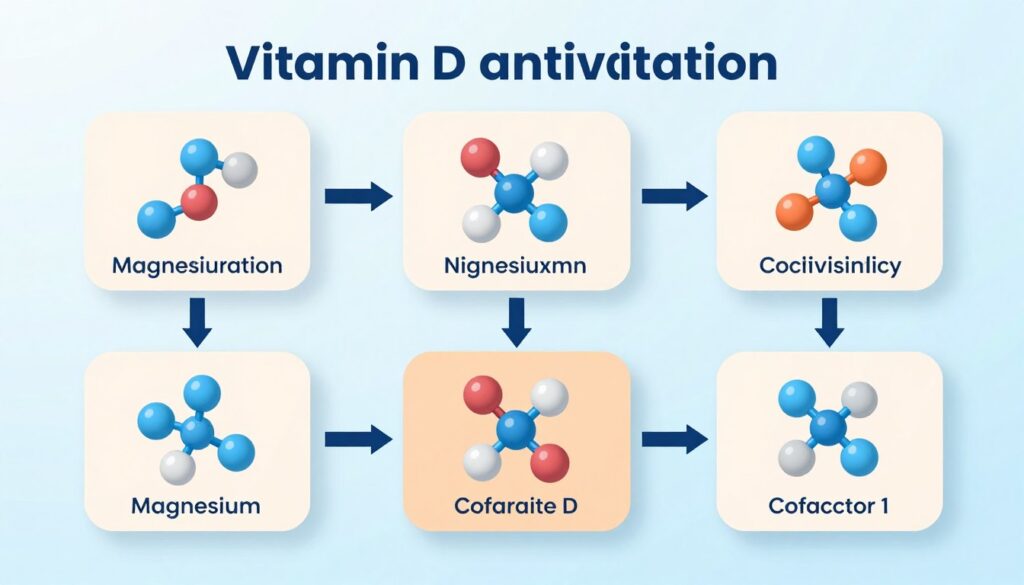
Vitamin D and magnesium share an important relationship. These nutrients work synergistically, with magnesium required for vitamin D metabolism and activation. Understanding this connection helps optimize supplementation strategies for PMDD.
How Magnesium Activates Vitamin D
Your body must convert vitamin D into its active form to use it effectively. This conversion requires magnesium-dependent enzymes. Without adequate magnesium, vitamin D remains largely inactive regardless of how much you supplement or obtain through sun exposure.
Research shows that magnesium deficiency can lead to low vitamin D status even when vitamin D intake appears adequate. Conversely, taking high-dose vitamin D without sufficient magnesium may deplete magnesium stores further. This interdependence underscores the importance of addressing both nutrients.
Vitamin D's Role in PMDD
Vitamin D influences mood regulation, immune function, and hormone metabolism. Low vitamin D levels correlate with depression and seasonal mood changes. Some research suggests vitamin D deficiency may worsen PMS symptoms, though studies specifically on PMDD remain limited.
Vitamin D receptors exist throughout the brain, including areas involved in mood regulation. The vitamin affects serotonin production and may influence how your body responds to hormonal fluctuations during the menstrual cycle.
Testing and Optimizing Both Nutrients
Testing vitamin D and magnesium levels can guide supplementation decisions. Vitamin D testing through 25-hydroxyvitamin D blood tests is straightforward and widely available. Magnesium testing proves more challenging, as blood levels don’t accurately reflect total body stores.
Red blood cell magnesium testing provides better information than standard serum magnesium tests. However, many doctors don’t routinely order this test. Consider requesting it if you suspect deficiency or want to monitor supplementation effects.
Optimal Vitamin D Levels for Mood Health
Most experts recommend maintaining vitamin D levels between 40 and 60 ng/mL for optimal mood support. Levels below 30 ng/mL are considered insufficient, while levels below 20 ng/mL indicate deficiency.
Many American women fall short of optimal vitamin D status, particularly those living in northern latitudes or spending limited time outdoors. Supplementation often becomes necessary to achieve and maintain healthy levels.
Vitamin D Supplementation Guidelines
- Test levels before starting supplementation
- Typical maintenance doses range from 1,000-4,000 IU daily
- Higher doses may be needed to correct deficiency
- Take vitamin D with magnesium for proper activation
- Retest levels after three months to assess response
- Consider vitamin D3 over D2 for better absorption
Combined Supplementation Strategy
Taking magnesium and vitamin D together makes biochemical sense given their interdependence. This combination may provide synergistic benefits for mood, bone health, and overall wellness alongside PMDD symptom management.
Start with magnesium supplementation first if you’re beginning both nutrients. Establish adequate magnesium status before adding high-dose vitamin D. This sequence prevents vitamin D supplementation from depleting already low magnesium stores.
Recommended Magnesium Dosage for PMDD
Determining the right magnesium dose involves considering multiple factors including baseline intake, deficiency severity, and individual response. Research studies have used various doses, providing guidance for effective supplementation strategies.
Standard Dosing Ranges from Research
Most studies examining magnesium for PMS symptoms used doses between 200 and 360 mg of elemental magnesium daily. This range appears effective for many women while remaining well within safe limits. Some studies administered magnesium only during the luteal phase, while others used continuous supplementation throughout the cycle.
Starting with 200 mg daily allows you to assess tolerance and effects before increasing. If symptoms persist after four to eight weeks, gradually increase to 300 or 360 mg daily. This titration approach helps identify your optimal dose while minimizing potential side effects.
Understanding Elemental Magnesium Content
Supplement labels can be confusing because they may list total compound weight rather than elemental magnesium content. For example, 1,000 mg of magnesium glycinate contains only about 140 mg of elemental magnesium. The remaining weight consists of the glycine carrier.
Always check labels for elemental magnesium content. Reputable manufacturers clearly state both the compound amount and the elemental magnesium provided. This information ensures you’re taking the intended therapeutic dose.
| Magnesium Compound | Compound Amount | Elemental Magnesium | Percentage |
| Magnesium Glycinate | 1,000 mg | 140 mg | 14% |
| Magnesium Citrate | 1,000 mg | 160 mg | 16% |
| Magnesium Oxide | 1,000 mg | 600 mg | 60% |
| Magnesium Threonate | 1,000 mg | 72 mg | 7% |
Timing Your Magnesium Dose
Taking magnesium with food often improves tolerance and absorption. An evening dose may enhance sleep benefits and provide overnight symptom relief. However, some women prefer splitting doses between morning and evening to maintain steady levels throughout the day.
Experiment with timing to find what works best for your schedule and symptom pattern. Consistency matters more than specific timing for achieving sustained benefits over multiple cycles.
Cycle-Based vs Continuous Supplementation
Some practitioners recommend taking magnesium only during the luteal phase, typically from ovulation until menstruation begins. This approach targets the symptomatic window while reducing overall supplement burden.
However, building optimal magnesium stores throughout the cycle may provide better results. Continuous supplementation ensures consistent levels and may offer additional benefits for overall health, stress resilience, and bone density.
Maximum Safe Doses and Upper Limits
The tolerable upper intake level for supplemental magnesium is 350 mg daily for adult women. This limit applies to supplements specifically, not dietary magnesium from food. Exceeding this amount increases the risk of diarrhea and other digestive side effects.
Most women with PMDD will achieve benefits well below this upper limit. Doses above 400 mg daily should only be used under medical supervision. Higher doses don’t necessarily provide greater benefits and significantly increase the likelihood of adverse effects.
Personalize Your PMDD Treatment Plan
Finding the right magnesium dosage and form for your unique needs can be challenging. Dr. Helloyze Ferreira Ancelmo specializes in evidence-based nutritional approaches to PMDD and can help you develop a comprehensive treatment strategy.
Factors Affecting Individual Dosage Needs
Your optimal dose depends on multiple factors including dietary magnesium intake, stress levels, medication use, and underlying health conditions. Women with higher stress, intense exercise routines, or certain medical conditions may require higher doses.
Some medications increase magnesium loss, including diuretics, proton pump inhibitors, and certain antibiotics. If you take medications that affect magnesium status, discuss appropriate supplementation levels with your healthcare provider.

Risks, Side Effects, and Precautions
While magnesium supplementation is generally safe for most women, understanding potential risks and side effects helps you use it appropriately. Certain health conditions and medications require special considerations before starting magnesium supplements.
Common Digestive Side Effects
The most frequent side effect of magnesium supplementation is loose stools or diarrhea. This occurs because unabsorbed magnesium draws water into the intestines. The effect varies significantly by form, with magnesium oxide causing more digestive upset than glycinate or threonate.
If you experience diarrhea, reduce your dose or switch to a more absorbable form like magnesium glycinate. Taking magnesium with food also helps minimize digestive issues. Starting with lower doses and gradually increasing allows your body to adjust.
Who Should Avoid Magnesium Supplements
People with kidney disease must exercise extreme caution with magnesium supplements. Impaired kidney function reduces magnesium excretion, potentially leading to dangerous accumulation. Never supplement magnesium with kidney disease without explicit medical approval and monitoring.
Those with heart block or certain cardiac conditions should also avoid magnesium supplements unless specifically prescribed. Magnesium affects heart rhythm and electrical conduction. While therapeutic for some heart conditions, it can be harmful in others.
When to Consult Your Doctor Before Taking Magnesium
- You have kidney disease or reduced kidney function
- You have heart block or irregular heart rhythms
- You take digoxin or other cardiac medications
- You take antibiotics, particularly fluoroquinolones or tetracyclines
- You use bisphosphonate medications for bone health
- You have myasthenia gravis or other neuromuscular disorders
- You’re pregnant or breastfeeding
- You take prescription diuretics or blood pressure medications
Drug Interactions to Consider
Magnesium can interact with several medication classes. It may reduce absorption of certain antibiotics, requiring separation of doses by at least two hours. Bisphosphonate medications for osteoporosis also require careful timing to avoid absorption interference.
Magnesium may enhance the effects of blood pressure medications, potentially causing excessive blood pressure lowering. If you take antihypertensive drugs, monitor your blood pressure and report any significant changes to your doctor.
Signs of Excessive Magnesium Intake
Magnesium toxicity from supplements alone is rare in people with normal kidney function. However, excessive intake can cause symptoms including nausea, abdominal cramping, diarrhea, and in severe cases, irregular heartbeat or breathing difficulties.
Very high magnesium levels can lead to muscle weakness, confusion, and dangerously low blood pressure. If you experience these symptoms while taking magnesium, stop supplementation immediately and seek medical attention.
Safety During Pregnancy and Breastfeeding
Magnesium needs increase during pregnancy and breastfeeding. Moderate supplementation is generally considered safe and may help prevent pregnancy complications like pre-eclampsia. However, always discuss supplement use with your obstetrician.
Pregnant women should not exceed 350 mg of supplemental magnesium daily without medical supervision. High-dose magnesium is sometimes used therapeutically in hospital settings for pregnancy complications, but this requires careful monitoring.
Quality and Purity Concerns
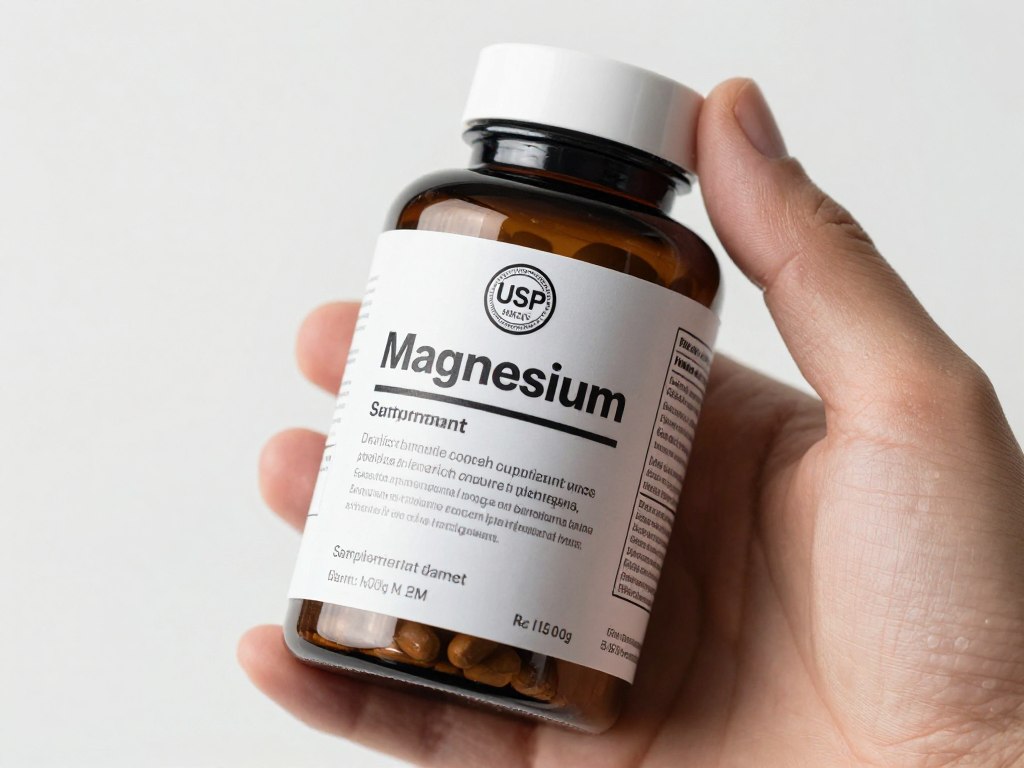
Not all magnesium supplements meet quality standards. Some products contain contaminants or provide less elemental magnesium than labels claim. Choose supplements from reputable manufacturers that undergo third-party testing.
Look for certifications from organizations like USP, NSF International, or ConsumerLab. These independent testing programs verify that supplements contain what labels claim and are free from harmful contaminants.
Who May Benefit Most from Magnesium
While magnesium supplementation shows promise for many women with PMDD, certain characteristics may predict better response. Understanding who benefits most helps set realistic expectations and guides treatment decisions.
Women with Documented Magnesium Deficiency
Unsurprisingly, women with confirmed low magnesium levels typically experience the most dramatic improvements with supplementation. If testing reveals deficiency, magnesium supplementation addresses a root cause rather than just managing symptoms.
Signs of potential magnesium deficiency include muscle cramps, eye twitches, fatigue, poor sleep, and heightened stress sensitivity. While these symptoms aren’t specific to magnesium deficiency, their presence alongside PMDD may indicate greater likelihood of response to supplementation.
Those with Predominantly Anxiety and Mood Symptoms
Women whose PMDD manifests primarily through mood changes, anxiety, and irritability may respond particularly well to magnesium. The mineral’s effects on neurotransmitter systems directly address these symptom types.
If your PMDD involves severe physical symptoms with minimal mood changes, magnesium may still help but might not provide complete relief. A comprehensive approach addressing multiple pathways may be necessary.
Women with High Stress Levels
Chronic stress depletes magnesium stores and increases magnesium requirements. If you experience ongoing stress from work, family responsibilities, or other sources, magnesium supplementation may be especially beneficial.
Stress and PMDD create a bidirectional relationship. PMDD symptoms increase stress, while stress worsens PMDD. Breaking this cycle through magnesium’s stress-buffering effects may provide significant relief.
Higher Likelihood of Magnesium Benefit
- Low dietary magnesium intake
- Symptoms of muscle tension or cramping
- Sleep difficulties during luteal phase
- Heightened anxiety and irritability
- Chronic stress or demanding lifestyle
- History of positive response to calming supplements
- Constipation as a premenstrual symptom
- Limited response to other PMDD treatments
May Need Additional Interventions
- Severe suicidal ideation during luteal phase
- PMDD symptoms present throughout cycle
- Predominantly physical symptoms only
- No response after three months of supplementation
- Concurrent major depressive disorder
- Significant relationship or occupational impairment
- History of poor supplement absorption
- Complex medical history with multiple medications
Athletes and Physically Active Women
Exercise increases magnesium loss through sweat and raises magnesium requirements for energy production and muscle function. Physically active women may need higher magnesium intake than sedentary individuals.
If you exercise regularly, particularly intense workouts or endurance activities, magnesium supplementation may address both athletic recovery needs and PMDD symptoms. This dual benefit makes supplementation especially worthwhile for active women with PMDD.
Those Taking Medications That Deplete Magnesium
Certain medications increase magnesium loss or interfere with absorption. Diuretics, proton pump inhibitors for acid reflux, and some antibiotics all affect magnesium status. Women taking these medications may develop deficiency even with adequate dietary intake.
If you take magnesium-depleting medications long-term, supplementation helps maintain optimal levels. Discuss appropriate dosing with your healthcare provider to account for medication effects.

How to Choose a Quality Magnesium Supplement
The supplement industry lacks strict regulation, making quality vary significantly between products. Choosing a high-quality magnesium supplement ensures you receive the form and dose you need without contaminants or fillers.
Third-Party Testing and Certifications
Look for supplements verified by independent testing organizations. USP verification confirms that products meet standards for purity, potency, and manufacturing quality. NSF International and ConsumerLab provide similar independent verification.
These certifications indicate that what’s listed on the label matches what’s in the bottle. They also confirm that products are free from harmful levels of contaminants like heavy metals or microbes.
Reading Supplement Labels Effectively
Check the supplement facts panel for elemental magnesium content, not just the compound weight. Verify the specific form of magnesium used. Avoid products that simply list “magnesium” without specifying the form.
Look at other ingredients listed. Quality supplements contain minimal fillers or additives. Be wary of products with long lists of unnecessary ingredients, artificial colors, or common allergens if you have sensitivities.
Choosing Between Capsules, Tablets, and Powders
Magnesium comes in various delivery forms, each with advantages. Capsules often contain fewer fillers than tablets and may be easier to swallow. Tablets can be scored for dose adjustments but may include more binding agents.
Powdered magnesium allows precise dose customization and typically offers better value. However, it requires mixing with liquid and may have taste considerations. Choose based on your preferences and lifestyle.
| Quality Indicator | What to Look For | Red Flags to Avoid |
| Third-Party Testing | USP, NSF, or ConsumerLab certification seals | No verification or testing mentioned |
| Magnesium Form | Specific form listed (glycinate, citrate, etc.) | Just “magnesium” or magnesium oxide |
| Elemental Content | Clearly states mg of elemental magnesium | Only lists compound weight without elemental amount |
| Additives | Minimal ingredients, no unnecessary fillers | Long lists of fillers, artificial colors, or allergens |
| Manufacturing | GMP certified facility, reputable brand | Unknown manufacturer, no quality standards mentioned |
| Transparency | Clear contact info, batch testing available | Vague claims, no company information provided |
Price vs Quality Considerations
Higher price doesn’t always guarantee better quality, but extremely cheap supplements often cut corners. Expect to pay more for highly absorbable forms like glycinate compared to oxide. The difference in effectiveness justifies the higher cost.
Calculate price per dose of elemental magnesium rather than price per bottle. A product may seem expensive but provide twice the therapeutic dose per capsule, ultimately offering better value.
Combination Formulas vs Single Nutrient
Some supplements combine magnesium with calcium, vitamin D, or B vitamins. These combinations can offer convenience and potential synergistic benefits. However, verify that each nutrient is provided in therapeutic amounts and absorbable forms.
Single-nutrient supplements offer more dosing flexibility. You can adjust magnesium intake independently based on your needs and response. They also eliminate potential interactions or sensitivities to other ingredients in combination formulas.
Storage and Expiration Dates
Magnesium supplements remain stable when stored properly. Keep supplements in cool, dry places away from direct sunlight. Bathrooms, despite being common storage locations, have temperature and humidity fluctuations that can degrade supplements.
Check expiration dates before purchasing and regularly review supplements in your cabinet. Expired supplements may lose potency or, in some cases, develop harmful breakdown products. Discard supplements past their expiration dates.
Frequently Asked Questions (FAQ)
How long does it take for magnesium to work for PMDD symptoms?
Most women notice initial improvements within two to four weeks of consistent magnesium supplementation. However, maximum benefits typically emerge after two to three menstrual cycles of regular use. This timeline allows magnesium stores to replenish and your body to adapt.
Some women experience faster relief of symptoms like muscle tension or sleep difficulties within the first week. Mood symptoms may take longer to improve as neurotransmitter systems rebalance. Give supplementation at least three full cycles before deciding whether it’s effective for you.
Can I get enough magnesium from food alone to help PMDD?
Getting therapeutic doses of magnesium through diet alone can be challenging but is possible with careful planning. Rich magnesium sources include dark leafy greens, nuts and seeds, legumes, whole grains, and fatty fish. You would need to consume these foods consistently and in substantial amounts.
To reach 300 mg of magnesium from food, you might eat one cup of cooked spinach, one ounce of almonds, half a cup of black beans, and one ounce of pumpkin seeds daily. Many women find supplementation more practical for reaching therapeutic levels while using diet as foundational support.
Is it better to take magnesium only during the luteal phase or throughout my entire cycle?
Both approaches have merit, and the best choice depends on your goals and preferences. Taking magnesium throughout your entire cycle maintains consistent levels and may provide additional benefits for overall health, stress management, and bone density.
Luteal phase-only supplementation targets the symptomatic window specifically and reduces pill burden. However, this approach may not allow optimal tissue saturation. If you’re significantly deficient, continuous supplementation helps rebuild stores more effectively. Consider starting with continuous use for three months, then potentially switching to luteal phase only if you achieve good symptom control.
Can magnesium replace antidepressants for PMDD?
Magnesium should not be considered a replacement for prescription medications without medical guidance. For severe PMDD, especially cases involving suicidal thoughts or significant functional impairment, antidepressants like SSRIs often provide essential treatment.
Magnesium can complement medication treatment or serve as a first-line approach for mild to moderate cases. Some women successfully manage PMDD with nutritional approaches alone, while others need the more powerful effects of prescription medications. Work with your healthcare provider to determine the most appropriate treatment strategy for your symptom severity and individual circumstances.
What’s the difference between taking magnesium supplements and using magnesium oil or Epsom salt baths?
Oral magnesium supplements raise your overall magnesium status systemically. They increase tissue stores throughout your body and address deficiency. Topical magnesium products like oils and bath salts may provide localized benefits for muscle soreness and tension but don’t significantly raise blood or tissue magnesium levels.
Research on transdermal magnesium absorption remains limited and conflicting. While many women report feeling relaxed after Epsom salt baths, this may relate more to the warm water and self-care time than magnesium absorption. Use topical products for their relaxation and muscle-soothing benefits, but rely on oral supplementation for addressing PMDD symptoms and systemic deficiency.
Will magnesium help with PMDD-related headaches and migraines?
Magnesium shows promise for preventing menstrual migraines, which many women with PMDD experience. Research indicates that magnesium deficiency may contribute to migraine susceptibility. Supplementation can reduce migraine frequency and severity in some people.
For menstrual migraines specifically, magnesium may help by stabilizing neurotransmitter release and preventing blood vessel spasms involved in migraine pathophysiology. Typical preventive doses range from 400 to 600 mg daily. If you experience frequent menstrual migraines alongside PMDD, discuss magnesium supplementation with a healthcare provider experienced in headache management.
Are there any foods I should avoid when taking magnesium supplements?
No specific foods need to be completely avoided, but timing matters for optimal absorption. Calcium-rich foods like dairy products can compete with magnesium for absorption when consumed together in large amounts. Consider spacing your magnesium supplement a few hours away from calcium-rich meals.
Phytic acid in whole grains and beans can bind minerals and reduce absorption. However, this effect is modest and doesn’t justify avoiding these nutritious foods. The benefits of whole grains and legumes, which themselves contain magnesium, outweigh any absorption interference. Taking magnesium with meals generally enhances tolerance without significantly impairing absorption.
Final Thoughts
Magnesium supplementation represents a promising, evidence-based approach for managing PMDD symptoms. Research demonstrates benefits for mood changes, anxiety, sleep quality, and physical symptoms. The mineral’s multiple mechanisms of action address several biological pathways involved in PMDD.
While magnesium isn’t a cure for PMDD, it offers a valuable tool in a comprehensive treatment strategy. The best results typically come from combining magnesium with other evidence-based interventions including proper nutrition, stress management, regular exercise, and when necessary, prescription medications.
Starting with 200 to 360 mg of highly absorbable magnesium like glycinate or citrate provides a reasonable approach for most women. Give supplementation at least three menstrual cycles to assess effectiveness. Monitor your symptoms, track your response, and adjust your approach based on results.
Quality matters significantly with magnesium supplements. Choose third-party tested products that clearly state elemental magnesium content and use absorbable forms. Avoid rock-bottom prices and questionable manufacturers that may deliver ineffective or contaminated products.
Remember that magnesium works best as part of a broader PMDD management plan. Address sleep hygiene, nutrition quality, stress levels, and other lifestyle factors alongside supplementation. Consider exploring complementary approaches that have shown promise in research studies.
Individual responses to magnesium vary based on baseline deficiency, symptom patterns, and overall health status. What works excellently for one woman may provide modest benefits for another. Be patient with the process and willing to adjust your approach based on your unique response.

If magnesium alone doesn’t provide sufficient symptom relief, don’t hesitate to seek additional support. PMDD can be a serious condition requiring comprehensive medical treatment. Combining nutritional approaches with therapy, medication when needed, and lifestyle modifications offers the best chance for meaningful improvement.
Get Expert Guidance for Your PMDD Journey
Managing PMDD effectively often requires personalized guidance from a healthcare provider who understands the condition’s complexity. Dr. Helloyze Ferreira Ancelmo specializes in integrative approaches to women’s hormonal health, combining evidence-based nutritional strategies with comprehensive medical care.
Schedule a consultation to develop a treatment plan tailored to your unique symptoms, health history, and goals. Together, we’ll create a comprehensive strategy that may include magnesium supplementation alongside other proven interventions.
Living with PMDD presents real challenges, but effective management is possible. Magnesium supplementation, combined with appropriate medical care and lifestyle strategies, can help you reclaim quality of life throughout your entire menstrual cycle.
About the Medical Reviewer: Dr. Helloyze Ferreira Ancelmo is a board-certified physician specializing in integrative women’s health and hormonal disorders. With over 5 years of clinical experience, Dr. Ancelmo focuses on evidence-based natural approaches to PMDD, PMS, and other menstrual cycle disorders. She combines conventional medical treatments with nutritional interventions to provide comprehensive care for women experiencing hormone-related symptoms.