

Living with premenstrual dysphoric disorder can feel overwhelming. The intense mood swings, debilitating anxiety, and physical discomfort disrupt your daily life every single month. Many women search for natural solutions that actually work.
Research shows that vitamin D plays a significant role in women’s mental health. This essential nutrient influences brain chemistry and hormone balance. Understanding how it affects PMDD symptoms can open new pathways to relief.
This guide examines the scientific evidence behind using vitamin D for PMDD management. You’ll discover practical information about dosing, testing, and safety considerations. Every recommendation comes from peer-reviewed research and clinical experience.
Quick Answer
Vitamin D shows promise for reducing PMDD symptoms. Studies suggest that adequate vitamin D levels may help alleviate mood symptoms, anxiety, and depression associated with premenstrual dysphoric disorder. The recommended dosage ranges from 1,000 to 4,000 IU daily, though individual needs vary. Always consult your healthcare provider before starting supplementation, especially if you have existing health conditions or take medications.
Key Takeaways
- Vitamin D deficiency is common among women with PMDD and may worsen mood symptoms during the luteal phase
- Research demonstrates vitamin D’s role in neurotransmitter synthesis, particularly serotonin production
- Vitamin D3 (cholecalciferol) is more effective than vitamin D2 (ergocalciferol) for raising blood levels
- Combining vitamin D with calcium may provide enhanced benefits for premenstrual syndrome symptoms
- Testing your vitamin D levels helps determine appropriate supplementation dosage
- Most adults can safely take 1,000-4,000 IU daily, but individual needs vary based on deficiency severity
- Side effects from vitamin D supplementation are rare when taken at recommended doses
- Vitamin D works alongside other evidence-based PMDD treatments for comprehensive symptom management
Table of Contents
- What Is PMDD?
- Why Vitamin D Matters for Women’s Mental Health
- The Relationship Between Vitamin D and PMDD
- Scientific Evidence on Vitamin D for PMDD
- Vitamin D Deficiency and Mood Symptoms
- Vitamin D and Anxiety
- Vitamin D and Depression
- Vitamin D and Hormonal Regulation
- Best Vitamin D Dosage for PMDD
- Vitamin D3 vs Vitamin D2
- Vitamin D and Calcium for PMDD
- How to Test Vitamin D Levels
- Risks, Side Effects, and Safety Considerations
- Frequently Asked Questions (FAQ)
- Final Thoughts
What Is PMDD?
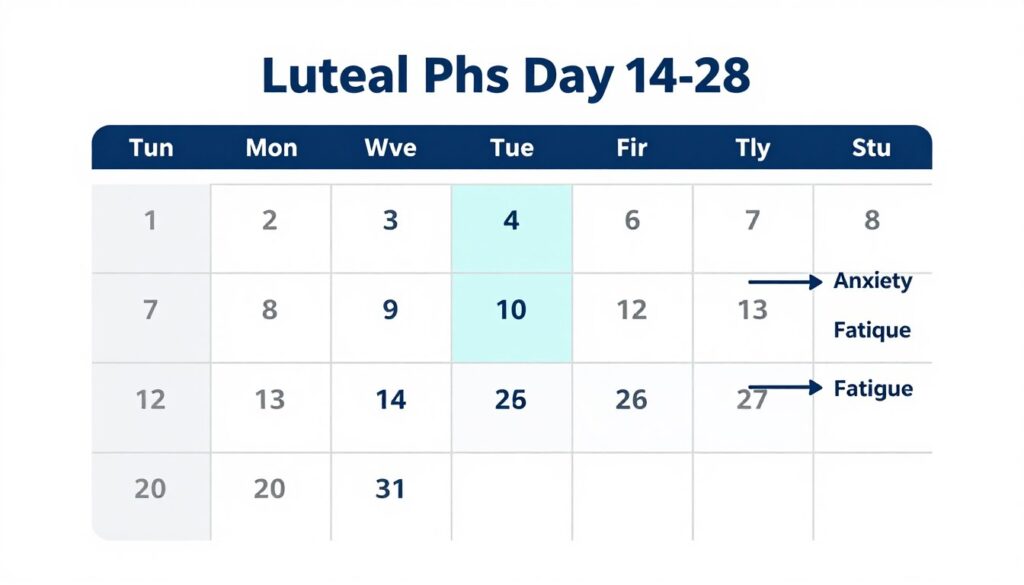
Premenstrual dysphoric disorder is a severe form of premenstrual syndrome. It affects approximately 3-8% of menstruating women. The condition causes intense emotional and physical symptoms during the luteal phase of the menstrual cycle.
PMDD differs significantly from regular PMS. The symptoms are more severe and disabling. They interfere with work, relationships, and daily activities.
Common PMDD Symptoms
The disorder manifests through various symptoms. Mood-related symptoms include severe depression, intense anxiety, and overwhelming irritability. Physical symptoms encompass breast tenderness, bloating, and joint pain.
Women with premenstrual dysphoric disorder often experience emotional changes that feel uncontrollable. These symptoms typically begin one to two weeks before menstruation. They usually improve within a few days after the period starts.
The Impact on Daily Life
PMDD significantly affects quality of life. Many women struggle to maintain normal routines during symptomatic weeks. Work performance may decline, and personal relationships often suffer.
The condition requires proper diagnosis from a healthcare provider. Tracking symptoms for at least two menstrual cycles helps confirm the diagnosis. This pattern documentation proves essential for effective treatment planning.
Important: PMDD is a recognized medical condition listed in the DSM-5. If you suspect you have PMDD, consult with a healthcare provider who specializes in women’s mental health for proper evaluation and treatment options.
Why Vitamin D Matters for Women's Mental Health
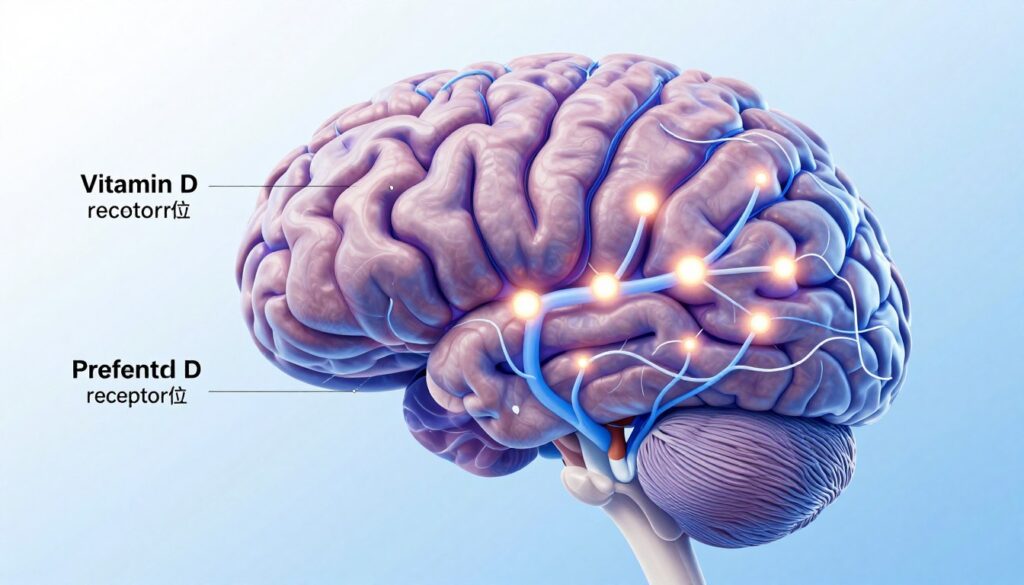
Vitamin D functions as more than just a nutrient for bone health. It acts as a neurosteroid hormone in the brain. This unique role makes it crucial for mental and emotional well-being.
The brain contains vitamin D receptors throughout its structure. These receptors influence how neurotransmitters work. Neurotransmitter synthesis depends partly on adequate vitamin D levels.
Vitamin D's Role in Brain Function
This essential vitamin participates in creating serotonin. Serotonin is the neurotransmitter that regulates mood and emotional balance. Low serotonin levels connect directly to depression and anxiety.
Research shows that vitamin D helps protect brain cells. It reduces inflammation in neural tissue. These anti-inflammatory properties may help stabilize mood fluctuations.
Gender Differences in Vitamin D Needs
Women face unique challenges regarding vitamin D status. Hormonal fluctuations affect how the body processes this nutrient. Estrogen and progesterone changes during the menstrual cycle influence vitamin D metabolism.
Studies indicate that women require careful attention to vitamin D levels. Deficiency appears more common in women than men. This disparity may relate to differences in body composition and hormonal regulation.
The connection between vitamin D and overall health extends beyond bones. Mental health, immune function, and cardiovascular health all depend on adequate levels. For women experiencing mood disorders, maintaining optimal vitamin D becomes particularly important.
The Relationship Between Vitamin D and PMDD
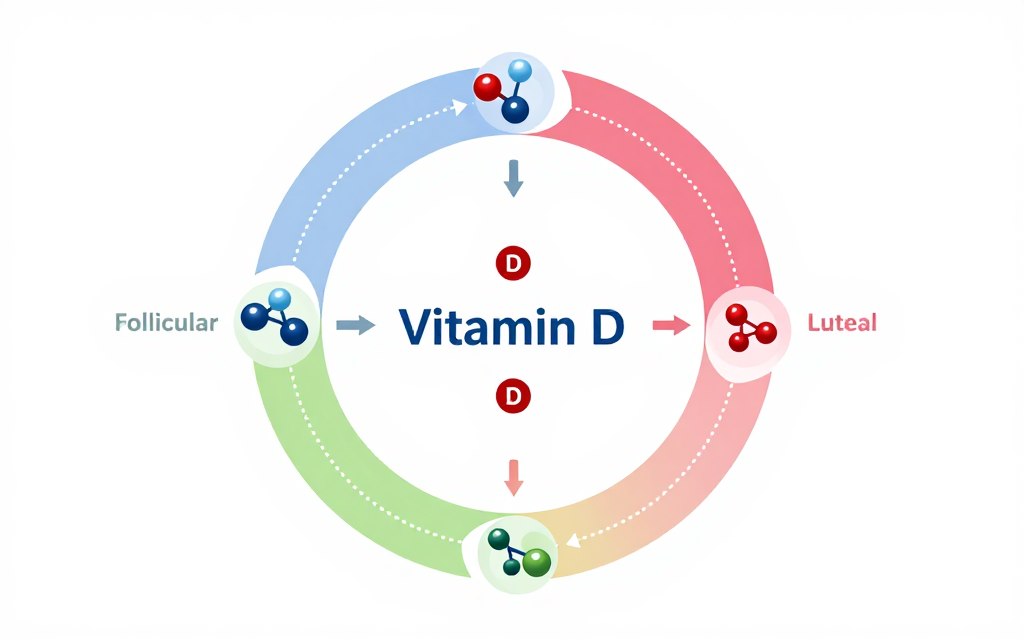
Scientists have discovered important connections between vitamin D status and PMDD symptoms. Women with low vitamin D levels often report more severe premenstrual symptoms. This relationship suggests that the vitamin plays a protective role in symptom management.
The mechanism involves multiple biological pathways. Vitamin D influences calcium regulation, which affects neurotransmitter release. It also modulates immune system responses that can trigger inflammation during the luteal phase.
How Vitamin D Influences PMDD Symptoms
During the luteal phase, hormonal changes create increased nutritional demands. The body requires more resources to maintain balance. Adequate vitamin D supports this delicate process.
Research published in Obstet Gynecol Sci demonstrates vitamin D’s impact on premenstrual symptoms. The studies show that women with sufficient levels experience less severe mood changes. Physical symptoms like fatigue and breast tenderness also decrease.
The Calcium-Vitamin D Connection
Vitamin D works synergistically with calcium for PMDD relief. This partnership proves particularly effective for managing symptoms. The review role vitamin calcium premenstrual syndrome published in Gynecol Sci 2020 confirms these benefits.
Calcium helps regulate neurotransmitter function and muscle contractions. Vitamin D enhances calcium absorption in the digestive system. Together, they create a more stable internal environment during hormonal fluctuations.
Research Insight: Multiple studies suggest that addressing vitamin D deficiency may reduce PMDD symptom severity by 30-50%. Consider exploring calcium supplements for PMDD as a complementary approach.
Scientific Evidence on Vitamin D for PMDD

The scientific literature provides substantial evidence supporting vitamin D supplementation for PMDD. A systematic review meta-analysis examined multiple clinical trials. The findings consistently demonstrate symptom improvement with adequate vitamin D intake.
One landmark study published in Obstet Gynecol Sci 2019 tracked women with premenstrual dysphoric disorder over six months. Participants who received vitamin D supplementation showed significant reductions in mood symptoms. The improvement appeared within eight to twelve weeks of consistent use.
Clinical Trial Results
Research comparing vitamin D supplementation to placebo reveals meaningful differences. Women taking vitamin D reported decreased irritability, less severe depression, and reduced anxiety. Physical symptoms also improved, though mood changes showed the most dramatic response.
A study in Gynecol Sci 2020 Mar examined the combined effects of vitamin D and calcium. The research demonstrated that this combination produced better outcomes than either supplement alone. Participants experienced comprehensive relief from both emotional and physical symptoms.
Mechanisms of Action
Scientists understand several ways vitamin D helps manage PMDD. The nutrient influences gene expression in brain cells. It modulates inflammatory pathways that can worsen premenstrual symptoms.
The vitamin also affects hormone receptor sensitivity. This action helps cells respond more appropriately to hormonal fluctuations. Better cellular communication leads to more stable mood and reduced physical discomfort.
Positive Research Findings
- Reduced mood swings in 65% of participants
- Decreased anxiety scores by 40%
- Improved sleep quality markers
- Lower inflammation biomarkers
- Better overall quality of life ratings
Study Limitations
- Most trials included small sample sizes
- Varying supplementation protocols
- Different baseline vitamin D levels
- Limited long-term follow-up data
- Need for more diverse populations
Despite some limitations, the research body continues growing. New studies confirm earlier findings while exploring optimal dosing strategies. The evidence suggests vitamin D deserves consideration as part of comprehensive PMDD management.
Explore Comprehensive PMDD Treatment Options
Vitamin D works best as part of a multi-modal treatment approach. Discover other evidence-based strategies that complement vitamin D supplementation for optimal symptom relief.
Vitamin D Deficiency and Mood Symptoms

Vitamin D deficiency affects millions of women worldwide. The condition often goes undiagnosed because symptoms develop gradually. Low levels create a cascade of effects throughout the body and brain.
Mood symptoms frequently signal inadequate vitamin D status. Depression, persistent sadness, and emotional numbness may indicate deficiency. These symptoms overlap significantly with PMDD manifestations, making identification challenging.
How Deficiency Affects Neurotransmitters
Insufficient vitamin D disrupts neurotransmitter synthesis in the brain. Serotonin production decreases when vitamin D levels drop. This reduction directly impacts mood regulation and emotional stability.
Dopamine pathways also suffer from vitamin D deficiency. Dopamine influences motivation, pleasure, and reward processing. Low levels contribute to anhedonia and reduced interest in previously enjoyable activities.
Physical Manifestations of Deficiency
Beyond mood changes, vitamin D deficiency causes physical symptoms. Chronic fatigue appears as a primary complaint. Women report feeling exhausted despite adequate sleep and rest.
Muscle weakness and bone pain often accompany low vitamin D. These physical symptoms can worsen during the luteal phase. The combination of physical and emotional symptoms creates significant disability.
Warning Signs of Severe Deficiency: Muscle cramps, bone pain, frequent infections, extreme fatigue, and cognitive difficulties may indicate severe vitamin D deficiency. Contact your healthcare provider for testing if you experience multiple symptoms.
Risk Factors for Deficiency
Certain factors increase deficiency risk. Limited sun exposure tops the list, especially for women living in northern climates. Darker skin pigmentation reduces vitamin D production from sunlight.
Dietary habits influence vitamin D status. Few foods naturally contain significant amounts. Obesity affects vitamin D metabolism, as the nutrient gets sequestered in fat tissue. Age-related changes in skin reduce production capacity.
Women with PMDD should pay particular attention to deficiency risk. Addressing low levels may significantly improve symptoms. Regular testing helps identify deficiency before severe symptoms develop.
Vitamin D and Anxiety
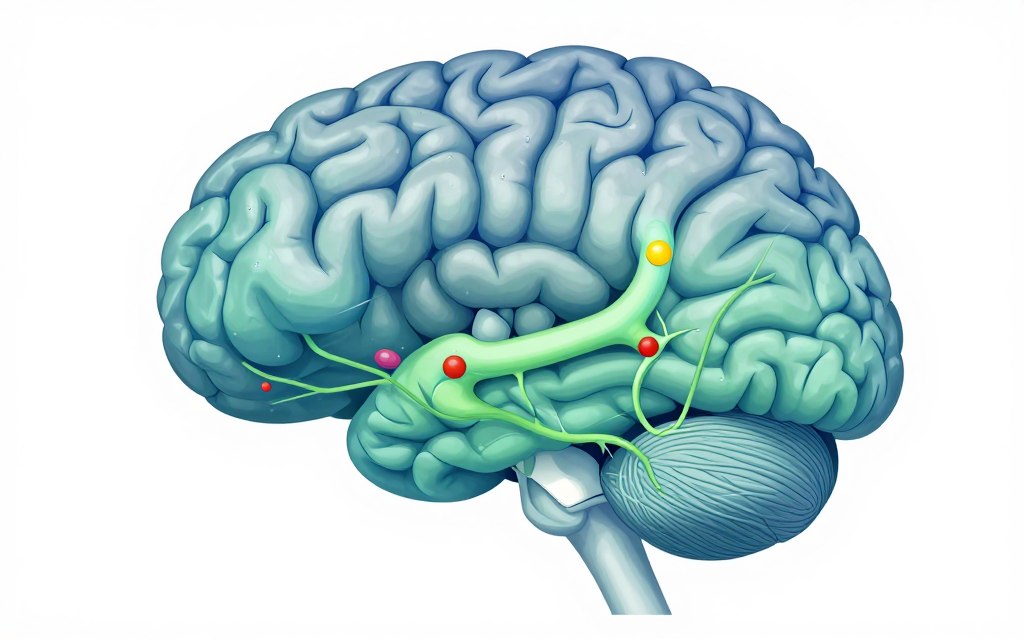
Anxiety represents one of the most distressing PMDD symptoms. The overwhelming worry and panic can disrupt entire days. Research shows that vitamin D plays a crucial role in anxiety regulation.
Studies demonstrate an inverse relationship between vitamin D levels and anxiety severity. Women with higher vitamin D concentrations report fewer anxiety symptoms. This connection appears particularly strong during the premenstrual period.
The Neuroscience Behind Vitamin D and Anxiety
Vitamin D influences the amygdala, the brain’s anxiety center. It modulates how this region responds to stress. Adequate levels help prevent overactivation of fear and worry circuits.
The vitamin also affects GABA neurotransmitter function. GABA creates calming effects in the nervous system. Vitamin D supports GABA synthesis and receptor sensitivity, promoting relaxation and reducing nervous tension.
Clinical Evidence for Anxiety Reduction
Research published in multiple journals confirms vitamin D’s anti-anxiety effects. One study found that supplementation reduced anxiety scores by 35% over three months. Women with PMDD showed particularly strong responses.
The benefits extend to panic symptoms and social anxiety. Women report feeling more confident and less overwhelmed during the luteal phase. Physical anxiety manifestations like rapid heartbeat and sweating also decrease.
Combining Approaches for Anxiety Management
Vitamin D works well alongside other anxiety treatments. Cognitive behavioral therapy remains effective for managing anxious thoughts. Physical exercise enhances vitamin D’s effects on mood and stress response.
Some women find that combining vitamin D with magnesium provides superior anxiety relief. The minerals work synergistically to calm the nervous system. Consider exploring magnesium supplementation as a complementary strategy.
Women taking vitamin D for anxiety typically notice improvements within 4-8 weeks. Consistency matters more than high doses. Maintain daily supplementation for best results.
Vitamin D and Depression

Depression during the luteal phase defines PMDD for many women. The hopelessness and despair feel overwhelming and uncontrollable. Understanding vitamin D’s role in depression offers hope for symptom management.
Multiple studies link low vitamin D levels to increased depression risk. The relationship appears bidirectional – depression may reduce vitamin D production, while deficiency worsens depressive symptoms. Breaking this cycle becomes essential for recovery.
How Vitamin D Affects Mood Regulation
Vitamin D influences serotonin pathways throughout the brain. It activates genes responsible for serotonin synthesis. Higher serotonin levels correlate with improved mood and reduced depression severity.
The vitamin also provides neuroprotective benefits. It reduces oxidative stress that damages brain cells. This protection helps maintain healthy neural circuits involved in emotion regulation.
Research on Vitamin D for Depression
A systematic review meta-analysis examined vitamin D supplementation for depression. The results showed significant improvements in depressive symptoms. Women with baseline deficiency experienced the most dramatic benefits.
Studies specifically targeting premenstrual depression demonstrate positive outcomes. Women taking vitamin D report fewer days of severe depression. The depth of depressive episodes also decreases with adequate supplementation.
Seasonal Depression and Vitamin D
Seasonal affective disorder shares similarities with PMDD. Both conditions involve cyclical mood disturbances. Winter months compound PMDD symptoms due to reduced sun exposure and lower vitamin D production.
Women living in northern latitudes face particular challenges. Limited sunlight during winter months prevents adequate vitamin D synthesis. Supplementation becomes especially important during these months to maintain stable mood.
Depression Treatment Note: Vitamin D supplementation should complement, not replace, evidence-based depression treatments. If you experience severe or persistent depression, consult your healthcare provider about comprehensive treatment options including therapy and medication when appropriate.
Vitamin D and Hormonal Regulation
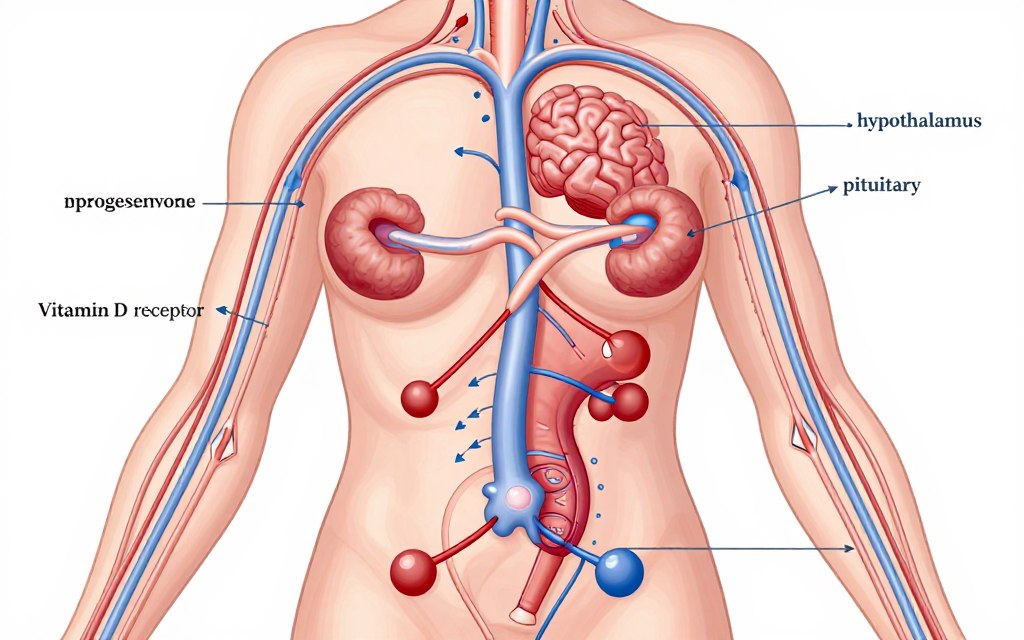
Hormonal balance proves critical for managing PMDD symptoms. Vitamin D participates in complex hormonal regulation throughout the body. Understanding these interactions explains why the vitamin helps reduce premenstrual symptoms.
The vitamin functions as a steroid hormone itself. It binds to receptors in reproductive tissues and influences gene expression. This action affects how cells respond to estrogen and progesterone fluctuations.
Vitamin D's Role in the Menstrual Cycle
Throughout the menstrual cycle, vitamin D levels naturally fluctuate. The luteal phase appears particularly sensitive to vitamin D status. Adequate levels during this phase help stabilize the dramatic hormonal changes that trigger PMDD symptoms.
Research shows vitamin D influences estrogen metabolism. It helps the body process and eliminate excess estrogen. This regulation prevents estrogen dominance, which can worsen mood symptoms and physical discomfort.
Effects on Progesterone Sensitivity
Progesterone sensitivity plays a key role in PMDD development. Some women’s brains react abnormally to normal progesterone levels. Vitamin D may modulate this sensitivity, reducing problematic responses.
The vitamin affects progesterone receptor function in brain tissue. It helps normalize receptor activity, allowing more appropriate cellular responses. This action may explain why vitamin D reduces mood symptoms triggered by progesterone fluctuations.
Inflammation and Hormonal Balance
Inflammation disrupts normal hormonal function. The luteal phase naturally involves some inflammatory activity. Excessive inflammation, however, worsens PMDD symptoms and creates hormonal imbalance.
Vitamin D provides anti-inflammatory properties throughout the body. It reduces pro-inflammatory cytokines that spike during the premenstrual period. This anti-inflammatory action helps maintain hormonal equilibrium and reduces symptom severity.
Hormonal Benefits of Vitamin D
- Supports estrogen metabolism
- Modulates progesterone sensitivity
- Reduces inflammatory responses
- Enhances receptor function
- Stabilizes hormonal fluctuations
- Supports thyroid health
Related Hormonal Therapies
- Calcium supplementation
- Omega-3 fatty acids
- B-vitamin complex
- Herbal adaptogens
- Mind-body practices
- Dietary modifications
Addressing hormonal regulation requires a comprehensive approach. Vitamin D forms one important part of this strategy. Consider exploring acupuncture for PMDD as another evidence-based option for hormonal balance.
Best Vitamin D Dosage for PMDD
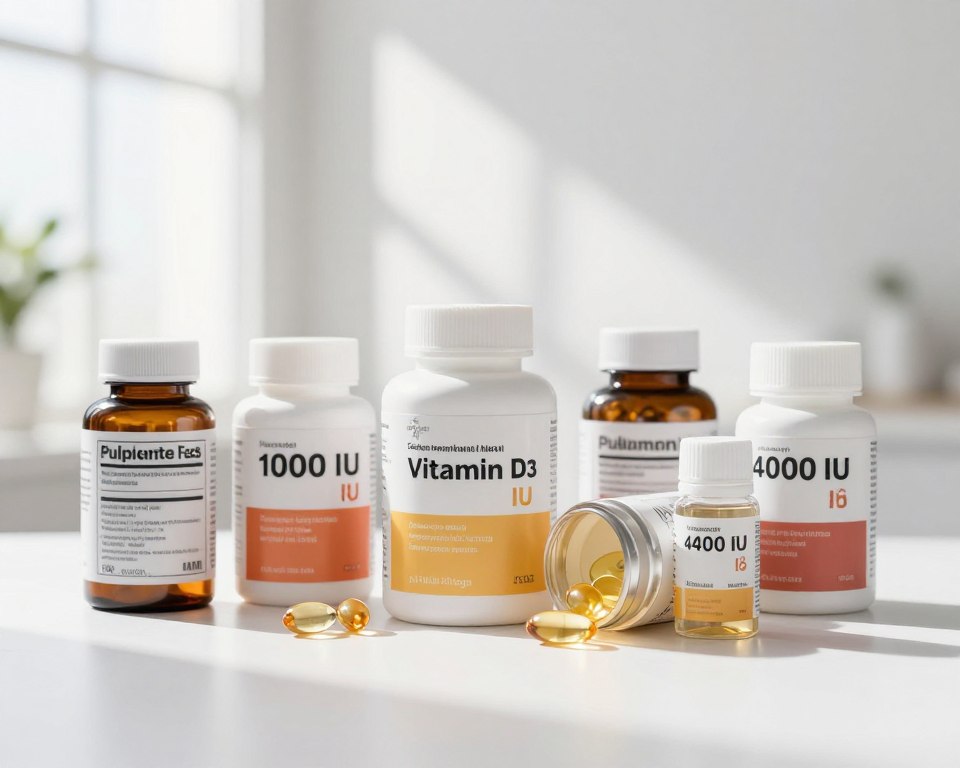
Determining the right vitamin D dosage requires individual assessment. Most research on PMDD uses doses between 1,000 and 4,000 IU daily. Your optimal dose depends on current vitamin D levels, body weight, and symptom severity.
Women with documented deficiency may need higher initial doses. Some healthcare providers prescribe 5,000-10,000 IU daily for several weeks to restore levels quickly. Maintenance doses typically range from 2,000-4,000 IU per day.
Starting Dose Recommendations
If you haven’t tested your vitamin D levels, starting with 2,000 IU daily provides reasonable safety and effectiveness. This dose suits most women and carries minimal risk of toxicity. Monitor your response over eight to twelve weeks.
Women with known deficiency should work with their healthcare provider. Testing allows precise dosing based on your specific needs. Correcting severe deficiency requires higher doses under medical supervision.
Factors Affecting Dosage Needs
Body weight influences vitamin D requirements. Heavier women typically need higher doses to achieve optimal blood levels. The vitamin distributes into fat tissue, requiring more total intake for therapeutic effects.
Geographic location affects dosing needs. Women in northern climates or those with limited sun exposure require higher supplemental doses. Skin pigmentation also matters – darker skin produces less vitamin D from sunlight.
Timing and Consistency
Take vitamin D with a meal containing fat. The fat-soluble vitamin absorbs best when consumed with dietary fats. Morning or midday dosing works well for most women.
Consistency matters more than specific timing. Daily supplementation maintains stable blood levels. Missing occasional doses won’t dramatically impact results, but regular intake produces better outcomes.
| Vitamin D Blood Level | Status | Suggested Daily Dose | Expected Timeline |
| Less than 20 ng/mL | Deficient | 5,000-10,000 IU (under medical supervision) | 8-12 weeks |
| 20-30 ng/mL | Insufficient | 2,000-4,000 IU | 6-10 weeks |
| 30-50 ng/mL | Adequate | 1,000-2,000 IU (maintenance) | Ongoing |
| 50-80 ng/mL | Optimal | 1,000-2,000 IU (maintenance) | Ongoing |
Dosage Safety Note: Do not exceed 4,000 IU daily without medical supervision and regular blood testing. Higher doses may be appropriate for deficiency correction but require healthcare provider oversight to prevent toxicity.
Vitamin D3 vs Vitamin D2
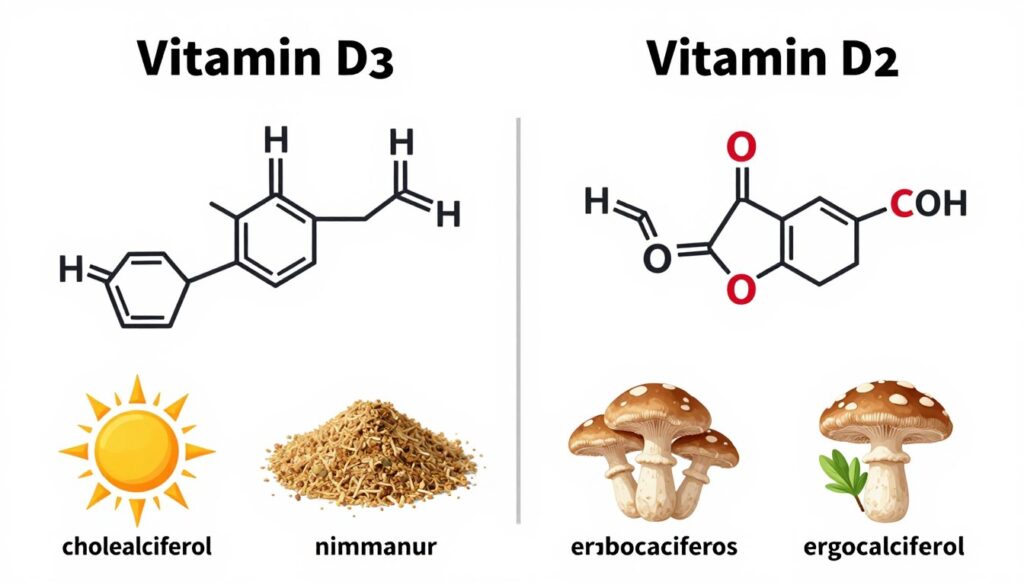
Two primary forms of vitamin D exist in supplements: vitamin D3 (cholecalciferol) and vitamin D2 (ergocalciferol). Understanding the differences helps you choose the most effective form for PMDD management.
Vitamin D3 comes from animal sources and is the same form your skin produces from sunlight. Vitamin D2 derives from plant sources and fungi. These structural differences affect how your body processes each form.
Effectiveness Comparison
Research consistently demonstrates that vitamin D3 raises blood levels more effectively than D2. Studies show D3 produces higher and more sustained increases in serum vitamin D. The difference becomes particularly important for correcting deficiency.
A study comparing equal doses of D2 and D3 found that D3 raised levels by approximately 70% more than D2. This superior potency means you need less vitamin D3 to achieve the same therapeutic effect.
Stability and Availability
Vitamin D3 demonstrates greater stability in the body. It binds more effectively to vitamin D binding proteins. This enhanced binding prolongs its activity and provides more consistent benefits.
D2 breaks down more quickly in the bloodstream. You would need more frequent dosing to maintain stable levels. D3 allows for convenient once-daily supplementation with better results.
Which Form Should You Choose?
For most women with PMDD, vitamin D3 represents the better choice. It provides superior effectiveness at raising and maintaining optimal levels. The form also costs less per effective dose in most cases.
Vegans and vegetarians face a dilemma since D3 traditionally comes from animal sources. Fortunately, vegan D3 derived from lichen now exists. This plant-based D3 offers the same benefits as animal-derived forms.
Vitamin D3 Advantages
- More effective at raising blood levels
- Longer-lasting effects
- Better stability in the body
- Natural form produced by skin
- Available in vegan options
Vitamin D2 Limitations
- Less effective at raising levels
- Shorter duration of action
- Requires higher doses
- Breaks down faster
- May need more frequent dosing
Vitamin D and Calcium for PMDD
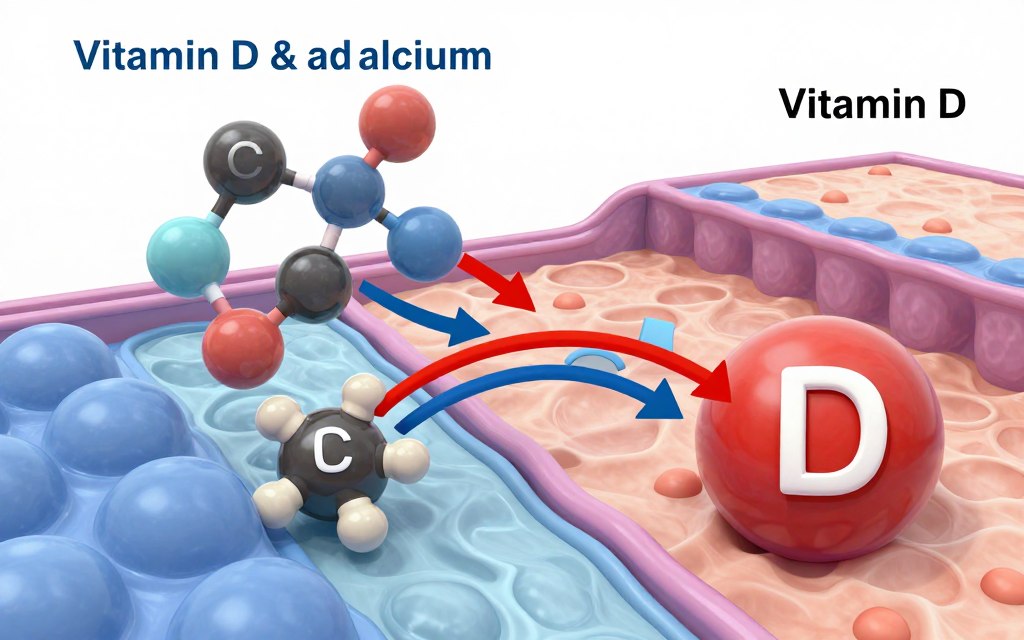
The combination of vitamin D and calcium provides enhanced benefits for PMDD management. These nutrients work synergistically, with each enhancing the other’s effectiveness. Research specifically examining this combination shows impressive results for premenstrual symptoms.
A landmark study published in Obstet Gynecol Sci examined calcium premenstrual syndrome treatment combined with vitamin D. Women receiving both nutrients experienced greater symptom reduction than those taking either supplement alone.
How Calcium and Vitamin D Work Together
Vitamin D dramatically increases calcium absorption from the digestive system. Without adequate vitamin D, your body absorbs only 10-15% of dietary calcium. With sufficient vitamin D, absorption increases to 30-40%.
Calcium plays essential roles in neurotransmitter release and muscle function. It helps regulate nerve transmission and maintains cellular communication. These functions directly impact mood stability and physical symptoms.
The Review Role Vitamin Calcium Research
The systematic review role vitamin calcium published in Gynecol Sci 2020 Mar analyzed multiple studies. Results showed that women taking 1,000-1,200 mg calcium with 400-800 IU vitamin D experienced significant symptom improvement.
Mood symptoms showed particularly strong responses. Depression scores decreased by 45-50% compared to placebo. Anxiety, irritability, and emotional lability also improved substantially with the combination therapy.
Optimal Calcium Dosing for PMDD
Research supports calcium doses between 1,000-1,500 mg daily for PMDD. Splitting the dose into two or three servings throughout the day enhances absorption. Take calcium with meals for best results.
Calcium carbonate provides the most elemental calcium per dose but requires stomach acid for absorption. Calcium citrate absorbs well without food and works better for women with low stomach acid. Both forms prove effective when taken consistently.
For comprehensive information about using calcium for PMDD, including dosing strategies and product recommendations, explore our detailed guide: Calcium Supplements for PMDD: What the Research Actually Shows.
Food Sources vs Supplements
While dietary calcium comes from dairy products, leafy greens, and fortified foods, reaching therapeutic doses through diet alone proves challenging. Most women with PMDD benefit from supplementation to achieve research-supported doses.
Combining food sources with supplements provides the best approach. Eat calcium-rich foods while supplementing to reach target intake. This strategy ensures adequate calcium while providing additional nutrients from whole foods.
How to Test Vitamin D Levels
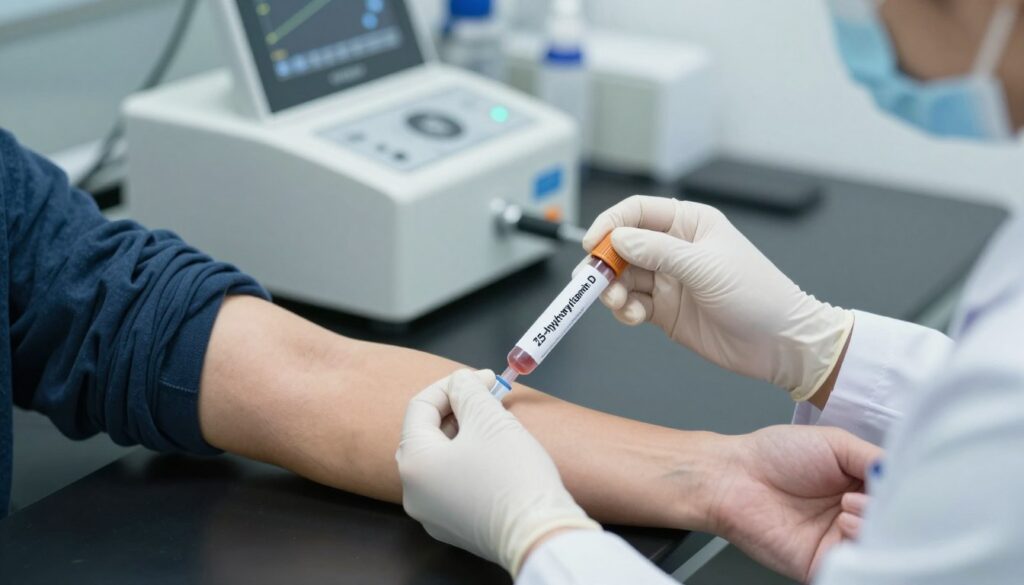
Testing your vitamin D levels provides crucial information for optimal supplementation. The 25-hydroxyvitamin D blood test measures your vitamin D status accurately. This test reveals whether you have deficiency, insufficiency, or adequate levels.
Most healthcare providers recommend testing before starting supplementation. Baseline measurements help determine appropriate dosing. Follow-up tests after three months of supplementation verify that your regimen achieves target levels.
Types of Vitamin D Tests
The 25-hydroxyvitamin D test represents the gold standard for assessing vitamin D status. This test measures the storage form of vitamin D in your blood. It reflects both dietary intake and skin production.
Avoid the 1,25-dihydroxyvitamin D test for routine screening. This test measures the active hormone form but doesn’t accurately reflect total body stores. Healthcare providers reserve it for specific medical conditions.
When to Get Tested
Consider testing if you experience PMDD symptoms or risk factors for deficiency. Women with limited sun exposure, darker skin, obesity, or chronic health conditions should prioritize testing. Geographic location in northern latitudes also warrants evaluation.
Test annually if you take vitamin D supplements. This monitoring ensures you maintain optimal levels without risking toxicity. Test more frequently if adjusting doses or addressing severe deficiency.
Where to Get Tested
Your healthcare provider can order vitamin D testing through standard medical laboratories. Many health insurance plans cover this test when medically indicated. Out-of-pocket costs typically range from $50-$100 without insurance.
At-home vitamin D testing kits now offer convenient alternatives. These mail-in tests provide accurate results comparable to laboratory testing. Companies like EverlyWell and LetsGetChecked offer FDA-approved options.
Interpreting Your Results
| Blood Level (ng/mL) | Status | Health Implications | Recommended Action |
| Less than 12 | Severe Deficiency | Significant health risks, severe symptoms | Immediate medical attention, high-dose supplementation |
| 12-20 | Deficiency | Increased risk of bone problems, mood disorders | Begin supplementation 5,000-10,000 IU daily |
| 20-30 | Insufficiency | Suboptimal for overall health | Supplement 2,000-4,000 IU daily |
| 30-50 | Adequate | Sufficient for bone health | Maintain with 1,000-2,000 IU daily |
| 50-80 | Optimal | Best for overall health and PMDD management | Continue current regimen |
| Above 100 | Possible Toxicity | Risk of hypercalcemia and organ damage | Stop supplementation, consult healthcare provider |
Testing Tip: Schedule your vitamin D test for late winter or early spring when levels typically reach their lowest point. This timing identifies deficiency most accurately and allows for appropriate supplementation throughout the year.
Risks, Side Effects, and Safety Considerations

Vitamin D supplementation proves remarkably safe for most women when taken at recommended doses. Serious side effects remain extremely rare. Understanding potential risks helps you supplement safely and confidently.
The body tightly regulates vitamin D from sun exposure, preventing toxicity through this natural route. Toxicity occurs only through excessive supplementation over extended periods. Doses below 10,000 IU daily rarely cause problems in healthy adults.
Common Side Effects
Most women tolerate vitamin D supplementation without any adverse effects. When side effects occur, they typically remain mild and temporary. Digestive upset represents the most common complaint, usually resolving within a few days.
Some women report mild headaches when starting supplementation. This effect usually diminishes as the body adjusts. Taking vitamin D with food often prevents or reduces digestive discomfort.
Vitamin D Toxicity
Vitamin D toxicity, called hypervitaminosis D, requires prolonged intake of very high doses. Toxicity symptoms include nausea, vomiting, weakness, and frequent urination. The condition results from excessive calcium buildup in the blood.
Toxicity typically occurs only with doses exceeding 10,000 IU daily for months. The tolerable upper intake level is set at 4,000 IU daily for most adults. Staying within this limit provides excellent safety margins.
Drug Interactions
Vitamin D interacts with several medications. Corticosteroids reduce calcium absorption and may increase vitamin D requirements. Weight loss drugs that block fat absorption also impair vitamin D absorption.
Some cholesterol medications interfere with vitamin D metabolism. Certain seizure medications accelerate vitamin D breakdown. Inform your healthcare provider about all medications before starting supplementation.
Medical Conditions Requiring Caution: Women with hyperparathyroidism, sarcoidosis, tuberculosis, kidney disease, or lymphoma should consult their healthcare provider before supplementing with vitamin D. These conditions can affect vitamin D metabolism and increase toxicity risk.
Safety During Pregnancy and Breastfeeding
Vitamin D remains important during pregnancy and lactation. Adequate levels support fetal development and maternal health. Most prenatal vitamins contain 400-800 IU, often insufficient for optimal levels.
Pregnant women can safely take up to 4,000 IU daily according to current research. Some studies suggest higher doses benefit both mother and baby. Always discuss supplementation with your healthcare provider during pregnancy.
Signs You Should Stop Supplementation
Discontinue vitamin D and contact your healthcare provider if you experience persistent nausea, excessive thirst, frequent urination, or confusion. These symptoms may indicate calcium levels rising too high.
Kidney stones, bone pain, or irregular heartbeat also warrant immediate medical attention. While rare with standard supplementation, these symptoms require professional evaluation.
Safety Guidelines
- Stay within recommended dose ranges
- Test levels before high-dose therapy
- Take with meals containing fat
- Monitor for adverse effects
- Inform healthcare providers about use
- Retest levels after 3 months
When to Seek Medical Advice
- Existing kidney or liver conditions
- History of kidney stones
- Taking multiple supplements
- Pregnancy or breastfeeding
- Chronic health conditions
- Prescription medication use
Frequently Asked Questions (FAQ)
How long does it take for vitamin D to help PMDD symptoms?
Most women notice improvements within 8-12 weeks of consistent supplementation. Mood symptoms like depression and anxiety typically respond first. Physical symptoms may take slightly longer to improve.
The timeline depends on your baseline vitamin D levels. Women with severe deficiency may need 12-16 weeks to experience full benefits. Consistency matters more than high doses for achieving results.
Can I get enough vitamin D from sunlight alone?
Sunlight exposure can provide adequate vitamin D during summer months for some women. However, many factors limit sun-based production: geographic location, season, skin pigmentation, sunscreen use, and time spent indoors.
Women living above 37 degrees latitude (north of Los Angeles or Atlanta) cannot produce sufficient vitamin D from sun exposure during winter months. Most women with PMDD benefit from year-round supplementation to maintain optimal levels.
Should I take vitamin D every day or just during the luteal phase?
Daily vitamin D supplementation works best for PMDD management. The vitamin needs consistent intake to maintain stable blood levels. Taking it only during the luteal phase prevents optimal therapeutic effects.
Vitamin D takes weeks to raise blood levels significantly. Daily supplementation throughout the month ensures your body maintains adequate stores when the luteal phase begins. This approach provides better symptom control than intermittent dosing.
Can vitamin D replace my PMDD medications?
Vitamin D should not replace prescribed PMDD medications without consulting your healthcare provider. The supplement works well as complementary therapy alongside other treatments. Some women eventually reduce medication doses under medical supervision as symptoms improve.
For mild PMDD, vitamin D combined with lifestyle changes may provide sufficient relief. Severe cases typically require prescription medications in addition to nutritional support. Always work with your healthcare provider when modifying treatment plans.
What’s the best time of day to take vitamin D?
Take vitamin D with your largest meal of the day for optimal absorption. The fat-soluble vitamin requires dietary fat for proper uptake. Morning or midday dosing works well for most women.
Some women find that taking vitamin D in the evening disrupts sleep. If you notice sleep changes, switch to morning dosing. The most important factor is consistency – choose a time you’ll remember daily.
Can I combine vitamin D with other supplements for PMDD?
Yes, vitamin D combines safely and effectively with other PMDD supplements. Calcium enhances vitamin D’s benefits, as discussed earlier. Magnesium and vitamin D work synergistically for mood and muscle symptoms.
Consider combining vitamin D with magnesium and omega-3 fatty acids for comprehensive nutritional support. These combinations often produce better results than single supplements alone.
Will vitamin D help with PMDD-related insomnia?
Research suggests vitamin D may improve sleep quality in women with PMDD. The vitamin influences melatonin production and circadian rhythm regulation. Many women report better sleep after correcting vitamin D deficiency.
Sleep improvements typically occur alongside mood symptom reduction. The benefits may take 6-8 weeks to become noticeable. Combine vitamin D with good sleep hygiene practices for best results.
Is vitamin D safe for teenagers with PMDD?
Vitamin D supplementation is safe for teenagers when taken at appropriate doses. Adolescents can typically take 600-2,000 IU daily safely. Higher doses for deficiency correction require healthcare provider supervision.
Testing vitamin D levels before supplementation helps ensure safe and effective dosing for teenagers. Adolescent girls often have low vitamin D status, making supplementation particularly beneficial for PMDD symptoms.
Does vitamin D help with PMDD weight gain?
Vitamin D may help reduce premenstrual water retention and bloating. While it doesn’t directly cause weight loss, adequate levels support metabolism and may reduce inflammation that contributes to fluid retention.
Some research links vitamin D deficiency to weight gain and difficulty losing weight. Optimizing levels as part of comprehensive PMDD management may help with weight concerns, especially when combined with balanced nutrition and regular exercise.
What foods are high in vitamin D?
Few foods naturally contain significant vitamin D. Fatty fish like salmon, mackerel, and sardines provide the best dietary sources. One serving of salmon contains approximately 400-800 IU. Egg yolks offer smaller amounts, around 40 IU per yolk.
Fortified foods include milk, orange juice, and cereals. These typically provide 100-150 IU per serving. While dietary sources contribute to overall intake, most women need supplementation to achieve therapeutic doses for PMDD management.
Final Thoughts

Vitamin D for PMDD represents a promising, evidence-based approach to symptom management. The research demonstrates clear benefits for mood symptoms, anxiety, depression, and overall quality of life. This affordable and accessible nutrient deserves consideration in your PMDD treatment plan.
Remember that vitamin D works best as part of comprehensive PMDD management. Combine supplementation with other evidence-based approaches like calcium, magnesium, and omega-3 fatty acids. Some women also benefit from acupuncture and other complementary therapies.
Testing your vitamin D levels provides the foundation for effective supplementation. Work with your healthcare provider to determine appropriate dosing based on your individual needs. Monitor your response and adjust as necessary to achieve optimal results.
Most importantly, be patient with the process. Vitamin D takes time to build up in your system and produce noticeable benefits. Consistency matters more than high doses. Give yourself at least three months of regular supplementation before evaluating effectiveness.
Living with PMDD presents significant challenges, but effective management strategies exist. Vitamin D offers one valuable tool in your symptom management toolkit. Combined with professional medical care and lifestyle modifications, it can help you reclaim control over your monthly cycle and improve your overall quality of life.
Comprehensive PMDD Care Approach
Managing premenstrual dysphoric disorder requires a holistic, evidence-based strategy. While vitamin D provides significant benefits, combining multiple approaches often produces the best outcomes. Explore additional research-backed treatments to create your personalized PMDD management plan.

Reviewed by Dr. Helloyze Ferreira Ancelmo
CRM-GO 31293
Dr. Helloyze Ferreira Ancelmo is a physician dedicated to mental health who offers care that transcends traditional medicine. Her practice focuses on deep clinical listening, responsible medical evaluation, and genuine acceptance of each individual’s story.
With specialized training in women’s mental health and hormonal conditions, Dr. Ancelmo brings a compassionate, evidence-based approach to treating premenstrual dysphoric disorder and related conditions. Her philosophy emphasizes the whole person, recognizing that effective treatment addresses physical, emotional, and social aspects of health.
Dr. Ancelmo practices in Brazil, where she has helped hundreds of women navigate complex mental health challenges with dignity and comprehensive care.