







Blog

Omega-3 for PMDD: Comprehensive Evidence-Based Guide for Women

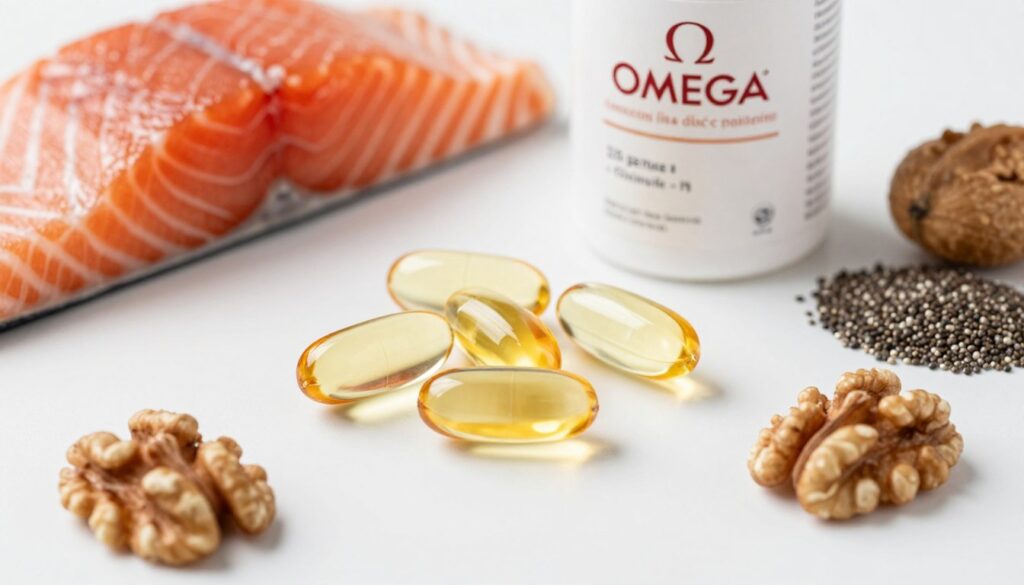
omega-3 supplements and fish oil capsules with natural sources

Living with premenstrual dysphoric disorder means navigating intense mood shifts that disrupt your life every month. While conventional medications help many women, researchers have been exploring whether omega-3 fatty acids might offer relief from PMDD symptoms. This guide examines the scientific evidence behind omega-3 for PMDD and what it means for your treatment options.

Quick Answer

Research suggests omega-3 fatty acids may help reduce some PMDD symptoms, particularly mood-related issues like depression and anxiety. Studies show that EPA-rich supplements at doses of 1000-2000 mg daily might provide modest benefits. However, omega-3 should not replace standard PMDD treatment. Always consult your healthcare provider before starting any supplement regimen, especially if you take medications or have bleeding disorders.

Key Takeaways

  • Omega-3 fatty acids show promise for managing mood symptoms in PMDD, though evidence is still emerging
  • EPA appears more effective than DHA for mood regulation and reducing inflammation associated with PMDD
  • Clinical studies suggest 1000-2000 mg daily of EPA-rich omega-3 may help reduce symptom severity
  • Omega-3 supplementation works best as part of comprehensive PMDD treatment, not as a standalone solution
  • Fish oil and algae-based omega-3 both offer benefits, with algae providing a vegan alternative
  • Side effects are generally mild but can include digestive issues and increased bleeding risk
  • Consultation with healthcare providers is essential before starting omega-3 supplements for PMDD

What is PMDD?

woman experiencing PMDD symptoms looking distressed

Premenstrual dysphoric disorder is a severe form of premenstrual syndrome that affects approximately three to eight percent of women during their reproductive years. Unlike regular PMS, PMDD causes intense emotional and physical symptoms that can significantly interfere with work, relationships, and daily activities.

Distinguishing PMDD from PMS

While premenstrual syndrome causes mild to moderate discomfort, PMDD symptoms are markedly more severe. Women with this disorder experience profound mood swings, irritability, and depression during the luteal phase of their menstrual cycle. These symptoms typically begin one to two weeks before menstruation and resolve within a few days after bleeding starts.

Common PMDD Symptoms

The disorder manifests through both emotional and physical symptoms. Mood-related symptoms include severe depression, anxiety, emotional sensitivity, and feelings of hopelessness. Physical manifestations include breast tenderness, bloating, fatigue, and changes in appetite. The severity of these symptoms distinguishes PMDD from typical premenstrual syndrome.

Emotional Symptoms

Mood disturbances represent the hallmark of PMDD and significantly impact quality of life.

  • Severe mood swings and emotional instability
  • Intense irritability and anger
  • Persistent sadness or hopelessness
  • Overwhelming anxiety and tension

Physical Symptoms

Physical manifestations accompany the emotional challenges and compound daily difficulties.

  • Significant fatigue and low energy
  • Changes in sleep patterns
  • Breast tenderness and swelling
  • Appetite changes and food cravings

Cognitive Effects

Mental clarity and focus often decline during symptomatic periods.

  • Difficulty concentrating on tasks
  • Memory problems and brain fog
  • Reduced interest in usual activities
  • Feeling overwhelmed easily

Social Impact

Relationships and daily functioning suffer during PMDD episodes.

  • Conflicts in personal relationships
  • Reduced work productivity
  • Social withdrawal and isolation
  • Decreased quality of life

Why Omega-3 Is Being Studied for PMDD

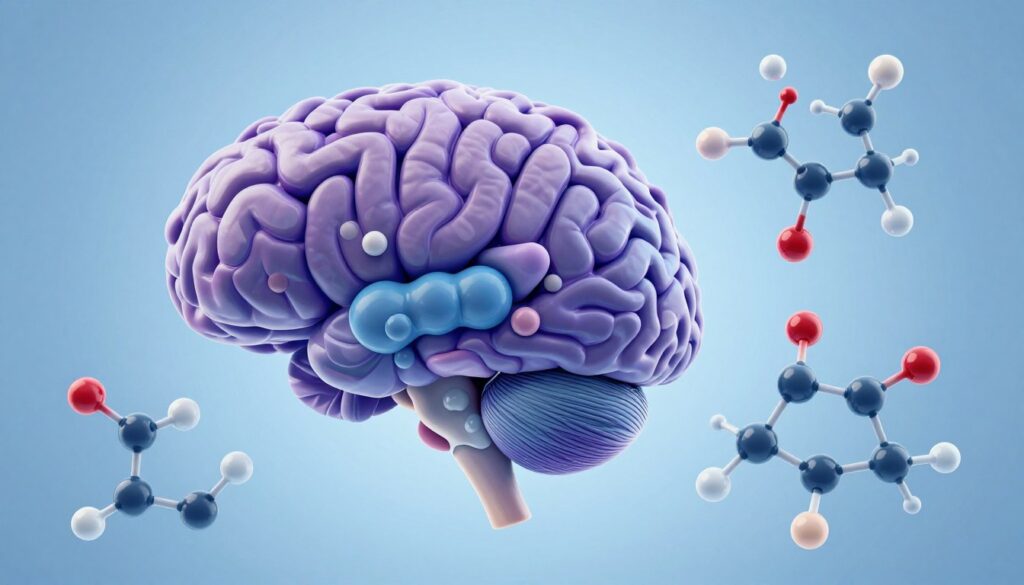
scientific research on omega-3 for PMDD brain health

Scientists have turned their attention to omega-3 fatty acids as a potential PMDD treatment because of their well-documented effects on brain function and inflammation. These essential fatty acids play crucial roles in maintaining cell membrane integrity and supporting neurotransmitter function throughout the brain.

Omega-3 and Brain Chemistry

The brain contains high concentrations of fatty acids, particularly in neuronal membranes. Omega-3 fatty acids influence neurotransmitter systems including serotonin and dopamine, which regulate mood and emotional responses. Research indicates that women with PMDD may have altered neurotransmitter function during the luteal phase of their cycle.

Anti-Inflammatory Properties

Inflammation appears to play a role in PMDD symptom development. Omega-3 fatty acids produce anti-inflammatory compounds that may help counteract inflammatory processes. This anti-inflammatory action could potentially reduce the severity of both physical and emotional PMDD symptoms.

Studies examining nutritional approaches to managing PMDD have explored various supplements beyond omega-3. Women interested in comprehensive supplement strategies may also want to learn about magnesium for PMDD, which has its own body of supporting research.

Scientific Evidence on Omega-3 for PMDD

clinical research studies on omega-3 for PMDD treatment

The research on omega-3 for PMDD remains limited but shows encouraging results. Several clinical trials have examined how omega-3 fatty acids affect PMDD symptoms, with most studies focusing on mood-related improvements rather than physical symptoms.

Key Clinical Studies

A notable study published in reproductive health journals found that women taking omega-3 supplements experienced modest reductions in depression and anxiety symptoms compared to placebo groups. The trial involved participants taking 1000-2000 mg of EPA-dominant omega-3 daily for two to three menstrual cycles.

Limitations of Current Research

Most studies on omega-3 for PMDD have small sample sizes, typically involving fewer than 100 participants. Research methodologies vary considerably, making direct comparisons difficult. Additionally, many studies focus on general premenstrual syndrome rather than specifically diagnosing PMDD patients according to strict diagnostic criteria.

Research Note: While preliminary evidence suggests benefits, omega-3 supplements should complement rather than replace conventional PMDD treatments. The current evidence base does not support using omega-3 as a first-line treatment for severe PMDD symptoms.

Comparison with Other Treatments

Compared to established PMDD medications like selective serotonin reuptake inhibitors, omega-3 supplements show more modest effects. However, they may offer advantages in terms of side effect profiles and can potentially enhance the effectiveness of other treatments when used together.

Exploring Comprehensive PMDD Treatment Options

Omega-3 represents just one approach to managing PMDD symptoms. Evidence supports several nutritional interventions that may work together to reduce symptom severity.

EPA vs DHA for PMDD

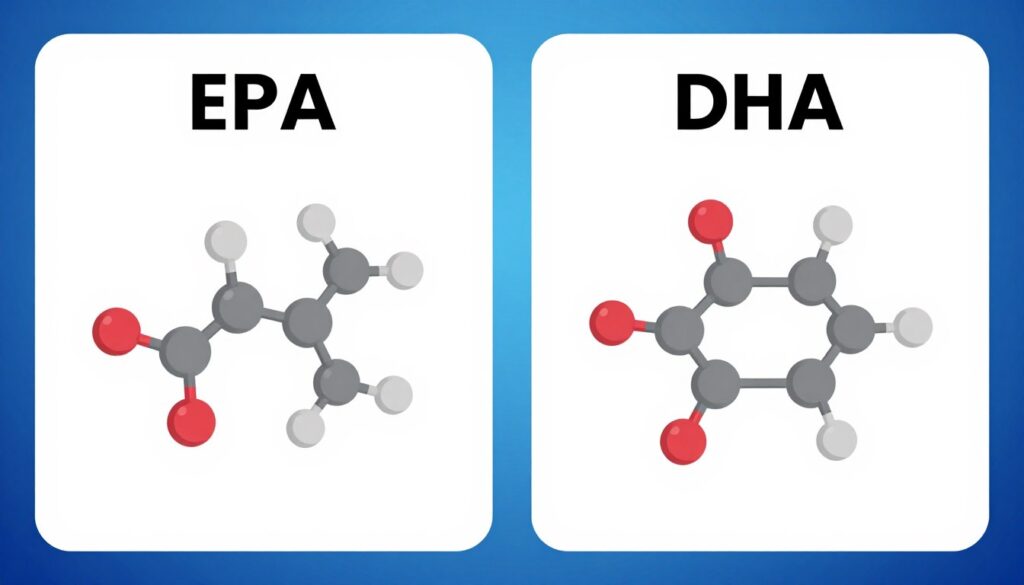
EPA and DHA omega-3 fatty acids comparison

Omega-3 supplements contain two primary types of fatty acids: eicosapentaenoic acid and docosahexaenoic acid. Understanding the differences between these compounds helps in selecting the most appropriate supplement for PMDD symptoms.

EPA: The Mood-Focused Omega-3

Eicosapentaenoic acid demonstrates stronger effects on mood regulation compared to DHA. Research on depression and anxiety disorders consistently shows that EPA-dominant formulations produce better outcomes for emotional symptoms. This pattern appears to extend to PMDD as well, though specific research remains limited.

DHA: The Structural Omega-3

Docosahexaenoic acid primarily supports brain structure and development rather than acute mood regulation. While DHA remains important for overall brain health, studies suggest it may be less effective than EPA for managing mood swings and emotional symptoms characteristic of PMDD.

CharacteristicEPADHA
Primary FunctionMood regulation and anti-inflammationBrain structure and development
Effect on DepressionStrong evidence for symptom reductionModerate evidence, less consistent
Effect on AnxietyPromising results in studiesLimited specific evidence
Inflammation ReductionPotent anti-inflammatory effectsModerate anti-inflammatory action
Recommended for PMDDYes, as primary componentYes, but in lower proportion

Optimal EPA to DHA Ratios

For mood-related conditions including PMDD, supplements with higher EPA content relative to DHA appear most beneficial. Many clinicians recommend formulations with EPA to DHA ratios of 2:1 or 3:1. Some studies use EPA-only supplements, though combination products remain more widely available.

Omega-3 and Mood Symptoms

woman feeling better mood improvement omega-3

Mood swings represent one of the most disruptive aspects of PMDD. Women describe sudden shifts from normal emotional states to profound sadness, anger, or emotional sensitivity. These changes can strain relationships and interfere with daily functioning.

How Omega-3 May Stabilize Mood

Omega-3 fatty acids influence mood through multiple mechanisms. They support neurotransmitter function, reduce inflammation in brain tissue, and help maintain healthy cell membrane fluidity. These effects may help dampen the extreme emotional fluctuations that characterize PMDD.

Research Findings on Mood Stabilization

Clinical trials examining omega-3 for mood disorders have documented reductions in emotional volatility. While most research focuses on major depression rather than PMDD specifically, the mechanisms likely overlap. Women in studies often report feeling more emotionally balanced and less reactive to stressors.

Irritability and Anger Management

Irritability affects many women with PMDD, sometimes manifesting as intense anger disproportionate to triggering events. Early evidence suggests omega-3 supplementation may reduce irritability levels, though more research specifically targeting this symptom is needed. The anti-inflammatory properties of omega-3 may play a role in moderating these intense emotional responses.

Omega-3 and Anxiety

calm woman practicing anxiety relief techniques

Anxiety symptoms in PMDD can range from mild nervousness to overwhelming panic. Women describe feeling on edge, experiencing racing thoughts, and struggling with persistent worry during the luteal phase of their cycles.

Omega-3's Anxiolytic Properties

Research on omega-3 for anxiety disorders shows moderate benefits. A meta-analysis of clinical trials found that omega-3 supplementation reduced anxiety symptoms, particularly in individuals with diagnosed anxiety disorders. The effects appear related to omega-3’s influence on stress response systems in the brain.

Mechanism of Anxiety Reduction

Omega-3 fatty acids may reduce anxiety through their effects on the hypothalamic-pituitary-adrenal axis, which governs stress responses. They also influence levels of inflammatory markers that can contribute to anxiety symptoms. Additionally, omega-3 supports healthy neurotransmitter function, including systems that regulate feelings of calm and well-being.

Omega-3 and Depression

woman experiencing relief from depressive symptoms

Depressive symptoms in PMDD can be severe enough to significantly impair functioning. Women report feeling hopeless, experiencing profound sadness, and losing interest in activities they normally enjoy. These symptoms typically emerge in the week or two before menstruation.

Evidence for Depression Treatment

The strongest evidence for omega-3 supplementation exists in treating depression. Multiple meta-analyses confirm that omega-3 fatty acids, particularly EPA, can reduce depressive symptoms when used as adjunctive treatment alongside standard medications. Effects appear most pronounced in individuals with moderate to severe depression.

Serotonin System Support

Omega-3 fatty acids support serotonin function through multiple pathways. They increase serotonin receptor sensitivity, enhance neurotransmitter release, and reduce breakdown of serotonin in the brain. Since serotonin dysregulation contributes to PMDD, these effects may help alleviate depressive symptoms.

Timeline for Symptom Improvement

Depression improvement with omega-3 supplementation typically requires consistent use over several weeks to months. Most studies show measurable benefits after four to eight weeks of daily supplementation. For PMDD specifically, tracking symptoms across at least two to three menstrual cycles helps determine effectiveness.

Omega-3 and Inflammation

anti-inflammatory omega-3 effects illustration

Inflammation plays an increasingly recognized role in PMDD development. Research shows that women with PMDD often have elevated inflammatory markers during the luteal phase, which may contribute to both physical and emotional symptoms.

Anti-Inflammatory Mechanisms

Omega-3 fatty acids reduce inflammation through several pathways. They compete with omega-6 fatty acids for enzymatic conversion, producing less inflammatory compounds. EPA and DHA also generate specialized pro-resolving mediators that actively resolve inflammatory processes rather than simply suppressing them.

Inflammation and Mood Connection

The link between inflammation and mood disorders has strengthened in recent years. Inflammatory cytokines can affect neurotransmitter metabolism, reduce neuroplasticity, and alter brain function in ways that promote depression and anxiety. By reducing systemic inflammation, omega-3 supplements may indirectly improve mood symptoms.

Reducing Physical Symptoms

Inflammation contributes to physical PMDD symptoms like breast tenderness, bloating, and pain. The anti-inflammatory effects of omega-3 may help alleviate these physical manifestations, though research specifically examining this connection in PMDD remains limited.

Women exploring complementary approaches to PMDD management may also be interested in acupuncture for PMDD, which similarly aims to reduce inflammation and balance physiological systems.

Best Omega-3 Dosage for PMDD

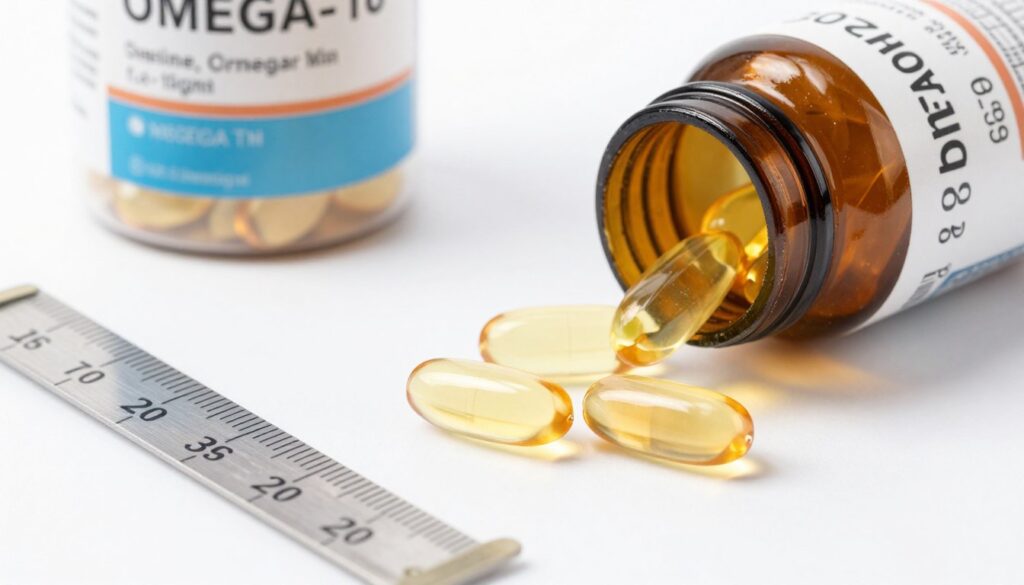
omega-3 supplement dosage measurement

Determining the optimal omega-3 dosage for PMDD requires balancing effectiveness with safety. Most research uses doses ranging from 1000 to 2000 mg of combined EPA and DHA daily, with emphasis on higher EPA content.

Research-Based Dosage Recommendations

Clinical trials examining omega-3 for mood disorders typically use 1000-2000 mg of EPA daily. Some studies employ even higher doses, up to 3000-4000 mg, though these amounts should only be taken under medical supervision. For PMDD specifically, starting with 1000-1500 mg of EPA-dominant omega-3 daily represents a reasonable approach based on available evidence.

Timing and Consistency

Omega-3 supplements work best when taken consistently rather than only during symptomatic phases. Daily supplementation throughout the entire menstrual cycle maintains steady levels of fatty acids in cell membranes and supports ongoing anti-inflammatory effects. Taking supplements with meals, particularly those containing some fat, enhances absorption.

Dosage LevelDaily EPA AmountApplicationMedical Supervision
Low Dose500-1000 mgGeneral wellness, mild symptomsGenerally not required
Moderate Dose1000-2000 mgModerate PMDD symptomsRecommended
High Dose2000-3000 mgSevere symptoms, treatment resistanceRequired
Very High DoseAbove 3000 mgResearch settings onlyEssential

Adjusting Dosage Based on Response

Starting with a moderate dose and tracking symptom changes across several cycles helps determine individual effectiveness. Some women may benefit from higher doses, while others find adequate relief at lower amounts. Working with a healthcare provider allows for safe dose adjustments based on response and tolerability.

Discuss Omega-3 Dosing with Your Healthcare Provider

Determining the right omega-3 dosage for your specific situation requires professional guidance. Your healthcare provider can consider your individual health status, current medications, and PMDD severity to recommend an appropriate starting dose.

Fish Oil vs Algae Omega-3

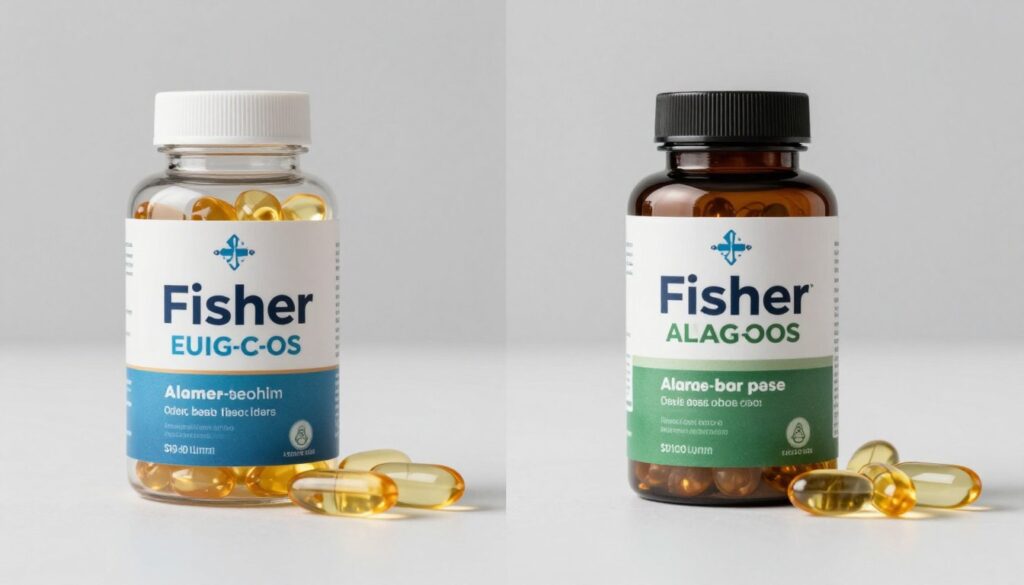
fish oil and algae omega-3 supplements comparison

Omega-3 supplements come from two primary sources: fish oil and algae. Each option offers distinct advantages and considerations for women managing PMDD symptoms.

Fish Oil Supplements

Fish oil remains the most common and well-researched omega-3 source. It typically contains both EPA and DHA in varying ratios depending on the fish species used. Fish oil supplements are widely available, relatively affordable, and supported by extensive clinical research.

Algae-Based Omega-3

Algae oil provides a plant-based alternative that appeals to vegetarians and vegans. Certain algae species produce both EPA and DHA, though many algae supplements contain primarily DHA. Recent advances have created algae oils with higher EPA content, making them more suitable for mood-related applications.

Fish Oil Advantages

  • Extensive research supporting effectiveness
  • Wide availability in various formulations
  • Generally more affordable than algae oil
  • Higher EPA options readily available
  • Multiple quality brands to choose from

Fish Oil Considerations

  • Not suitable for vegetarians or vegans
  • Potential fishy aftertaste or burps
  • Concerns about ocean sustainability
  • Risk of contaminants if not purified
  • May conflict with certain dietary practices

Bioavailability and Absorption

Both fish oil and algae omega-3 demonstrate good bioavailability when taken appropriately. Some studies suggest slightly different absorption rates, but clinical significance remains unclear. Taking either supplement with meals containing fat enhances absorption regardless of source.

Environmental and Ethical Considerations

Sustainability concerns have led many consumers toward algae-based supplements. Algae cultivation has a smaller environmental footprint compared to fishing. However, quality fish oil from sustainably managed fisheries also represents a responsible choice. Personal values and dietary restrictions often guide this decision.

Choosing Quality Supplements

Regardless of source, quality matters significantly. Look for supplements tested by third parties for purity and potency.

  • Third-party testing certification
  • Molecular distillation or purification
  • Clear EPA and DHA content labeling
  • Freshness indicators like expiration dates
  • Reputable manufacturer with transparency

Risks, Side Effects, and Precautions

healthcare consultation about supplement safety

While omega-3 supplements are generally well-tolerated, understanding potential risks and side effects helps ensure safe use. Certain medical conditions and medications require special consideration before starting supplementation.

Common Side Effects

Most women experience few or no side effects from omega-3 supplements. When effects occur, they typically involve mild digestive issues. Common complaints include fishy aftertaste, occasional nausea, loose stools, or indigestion. Taking supplements with meals and choosing high-quality products can minimize these effects.

Bleeding Risk Considerations

Omega-3 fatty acids have mild blood-thinning properties. While this poses little risk for most healthy individuals, women taking anticoagulant medications or those with bleeding disorders should exercise caution. High doses of omega-3 may increase bleeding tendency, particularly when combined with blood-thinning medications.

Important Safety Information: Stop omega-3 supplementation at least two weeks before scheduled surgery. The blood-thinning effects could increase surgical bleeding risk. Always inform your surgeon and anesthesiologist about all supplements you take.

Medication Interactions

Omega-3 supplements can interact with certain medications. Blood pressure medications may have enhanced effects when combined with omega-3. Anticoagulants like warfarin require careful monitoring if taken with omega-3. Some diabetes medications may need adjustment as omega-3 can affect blood sugar levels.

Allergies and Sensitivities

Women with fish or shellfish allergies should choose algae-based omega-3 supplements to avoid allergic reactions. Even highly purified fish oil may contain trace proteins that trigger allergies in sensitive individuals. Algae oil eliminates this concern entirely.

    Consult Healthcare Provider If:

  • Taking blood-thinning medications
  • Diagnosed with bleeding disorder
  • Scheduled for upcoming surgery
  • Taking blood pressure medications
  • Managing diabetes with medication
  • Pregnant or breastfeeding
  • Taking psychiatric medications

    Safety Best Practices:

  • Start with lower doses initially
  • Take supplements with meals
  • Choose third-party tested products
  • Monitor for any unusual symptoms
  • Store supplements properly
  • Check expiration dates regularly
  • Report side effects to your doctor

Quality and Contaminant Concerns

Lower-quality fish oil supplements may contain environmental contaminants like mercury, PCBs, or dioxins. Reputable manufacturers use molecular distillation or other purification methods to remove these substances. Third-party testing certifications from organizations like USP or IFOS provide additional quality assurance.

Pregnancy and Breastfeeding

While omega-3 fatty acids support fetal brain development during pregnancy, women should consult healthcare providers before starting supplements. Some fish oil products contain vitamin A levels that could be excessive during pregnancy. DHA-focused supplements are often recommended during pregnancy rather than high-EPA formulations.

Frequently Asked Questions (FAQ)

frequently asked questions about omega-3 for PMDD

How long does it take for omega-3 to help PMDD symptoms?

Most research suggests benefits emerge after four to eight weeks of consistent daily supplementation. However, some women report improvements within two to three weeks. Track your symptoms across at least two to three menstrual cycles to accurately assess effectiveness. Omega-3 fatty acids need time to incorporate into cell membranes and exert their full effects on neurotransmitter systems.

Can I take omega-3 only during the luteal phase instead of daily?

Daily supplementation throughout the entire cycle produces better results than intermittent use. Omega-3 fatty acids work by building up in cell membranes over time, and this process requires consistent intake. Taking supplements only during symptomatic weeks likely provides less benefit than continuous daily use. The anti-inflammatory effects also benefit from steady levels rather than fluctuating intake.

Should I choose EPA-only or combined EPA-DHA supplements for PMDD?

EPA-dominant supplements appear most beneficial for mood symptoms based on depression and anxiety research. Look for products with EPA to DHA ratios of at least two to one, or consider EPA-only supplements if available. While DHA supports overall brain health, EPA demonstrates stronger effects on mood regulation, making it the priority for PMDD management.

Can omega-3 replace antidepressants for PMDD treatment?

No, omega-3 supplements should not replace prescribed medications without medical supervision. While omega-3 may help reduce symptom severity, evidence does not support using it as sole treatment for moderate to severe PMDD. Many women find omega-3 works best as complementary therapy alongside standard treatments. Always discuss any medication changes with your healthcare provider.

What time of day should I take omega-3 supplements?

Take omega-3 supplements with meals containing some dietary fat to enhance absorption. The specific time matters less than consistency and taking them with food. Some people prefer morning doses to avoid fishy reflux at night, while others split their daily dose between morning and evening meals. Choose a timing that fits your routine and supports consistent daily use.

Are there dietary sources of omega-3 that could replace supplements?

Fatty fish like salmon, mackerel, and sardines provide excellent omega-3 sources. Eating two to three servings weekly supplies meaningful amounts of EPA and DHA. However, achieving the higher doses used in PMDD research through diet alone proves difficult. Plant sources like flaxseed and walnuts contain ALA, which converts to EPA and DHA inefficiently. Most women benefit from combining dietary sources with supplements.

Can omega-3 help with physical PMDD symptoms like bloating and pain?

The anti-inflammatory properties of omega-3 may help reduce physical symptoms, though research focuses primarily on mood effects. Some women report improvements in breast tenderness, cramping, and bloating with omega-3 supplementation. However, evidence specifically examining these outcomes in PMDD remains limited. Physical symptom relief appears more variable than mood symptom improvement.

How do I know if my omega-3 supplement is high quality?

Look for third-party testing certifications from organizations like USP, NSF International, or IFOS. Quality supplements clearly list EPA and DHA content in milligrams, not just total omega-3. Check for molecular distillation or purification statements indicating contaminant removal. Fresh supplements should not smell strongly fishy. Reputable manufacturers provide transparency about sourcing and testing procedures.

Will omega-3 interact with birth control pills?

Omega-3 supplements do not significantly interact with hormonal contraceptives. Women can safely take omega-3 while using birth control pills, patches, or other hormonal methods. However, some PMDD patients find hormonal contraceptives help manage symptoms on their own. Discuss comprehensive treatment approaches, including both supplements and hormonal options, with your healthcare provider.


Final Thoughts

hopeful woman managing PMDD symptoms successfully

Omega-3 fatty acids represent a promising complementary approach for managing PMDD symptoms, particularly mood-related challenges. While research remains limited compared to established treatments, preliminary evidence suggests that EPA-rich supplements may help reduce depression, anxiety, and mood swings in some women.

The most effective omega-3 strategy for PMDD involves consistent daily supplementation with 1000-2000 mg of EPA-dominant formulations. Benefits typically emerge after several weeks of regular use, and tracking symptoms across multiple menstrual cycles helps assess individual response.

However, omega-3 supplements should complement rather than replace conventional PMDD treatments. Women with severe symptoms benefit most from comprehensive care that may include medications, therapy, lifestyle modifications, and evidence-based supplements. The combination of approaches often produces better outcomes than any single intervention alone.

Safety considerations remain important. While omega-3 supplements are generally well-tolerated, potential interactions with medications, bleeding risk at high doses, and quality concerns require attention. Working with a healthcare provider ensures safe and appropriate supplementation tailored to your individual health status.

Quality matters significantly when choosing omega-3 supplements. Third-party tested products from reputable manufacturers minimize contamination risk and ensure accurate labeling. Both fish oil and algae-based options can provide effective supplementation, with choice often depending on dietary preferences and ethical considerations.

Continue Your PMDD Management Journey

Omega-3 represents one evidence-based tool in comprehensive PMDD management. Explore other research-supported approaches to build a personalized treatment strategy that addresses your unique symptoms and needs.

Remember that PMDD management requires patience and often involves trial and adjustment. What works for one woman may differ for another. Maintaining open communication with healthcare providers, tracking symptoms carefully, and remaining willing to adjust approaches helps identify the most effective combination of treatments for your situation.

Dra. Helloyze Ferreira Ancelmo

Medically Reviewed By

Dr. Helloyze Ferreira Ancelmo, MD

CRM-GO 31293

Dr. Helloyze Ferreira Ancelmo is a physician dedicated to mental health who offers care that transcends traditional medicine. Her focus is on deep clinical listening, responsible medical evaluation, and genuine acceptance of each individual’s story. Based in Brazil, Dr. Ancelmo brings a compassionate, evidence-based approach to women’s mental health challenges including PMDD.

This article has been reviewed for medical accuracy and evidence-based content. The information provided is for educational purposes and should not replace professional medical advice.