

If you experience severe mood swings, anxiety, or depression in the weeks before your period, you’re not alone. Premenstrual dysphoric disorder affects millions of women of reproductive age. Many are searching for natural treatment options that actually work.
Vitamin B6 has emerged as one of the most studied nutritional supplements for premenstrual syndrome symptoms. But does the research support its use? This guide examines the scientific evidence behind vitamin B6 for PMDD.
We’ll explore how this vitamin may affect mood, what dosage research suggests, and whether it deserves a place in your treatment plan.
Quick Answer
Vitamin B6 shows promise for reducing PMDD symptoms, particularly mood-related issues. Research suggests doses of 50-100 mg daily may help with depression, anxiety, and irritability. However, vitamin B6 works best as part of a comprehensive treatment approach rather than as a standalone therapy. Always consult your healthcare provider before starting supplementation, as doses above 100 mg daily may cause side effects.
Key Takeaways
- Vitamin B6 plays a role in serotonin production, which may explain its effects on mood symptoms in premenstrual dysphoric disorder
- Multiple studies show vitamin B6 supplementation may reduce depression, anxiety, and irritability related to premenstrual syndrome
- Research suggests 50-100 mg daily is the most common effective dosage range for PMDD symptoms
- P5P (pyridoxal-5-phosphate) may be more bioavailable than standard pyridoxine for some people
- Vitamin B6 is often combined with magnesium for enhanced effects on premenstrual syndrome symptoms
- High doses above 200 mg daily can cause nerve damage and should be avoided without medical supervision
- Vitamin B6 works best as part of a comprehensive treatment plan that may include other supplements and lifestyle changes
Table of Contents
- What Is PMDD?
- Why Vitamin B6 Is Being Studied for PMDD
- Scientific Evidence on Vitamin B6 for PMDD
- Vitamin B6 and Serotonin Production
- Vitamin B6 and Mood Symptoms
- Vitamin B6 and Anxiety
- Vitamin B6 and Depression
- Vitamin B6 Dosage for PMDD
- Pyridoxine vs P5P (Pyridoxal-5-Phosphate)
- Vitamin B6 and Magnesium for PMDD
- Vitamin B6 and Hormonal Balance
- Risks, Side Effects, and Safety Considerations
- Frequently Asked Questions (FAQ)
- Final Thoughts
What Is PMDD?
Premenstrual dysphoric disorder is a severe form of premenstrual syndrome. It affects an estimated 3-8% of women of reproductive age. Unlike typical PMS symptoms, PMDD causes significant disruption to daily life and relationships.
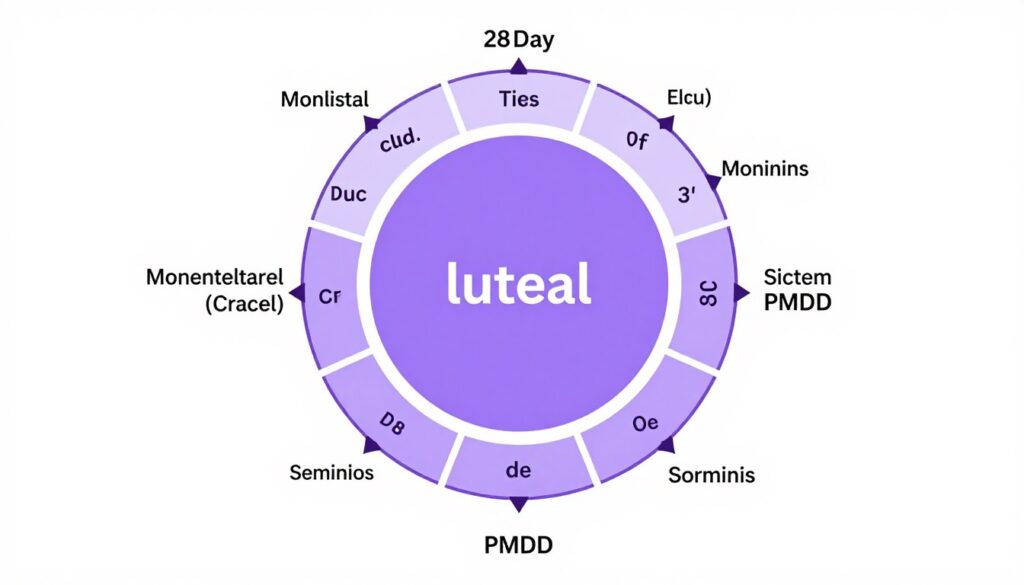
The condition involves intense mood symptoms that appear during the luteal phase of the menstrual cycle. This typically means the two weeks before your period starts. Symptoms usually improve within a few days after menstruation begins.
Common PMDD Symptoms
Women with premenstrual dysphoric disorder experience at least five of these symptoms:
- Severe mood swings and emotional sensitivity
- Marked irritability, anger, or increased interpersonal conflicts
- Depressed mood, feelings of hopelessness, or self-deprecating thoughts
- Anxiety, tension, or feelings of being on edge
- Decreased interest in usual activities
- Difficulty concentrating
- Fatigue or lack of energy
- Changes in appetite, food cravings, or overeating
- Sleep problems (insomnia or sleeping too much)
- Feeling overwhelmed or out of control
- Physical symptoms like breast tenderness, bloating, or joint pain
The severity of these symptoms distinguishes PMDD from regular premenstrual syndrome. Many women find that mood symptoms significantly impact their work, relationships, and quality of life. For more information on comprehensive treatment approaches, you can explore acupuncture for PMDD as an alternative therapy option.
Diagnosis and Medical Recognition
Healthcare providers use specific diagnostic criteria to identify premenstrual dysphoric disorder. The Diagnostic and Statistical Manual of Mental Disorders (DSM-5) officially recognizes PMDD as a distinct condition. This recognition helps women access appropriate treatment and validation for their experiences.
Diagnosis typically requires tracking symptoms for at least two menstrual cycles. Your healthcare provider may ask you to keep a daily symptom diary. This helps confirm that symptoms follow a predictable pattern linked to your menstrual cycle.
Why Vitamin B6 Is Being Studied for PMDD
Vitamin B6, also known as pyridoxine, has attracted research attention for premenstrual syndrome treatment for several decades. Scientists became interested in this vitamin because of its role in neurotransmitter production. These brain chemicals directly affect mood and emotional regulation.
The vitamin serves as a cofactor for enzymes involved in creating serotonin and dopamine. Both neurotransmitters influence mood, sleep, and stress response. Women with premenstrual dysphoric disorder often show altered serotonin function during the luteal phase of their cycle.
Historical Research Interest
Early studies in the 1970s and 1980s suggested vitamin B6 might help with PMS symptoms. Researchers observed that women taking B6 supplements reported improvements in mood symptoms and physical discomfort. This led to multiple randomized clinical trials examining its effectiveness.
The vitamin’s safety profile also made it attractive for study. Unlike pharmaceutical treatments, vitamin B6 at moderate doses has few side effects. This makes it appealing to women seeking natural treatment options for premenstrual syndrome symptoms.

Theoretical Mechanisms
Several biological mechanisms may explain why vitamin B6 could help with PMDD:
- Supporting neurotransmitter synthesis, particularly serotonin
- Influencing hormone metabolism and estrogen clearance
- Reducing inflammation through various biochemical pathways
- Supporting the body’s stress response systems
- Affecting prostaglandin production, which influences mood and pain perception
These multiple pathways suggest vitamin B6 might address several aspects of premenstrual dysphoric disorder simultaneously. This multi-faceted approach differs from treatments targeting only one biological system.
Scientific Evidence on Vitamin B6 for PMDD
Multiple research studies have examined vitamin B6 for premenstrual syndrome and premenstrual dysphoric disorder. The evidence presents a mixed but generally positive picture. Several systematic reviews have analyzed the collective research findings.
A comprehensive review published in the British Medical Journal examined nine randomized clinical trials involving vitamin B6 for PMS symptoms. The review found that vitamin B6 was more effective than placebo for overall premenstrual syndrome symptoms, particularly depression and mood swings.
Study Quality and Limitations
Most research has focused on premenstrual syndrome rather than specifically on premenstrual dysphoric disorder. This distinction matters because PMDD represents a more severe condition. However, the overlap in symptoms means findings likely apply to both disorders.
A 2018 systematic review noted several limitations in existing studies:
- Small sample sizes in many trials
- Variation in dosages used across different studies
- Different forms of vitamin B6 tested (pyridoxine vs. P5P)
- Inconsistent symptom measurement tools
- Limited long-term safety data
Despite these limitations, the overall trend suggests benefit for mood symptoms. The research quality has improved over time, with more recent studies using better methodology.
Meta-Analysis Results
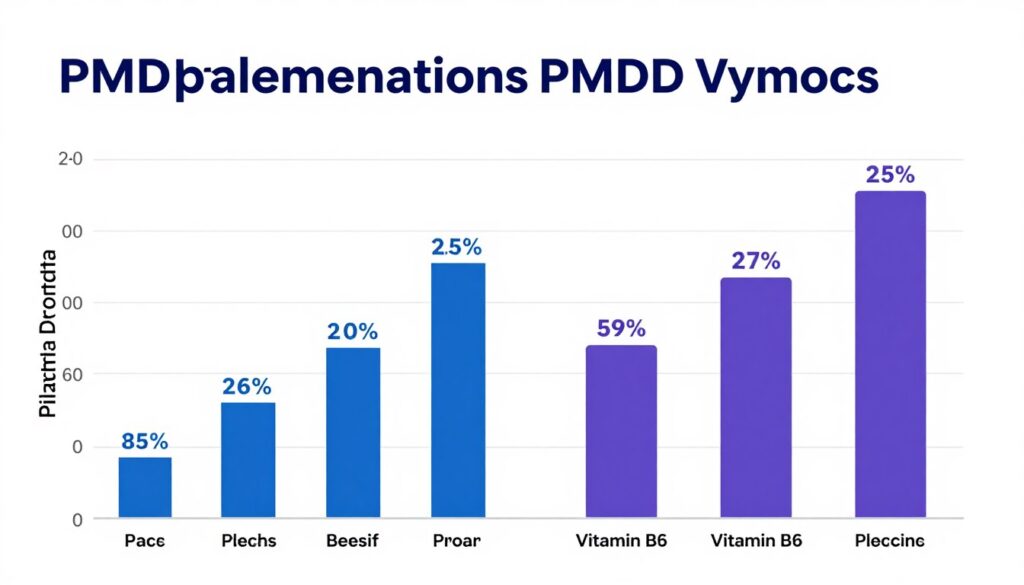
A meta-analysis combining data from multiple randomized clinical trials found that vitamin B6 supplementation significantly reduced premenstrual symptoms compared to placebo. The effect was particularly strong for mood-related symptoms including irritability, depression, and anxiety.
The analysis suggested that doses ranging from 50 to 100 mg daily showed the most consistent benefits. Higher doses did not necessarily produce better results and increased the risk of side effects.
One study involving women of reproductive age found that vitamin B6 supplementation for three menstrual cycles led to notable improvements. Participants reported better mood stability and reduced severity of emotional symptoms during the premenstrual period.
Comparison with Other Treatments
Research comparing vitamin B6 to other supplement options has yielded interesting findings. Some studies suggest combining vitamin B6 with other nutrients may enhance effectiveness. For instance, magnesium supplementation has also shown benefits for premenstrual syndrome symptoms.
When compared to pharmaceutical therapy, vitamin B6 shows more modest effects. However, its favorable safety profile makes it a reasonable first-line option for women with mild to moderate symptoms. Those with severe premenstrual dysphoric disorder may need additional interventions.
Vitamin B6 and Serotonin Production
The relationship between vitamin B6 and serotonin represents one of the most important mechanisms for its potential effects on PMDD. Serotonin is a neurotransmitter that plays a central role in mood regulation, sleep patterns, and emotional well-being.
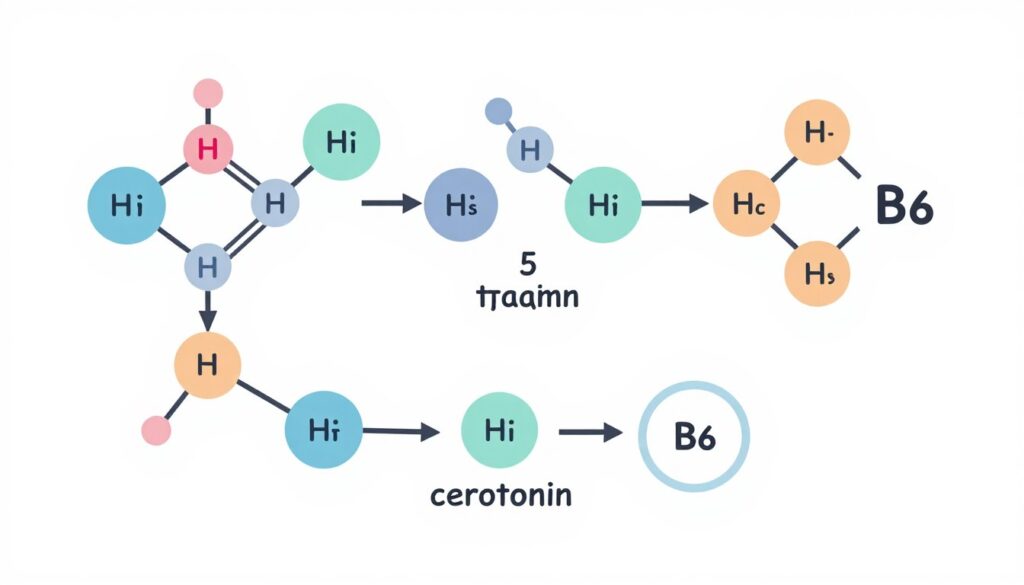
Vitamin B6 serves as a cofactor for the enzyme aromatic L-amino acid decarboxylase. This enzyme converts 5-hydroxytryptophan (5-HTP) into serotonin. Without adequate vitamin B6, this conversion process becomes less efficient.
How the Serotonin System Works
The production of serotonin requires several steps and nutrients:
- Tryptophan (an amino acid from food) enters the brain
- Tryptophan hydroxylase converts tryptophan to 5-HTP
- Aromatic L-amino acid decarboxylase (requiring vitamin B6) converts 5-HTP to serotonin
- Serotonin is stored in nerve cells or broken down by enzymes
Vitamin B6 deficiency can create a bottleneck at step three. This may limit serotonin availability even when adequate tryptophan is present. Some research suggests women with premenstrual syndrome may have altered serotonin function during the luteal phase.
Serotonin and PMDD Connection
Multiple lines of evidence link serotonin dysregulation to premenstrual dysphoric disorder:
- Selective serotonin reuptake inhibitors (SSRIs) effectively treat PMDD symptoms
- Women with PMDD show altered serotonin receptor sensitivity during the premenstrual period
- Tryptophan depletion studies worsen mood symptoms in women with premenstrual syndrome
- Brain imaging studies show differences in serotonin transporter binding in women with PMDD
By supporting serotonin production, vitamin B6 may help stabilize mood during the vulnerable premenstrual phase. This mechanism also explains why the vitamin appears most effective for mood symptoms rather than physical complaints.
Beyond Serotonin
Vitamin B6 also affects other neurotransmitters that influence mood. It plays a role in producing dopamine, norepinephrine, and gamma-aminobutyric acid (GABA). These neurotransmitters contribute to emotional regulation, stress response, and anxiety levels.
This broader impact on neurotransmitter systems may explain why vitamin B6 helps with multiple aspects of premenstrual dysphoric disorder. The vitamin’s effects extend beyond a single biological pathway, potentially addressing the complex nature of PMDD symptoms.
Vitamin B6 and Mood Symptoms
Mood symptoms represent the most distressing aspects of premenstrual dysphoric disorder for many women. These include sudden mood swings, increased emotional sensitivity, and feelings of being overwhelmed. Research specifically examining vitamin B6’s effects on mood has produced encouraging results.
A randomized clinical trial published in a peer-reviewed journal found that women taking 100 mg of vitamin B6 daily experienced significant improvement in mood symptoms. The study tracked participants over three menstrual cycles. Those in the vitamin B6 group reported more stable moods compared to the placebo group.
Emotional Stability and Mood Swings
Women with premenstrual syndrome often describe rapid mood changes that feel uncontrollable. One moment they feel fine, and the next they experience intense sadness or irritability. This emotional volatility can strain relationships and interfere with daily activities.
Research suggests vitamin B6 supplementation may help reduce the severity of these mood swings. Study participants reported feeling more emotionally balanced throughout their cycle. The improvement typically became noticeable after two to three cycles of consistent use.

Irritability and Anger
Increased irritability represents another common mood symptom in PMDD. Women may find themselves snapping at loved ones or feeling disproportionately angry about minor frustrations. This symptom often causes significant relationship stress.
Several studies have examined vitamin B6’s impact on irritability specifically. Results show moderate improvement in this symptom with supplementation. Women reported feeling less reactive to stressors during the premenstrual period.
The mechanism likely involves vitamin B6’s role in producing calming neurotransmitters. By supporting GABA and serotonin synthesis, the vitamin may help modulate stress responses and emotional reactions.
Measuring Mood Improvement
Clinical trials use various tools to measure mood changes:
- Visual analog scales for tracking daily mood intensity
- Standardized questionnaires like the Premenstrual Symptoms Screening Tool
- Daily symptom diaries completed by participants
- Clinician-rated assessment scales
Most studies show improvements ranging from 30-60% reduction in mood symptom severity. While not eliminating symptoms entirely, this level of improvement can significantly enhance quality of life. Women often report better ability to function at work and maintain relationships.
Vitamin B6 and Anxiety
Anxiety symptoms in premenstrual dysphoric disorder can manifest as tension, nervousness, feeling on edge, or experiencing panic-like symptoms. These feelings often intensify during the week before menstruation. Many women describe feeling anxious without clear external triggers.
Research examining vitamin B6 for anxiety in premenstrual syndrome has shown promising results. A study involving women of reproductive age found that vitamin B6 supplementation reduced anxiety scores by approximately 40% compared to baseline measurements.
Mechanisms for Anxiety Reduction
Vitamin B6 may reduce anxiety through several pathways:
- Supporting GABA production, the brain’s primary calming neurotransmitter
- Regulating glutamate, which can contribute to anxiety when elevated
- Influencing the hypothalamic-pituitary-adrenal axis involved in stress response
- Modulating inflammation that may affect mood and anxiety levels
The vitamin’s effects on the nervous system appear to promote a more balanced response to stress. This may explain why women report feeling less anxious even when facing the same life stressors during the premenstrual period.

Clinical Evidence for Anxiety Relief
A randomized clinical trial specifically measured anxiety as a primary outcome. Women received either 80 mg of vitamin B6 or placebo daily for three menstrual cycles. The treatment group showed statistically significant reduction in anxiety scores during the premenstrual phase.
Interestingly, the benefits appeared to increase with continued use. Participants reported greater anxiety relief in the third cycle compared to the first. This suggests that vitamin B6 may need time to reach optimal tissue levels and exert its full effects.
Other research has explored combining vitamin B6 with complementary approaches. For instance, some women find that pairing supplementation with stress reduction techniques enhances benefits. Additionally, omega-3 fatty acids have also been studied for their potential anxiety-reducing properties in PMDD.
Physical Anxiety Symptoms
Anxiety in PMDD often includes physical manifestations. Women may experience rapid heartbeat, muscle tension, restlessness, or difficulty sleeping due to anxious thoughts. Some research suggests vitamin B6 may help with these physical aspects of anxiety as well.
One study found that women taking vitamin B6 reported improved sleep quality alongside reduced anxiety. Better sleep likely contributes to lower overall anxiety levels. This creates a positive cycle where reduced anxiety improves sleep, and better sleep further decreases anxiety.
Vitamin B6 and Depression
Depressive symptoms in premenstrual dysphoric disorder can be severe. Women may experience profound sadness, hopelessness, loss of interest in activities, and even thoughts of self-harm. These symptoms distinguish PMDD from milder forms of premenstrual syndrome.
Research on vitamin B6 for depression shows the most consistent positive results among all PMDD symptoms. Multiple studies have documented significant improvements in depressive symptoms with vitamin B6 supplementation.
Research Findings on Depression
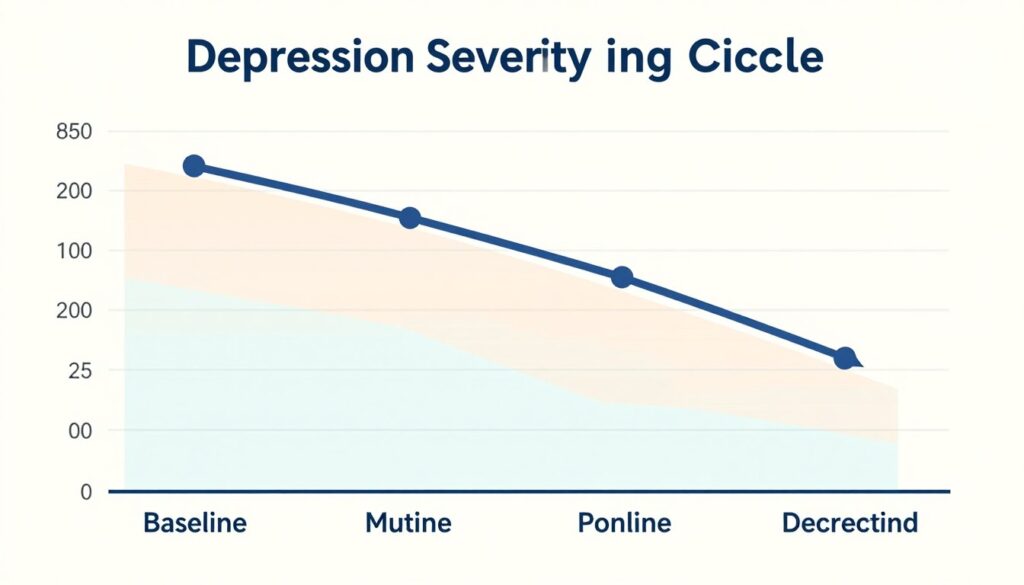
A meta-analysis examining vitamin B6 for premenstrual syndrome found the strongest evidence for depression relief. Studies showed average improvements of 50-70% in depression symptom scores compared to placebo groups.
One particularly well-designed study followed women over four menstrual cycles. Participants taking 100 mg of vitamin B6 daily reported progressive improvement in depressive symptoms. By the fourth cycle, most women experienced minimal to no depression during the premenstrual period.
Why Vitamin B6 May Help Depression
The vitamin’s antidepressant effects likely stem from multiple mechanisms:
- Enhancing serotonin synthesis, similar to how SSRIs work but through different pathways
- Supporting dopamine production, which influences pleasure and motivation
- Reducing inflammatory markers associated with depression
- Improving sleep quality, which significantly affects mood
- Modulating hormone metabolism that may influence depressive symptoms
The vitamin’s role in serotonin production appears particularly important for depression. Low serotonin levels are strongly associated with depressive symptoms. By supporting serotonin synthesis, vitamin B6 may help maintain more stable mood throughout the menstrual cycle.
Severity of Depression Matters
Research suggests vitamin B6 may work best for mild to moderate depression in premenstrual dysphoric disorder. Women with severe depression, especially those experiencing suicidal thoughts, should seek immediate professional help. Vitamin B6 should not replace evidence-based treatments for severe depression.
A study comparing depression severity found that women with mild PMDD-related depression showed excellent response to vitamin B6 alone. Those with moderate depression benefited from vitamin B6 but often needed additional support. Severe cases typically required pharmaceutical therapy for adequate symptom control.
Time Frame for Improvement
Most research indicates that depression improvements become noticeable after two to three menstrual cycles of consistent vitamin B6 use. Some women report earlier benefits, while others need longer treatment periods.
This delayed response makes sense given how the vitamin works. Building up adequate tissue levels and optimizing neurotransmitter production takes time. Patience and consistent supplementation appear important for achieving maximum benefits.
Vitamin B6 Dosage for PMDD
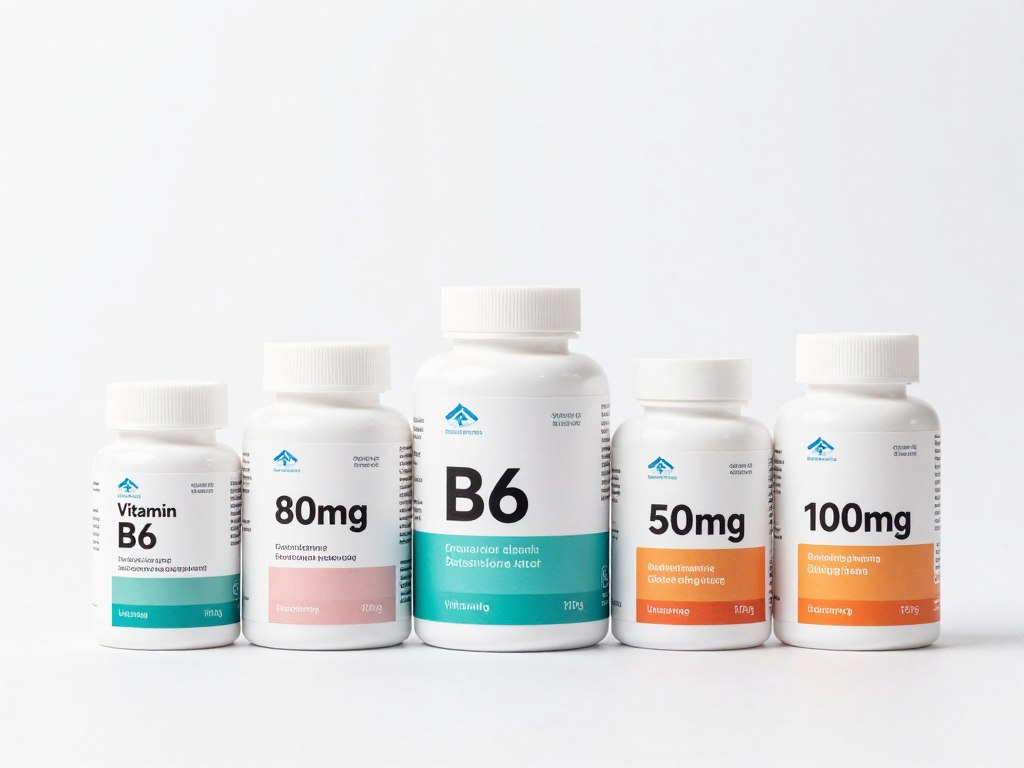
Determining the right vitamin B6 dosage for premenstrual dysphoric disorder requires balancing effectiveness with safety. Research has tested various doses ranging from 25 mg to 500 mg daily. The evidence suggests a “sweet spot” exists where benefits are optimized without increasing risk.
Most randomized clinical trials showing positive results used doses between 50 mg and 100 mg daily. This range appears to provide therapeutic benefits while maintaining a good safety profile. Higher doses do not necessarily produce better outcomes and may increase side effect risk.
Research-Supported Dosage Ranges
A comprehensive review of vitamin B6 studies for premenstrual syndrome identified the following dosage patterns:
- 50 mg daily: Effective for mild symptoms, excellent safety profile
- 80-100 mg daily: Most commonly used dose in successful trials, good balance of efficacy and safety
- 150-200 mg daily: Some benefits but increased risk of side effects, not significantly more effective than lower doses
- Above 200 mg daily: Higher risk of nerve damage, not recommended for PMDD treatment
The research suggests starting with 50 mg daily and increasing to 100 mg if needed after two cycles. This gradual approach allows you to find the minimum effective dose for your symptoms.
Timing and Duration
Most studies administered vitamin B6 daily throughout the entire menstrual cycle. Some research has examined taking the vitamin only during the luteal phase (two weeks before menstruation). Results suggest daily supplementation may work better than cyclical dosing.
The reasoning involves maintaining steady vitamin B6 levels to support consistent neurotransmitter production. Taking the supplement only during the luteal phase may not allow sufficient time to build tissue levels and optimize metabolic pathways.
Regarding treatment duration, research shows benefits typically emerge after two to three menstrual cycles. Most studies continued supplementation for three to six months. The optimal long-term duration remains unclear, but many women continue supplementation as long as symptoms persist.
Individual Variation
People respond differently to vitamin B6 supplementation. Factors affecting your individual dose needs include:
- Baseline vitamin B6 status (those deficient may need higher initial doses)
- Dietary intake of vitamin B6 from food sources
- Genetic variations affecting vitamin B6 metabolism
- Severity of PMDD symptoms
- Use of medications that may deplete vitamin B6
- Overall nutritional status and other vitamin deficiencies
Working with a healthcare provider helps identify the right dose for your situation. Blood tests can assess vitamin B6 status, though they’re not routinely necessary. Symptom tracking provides the best guide for dose optimization.
Dosage Comparison with RDA
The recommended dietary allowance (RDA) for vitamin B6 is much lower than doses studied for PMDD. For adult women, the RDA is only 1.3-1.5 mg daily. Therapeutic doses for premenstrual dysphoric disorder exceed this by 30-70 times.
This difference doesn’t mean the higher doses are dangerous at the levels studied. The RDA aims to prevent deficiency in healthy people. Therapeutic use for specific conditions often requires higher doses. However, the gap between RDA and therapeutic doses highlights the importance of medical supervision.
Pyridoxine vs P5P (Pyridoxal-5-Phosphate)
Vitamin B6 exists in several forms, but two dominate the supplement market: pyridoxine and P5P (pyridoxal-5-phosphate). Understanding the differences helps you choose the most appropriate form for your needs.
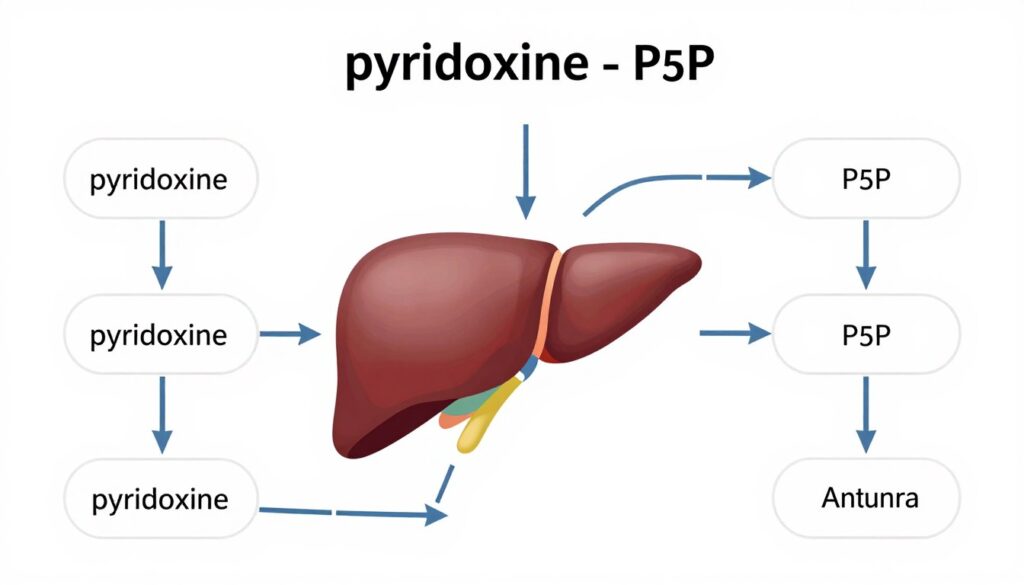
Pyridoxine is the most common and least expensive form of vitamin B6 in supplements. Your body must convert it to the active form, P5P, before it can be used. This conversion requires adequate levels of certain enzymes and nutrients like riboflavin and magnesium.
How the Forms Differ
The conversion pathway looks like this:
- Pyridoxine enters your digestive system
- It’s absorbed in the small intestine
- The liver converts pyridoxine to pyridoxal
- Pyridoxal kinase (requiring zinc) converts it to P5P
- P5P acts as the active cofactor for enzymes throughout the body
P5P supplements bypass steps 3 and 4, providing the vitamin in its ready-to-use form. This theoretically offers advantages for people with impaired conversion ability. However, research on whether this translates to better outcomes for PMDD remains limited.
Research on Different Forms
Most clinical trials examining vitamin B6 for premenstrual syndrome used pyridoxine rather than P5P. This means the evidence base strongly supports pyridoxine effectiveness. Few studies have directly compared the two forms for PMDD treatment.
One small study did compare 60 mg of P5P to 100 mg of pyridoxine for PMS symptoms. Results showed similar effectiveness for both forms. However, the study was too small to draw definitive conclusions about superiority of either form.
A theoretical advantage of P5P involves bioavailability. Some research suggests P5P may be better absorbed and utilized, particularly in people with certain genetic variations or health conditions affecting vitamin B6 metabolism. However, healthy individuals typically convert pyridoxine to P5P efficiently.
Practical Considerations
When choosing between pyridoxine and P5P, consider these factors:
- Cost: Pyridoxine costs significantly less than P5P for equivalent doses
- Evidence base: Most research used pyridoxine, providing stronger support for its effectiveness
- Conversion ability: Most healthy women convert pyridoxine efficiently
- Existing health conditions: Certain liver or kidney conditions may impair conversion, favoring P5P
- Response to treatment: If pyridoxine doesn’t help after three cycles, trying P5P may be worthwhile
For most women starting vitamin B6 supplementation for PMDD, pyridoxine represents a reasonable first choice. It’s well-studied, affordable, and effective for the majority of users. Switching to P5P makes sense if you don’t respond to pyridoxine or have conditions affecting vitamin B6 metabolism.
Combination Products
Some supplements contain both pyridoxine and P5P. The rationale involves providing immediate availability through P5P while ensuring sustained levels from pyridoxine conversion. However, no research has demonstrated superiority of combination products over single-form supplements for PMDD.
Similarly, many B-complex supplements include vitamin B6. While this approach provides other B vitamins that may support overall health, specific research on B-complex for PMDD is limited. The doses of vitamin B6 in most B-complex products fall below the therapeutic range studied for premenstrual dysphoric disorder.
Vitamin B6 and Magnesium for PMDD
The combination of vitamin B6 and magnesium has received particular attention for premenstrual syndrome treatment. These nutrients work synergistically, and research suggests combining them may enhance benefits beyond either supplement alone.
Magnesium plays crucial roles in neurotransmitter function, hormone regulation, and muscle relaxation. Many women with premenstrual syndrome show lower magnesium levels during the luteal phase. Magnesium deficiency can worsen mood symptoms, anxiety, and physical discomfort.
Why Combine These Nutrients?
Several reasons support combining vitamin B6 and magnesium:
- Magnesium is required for converting pyridoxine to P5P, the active form of vitamin B6
- Both nutrients support GABA production and function
- They work together in neurotransmitter synthesis pathways
- Both influence the stress response system
- Magnesium helps reduce physical symptoms like cramping and bloating
The biochemical interdependence means adequate magnesium helps vitamin B6 work more effectively. Conversely, vitamin B6 supports various magnesium-dependent processes in the body.

Research on the Combination
A randomized clinical trial examined 200 mg of magnesium combined with 40 mg of vitamin B6 daily. Women taking the combination showed greater improvement in premenstrual syndrome symptoms compared to those taking either nutrient alone. The benefits were particularly notable for anxiety and water retention.
Another study used 250 mg of magnesium with 50 mg of vitamin B6. Results indicated significant reduction in mood swings, irritability, and depression scores. The combination group also reported improved sleep quality and reduced breast tenderness.
For comprehensive information about magnesium supplementation specifically for PMDD, you can read our detailed magnesium guide which explores optimal dosing, forms, and timing.
Optimal Combination Dosing
Research suggests these combination doses may be effective:
- Magnesium: 200-400 mg daily (elemental magnesium)
- Vitamin B6: 50-100 mg daily
- Timing: Daily supplementation throughout the menstrual cycle
- Duration: At least three menstrual cycles to assess full benefits
The form of magnesium matters for absorption and tolerability. Magnesium glycinate and magnesium citrate tend to be well-absorbed and cause fewer digestive issues than magnesium oxide. Combining these with vitamin B6 in divided doses (morning and evening) may optimize absorption.
Addressing Multiple Symptom Categories
The vitamin B6 and magnesium combination appears to address both mood and physical symptoms of premenstrual dysphoric disorder. While vitamin B6 primarily targets mood symptoms, magnesium helps with:
- Muscle cramps and tension
- Headaches and migraines
- Water retention and bloating
- Breast tenderness
- Sleep disturbances
- Anxiety and restlessness
This broader symptom coverage makes the combination attractive for women experiencing both emotional and physical PMDD symptoms. The synergistic effects may provide more comprehensive relief than either supplement alone.
Vitamin B6 and Hormonal Balance
The relationship between vitamin B6 and hormonal balance in premenstrual dysphoric disorder remains an area of active research. While the vitamin’s effects on neurotransmitters are well-established, its influence on reproductive hormones is less clear but potentially important.
Some theories suggest vitamin B6 may help regulate estrogen metabolism. The vitamin serves as a cofactor for enzymes involved in breaking down and clearing estrogen from the body. Impaired estrogen metabolism could contribute to premenstrual syndrome symptoms in susceptible women.
Estrogen and Progesterone Dynamics
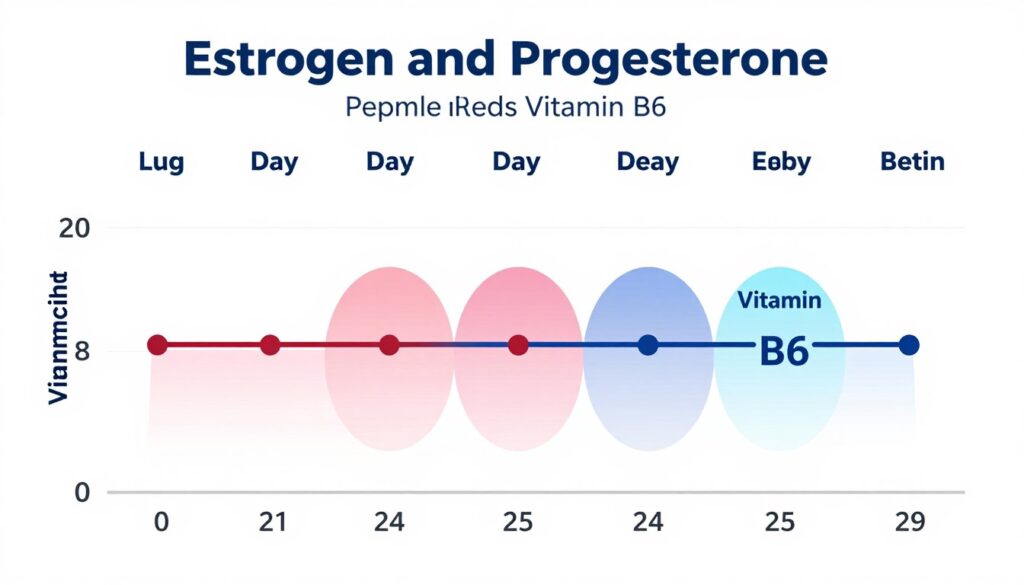
The menstrual cycle involves complex hormonal changes. Estrogen levels rise during the follicular phase and fall before menstruation. Progesterone increases after ovulation and declines if pregnancy doesn’t occur. These hormonal fluctuations trigger the changes that lead to PMDD symptoms in vulnerable women.
Research examining hormone levels in women taking vitamin B6 has produced mixed results. Some studies found no significant changes in estrogen or progesterone levels with supplementation. Others suggested subtle shifts that might influence symptom expression.
Indirect Hormonal Effects
Even if vitamin B6 doesn’t directly alter hormone levels, it may influence how the body responds to hormonal changes. This could occur through several mechanisms:
- Modulating hormone receptor sensitivity in the brain
- Affecting how hormones influence neurotransmitter systems
- Supporting detoxification pathways that clear excess hormones
- Influencing inflammatory responses to hormonal fluctuations
The distinction between changing hormone levels versus changing the body’s response to hormones is important. PMDD may result more from heightened sensitivity to normal hormonal changes rather than from abnormal hormone levels themselves.
Prolactin and Vitamin B6
Some older research suggested vitamin B6 might lower elevated prolactin levels. Prolactin is a hormone that can affect mood and breast tenderness when elevated. However, more recent studies have not consistently confirmed this effect.
A review examining prolactin and vitamin B6 concluded that the vitamin does not significantly affect prolactin levels in most women. Any benefits for breast tenderness likely result from other mechanisms rather than prolactin reduction.
Supporting Overall Endocrine Function
Beyond reproductive hormones, vitamin B6 plays roles in other endocrine systems. The vitamin supports thyroid hormone metabolism and influences cortisol, the stress hormone. Since stress worsens PMDD symptoms, vitamin B6’s effects on the stress response system may indirectly benefit hormonal balance.
The vitamin also affects insulin sensitivity and glucose metabolism. Some women with premenstrual syndrome experience changes in appetite and food cravings related to blood sugar regulation. By supporting metabolic balance, vitamin B6 may help stabilize these symptoms.
Explore More Evidence-Based PMDD Treatment Options
Vitamin B6 represents just one component of a comprehensive approach to managing premenstrual dysphoric disorder. Research supports several other evidence-based nutritional and complementary therapies. Combining multiple strategies often provides better symptom control than relying on a single intervention.
Magnesium for PMDD
Magnesium deficiency is common in women with premenstrual syndrome. Research shows 200-400 mg daily may reduce anxiety, mood swings, and physical symptoms like bloating and cramping.
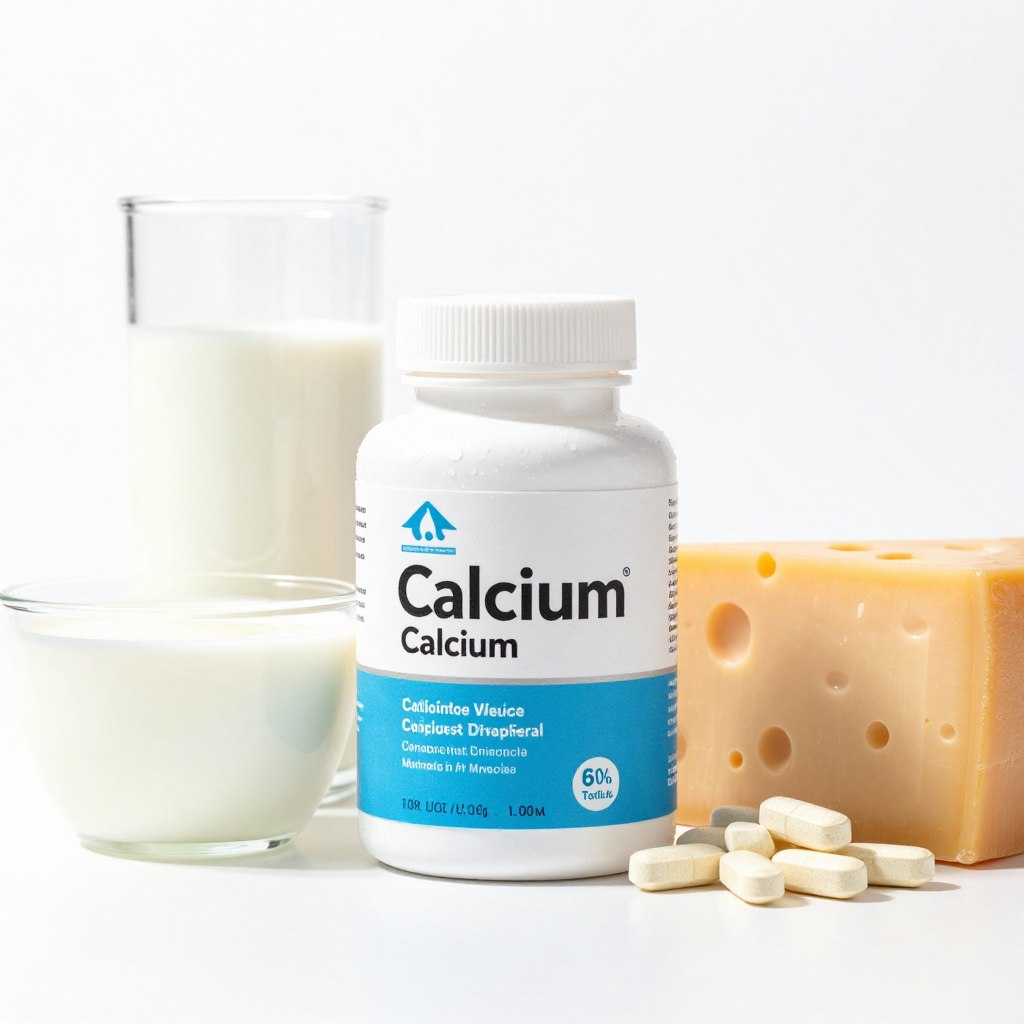
Calcium for PMDD
Clinical trials demonstrate that 1,200 mg of calcium daily can significantly reduce mood symptoms, water retention, and food cravings associated with premenstrual dysphoric disorder.

Omega-3 for PMDD
Omega-3 fatty acids support mood regulation and reduce inflammation. Studies suggest 1-2 grams daily of EPA and DHA may help with depression and anxiety in premenstrual syndrome.
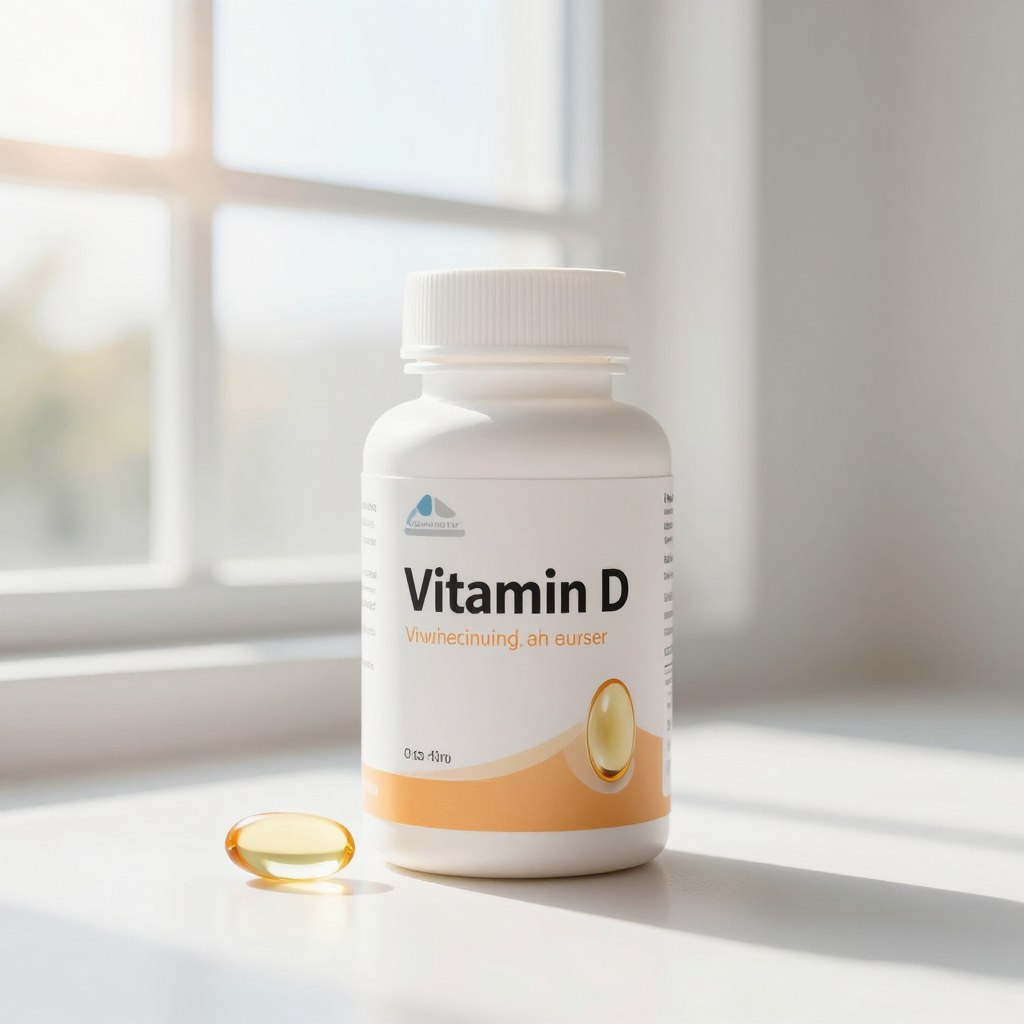
Vitamin D for PMDD
Vitamin D deficiency correlates with worse premenstrual symptoms. Research indicates that optimizing vitamin D levels through supplementation may improve mood and reduce symptom severity.

Acupuncture for PMDD
Traditional Chinese medicine offers acupuncture as a complementary approach. Some research suggests regular acupuncture sessions may help reduce PMDD symptom severity and improve quality of life.
Many women find that combining vitamin B6 with one or more of these approaches provides better symptom control than any single intervention. Work with your healthcare provider to develop a personalized treatment plan that addresses your specific symptom pattern and health needs.
Risks, Side Effects, and Safety Considerations
While vitamin B6 offers potential benefits for premenstrual dysphoric disorder, understanding the risks and safety considerations is essential. The vitamin is generally safe at recommended doses, but higher amounts can cause significant problems.
The most serious concern with vitamin B6 supplementation involves nerve damage called peripheral neuropathy. This condition causes numbness, tingling, burning sensations, or pain in the hands and feet. In severe cases, it can affect coordination and walking ability.
Dose-Dependent Nerve Toxicity
Research clearly shows that nerve damage risk increases with dose and duration of use:
- Below 100 mg daily: Very low risk, even with long-term use
- 100-200 mg daily: Low risk for most people, especially with short-term use
- 200-500 mg daily: Moderate risk, particularly with prolonged use
- Above 500 mg daily: High risk of nerve damage, even with short-term use
The tolerable upper intake level (UL) set by health authorities is 100 mg daily for adults. This represents the maximum amount unlikely to cause adverse effects in most people. Therapeutic doses for PMDD sometimes approach or slightly exceed this level, requiring careful monitoring.

Early Warning Signs
If you develop any of these symptoms while taking vitamin B6, stop supplementation and consult your healthcare provider:
- Tingling or numbness in hands or feet
- Burning sensations in extremities
- Loss of coordination or balance problems
- Shooting pains in limbs
- Difficulty with fine motor tasks
- Unusual sensitivity to touch
Catching these symptoms early and stopping supplementation usually allows nerve function to recover. However, severe or prolonged neuropathy may become permanent. This emphasizes the importance of using appropriate doses and monitoring for side effects.
Other Potential Side Effects
Beyond nerve damage, vitamin B6 supplementation can cause other side effects, though these are typically mild:
- Nausea or stomach upset, especially with doses above 100 mg
- Headaches in some sensitive individuals
- Skin reactions or photosensitivity in rare cases
- Vivid dreams or sleep disturbances
- Mild digestive issues like heartburn or loss of appetite
Taking vitamin B6 with food often reduces nausea and stomach upset. Dividing the daily dose into smaller amounts taken at different times may also improve tolerance.
Drug Interactions
Vitamin B6 can interact with certain medications, potentially reducing their effectiveness or increasing side effects:
- Levodopa (for Parkinson’s disease): Vitamin B6 can reduce effectiveness unless combined with carbidopa
- Phenytoin and phenobarbital (anti-seizure medications): May lower vitamin B6 levels
- Theophylline (for asthma): Vitamin B6 may reduce drug levels
- Certain antibiotics: Can decrease vitamin B6 absorption
- Oral contraceptives: May slightly lower vitamin B6 levels
If you take any medications regularly, discuss vitamin B6 supplementation with your healthcare provider. They can assess potential interactions and adjust dosing if needed.
Who Should Exercise Extra Caution
Certain groups should be particularly careful with vitamin B6 supplementation:
- People with kidney disease: May accumulate vitamin B6 to toxic levels
- Those with liver conditions: Impaired metabolism may increase toxicity risk
- Individuals with existing peripheral neuropathy: Vitamin B6 may worsen symptoms
- Pregnant or breastfeeding women: Should not exceed recommended prenatal doses without medical guidance
- People taking multiple supplements: Combined vitamin B6 from various sources may exceed safe limits
Monitoring and Medical Supervision
While vitamin B6 is available without prescription, medical supervision makes sense for therapeutic use. Your healthcare provider can:
- Assess whether vitamin B6 is appropriate for your situation
- Recommend the right dose based on your symptoms and health status
- Monitor for side effects through regular check-ins
- Adjust treatment if you don’t respond or experience adverse effects
- Coordinate vitamin B6 use with other treatments you’re receiving
Regular symptom tracking helps you and your provider assess whether vitamin B6 is helping. If you don’t see improvement after three menstrual cycles, the supplement may not be effective for you. Continuing indefinitely without benefit doesn’t make sense and unnecessarily exposes you to potential risks.
Frequently Asked Questions (FAQ)
How long does it take for vitamin B6 to work for PMDD?
Most research indicates that noticeable improvement in PMDD symptoms typically appears after two to three menstrual cycles of consistent vitamin B6 supplementation. Some women report earlier benefits within the first cycle, while others need up to four cycles to experience full effects.
The delay occurs because vitamin B6 needs time to build up in tissues and optimize neurotransmitter production pathways. Patience and consistent daily use are important for achieving maximum benefits.
Can I get enough vitamin B6 from food to help PMDD?
While vitamin B6 is found in many foods including poultry, fish, potatoes, chickpeas, bananas, and fortified cereals, it’s very difficult to obtain therapeutic doses (50-100 mg) through diet alone. Food sources typically provide only 1-2 mg per serving.
Eating a diet rich in vitamin B6 supports overall health and may help prevent deficiency. However, research showing benefits for PMDD used supplemental doses far exceeding what’s achievable through food intake.
Should I take vitamin B6 every day or only during the luteal phase?
Most research on vitamin B6 for PMDD used daily supplementation throughout the entire menstrual cycle rather than just during the luteal phase. Daily use appears more effective for several reasons.
Continuous supplementation maintains steady vitamin B6 levels, supporting consistent neurotransmitter production. Taking the vitamin only during the luteal phase may not allow sufficient time to optimize metabolic pathways before symptoms appear. For best results, take vitamin B6 daily regardless of where you are in your cycle.
What’s the difference between vitamin B6 and vitamin B complex for PMDD?
Vitamin B6 is a single vitamin, while vitamin B complex contains all eight B vitamins (B1, B2, B3, B5, B6, B7, B9, and B12). Research specifically examining PMDD treatment has focused on vitamin B6 alone at doses of 50-100 mg daily.
Most B-complex supplements contain much lower amounts of vitamin B6, typically 10-25 mg. This falls below the therapeutic range studied for premenstrual dysphoric disorder. If you choose a B-complex, check that it provides adequate vitamin B6 for PMDD treatment, or consider adding a separate vitamin B6 supplement.
Can vitamin B6 replace antidepressants for PMDD?
Vitamin B6 should not be viewed as a replacement for prescription antidepressants in severe PMDD cases. While research shows vitamin B6 can help with mild to moderate symptoms, it’s not as powerful as pharmaceutical therapy for severe premenstrual dysphoric disorder.
If you have severe symptoms, especially suicidal thoughts or major life disruption, you need professional medical treatment. Vitamin B6 may work well as a complementary approach alongside medication, or as a first-line treatment for milder cases. Never stop prescribed medications to try vitamin B6 without consulting your healthcare provider.
Is 200 mg of vitamin B6 safe for PMDD?
The 200 mg daily dose exceeds the tolerable upper intake level of 100 mg and increases the risk of side effects, particularly nerve damage with long-term use. Most research showing benefits for PMDD used doses between 50-100 mg daily.
Higher doses don’t necessarily work better and may cause problems. If you’re considering doses above 100 mg, this should only be done under medical supervision with regular monitoring for side effects. Most women achieve good results with 50-100 mg daily, which offers a better balance of effectiveness and safety.
Can I take vitamin B6 with birth control pills?
Yes, vitamin B6 can generally be taken with oral contraceptives. In fact, birth control pills may slightly lower vitamin B6 levels, potentially making supplementation more beneficial for some women.
However, you should still consult your healthcare provider before starting vitamin B6 supplementation, especially at therapeutic doses. They can ensure there are no specific concerns based on your individual health situation and the type of contraceptive you’re using.
What time of day should I take vitamin B6 for PMDD?
Research hasn’t definitively established an optimal time for taking vitamin B6. Many people take it in the morning with breakfast to avoid potential sleep disturbances that some individuals experience with evening doses.
If you’re taking higher doses (80-100 mg), dividing the amount into two smaller doses—one in the morning and one in the afternoon or early evening—may improve absorption and reduce the risk of stomach upset. Taking vitamin B6 with food generally enhances tolerance.
Will vitamin B6 help with PMDD-related insomnia?
Some research suggests vitamin B6 may improve sleep quality in women with premenstrual syndrome. The mechanism likely involves the vitamin’s role in producing serotonin, which the body converts to melatonin, the sleep hormone.
However, results vary among individuals. Some women report better sleep with vitamin B6 supplementation, while others notice no change or even experience vivid dreams that may disrupt sleep. If sleep problems persist, combining vitamin B6 with magnesium may offer additional benefits for sleep quality.
Can vitamin B6 help with PMDD bloating and water retention?
While vitamin B6 primarily affects mood symptoms in PMDD, some research suggests it may help with water retention and bloating. However, the evidence is less consistent for physical symptoms compared to emotional ones.
Magnesium appears more effective specifically for bloating and fluid retention. Many women find that combining vitamin B6 with magnesium provides better relief for both mood and physical symptoms of premenstrual dysphoric disorder.
Final Thoughts
Vitamin B6 represents a promising nutritional approach for managing premenstrual dysphoric disorder symptoms, particularly mood-related issues like depression, anxiety, and irritability. Research supports its use at doses of 50-100 mg daily, with benefits typically emerging after two to three menstrual cycles.
The vitamin’s safety profile at appropriate doses makes it an attractive option for women seeking natural treatment approaches. However, vitamin B6 works best as part of a comprehensive strategy rather than as a standalone therapy.

Consider these key points as you evaluate whether vitamin B6 is right for you:
- Start with 50 mg daily and increase to 100 mg if needed after two cycles
- Take the supplement daily throughout your entire menstrual cycle for best results
- Allow at least three cycles to assess effectiveness before deciding whether to continue
- Consider combining vitamin B6 with magnesium for potentially enhanced benefits
- Monitor for side effects, particularly numbness or tingling in extremities
- Work with a healthcare provider to ensure safe and appropriate use
- Track your symptoms to objectively measure improvement
Remember that PMDD treatment is highly individual. What works well for one woman may not help another. If vitamin B6 doesn’t provide adequate relief after a fair trial, other evidence-based options exist. You might explore calcium supplementation or vitamin D optimization as alternative or complementary approaches.
Your PMDD treatment journey is personal. You deserve support, validation, and access to evidence-based information as you navigate your options. Vitamin B6 offers one tool in the toolbox for managing this challenging condition. With patience, consistent use, and appropriate expectations, it may contribute meaningfully to improved quality of life during the premenstrual period.
Always consult with your healthcare provider before starting any new supplement regimen, especially if you have existing health conditions or take medications. They can help you develop a comprehensive treatment plan tailored to your specific needs and symptom pattern.
Physician-Reviewed Content
Dr. Helloyze Ferreira Ancelmo
CRM-GO 31293
Dr. Helloyze Ferreira Ancelmo is a physician dedicated to mental health, offering care that transcends traditional medicine. Based in Brazil, Dr. Ancelmo’s practice focuses on deep clinical listening, responsible medical evaluation, and genuine acceptance of each individual’s story.
This article has been reviewed by Dr. Ancelmo to ensure medical accuracy and evidence-based recommendations for women seeking information about vitamin B6 for PMDD treatment.