

Living with premenstrual dysphoric disorder means facing challenges that go far beyond typical PMS. The severe mood swings, overwhelming anxiety, and physical symptoms can disrupt your entire life for up to two weeks each month. Many women turn to supplements as part of their PMDD management strategy, but sorting through conflicting information can feel impossible.
This comprehensive guide examines the clinical evidence behind PMDD supplements. We evaluate what actually works, what shows promise, and what you should approach with caution.
Quick Answer
The supplements with the strongest evidence for PMDD are calcium (1,200 mg daily), magnesium (200-360 mg daily), and vitamin B6 (50-100 mg daily). Clinical trials show these can reduce both emotional and physical symptoms by 30-50%. Omega-3 fatty acids and vitamin D also show significant benefits, particularly for mood symptoms and inflammation.
However, supplements work best as part of a comprehensive treatment plan. Individual responses vary considerably, and some supplements require 2-3 menstrual cycles before showing full effects.
Important: This guide provides evidence-based information to help you make informed decisions. Always consult with your healthcare provider before starting any supplement regimen, especially if you take medications or have underlying health conditions. Our detailed individual supplement guides provide complete dosing protocols, interactions, and safety information.
Key Takeaways
Evidence Strength Varies
Not all PMDD supplements have equal research support. This guide ranks them by clinical evidence quality.
- Calcium has the strongest research backing
- Magnesium shows consistent benefits across studies
- B6 effectiveness proven in multiple trials
- Omega-3 and vitamin D have growing evidence
Symptom-Specific Approach
Different supplements target different PMDD symptoms more effectively than others.
- Mood symptoms respond well to calcium and omega-3
- Physical symptoms improve with magnesium
- Anxiety benefits from B6 supplementation
- Inflammation decreases with vitamin D
Timing Matters
PMDD supplement protocols require patience and consistency for optimal results.
- Most supplements need 2-3 cycles to show effects
- Daily dosing often works better than luteal-phase-only
- Consistency is crucial for sustained benefits
- Track symptoms to measure individual response
Safety First
Even natural supplements can interact with medications and cause side effects.
- Higher doses don’t always mean better results
- Quality and form of supplements matter significantly
- Some supplements interact with common medications
- Medical supervision ensures safe, effective use
Table of Contents
What Is PMDD?
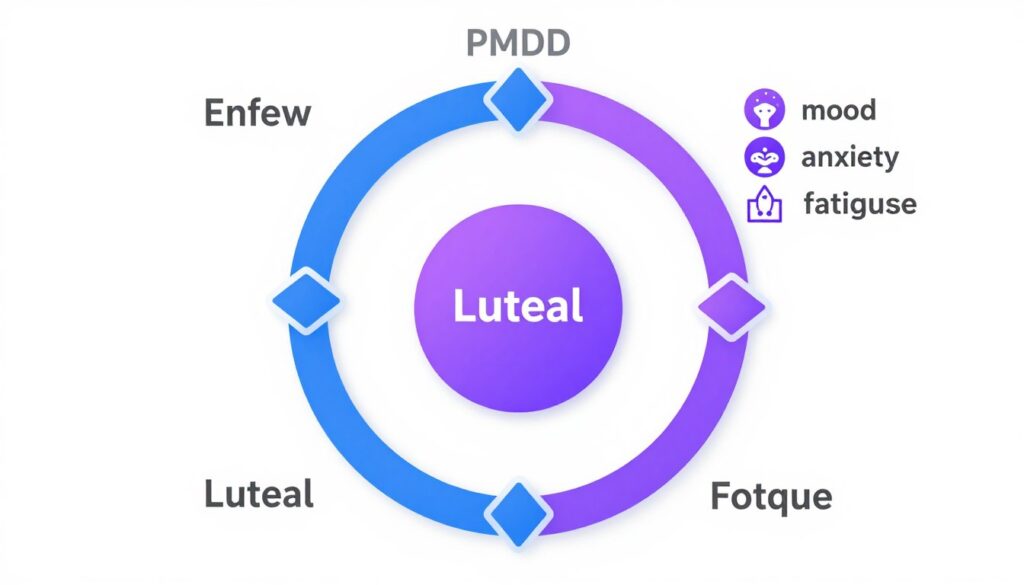
Premenstrual dysphoric disorder is a severe form of premenstrual syndrome that affects approximately 3-8% of menstruating women. Unlike typical PMS, PMDD causes symptoms intense enough to significantly disrupt daily functioning, relationships, and mental health.
How PMDD Differs From PMS
While premenstrual syndrome causes mild to moderate discomfort, premenstrual dysphoric disorder involves severe psychological and physical symptoms. The condition follows a predictable pattern tied to the menstrual cycle, specifically during the luteal phase.
| Characteristic | PMS | PMDD |
| Prevalence | Up to 75% of women | 3-8% of women |
| Symptom Severity | Mild to moderate | Severe, debilitating |
| Impact on Function | Manageable disruption | Significant interference with work, relationships, daily activities |
| Mood Symptoms | Mild irritability, mood changes | Severe depression, anxiety, mood swings, hopelessness |
| Duration Each Cycle | Few days to one week | One to two weeks (luteal phase) |
Core PMDD Symptoms
The diagnostic criteria for PMDD require at least five symptoms from specific categories, with at least one being a core mood symptom. These symptoms must occur during most menstrual cycles and resolve within a few days of menstruation starting.
Emotional and Psychological Symptoms
- Severe mood swings and emotional sensitivity
- Intense irritability, anger, or increased conflicts
- Depressed mood, hopelessness, or self-critical thoughts
- Marked anxiety, tension, or feeling on edge
- Decreased interest in usual activities
- Difficulty concentrating or brain fog
- Fatigue and low energy
- Changes in appetite or specific food cravings
Physical Symptoms
- Sleep disturbances (insomnia or hypersomnia)
- Feeling overwhelmed or out of control
- Breast tenderness or swelling
- Joint or muscle pain
- Bloating or weight gain sensation
- Headaches or migraines
The Biological Mechanisms Behind PMDD
Research indicates that PMDD results from abnormal responses to normal hormone fluctuations rather than abnormal hormone levels themselves. Women with PMDD show heightened sensitivity to the natural rise and fall of estrogen and progesterone during the menstrual cycle.
This sensitivity affects several key systems. Changes in serotonin neurotransmitter activity during the luteal phase contribute to mood symptoms. The condition also involves altered stress response systems and inflammatory processes. These biological mechanisms explain why various supplements targeting different pathways can provide relief.
Clinical Diagnosis: PMDD is a recognized mental health condition listed in the DSM-5. Proper diagnosis requires tracking symptoms across at least two consecutive menstrual cycles. If you suspect you have PMDD, consult a healthcare provider for accurate diagnosis and comprehensive treatment planning.
Why Supplements Are Commonly Used for PMDD

Many women explore supplements as part of their PMDD management strategy for several compelling reasons. Traditional treatment options, while effective for some, don’t work for everyone or come with side effects that some women find intolerable.
Limitations of Conventional PMDD Treatment
Standard medical treatment for premenstrual dysphoric disorder typically involves selective serotonin reuptake inhibitors (SSRIs), hormonal birth control, or both. These medications help many women but present challenges for others.
SSRIs can cause side effects including sexual dysfunction, weight changes, and emotional blunting. Some women prefer to avoid hormonal contraceptives due to personal health history, religious beliefs, or previous negative experiences. Others find that conventional medications don’t fully address their symptoms or take several weeks to show effects.
The Appeal of Nutritional Approaches
Supplements offer several advantages that make them attractive options for PMDD management. They typically have fewer side effects than pharmaceutical medications. Most can be started and stopped more easily than prescription drugs. Many women appreciate taking a more active role in their health through lifestyle and nutritional interventions.
Research increasingly supports the role of nutritional deficiencies in PMDD symptoms. Studies show that women with PMDD often have lower levels of certain vitamins and minerals compared to women without the condition. Correcting these deficiencies through supplementation can improve symptoms significantly.
Evidence for Nutritional Factors in PMDD
Nutrient Deficiency Links
Research has identified several nutritional factors associated with PMDD severity and occurrence.
- Calcium deficiency correlates with increased PMS and PMDD symptoms
- Low magnesium levels associate with mood disturbances and physical symptoms
- Vitamin D insufficiency links to depression and mood disorders
- B vitamin deficiencies may worsen neurotransmitter imbalances
- Omega-3 fatty acid intake affects inflammation and mood regulation
Biological Mechanisms
Supplements work through multiple pathways to address PMDD symptoms.
- Supporting neurotransmitter production and regulation
- Reducing inflammation throughout the body and brain
- Modulating stress hormone responses
- Supporting healthy hormone metabolism
- Protecting against oxidative stress
Supplements as Part of Comprehensive Care
Most experts recommend viewing supplements as one component of comprehensive PMDD management rather than standalone treatment. The most effective approach typically combines multiple strategies tailored to individual needs.
Supplements work best alongside lifestyle modifications including stress management, regular exercise, adequate sleep, and dietary improvements. For some women, supplements alone provide sufficient relief. Others benefit from combining supplements with conventional medical treatment, allowing lower medication doses or enhanced effectiveness.
Important Consideration: While supplements can be powerful tools for managing PMDD, they are not substitutes for professional medical care. Severe PMDD, especially with suicidal thoughts or self-harm risks, requires immediate medical attention. Supplements should complement, not replace, appropriate medical treatment when needed.
For more information about complementary approaches to PMDD management, explore our comprehensive guide on acupuncture for PMDD, which examines another evidence-based alternative therapy option.
How We Evaluated the Evidence

This guide uses a systematic approach to evaluate PMDD supplement evidence. We reviewed clinical trials, meta-analyses, and systematic reviews to determine which supplements have legitimate research support versus those based primarily on marketing claims.
Evidence Quality Criteria
We assessed each supplement using established criteria for evaluating medical evidence. The strength of research support determines our recommendations and rankings.
| Evidence Level | Study Requirements | Quality Indicators |
| Strong | Multiple randomized controlled trials, meta-analyses, or systematic reviews | Consistent results across studies, large sample sizes, placebo controls, published in peer-reviewed journals |
| Moderate | One or more well-designed clinical trials with positive results | Good methodology, adequate sample size, some replication of findings |
| Preliminary | Small studies, observational research, or mechanistic evidence | Promising findings but limited replication, smaller sample sizes, needs more research |
| Insufficient | Theoretical basis only, anecdotal reports, or conflicting study results | Lack of rigorous clinical trials, inconsistent findings, or primarily animal/test-tube studies |
What We Looked For in Studies
Quality research on PMDD supplements should meet specific standards. We prioritized studies with these characteristics when evaluating evidence.
- Randomized controlled trials (RCTs): Participants randomly assigned to supplement or placebo groups, minimizing bias
- Double-blind design: Neither participants nor researchers know who receives the actual supplement until study completion
- Adequate sample size: Sufficient participants to detect meaningful differences between groups
- Validated outcome measures: Use of standardized PMDD symptom scales and diagnostic criteria
- Appropriate duration: Studies lasting at least 2-3 menstrual cycles to assess true PMDD effects
- Clear dosing protocols: Specific information about supplement form, dose, and timing
- Safety monitoring: Tracking of adverse effects and side effects
- Peer review and publication: Studies published in reputable medical journals
Symptom Assessment Methods
Rigorous PMDD research uses validated tools to measure symptoms objectively. These include the Daily Record of Severity of Problems (DRSP), the Premenstrual Syndrome Diary, and other standardized scales developed specifically for tracking premenstrual symptoms.
Studies should demonstrate symptom tracking across complete menstrual cycles, showing that symptoms occur during the luteal phase and resolve after menstruation begins. This pattern confirms true PMDD rather than general mood or physical problems.
Safety and Side Effect Evaluation
Beyond effectiveness, we evaluated supplement safety profiles. Even natural substances can cause side effects or interact with medications. Our assessment includes reported adverse effects, known drug interactions, and contraindications for specific health conditions.
Transparency Note: We cite specific studies and research throughout this guide. Where evidence is limited or conflicting, we explicitly state this. Our goal is to provide you with honest, balanced information to make informed decisions about PMDD supplement use.
The Best Supplements for PMDD Ranked by Evidence
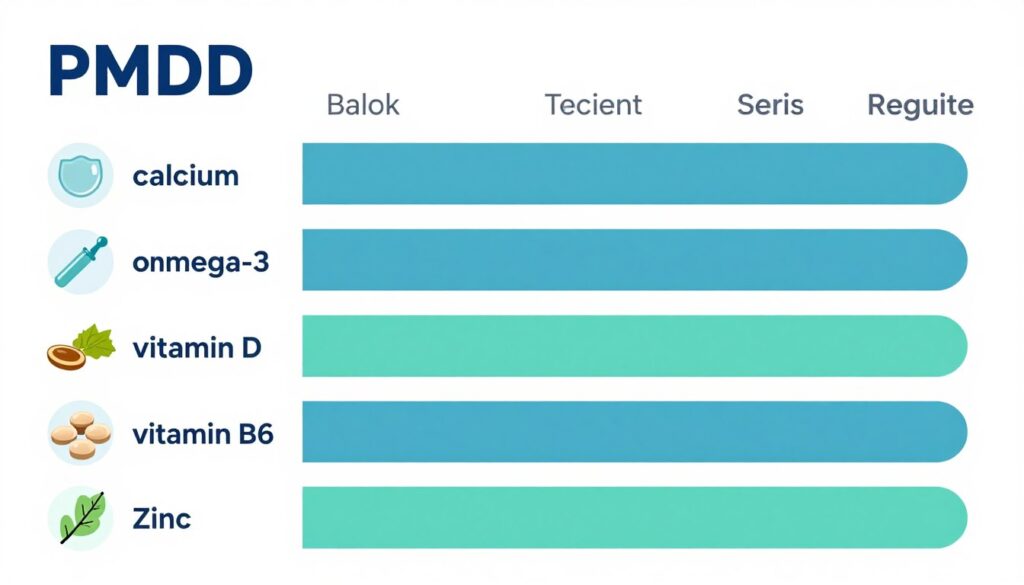
Based on our comprehensive evidence review, we ranked the most studied supplements for PMDD. This ranking reflects the quantity and quality of research supporting each supplement’s effectiveness.
| Rank | Supplement | Evidence Strength | Typical Dose | Primary Benefits | Safety Profile |
| 1 | Calcium | Strong | 1,200 mg daily | Reduces mood and physical symptoms by 48% | Excellent when properly dosed |
| 2 | Magnesium | Strong | 200-360 mg daily | Improves mood, bloating, breast tenderness | Very good, mild digestive effects possible |
| 3 | Vitamin B6 | Moderate to Strong | 50-100 mg daily | Reduces mood symptoms, especially depression | Good at recommended doses |
| 4 | Omega-3 Fatty Acids | Moderate | 1,000-2,000 mg EPA/DHA | Anti-inflammatory, mood stabilization | Excellent, minimal side effects |
| 5 | Vitamin D | Moderate | 1,000-2,000 IU daily | Mood support, reduces inflammation | Very good, testing recommended |
| 6 | Zinc | Moderate | 30 mg daily | Physical and psychological symptom reduction | Good, may affect copper absorption |
Symptom-Specific Supplement Recommendations
Different PMDD symptoms respond better to specific supplements. This breakdown helps you target your most troublesome symptoms.
| Symptom Category | Most Effective Supplements | Expected Improvement |
| Mood Swings & Irritability | Calcium, Vitamin B6, Omega-3 | 30-50% reduction in severity |
| Depression & Sadness | Vitamin B6, Vitamin D, Omega-3 | Significant mood improvement after 2-3 cycles |
| Anxiety & Tension | Magnesium, Vitamin B6, Calcium | Reduced anxiety scores by 35-45% |
| Bloating & Water Retention | Magnesium, Calcium | Noticeable reduction in physical discomfort |
| Breast Tenderness | Magnesium, Vitamin B6 | 40-60% symptom reduction |
| Fatigue & Low Energy | Vitamin D, Magnesium, Omega-3 | Increased energy levels, better sleep quality |
| Food Cravings | Calcium, Magnesium | Reduced craving intensity |
Ready to Explore Specific Supplements in Depth?
Each supplement section below links to comprehensive, evidence-based guides with complete dosing protocols, safety information, drug interactions, and practical implementation strategies. These detailed resources help you make informed decisions about which supplements may work best for your specific PMDD symptoms.
Calcium for PMDD
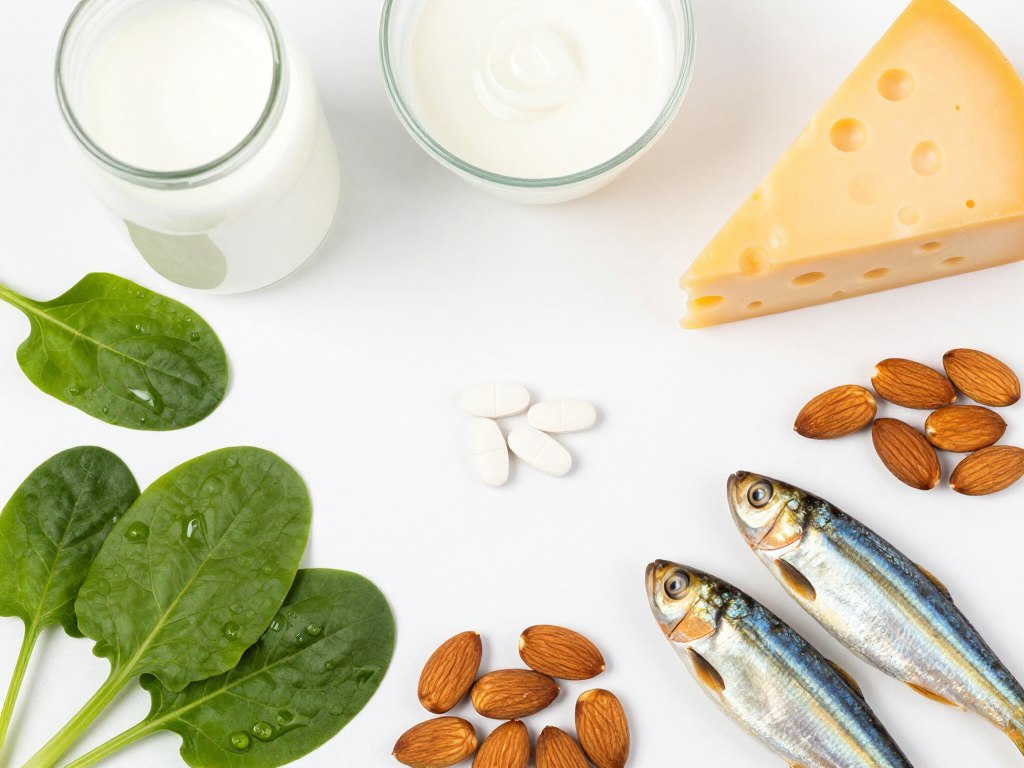
Calcium stands as the most well-researched supplement for premenstrual dysphoric disorder, with multiple high-quality studies demonstrating its effectiveness. The evidence is so compelling that some medical professionals consider calcium supplementation a first-line nutritional intervention for PMDD.
The Research Evidence
A landmark 1998 study published in the American Journal of Obstetrics and Gynecology found that 1,200 mg of calcium daily reduced overall PMDD symptoms by 48% compared to placebo. The study followed 466 women across three menstrual cycles and found improvements in mood symptoms, water retention, food cravings, and pain.
Subsequent research has consistently confirmed these findings. Women taking calcium supplements report significant reductions in negative mood, water retention, and pain during the luteal phase of their menstrual cycle. The effects typically become apparent after 2-3 months of consistent supplementation.
How Calcium Works for PMDD
Calcium plays crucial roles in neurotransmitter function and hormone regulation. Research shows that calcium levels fluctuate across the menstrual cycle, and women with PMDD may have disrupted calcium metabolism or increased calcium requirements during the luteal phase.
Calcium influences serotonin production and activity in the brain. Low calcium levels can worsen mood symptoms and increase sensitivity to hormonal fluctuations. Supplementation helps stabilize these processes, leading to symptom improvement.
Recommended Dosage and Form
The research-supported dose for PMDD is 1,200 mg of elemental calcium daily, typically divided into two 600 mg doses taken with meals for better absorption. Calcium carbonate and calcium citrate are both effective forms, though calcium citrate absorbs better on an empty stomach.
Continuous daily supplementation works better than luteal-phase-only dosing. Most women begin noticing improvements after two to three menstrual cycles of consistent use.
Safety and Considerations
Calcium supplementation is generally very safe at recommended doses. Some women experience mild digestive upset, constipation, or gas, which can often be minimized by taking calcium with food or switching supplement forms.
Women should not exceed 2,500 mg of total calcium daily from all sources (diet plus supplements) without medical supervision. Excessive calcium intake may interfere with absorption of other minerals like iron and zinc, and could potentially increase risk of kidney stones in susceptible individuals.
Who Should Consider Calcium for PMDD
Good Candidates
- Women with moderate to severe PMDD symptoms
- Those with low dietary calcium intake
- Women preferring non-pharmaceutical options
- Those with both mood and physical symptoms
- Women who can commit to daily supplementation
Use With Caution
- History of kidney stones
- Hypercalcemia or hyperparathyroidism
- Taking certain medications (check interactions)
- Already consuming very high calcium diet
- Digestive conditions affecting absorption
Magnesium for PMDD
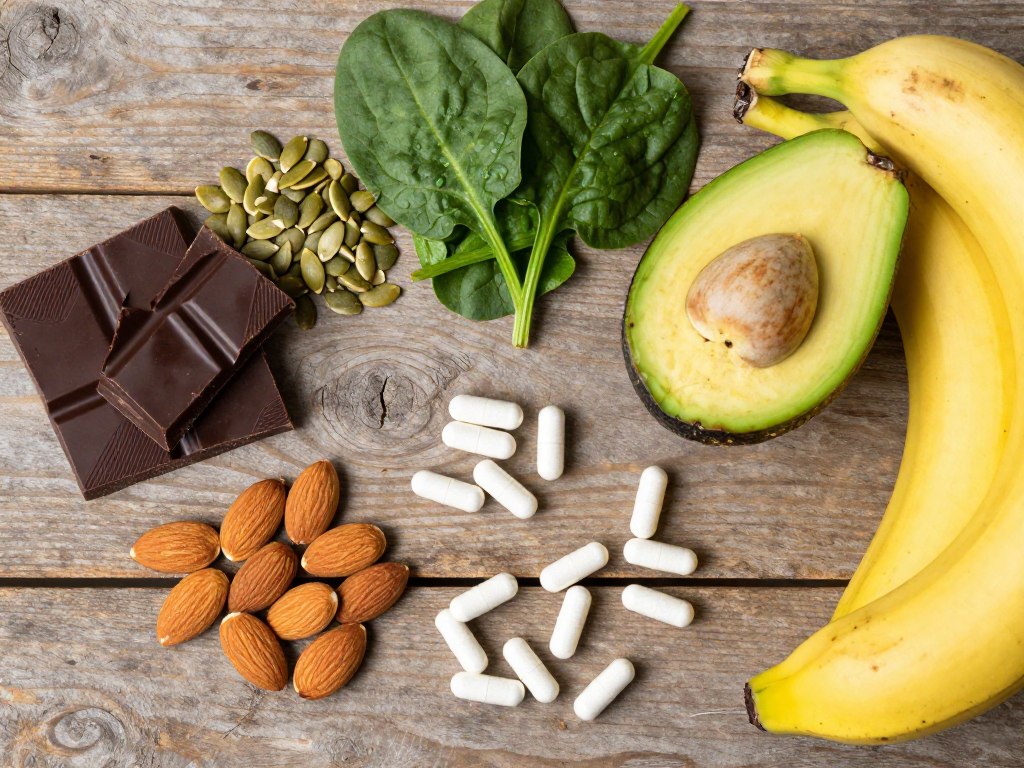
Magnesium ranks second in evidence strength for PMDD management. Multiple clinical trials demonstrate that magnesium supplementation significantly reduces both psychological and physical symptoms associated with premenstrual dysphoric disorder.
Clinical Evidence for Magnesium
Research consistently shows magnesium deficiency in women with severe PMS and PMDD. Studies indicate that magnesium levels fluctuate during the menstrual cycle, with the lowest concentrations occurring during the luteal phase when PMDD symptoms peak.
A meta-analysis of clinical trials found that magnesium supplementation significantly reduces premenstrual symptoms, particularly mood-related symptoms, fluid retention, and breast tenderness. One study showed that 200-360 mg of magnesium daily reduced symptom severity by approximately 35% after two months.
Mechanisms of Action
Magnesium functions as a natural relaxant with effects on multiple body systems relevant to PMDD. The mineral regulates neurotransmitter activity, particularly GABA, which has calming effects on the nervous system. This helps explain magnesium’s anxiety-reducing properties.
Magnesium also influences the stress response system, modulates inflammation, supports healthy blood sugar regulation, and affects hormonal pathways. These multiple mechanisms make magnesium particularly valuable for women experiencing both mood and physical PMDD symptoms.
Recommended Dosage and Forms
Effective doses in PMDD studies range from 200 to 360 mg of elemental magnesium daily. The specific form of magnesium matters significantly for absorption and tolerability.
- Magnesium glycinate: Highly absorbable, gentle on digestion, good for evening use due to calming effects
- Magnesium citrate: Well absorbed but may have mild laxative effects at higher doses
- Magnesium threonate: May cross the blood-brain barrier more effectively, beneficial for mood symptoms
- Magnesium oxide: Less well absorbed, primarily used for constipation rather than PMDD
Taking magnesium with meals can improve absorption and reduce digestive side effects. Splitting the dose between morning and evening may work better than a single large dose.
Symptom-Specific Benefits
| Symptom | Expected Benefit | Timeline |
| Anxiety & Tension | Significant reduction in nervous tension and restlessness | 2-4 weeks |
| Mood Swings | Improved emotional stability and reduced irritability | 4-8 weeks |
| Bloating & Water Retention | Reduced fluid retention and abdominal discomfort | 2-3 cycles |
| Breast Tenderness | Decreased breast pain and swelling | 2-3 cycles |
| Sleep Problems | Better sleep quality and easier sleep onset | 1-2 weeks |
| Headaches | Reduced frequency and intensity of menstrual migraines | 4-6 weeks |
Safety Profile and Interactions
Magnesium supplementation is very safe for most people at recommended doses. The most common side effect is loose stools or diarrhea, which typically indicates the dose is too high or the form isn’t well tolerated.
People with kidney disease should consult their doctor before taking magnesium supplements. Magnesium can interact with certain medications including some antibiotics, bisphosphonates, and diuretics. Spacing magnesium supplements several hours away from these medications usually prevents interactions.
Combining with Calcium: Many women benefit from taking both calcium and magnesium for PMDD. These minerals work synergistically, and some evidence suggests the combination may be more effective than either alone. A typical ratio is 2:1 calcium to magnesium (for example, 1,200 mg calcium with 400-600 mg magnesium daily).
Magnesium Quick Reference
- Start with 200 mg daily and increase gradually if needed
- Choose highly absorbable forms like glycinate or citrate
- Take with meals to reduce digestive side effects
- Consider evening dosing for anxiety and sleep benefits
- Allow 2-3 menstrual cycles to assess full effectiveness
- Track symptoms to identify your optimal dose
Omega-3 for PMDD
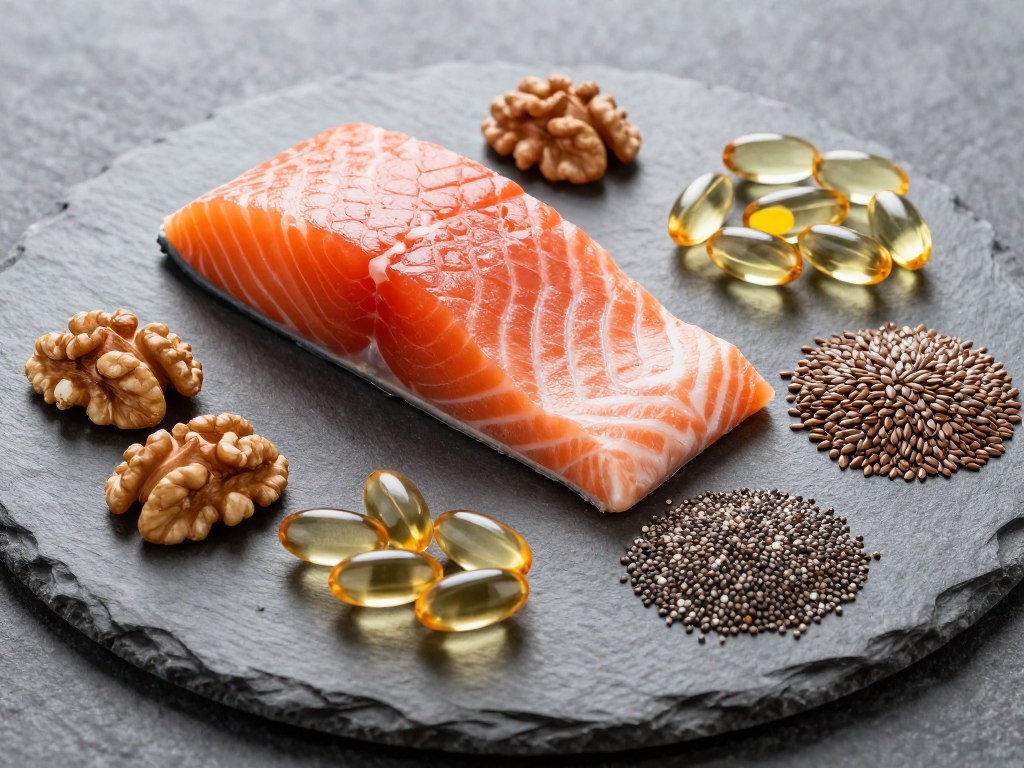
Omega-3 fatty acids, particularly EPA and DHA, show promising results for PMDD symptom management. While the research base is smaller than for calcium or magnesium, existing studies demonstrate significant benefits, especially for mood symptoms and inflammation.
Research Supporting Omega-3 Use
Several clinical trials have examined omega-3 supplementation for PMS and PMDD. A 2011 study found that women taking omega-3 supplements experienced greater reductions in depression, anxiety, and lack of concentration compared to placebo.
Research indicates that women with PMDD may have altered fatty acid metabolism or increased inflammatory responses during the luteal phase. Omega-3 fatty acids address both issues through their anti-inflammatory properties and effects on brain chemistry.
How Omega-3s Help PMDD Symptoms
Omega-3 fatty acids work through multiple pathways relevant to PMDD. EPA and DHA reduce inflammatory markers throughout the body and brain, which may help address the inflammatory component of PMDD symptoms.
These essential fats also influence neurotransmitter function and brain cell membrane fluidity. Omega-3s support healthy serotonin activity and may help stabilize mood by reducing excessive inflammatory responses to normal hormonal fluctuations.
Dosage and Supplement Selection
Effective omega-3 doses for mood disorders typically range from 1,000 to 2,000 mg of combined EPA and DHA daily. For PMDD, research suggests emphasizing EPA content, as this specific omega-3 fatty acid shows the strongest anti-inflammatory and mood-supporting effects.
When selecting an omega-3 supplement, look for products that clearly state EPA and DHA content. Many fish oil supplements contain only 300-500 mg of EPA/DHA per capsule despite being labeled as “1,000 mg fish oil.” Read labels carefully to ensure adequate dosing.
Omega-3 Supplement Forms
- Fish oil: Most common and affordable, typically high in both EPA and DHA
- Krill oil: Contains omega-3s in phospholipid form, may have better absorption
- Algal oil: Vegetarian/vegan option derived from algae, primarily provides DHA
- Prescription omega-3: Highly concentrated, purified EPA or EPA/DHA combinations
Expected Benefits and Timeline
Women taking omega-3 supplements for PMDD typically notice gradual improvements over 6-12 weeks. Unlike some supplements that show effects within days, omega-3s need time to incorporate into cell membranes and shift inflammatory balance.
The primary benefits include reduced depression and anxiety symptoms, improved mood stability, decreased physical pain and cramping, and potentially reduced breast tenderness. Some women also report better sleep quality and reduced fatigue.
Quality Considerations
Omega-3 supplement quality varies considerably. Important factors include:
- Purity and contaminant testing (heavy metals, PCBs)
- Freshness (oxidized fish oil loses effectiveness and tastes fishy)
- Form (triglyceride form absorbs better than ethyl ester)
- Third-party testing certification
- Proper storage to prevent oxidation
Taking Omega-3s Effectively
Optimize absorption and minimize side effects:
- Take with fatty meals for best absorption
- Store in refrigerator after opening
- Start with lower doses and increase gradually
- Take with vitamin E to reduce oxidation
- Consider divided doses if taking high amounts
Safety and Interactions
Omega-3 supplements have an excellent safety profile. The most common side effects are mild digestive upset, fishy aftertaste, or burping. Taking omega-3s with meals and choosing high-quality products minimizes these issues.
High-dose omega-3s can have mild blood-thinning effects. Women taking anticoagulant medications or with bleeding disorders should consult their healthcare provider before using omega-3 supplements. Omega-3s are generally safe to combine with other PMDD supplements.
Sustainability Note: Choose omega-3 supplements from sustainable sources when possible. Look for products certified by organizations like the Marine Stewardship Council (MSC) or made from fish oil byproducts rather than fish caught specifically for supplement production.
Omega-3 Implementation Checklist
- Select supplement with at least 1,000 mg combined EPA/DHA
- Prioritize EPA content for mood benefits
- Verify third-party testing for purity
- Check freshness date and proper storage
- Take with fatty meals to enhance absorption
- Allow 8-12 weeks to assess effectiveness
- Monitor for any adverse effects or interactions
Vitamin D for PMDD

Vitamin D has emerged as an important factor in PMDD management. Research links vitamin D deficiency to increased risk of mood disorders, and supplementation shows benefits for premenstrual symptoms, particularly depression and mood-related issues.
The Vitamin D and PMDD Connection
Studies show that vitamin D deficiency is common among women with PMDD and other mood disorders. Vitamin D receptors are present throughout the brain in areas involved in mood regulation, and the vitamin plays roles in neurotransmitter synthesis and inflammatory processes.
Research from 2019 found that vitamin D supplementation significantly reduced PMDD symptom severity. Women with vitamin D deficiency who corrected their levels through supplementation experienced notable improvements in mood symptoms, though effects took several months to fully manifest.
Mechanisms Supporting PMDD Symptom Relief
Vitamin D functions more like a hormone than a traditional vitamin, influencing hundreds of genes and biological processes. For PMDD, several mechanisms appear particularly relevant.
Vitamin D supports serotonin production in the brain and helps regulate the inflammatory response. The vitamin also influences the stress response system and may help modulate sensitivity to hormonal fluctuations. These multiple pathways explain why vitamin D supplementation can improve both mood and physical symptoms.
Testing and Optimal Levels
Unlike some supplements where testing isn’t necessary, vitamin D levels should ideally be measured before and during supplementation. Blood tests measure 25-hydroxyvitamin D, the standard marker of vitamin D status.
| Blood Level (ng/mL) | Status | Implications for PMDD |
| Below 20 | Deficient | Likely worsening mood symptoms, increased inflammation |
| 20-30 | Insufficient | Suboptimal for mood support, benefits from supplementation |
| 30-50 | Sufficient | Adequate for general health, may still benefit from optimization |
| 50-80 | Optimal | Best range for mood disorder support and PMDD management |
| Above 100 | Too High | Risk of toxicity, reduce supplementation |
Dosing Recommendations
Appropriate vitamin D dosage depends on baseline levels, body weight, sun exposure, and individual absorption. General guidelines for PMDD management suggest starting doses of 1,000-2,000 IU daily for maintenance or 2,000-5,000 IU daily if deficient.
Higher doses may be needed initially to correct deficiency, followed by lower maintenance doses. Working with a healthcare provider to monitor levels ensures safe and effective dosing tailored to individual needs.
Vitamin D Forms and Absorption
Vitamin D3 (cholecalciferol) is generally preferred over vitamin D2 (ergocalciferol) as it raises blood levels more effectively and maintains them longer. Vitamin D is fat-soluble, so taking it with fatty meals significantly improves absorption.
Some factors that affect vitamin D status include limited sun exposure, darker skin pigmentation, obesity, digestive conditions affecting fat absorption, and certain medications. Women with these factors often need higher supplementation doses.
Timeline for Results
Vitamin D supplementation requires patience. Blood levels typically take 2-3 months to rise and stabilize. Symptomatic improvements for PMDD often follow a similar timeline, with most women noticing gradual mood improvements over 8-12 weeks of consistent supplementation.
Cofactor Support: Vitamin D works together with other nutrients, particularly magnesium, vitamin K2, and calcium. Magnesium is required for vitamin D activation, while vitamin K2 helps direct calcium to bones rather than soft tissues. Consider these cofactors for optimal vitamin D effectiveness.
Vitamin D Action Plan for PMDD
- Get baseline vitamin D levels tested (25-hydroxyvitamin D blood test)
- Based on results, start appropriate supplementation dose
- Choose vitamin D3 supplements and take with fatty meals
- Ensure adequate magnesium intake to support vitamin D activation
- Retest vitamin D levels after 2-3 months of supplementation
- Adjust dose to maintain optimal levels (50-80 ng/mL)
- Continue monitoring levels every 6-12 months
Vitamin B6 for PMDD
Vitamin B6 has a long history of use for premenstrual symptoms, with research dating back several decades. Multiple studies support its effectiveness for PMDD, particularly for mood-related symptoms including depression, irritability, and fatigue.
Evidence Base for B6 in PMDD
A systematic review and meta-analysis of vitamin B6 for PMS found that supplementation significantly reduced overall premenstrual symptoms. Studies specifically examining PMDD show that vitamin B6 at doses of 50-100 mg daily reduces depression, irritability, and fatigue more than placebo.
One randomized controlled trial found that 80 mg of vitamin B6 daily for three menstrual cycles significantly improved emotional symptoms, with the greatest effects on depression and anxiety. The benefits appeared after the first month and increased with continued use.
How Vitamin B6 Works
Vitamin B6 plays essential roles in neurotransmitter synthesis. The vitamin is required for producing serotonin, dopamine, and GABA, all of which influence mood and emotional regulation. Women with PMDD may have increased vitamin B6 requirements or altered B6 metabolism during the luteal phase.
B6 also helps regulate hormone metabolism and supports the nervous system stress response. These mechanisms explain why the vitamin shows particular effectiveness for mood symptoms associated with PMDD.
Recommended Dosage
Research supports vitamin B6 doses of 50-100 mg daily for PMDD management. This is considerably higher than the RDA (1.3-1.7 mg for adult women) but remains well within safe limits when taken appropriately.
Starting with 50 mg daily and increasing to 100 mg if needed after 4-6 weeks allows assessment of individual response while minimizing risk of side effects. Doses above 100 mg daily should only be taken under medical supervision.
Forms of Vitamin B6
Vitamin B6 supplements come in several forms with different properties and effectiveness.
- Pyridoxine HCl: Most common and studied form, requires conversion to active form in the body
- Pyridoxal-5-phosphate (P5P): Active form, may work better for some people, especially those with conversion issues
- Pyridoxine plus magnesium: Combination products, as magnesium is needed for B6 activation
Both pyridoxine and P5P are effective for PMDD. P5P may offer advantages for women who don’t respond well to standard pyridoxine supplementation.
Expected Results and Timeline
Many women notice improvements in mood symptoms within the first menstrual cycle of vitamin B6 supplementation, though maximal benefits typically develop over 2-3 cycles. Emotional symptoms like depression, irritability, and mood swings tend to respond better than physical symptoms.
Safety Considerations
Vitamin B6 is generally safe at recommended doses but can cause toxicity at very high levels. Long-term use of doses above 200 mg daily has been associated with peripheral neuropathy (nerve damage causing numbness and tingling in extremities).
At the recommended 50-100 mg daily dose for PMDD, vitamin B6 is very safe for most women. Side effects at this level are rare and typically mild, possibly including nausea or headache. These usually resolve with dose reduction.
Important Safety Note: Do not exceed 100 mg daily without medical supervision. If you experience any numbness, tingling, or nerve-related symptoms while taking B6, stop immediately and consult your healthcare provider. Regular monitoring is recommended for long-term use at higher doses.
Maximizing B6 Effectiveness for PMDD
- Take consistently every day, not just during luteal phase
- Combine with magnesium for better activation and absorption
- Consider P5P form if standard B6 doesn’t help after 3 cycles
- Take with food to minimize stomach upset
- Track mood symptoms to assess individual response
- Allow 2-3 menstrual cycles for full effectiveness
- Stay within 50-100 mg daily dosage range
Zinc for PMDD

Zinc is an essential mineral involved in hundreds of enzymatic processes throughout the body. Emerging research suggests zinc supplementation may help reduce both physical and psychological PMDD symptoms, though the evidence base is smaller than for other supplements discussed above.
Research on Zinc for PMDD
Studies examining zinc status in women with PMS and PMDD have found correlations between lower zinc levels and increased symptom severity. A randomized controlled trial published in 2015 found that 30 mg of zinc daily significantly reduced physical, psychological, and behavioral symptoms of PMS compared to placebo.
While specific PMDD studies are limited, research on zinc’s effects on mood disorders, inflammation, and hormonal regulation provides theoretical support for its use in PMDD management. The mineral shows particular promise for women with documented zinc deficiency.
Mechanisms of Action
Zinc influences multiple processes relevant to PMDD. The mineral plays crucial roles in neurotransmitter function, particularly supporting GABA activity, which has calming effects on the nervous system. Zinc also regulates inflammatory responses and supports healthy immune function.
Additionally, zinc is involved in hormone metabolism and regulation of the stress response system. The mineral acts as a cofactor for numerous enzymes involved in these processes, explaining its wide-ranging effects on PMDD symptoms.
Recommended Dosage and Forms
The effective dose in PMS research is approximately 30 mg of elemental zinc daily. This amount provides therapeutic benefits while remaining well below the upper tolerable limit of 40 mg daily for long-term use.
Zinc supplements come in various forms with different absorption rates and tolerability.
| Zinc Form | Absorption | Tolerability | Best For |
| Zinc Picolinate | Excellent | Very good | General use, best overall absorption |
| Zinc Glycinate | Very good | Excellent | Sensitive stomachs, gentle on digestion |
| Zinc Citrate | Good | Good | Budget-friendly option with good absorption |
| Zinc Gluconate | Moderate | Good | Over-the-counter availability, immune support |
| Zinc Oxide | Poor | Variable | Topical use only, not recommended for supplementation |
Timing and Administration
Zinc absorption is best on an empty stomach, but this can cause nausea in some people. Taking zinc with food reduces this side effect, though it also slightly decreases absorption. Finding the right balance depends on individual tolerance.
Zinc should be taken separately from calcium, iron, and copper supplements as these minerals compete for absorption. Spacing different mineral supplements several hours apart optimizes absorption of each.
Important Considerations for Long-Term Use
While zinc supplementation is generally safe at recommended doses, long-term high-dose use can interfere with copper absorption, potentially leading to copper deficiency. Symptoms of copper deficiency include anemia, neutropenia, and neurological problems.
Women taking zinc supplements long-term should either choose a product that includes a small amount of copper (typically 1-2 mg copper per 15-30 mg zinc) or ensure adequate dietary copper intake from foods like nuts, seeds, whole grains, and organ meats.
Expected Benefits and Timeline
Women taking zinc for PMDD may notice improvements in both physical and emotional symptoms over 2-3 menstrual cycles. Reported benefits include reduced irritability and mood swings, decreased physical discomfort including cramping and breast tenderness, improved skin health, and better stress resilience.
Testing Considerations: Unlike vitamin D, routine zinc testing isn’t typically necessary before supplementation at recommended doses. However, if you have symptoms of zinc deficiency (frequent infections, poor wound healing, hair loss, changes in taste or smell), ask your healthcare provider about testing. Serum zinc levels can help identify deficiency, though they don’t always reflect total body zinc status.
Zinc Supplementation Guidelines
- Start with 15-30 mg elemental zinc daily
- Choose highly absorbable forms (picolinate or glycinate)
- Take on empty stomach if tolerated, with food if nausea occurs
- Space away from other mineral supplements by 2-3 hours
- Consider products with small amounts of copper for long-term use
- Allow 2-3 menstrual cycles to assess effectiveness
- Don’t exceed 40 mg daily without medical supervision
Combination Supplements for PMDD
Many supplement manufacturers offer combination formulas specifically marketed for PMS or PMDD. These products typically contain multiple vitamins, minerals, and herbs in a single formulation. While convenient, combination supplements have both advantages and potential drawbacks to consider.
Advantages of Combination Formulas
Combination supplements offer several practical benefits for PMDD management. They simplify supplement regimens by combining multiple beneficial nutrients in one product, reducing the number of pills needed daily. Well-designed formulas include nutrients that work synergistically, potentially enhancing overall effectiveness.
Some combination products also provide dosages specifically researched for premenstrual symptoms, taking the guesswork out of determining appropriate amounts of each nutrient. Cost savings may occur when purchasing combinations versus buying each supplement individually.
Potential Drawbacks
However, combination supplements also present challenges. The doses of individual nutrients may not match the amounts shown effective in research studies. Some formulas include too many ingredients at ineffective doses rather than focusing on well-researched nutrients at therapeutic amounts.
Combination products make it difficult to identify which specific nutrients help your symptoms or cause side effects. You can’t easily adjust individual nutrient doses based on your response or needs. Quality can vary significantly between brands, and not all combinations are based on solid scientific evidence.
What to Look For in PMDD Combination Supplements
If you choose a combination supplement, select products that meet specific quality criteria to ensure safety and effectiveness.
- Contains calcium (1,000-1,200 mg) and magnesium (200-400 mg) at research-supported doses
- Includes vitamin B6 (50-100 mg) and vitamin D (1,000-2,000 IU)
- Uses highly bioavailable forms of minerals (citrate, glycinate, etc.)
- Third-party tested for purity and potency
- Manufactured by reputable companies with quality standards
- Transparent labeling showing specific amounts of each ingredient
- Free from unnecessary fillers, artificial colors, or allergens
- Based on published research rather than marketing claims
Common Combination Supplement Ingredients
| Ingredient Type | Common Components | Evidence Level |
| Core Minerals | Calcium, Magnesium, Zinc | Strong research support |
| B Vitamins | B6, B12, Folate, B-complex | Moderate to strong (especially B6) |
| Fat-Soluble Vitamins | Vitamin D, Vitamin E | Moderate support |
| Herbal Ingredients | Chasteberry (Vitex), Evening Primrose Oil | Mixed evidence, needs more research |
| Amino Acids | L-theanine, 5-HTP, Tryptophan | Preliminary evidence, proceed with caution |
Individual Supplements vs. Combinations
The choice between individual supplements and combination formulas depends on your specific situation, symptom profile, and preferences.
When to Choose Individual Supplements
- You want to start with one supplement at a time to assess response
- You need specific doses based on testing (vitamin D, iron, etc.)
- You have sensitivities or allergies to common formula ingredients
- You prefer customizing your regimen based on symptom changes
- You want maximum flexibility in adjusting individual nutrient doses
When Combinations May Work Better
- You want convenience and simplicity
- You’re taking multiple nutrients at standard doses
- You prefer fewer pills daily
- You’ve identified a high-quality, evidence-based formula
- Cost is a significant concern
Building Your Own Combination
Many women find the best results by strategically combining individual supplements rather than relying on pre-made formulas. A typical evidence-based PMDD supplement combination might include:
- Calcium carbonate or citrate: 1,200 mg daily (divided into two doses)
- Magnesium glycinate or citrate: 300-400 mg daily
- Vitamin D3: 2,000 IU daily (adjust based on blood levels)
- Vitamin B6: 50-100 mg daily
- Omega-3 fish oil: 1,000-2,000 mg EPA/DHA daily
- Optional: Zinc picolinate 15-30 mg daily
This approach allows you to use research-supported doses of each nutrient, adjust individual amounts based on your response, and easily identify which supplements provide the most benefit for your specific symptoms.
Cost-Effectiveness Tip: When building your own combination, purchase larger bottle sizes of individual supplements to reduce per-dose costs. Set up a system to track which supplements you take daily to ensure consistency. A weekly pill organizer can simplify managing multiple individual supplements.
Supplements That May Help but Need More Research

Beyond the well-researched supplements discussed above, several other nutrients and herbs show preliminary promise for PMDD management. While the evidence isn’t yet strong enough to recommend them as first-line treatments, they may be worth considering, especially for women who haven’t found adequate relief with better-studied options.
Chasteberry (Vitex agnus-castus)
Chasteberry is one of the most popular herbal supplements for premenstrual symptoms in Europe. Several studies suggest it may help reduce breast pain, irritability, and mood swings associated with PMS and PMDD.
A systematic review found that chasteberry extract significantly reduced overall PMS symptoms compared to placebo. The typical dose is 20-40 mg of standardized extract daily. However, chasteberry can affect hormonal systems and may interact with birth control pills or hormone medications, so medical supervision is advisable.
Evening Primrose Oil
Evening primrose oil contains gamma-linolenic acid (GLA), an omega-6 fatty acid that may help reduce inflammation and breast tenderness. While popular for PMS, research results are mixed, with some studies showing benefits and others finding no significant effects.
The typical dose is 1,000-3,000 mg daily. Evening primrose oil appears safe for most women but may increase bleeding risk when combined with blood-thinning medications. Evidence for PMDD specifically is limited compared to general PMS.
SAMe (S-Adenosyl Methionine)
SAMe is a compound involved in numerous metabolic processes, including neurotransmitter production. Research shows benefits for depression, and preliminary studies suggest it may help premenstrual mood symptoms.
Typical doses range from 400-1,600 mg daily. SAMe is generally well tolerated but can cause digestive upset and may interact with antidepressants. More PMDD-specific research is needed before making strong recommendations.
St. John's Wort
This herb has demonstrated effectiveness for mild to moderate depression. Some small studies suggest benefits for PMS-related mood symptoms, though PMDD-specific research is limited.
St. John’s Wort interacts significantly with many medications, including birth control pills, antidepressants, and blood thinners. These interactions can reduce medication effectiveness or cause serious side effects, making medical consultation essential before use.
Chromium
Chromium helps regulate blood sugar and may reduce carbohydrate cravings associated with PMDD. One small study found that 200 mcg of chromium picolinate daily reduced food cravings and some mood symptoms in women with PMS.
More research is needed to confirm these findings and establish optimal dosing. Chromium appears safe at recommended doses but may affect blood sugar medication effectiveness in people with diabetes.
L-Tryptophan and 5-HTP
These amino acids serve as precursors to serotonin production. Theoretically, they could help address the serotonin imbalances associated with PMDD. Small studies show some promise, particularly for mood symptoms and carbohydrate cravings.
However, both substances can interact with antidepressants and other medications affecting serotonin. They should only be used under medical supervision, especially if taking any psychiatric medications.
| Supplement | Preliminary Evidence | Typical Dose | Key Considerations |
| Chasteberry | Moderate – several positive studies | 20-40 mg extract daily | May affect hormones, interacts with birth control |
| Evening Primrose Oil | Limited – mixed results | 1,000-3,000 mg daily | Best for breast tenderness, mild bleeding risk |
| SAMe | Preliminary – needs more research | 400-1,600 mg daily | May interact with antidepressants |
| St. John’s Wort | Limited for PMDD specifically | 300 mg 3x daily | Significant drug interactions, avoid with medications |
| Chromium | Very preliminary – one small study | 200 mcg daily | May affect blood sugar medications |
Important Considerations for Emerging Supplements
When considering supplements with less established evidence, several factors deserve careful thought. First, prioritize well-researched options before trying emerging supplements. The evidence for calcium, magnesium, B6, omega-3, vitamin D, and zinc is much stronger.
Second, never combine multiple unproven supplements simultaneously. This makes it impossible to determine what’s helping or causing side effects. Third, be especially cautious about potential drug interactions. Herbs and amino acids affecting neurotransmitters can interact significantly with medications.
Always inform all healthcare providers about every supplement you take. Natural doesn’t mean risk-free, and some supplements can interact with medications or cause unexpected effects.
Research Limitations: Many studies on these emerging supplements have small sample sizes, lack placebo controls, or don’t use validated PMDD diagnostic criteria. Be skeptical of marketing claims and look for evidence from peer-reviewed studies. When trying emerging supplements, track symptoms carefully to objectively assess whether they provide benefits worth any costs or risks.
Supplements to Avoid or Use With Caution
Not all supplements marketed for PMDD are safe or effective. Some lack evidence, others carry significant risks, and a few may actually worsen symptoms for some women. Understanding which supplements to approach with caution helps you make safer choices.
Supplements With Insufficient Evidence
Many supplements claim to help PMDD based on theoretical mechanisms or marketing rather than actual clinical research. These include various proprietary blends, exotic botanicals, and trendy ingredients without specific PMDD studies supporting their use.
Products containing multiple unproven ingredients at low doses represent another category to approach cautiously. These “kitchen sink” formulas often include dozens of ingredients, none at therapeutic amounts proven effective in research.
Supplements That May Worsen Symptoms
Some supplements, while generally healthy, might exacerbate certain PMDD symptoms in susceptible individuals.
High-Dose Vitamin A
Vitamin A in high doses (above 10,000 IU daily) can cause mood changes, irritability, and depression in some people. It’s also toxic at very high levels. Stick to vitamin A from beta-carotene sources or moderate supplementation amounts.
Iron (Without Deficiency)
While iron deficiency worsens fatigue and mood, excess iron can cause oxidative stress and worsen inflammation. Only supplement iron if testing confirms deficiency. High iron levels may increase PMDD symptom severity.
Stimulant-Containing Supplements
Products containing caffeine, guarana, or other stimulants can worsen anxiety, irritability, and sleep problems already common in PMDD. Energy-boosting formulas often contain these ingredients.
Supplements With Significant Interaction Risks
Certain supplements pose particular risks when combined with medications or other supplements commonly used by women with PMDD.
St. John’s Wort Interactions: This herb significantly reduces effectiveness of birth control pills, antidepressants, blood thinners, and many other medications. Women taking hormonal contraception or SSRIs should avoid St. John’s Wort due to serious interaction risks.
| Supplement | Why to Use Caution | Potential Risks |
| High-Dose Vitamin B6 (>200 mg) | Can cause nerve damage at excessive doses | Peripheral neuropathy, numbness, tingling |
| St. John’s Wort | Major drug interactions | Reduces effectiveness of birth control, antidepressants, other medications |
| 5-HTP/Tryptophan with SSRIs | Risk of serotonin syndrome | Dangerous serotonin excess, requires medical supervision |
| Kava | Liver toxicity concerns | Potential liver damage, banned in some countries |
| Yohimbe | Cardiovascular effects, anxiety | Can worsen anxiety, raises blood pressure and heart rate |
| DHEA | Hormonal effects | May worsen hormone-sensitive conditions, needs medical supervision |
Quality and Purity Concerns
Beyond specific ingredients, quality issues affect supplement safety. The supplement industry faces less stringent regulation than pharmaceutical drugs, leading to potential problems.
- Contamination: Some supplements contain heavy metals, pesticides, or pharmaceutical drugs not listed on labels
- Inaccurate labeling: Products may contain more or less than labeled amounts of active ingredients
- Adulteration: Herbal products sometimes include unlisted ingredients or substituted plant species
- Lack of standardization: Herbal extracts vary widely in potency without standardization
Choosing products from reputable manufacturers with third-party testing helps minimize these risks. Look for certifications from organizations like USP, NSF, or ConsumerLab.
Red Flags in Supplement Marketing
Certain marketing claims should raise skepticism about supplement products.
- Claims of “curing” PMDD or other conditions
- Promises of dramatic results in unrealistic timeframes
- Proprietary blends hiding specific ingredient amounts
- “Miracle” cure or “secret” ingredient claims
- Testimonials without scientific evidence
- Pressure to buy large quantities immediately
- Lack of contact information or unclear company identity
- Products only available through multi-level marketing
When to Stop a Supplement
Discontinue any supplement immediately and consult your healthcare provider if you experience unexpected or concerning symptoms.
Stop taking a supplement if you notice:
- Allergic reactions (rash, hives, difficulty breathing)
- Severe digestive upset that doesn’t resolve
- Unusual fatigue or weakness
- Mood changes or worsening mental health symptoms
- Numbness, tingling, or nerve symptoms
- Yellowing of skin or eyes (possible liver problems)
- Persistent headaches or dizziness
- Any other unexpected or severe symptoms
How to Build a PMDD Supplement Plan

Creating an effective PMDD supplement plan requires more than just purchasing products. A strategic approach helps you find the right combination while monitoring effectiveness and safety. This step-by-step process guides you through building a personalized supplement regimen.
Step 1: Establish Your Baseline
Before starting any supplements, understand your current symptoms and health status. Track your PMDD symptoms for at least two complete menstrual cycles without supplements. This baseline data helps you objectively measure whether supplements provide benefits.
Use a standardized symptom tracking tool like the Daily Record of Severity of Problems (DRSP) or create your own detailed symptom log. Rate symptoms daily on a consistent scale, noting which occur during the luteal phase and resolve after menstruation begins.
Recommended Baseline Testing
- Vitamin D blood levels (25-hydroxyvitamin D)
- Complete blood count (to check for anemia/iron deficiency)
- Thyroid function tests (TSH, Free T4)
- Comprehensive metabolic panel (general health markers)
- Optional: Magnesium, zinc, B12 if deficiency suspected
Share test results with your healthcare provider to identify any deficiencies that should be addressed and to ensure supplements are appropriate for your health status.
Step 2: Start With Evidence-Based Core Supplements
Begin with supplements having the strongest research support for PMDD rather than trying many unproven products simultaneously. This focused approach makes it easier to assess what works for you.
Recommended Starting Protocol
Month 1: Add Calcium and Magnesium
- Calcium: 1,200 mg daily (600 mg twice daily with meals)
- Magnesium: 200-300 mg daily (single dose or divided)
- Track symptoms throughout the month
Month 2: Add Vitamin D and B6
- Continue calcium and magnesium at same doses
- Add Vitamin D: 2,000 IU daily (adjust based on blood levels)
- Add Vitamin B6: 50 mg daily
- Continue symptom tracking
Month 3: Add Omega-3 and Assess
- Continue all previous supplements
- Add Omega-3: 1,000-2,000 mg EPA/DHA daily
- Complete comprehensive symptom assessment
- Compare to baseline symptoms
Step 3: Track and Evaluate Response
Consistent tracking is essential for determining supplement effectiveness. Many women expect immediate results, but most PMDD supplements require 2-3 menstrual cycles to show full effects.
| What to Track | How to Track It | Frequency |
| PMDD Symptoms | Rate each symptom daily (0-5 scale or DRSP) | Daily throughout cycle |
| Supplement Adherence | Check off each dose taken | Daily |
| Side Effects | Note any new symptoms or reactions | As they occur |
| Menstrual Cycle | Mark cycle days, ovulation, period start/end | Daily |
| Lifestyle Factors | Note stress, sleep, exercise, diet changes | Daily or weekly summary |
| Overall Functioning | Rate work/relationship impact weekly | Weekly |
Step 4: Adjust and Optimize
After 3 months on your initial supplement protocol, evaluate results and make adjustments based on your response and any side effects experienced.
If You're Seeing Good Results:
- Continue current regimen for at least 3 more months
- Consider whether any supplements could be reduced or eliminated
- Maintain symptom tracking to ensure sustained benefits
- Reassess blood levels of vitamin D and other tested nutrients
If Results Are Partial or Minimal:
- Verify you’re taking therapeutic doses of each supplement
- Check supplement forms and quality (switch if needed)
- Consider adding zinc or other evidence-based options
- Evaluate lifestyle factors that may be interfering with results
- Discuss additional interventions with your healthcare provider
If You're Experiencing Side Effects:
- Identify which supplement is causing problems (stop one at a time)
- Try different forms of the problematic supplement
- Reduce doses and increase gradually
- Adjust timing (with food, different times of day)
- Consult healthcare provider if side effects persist
Step 5: Integrate With Comprehensive Care
Supplements work best as part of a multi-faceted PMDD management approach. While you’re building your supplement plan, also address other important factors.
Lifestyle Modifications
- Regular exercise (especially aerobic activity)
- Stress management techniques
- Adequate, consistent sleep
- Balanced diet limiting processed foods
- Reduced alcohol and caffeine
- Social support and connection
Professional Support
- Regular healthcare provider check-ins
- Therapy or counseling if needed
- Consider medication if symptoms remain severe
- Explore complementary therapies (acupuncture, etc.)
- Join PMDD support groups
- Work with registered dietitian if helpful
Long-Term Maintenance
Once you’ve found an effective supplement regimen, maintain it consistently while periodically reassessing your needs. Some women can reduce doses or eliminate certain supplements after extended periods of symptom control. Others benefit from continuing their regimen long-term.
Retest vitamin D levels every 6-12 months to ensure you’re maintaining optimal status. If you make significant lifestyle changes, become pregnant, or develop new health conditions, review your supplement plan with your healthcare provider.
Need More Support?
Building an effective PMDD supplement plan works best with professional guidance. Consider consulting with healthcare providers experienced in PMDD management, including integrative medicine doctors, naturopathic physicians, or registered dietitians specializing in women’s health. They can provide personalized recommendations based on your specific symptoms, health history, and test results.
Frequently Asked Questions (FAQ)

How long does it take for supplements to work for PMDD?
Most PMDD supplements require 2-3 complete menstrual cycles (8-12 weeks) to show full effectiveness. Some women notice improvements sooner, particularly with magnesium for anxiety or B6 for mood symptoms, but research shows maximal benefits develop over time as nutrients build to therapeutic levels in your body.
Calcium and magnesium typically show effects within 1-2 cycles, while omega-3 fatty acids and vitamin D may take longer (2-3 months) as they need time to incorporate into cell membranes and shift inflammatory balance. Be patient and track symptoms consistently to accurately assess effectiveness.
Can I take all the recommended PMDD supplements together?
Yes, calcium, magnesium, vitamin D, vitamin B6, omega-3s, and zinc can be safely taken together for most women. These nutrients don’t have concerning interactions with each other and may work synergistically. However, timing matters for optimal absorption.
Take calcium and magnesium together with meals, separate from iron supplements by 2-3 hours. Vitamin D should be taken with fatty meals for best absorption. Zinc works best on an empty stomach but can be taken with food if it causes nausea. Omega-3s should always be taken with meals. If you’re taking multiple supplements, consider splitting doses between morning and evening.
Should I take supplements every day or just during the luteal phase?
Research strongly supports continuous daily supplementation rather than luteal-phase-only dosing for most PMDD supplements. Studies showing benefits for calcium, magnesium, vitamin D, B6, and omega-3s used daily dosing throughout the entire menstrual cycle.
Daily supplementation maintains consistent nutrient levels, supports overall health beyond PMDD symptoms, and ensures you don’t forget to start supplements at the right time each cycle. The exception might be certain herbs like chasteberry, which some practitioners recommend taking continuously while others suggest luteal-phase dosing, though more research is needed.
Can supplements replace medication for PMDD?
For some women with mild to moderate PMDD, supplements alone provide sufficient symptom relief and may replace the need for medication. However, women with severe PMDD, especially those experiencing suicidal thoughts or severe functional impairment, typically require pharmaceutical treatment for safety and adequate symptom control.
Supplements work best as part of comprehensive PMDD management that may include lifestyle modifications, therapy, and medication when needed. Never stop prescribed medications without consulting your healthcare provider. Some women find that supplements allow them to use lower medication doses or enhance medication effectiveness when used together.
Are there any supplements that interact with birth control pills?
Most evidence-based PMDD supplements (calcium, magnesium, vitamin D, B6, omega-3s, zinc) do not significantly interact with hormonal birth control. However, St. John’s Wort significantly reduces birth control effectiveness and should be avoided by women using hormonal contraception.
High-dose vitamin C (above 1,000 mg) may slightly increase estrogen levels from birth control pills, though this is generally not concerning at moderate doses. Always inform your healthcare provider about all supplements you’re taking, especially if you rely on birth control for contraception.
What’s the difference between cheap and expensive supplement brands?
Price doesn’t always indicate quality, but several factors can justify higher costs for supplements. Premium brands often use more bioavailable forms of nutrients (like magnesium glycinate versus oxide), undergo third-party testing for purity and potency, use cleaner ingredients without unnecessary fillers, and maintain better quality control standards.
However, some expensive products simply have higher marketing costs without superior quality. Look for third-party certifications (USP, NSF, ConsumerLab), check ingredient forms and amounts, verify the company’s reputation and transparency, and compare active ingredient costs rather than total bottle prices. Generic store brands with good certifications can be excellent values.
Can I get enough of these nutrients from food alone?
While optimal nutrition is important, getting therapeutic doses of all PMDD-beneficial nutrients from food alone is challenging for most women. For example, achieving 1,200 mg of calcium daily requires 4 cups of milk or equivalent dairy, and getting 300 mg of magnesium requires significant amounts of nuts, seeds, and leafy greens.
Food should form the foundation of your nutrient intake, with supplements filling gaps and providing therapeutic amounts beyond what diet alone typically provides. Focus on calcium-rich dairy or fortified foods, magnesium from nuts and leafy greens, omega-3s from fatty fish, and vitamin D from sun exposure and fortified foods, then supplement as needed to reach research-supported doses for PMDD management.
What should I do if I don’t see results after 3 months?
If you haven’t seen improvements after 3 months of consistent supplementation at therapeutic doses, several factors could be involved. First, verify you’re taking high-quality supplements in the correct forms and amounts. Review your symptom tracking to ensure you’re measuring accurately.
Consider whether lifestyle factors (stress, poor sleep, diet) might be undermining supplement effectiveness. Discuss results with your healthcare provider, who may recommend adjusting doses, trying different supplement forms, adding other evidence-based supplements, or considering pharmaceutical treatments. Some women have underlying health conditions affecting nutrient absorption or metabolism that need to be addressed.
Are there any PMDD supplements safe during pregnancy or breastfeeding?
Many women find PMDD symptoms improve or disappear during pregnancy due to stable hormone levels, though some experience worsening symptoms postpartum. Calcium, magnesium, and vitamin D are generally safe during pregnancy and breastfeeding at appropriate doses and may already be in prenatal vitamins.
Omega-3s (especially DHA) benefit both mother and baby during pregnancy and lactation. However, vitamin B6 doses above 100 mg daily should be avoided during pregnancy. Herbal supplements and high doses of any nutrient require medical approval during pregnancy and breastfeeding. Always consult your obstetrician or healthcare provider before taking any supplements while pregnant or nursing.
How do I know if my PMDD supplements are high quality?
Look for several quality indicators when selecting PMDD supplements. Third-party testing certifications from USP, NSF International, or ConsumerLab.com verify that products contain what labels claim without harmful contaminants. Check that labels clearly list elemental amounts of minerals and active ingredient concentrations.
Reputable manufacturers provide transparent information about sourcing, manufacturing processes, and contact information for questions. High-quality supplements use bioavailable forms of nutrients (glycinate, citrate, or chelated minerals rather than oxides), avoid unnecessary fillers and additives, and have appropriate expiration dates with proper storage instructions. Research the company’s reputation and look for products specifically formulated based on clinical research rather than just marketing claims.
Final Thoughts

Managing premenstrual dysphoric disorder requires a comprehensive approach that addresses biological, psychological, and lifestyle factors. Supplements represent an important tool in this process, offering evidence-based support for both mood and physical symptoms with generally fewer side effects than pharmaceutical interventions.
The strongest evidence supports calcium, magnesium, vitamin B6, omega-3 fatty acids, vitamin D, and zinc for PMDD symptom management. These nutrients work through multiple mechanisms to support neurotransmitter function, reduce inflammation, stabilize mood, and address the root causes of PMDD symptoms.
Key Principles for Success
Successful supplement use for PMDD follows several important principles. First, prioritize supplements with strong research support before trying less-studied options. Start with one or two supplements and add gradually to identify what works specifically for you.
Track symptoms consistently to objectively measure effectiveness. Allow adequate time for supplements to work, typically 2-3 menstrual cycles for full effects. Choose high-quality products from reputable manufacturers with third-party testing verification.
Work with healthcare providers to ensure safety, monitor blood levels of key nutrients, and integrate supplements appropriately with any medications or other treatments you’re using.
Realistic Expectations
Supplements are not miracle cures for PMDD. While many women experience significant symptom reduction with appropriate supplementation, results vary considerably between individuals. Some women find supplements provide adequate relief as standalone interventions, while others use them to complement pharmaceutical treatments or other therapies.
The goal of supplement use isn’t necessarily complete symptom elimination but rather meaningful improvement in quality of life, reduced symptom severity, and enhanced ability to function during the luteal phase of your menstrual cycle.
Beyond Supplements
Remember that supplements work best as part of comprehensive PMDD management. Lifestyle factors including stress management, regular exercise, adequate sleep, balanced nutrition, and social support significantly impact PMDD symptoms. Mental health support through therapy or counseling helps many women develop coping strategies for managing difficult symptoms.
For women with severe PMDD, pharmaceutical interventions may be necessary for safety and adequate symptom control. Supplements can complement these treatments, sometimes allowing lower medication doses or enhanced effectiveness.
Taking Action
If you’re ready to try supplements for PMDD, start by establishing your symptom baseline through consistent tracking over at least two menstrual cycles. Consider getting blood tests for vitamin D and other nutrients to identify deficiencies that should be addressed.
Begin with the most well-researched supplements at appropriate doses, track your response carefully, and adjust based on results and tolerability. Be patient with the process, as finding the right combination for your individual needs takes time.
Continue Your PMDD Education
This comprehensive guide provides a strong foundation for understanding supplement options for PMDD. For detailed information about specific supplements, dosing protocols, safety considerations, and implementation strategies, explore our in-depth individual supplement guides. Each guide provides complete, evidence-based information to help you make informed decisions about your PMDD management approach.
A Message of Hope
Living with PMDD is challenging, but you’re not alone, and effective management strategies exist. While the journey to finding what works for you may require patience and experimentation, many women discover that strategic supplement use significantly improves their quality of life.
The research supporting nutritional approaches to PMDD continues to grow, offering increasing evidence for the role of supplements in managing this condition. By taking an informed, systematic approach to supplement use, you’re taking positive steps toward better symptom control and improved well-being.
Remember to be compassionate with yourself throughout this process. PMDD is a real medical condition deserving of proper treatment and support. Whether supplements become a primary intervention or one component of your comprehensive management plan, you deserve relief from the symptoms that have been disrupting your life.
Medically Reviewed By

Dr. Helloyze Ferreira Ancelmo
CRM-GO 31293
Dr. Helloyze Ferreira Ancelmo is a physician dedicated to mental health who offers care that transcends traditional medicine. Her approach focuses on deep clinical listening, responsible medical evaluation, and genuine acceptance of each individual’s story.
Based in Brazil, Dr. Ancelmo brings a holistic perspective to women’s mental health care, recognizing that conditions like PMDD require comprehensive, individualized treatment approaches that address biological, psychological, and social factors.
Her commitment to evidence-based practice combined with compassionate, patient-centered care ensures that treatment recommendations are grounded in current research while honoring each woman’s unique experience and needs.
Medical Disclaimer: This article is for informational and educational purposes only and does not constitute medical advice. Always consult with qualified healthcare professionals before starting any supplement regimen, especially if you have underlying health conditions, take medications, or are pregnant or breastfeeding. PMDD is a serious medical condition that may require professional treatment beyond supplements alone.