

Premenstrual dysphoric disorder affects millions of women with symptoms that disrupt daily life. The search for natural relief often leads to nutritional interventions that can support hormonal balance and mood regulation.
Zinc emerges as a promising mineral in managing PMDD symptoms. This essential nutrient plays vital roles in hormone metabolism, neurotransmitter function, and inflammation control.
This comprehensive guide examines the scientific evidence linking zinc to PMDD symptom relief. You’ll discover how this mineral works in your body, optimal dosing strategies, and safety considerations backed by research.
Quick Answer
Zinc supplementation may help manage PMDD symptoms by supporting hormonal regulation, improving mood stability, and reducing inflammation. Research suggests 15-30 mg daily of elemental zinc can benefit women with PMDD, particularly when combined with magnesium and vitamin B6. Zinc influences serotonin production, progesterone metabolism, and reduces the inflammatory response associated with severe premenstrual symptoms.
Key Takeaways
- Zinc plays essential roles in hormonal regulation during the menstrual cycle, particularly in the luteal phase when PMDD symptoms occur
- Scientific evidence suggests zinc supplementation can improve mood swings, irritability, and anxiety associated with premenstrual dysphoric disorder
- Optimal zinc dosage for PMDD ranges from 15-30 mg daily, with zinc picolinate showing superior absorption
- Zinc works synergistically with magnesium and vitamin B6 to enhance overall symptom relief
- Zinc deficiency correlates with increased PMDD symptom severity and mood changes
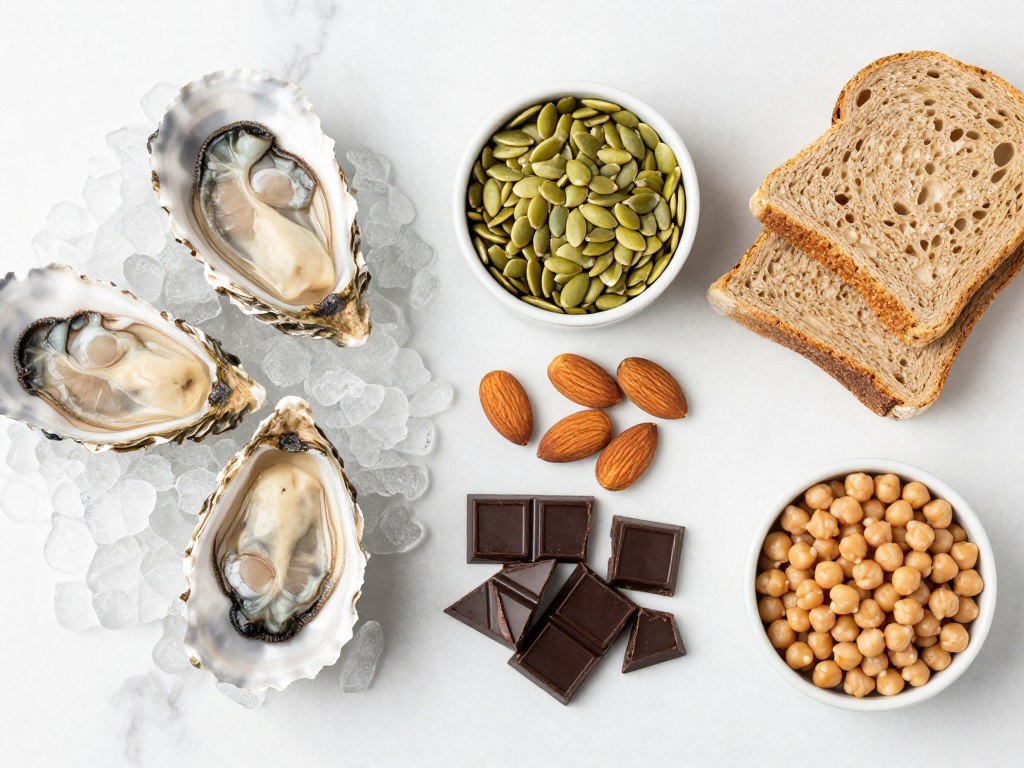
- Food sources include oysters, beef, pumpkin seeds, and fortified cereals providing natural zinc intake
- Long-term high-dose zinc supplementation requires medical supervision to prevent copper deficiency
Table of Contents
- What Is PMDD?
- Why Zinc Matters for Women’s Health
- Scientific Evidence on Zinc for PMDD
- Zinc and Hormonal Regulation
- Zinc and Mood Symptoms
- Zinc and Anxiety
- Zinc and Depression
- Zinc and Inflammation
- Zinc and Immune Function
- Best Zinc Dosage for PMDD
- Zinc Deficiency and PMDD Symptoms
- Zinc with Magnesium and Vitamin B6
- Food Sources of Zinc
- Risks, Side Effects, and Safety Considerations
- Frequently Asked Questions
- Final Thoughts
What Is PMDD?
Premenstrual dysphoric disorder represents a severe form of premenstrual syndrome. This condition affects approximately 3-8% of women during their reproductive years.
PMDD differs significantly from typical PMS. The symptoms are more intense and debilitating.
Core PMDD Symptoms
The condition manifests through multiple symptom categories. Mood symptoms dominate the clinical picture.
- Severe mood swings and emotional instability
- Marked irritability and anger
- Depressed mood and feelings of hopelessness
- Anxiety and tension
- Decreased interest in usual activities
Physical and Cognitive Symptoms
Physical symptoms accompany the emotional changes. These manifest during the luteal phase of the menstrual cycle.
- Bloating and breast tenderness
- Fatigue and low energy
- Appetite changes and food cravings
- Sleep disturbances
- Difficulty concentrating
- Physical symptoms like joint pain and cramps
PMDD vs. PMS: Key Differences
Premenstrual syndrome affects up to 75% of menstruating women. PMDD symptoms are far more severe.
Women with PMDD experience significant impairment in daily functioning. Work performance, relationships, and overall quality of life suffer dramatically during symptomatic periods.
The symptoms follow a predictable pattern. They appear during the luteal phase and resolve within a few days after menstruation begins.
Why Zinc Matters for Women's Health
Zinc functions as an essential mineral for hundreds of enzymatic processes. Women require adequate zinc levels for optimal health throughout their menstrual cycle.
Zinc's Role in Hormone Production
The mineral serves critical functions in hormone synthesis and metabolism. Zinc supports the production of progesterone and estrogen.
These hormones regulate the menstrual cycle. Imbalances contribute to PMDD symptoms.
Neurotransmitter Regulation
Zinc influences neurotransmitter activity in the brain. The mineral affects serotonin, dopamine, and GABA systems.
Serotonin dysregulation plays a central role in PMDD. Zinc supports proper serotonin metabolism and receptor function.
Anti-Inflammatory Properties
Inflammation increases during the luteal phase in women with PMDD. Zinc possesses anti-inflammatory properties that may reduce this response.
The mineral modulates inflammatory cytokines. This action may help control physical symptoms like cramps and bloating.
Overall Health Impact
Zinc supports immune function and cellular repair. Adequate levels contribute to overall health maintenance during hormonal fluctuations.
Women often have lower zinc status than men. Menstruation causes monthly zinc losses that require replenishment.
Scientific Evidence on Zinc for PMDD
Research examining zinc for PMDD remains limited but promising. Studies demonstrate potential benefits for mood symptoms and overall symptom severity.
Clinical Studies and Findings
Several studies have investigated zinc supplementation for premenstrual syndrome symptoms. The research suggests positive effects on mood-related symptoms.
One study examined zinc levels in women with PMS and premenstrual dysphoric disorder. Results showed lower zinc concentrations in symptomatic women compared to controls.
Research on zinc supplementation demonstrates improvements in mood swings and irritability. These represent core symptoms of PMDD.
Mechanisms of Action
The scientific evidence points to multiple mechanisms. Zinc influences hormonal regulation at the cellular level.
Studies show zinc affects neurotransmitter systems implicated in PMDD. The mineral modulates GABA receptors and serotonin activity in the brain.
Research Limitations
Most studies focus on premenstrual syndrome rather than PMDD specifically. More targeted research on severe premenstrual dysphoric disorder would strengthen the evidence base.
Sample sizes in existing studies remain relatively small. Larger clinical trials would provide more definitive conclusions about zinc’s effectiveness.
Struggling with PMDD Symptoms?
Dr. Helloyze Ferreira Ancelmo specializes in mental health approaches that address the root causes of hormonal mood disorders. Our evidence-based practice combines nutritional interventions with compassionate clinical care tailored to your unique needs.
Zinc and Hormonal Regulation
Zinc plays fundamental roles in the endocrine system. The mineral influences hormone synthesis, secretion, and metabolism throughout the menstrual cycle.
Progesterone and Estrogen Balance
The luteal phase sees dramatic hormonal changes. Progesterone levels rise while estrogen fluctuates.
Zinc supports the conversion of cholesterol to progesterone. Adequate zinc levels help maintain proper progesterone production during this critical phase.
The mineral also influences estrogen metabolism. Zinc helps the body process and eliminate excess estrogen efficiently.
Hormone Receptor Function
Zinc affects how cells respond to hormonal signals. The mineral is required for proper hormone receptor function.
Progesterone receptors depend on zinc for optimal activity. This relationship may explain why zinc deficiency worsens PMDD symptoms during the luteal phase.
Regulation of the HPA Axis
The hypothalamic-pituitary-adrenal axis controls stress response. This system becomes dysregulated in women with PMDD.
Zinc modulates HPA axis activity. The mineral helps regulate cortisol production and stress hormone balance.
Proper regulation of the HPA axis may reduce anxiety and mood symptoms. This represents another mechanism through which zinc may benefit PMDD.
Zinc and Mood Symptoms

Mood symptoms represent the defining feature of PMDD. Zinc influences multiple pathways that regulate emotional states and mood stability.
Serotonin System Modulation
Serotonin dysregulation underlies many PMDD mood symptoms. Research shows zinc affects serotonin neurotransmission.
The mineral influences serotonin receptor sensitivity. Zinc also affects the synthesis and metabolism of this crucial neurotransmitter.
Women with PMDD often respond to SSRIs, which increase serotonin availability. Zinc may provide a complementary mechanism for supporting serotonin function.
Impact on Mood Swings
Mood swings characterize PMDD and distinguish it from regular PMS symptoms. These rapid emotional changes disrupt daily functioning.
Studies suggest zinc supplementation reduces the severity of mood swings. The mineral’s stabilizing effect on neurotransmitter systems may explain this benefit.
Irritability and Emotional Reactivity
Irritability represents one of the most distressing PMDD symptoms. Women report increased anger and reduced frustration tolerance during the luteal phase.
Zinc affects GABA receptors that regulate emotional reactivity. Enhanced GABA activity promotes calmness and reduces irritability.
Research on premenstrual syndrome shows zinc supplementation decreases irritability scores. Similar benefits likely extend to premenstrual dysphoric disorder.
Zinc and Anxiety
Anxiety symptoms intensify during the luteal phase in women with PMDD. Zinc supplementation may offer relief through multiple neurological pathways.
GABA Receptor Activity
Gamma-aminobutyric acid serves as the brain’s primary inhibitory neurotransmitter. GABA reduces neuronal excitability and promotes relaxation.
Zinc acts as a positive modulator of GABA receptors. This action enhances the calming effects of GABA signaling.
Women with anxiety-predominant PMDD may particularly benefit from zinc’s GABAergic effects. The mineral provides a natural mechanism for anxiety reduction.
Stress Response Regulation
Chronic stress exacerbates PMDD symptoms. The body’s stress response becomes heightened during the luteal phase.
Zinc helps regulate the stress response system. The mineral influences cortisol metabolism and adrenal function.
Clinical Evidence
Studies examining zinc for anxiety disorders show promising results. Research demonstrates reduced anxiety scores with supplementation.
While specific studies on zinc for PMDD-related anxiety remain limited, the broader anxiety research suggests potential benefits. The mechanisms align with PMDD pathophysiology.
Zinc and Depression
Depressive symptoms occur in many women with PMDD during the luteal phase. Research connects zinc deficiency with increased depression risk and severity.
Zinc Deficiency and Depression
Multiple studies link low zinc levels to depression. Women with depression often show reduced serum zinc concentrations.
The relationship appears bidirectional. Depression may reduce zinc absorption while zinc deficiency worsens depressive symptoms.
Antidepressant Mechanisms
Zinc demonstrates antidepressant properties through several mechanisms. The mineral affects neurotrophic factors that support brain health.
Research shows zinc influences brain-derived neurotrophic factor (BDNF). This protein supports neuronal growth and resilience against stress.
BDNF levels decrease in depression. Zinc supplementation may help restore optimal BDNF activity.
Augmentation of Standard Treatment
Studies suggest zinc may enhance antidepressant efficacy. Research shows zinc supplementation alongside standard treatment improves outcomes.
Women taking SSRIs for PMDD might benefit from adding zinc. The combination may provide superior symptom relief compared to medication alone.
This synergistic effect warrants further investigation specifically in PMDD populations. The existing depression research provides encouraging preliminary evidence.
Zinc and Inflammation
Inflammation increases during the luteal phase in women with PMDD. This inflammatory response contributes to both physical and mood symptoms.
Anti-Inflammatory Properties
Zinc functions as a natural anti-inflammatory agent. The mineral modulates immune cell activity and cytokine production.
Pro-inflammatory cytokines like IL-6 and TNF-alpha rise during the luteal phase. These inflammatory markers correlate with PMDD symptom severity.
Zinc supplementation reduces inflammatory cytokine levels. This action may help control both physical symptoms and mood changes.
Physical Symptom Relief
Physical symptoms like cramps, bloating, and breast tenderness involve inflammatory processes. Zinc’s anti-inflammatory effects may provide relief.
Research shows zinc reduces prostaglandin production. Prostaglandins mediate pain and inflammation during menstruation.
Inflammation and Mood
Emerging research connects inflammation to mood disorders. The “inflammatory theory of depression” suggests cytokines affect brain function.
Women with PMDD show elevated inflammatory markers that may contribute to mood symptoms. Zinc’s ability to reduce inflammation could benefit both physical and emotional symptoms simultaneously.
For more information on managing PMDD through holistic approaches, explore our guide on acupuncture for PMDD symptoms.
Zinc and Immune Function
Zinc plays essential roles in immune system regulation. Adequate zinc levels support overall health during hormonal fluctuations.
Immune Cell Function
The mineral is required for proper immune cell development and function. T-cells, B-cells, and natural killer cells all depend on zinc.
Zinc deficiency impairs immune responses. This may increase susceptibility to infections during the vulnerable luteal phase.
Immune-Endocrine Interactions
The immune and endocrine systems communicate bidirectionally. Hormonal changes affect immune function and vice versa.
Zinc supports both systems simultaneously. The mineral helps maintain balance between hormonal and immune function.
Oxidative Stress Protection
Oxidative stress increases during the luteal phase. This cellular damage contributes to PMDD symptoms.
Zinc possesses antioxidant properties. The mineral protects cells from oxidative damage and supports cellular repair processes.
This protective effect may reduce the overall physiological burden during symptomatic periods. Supporting cellular health helps the body cope with hormonal changes more effectively.
Best Zinc Dosage for PMDD
Determining optimal zinc dosage requires balancing effectiveness with safety. Research suggests specific ranges that provide benefits without excessive risk.
Recommended Dosage Range
Studies examining zinc for PMS symptoms typically use 15-30 mg daily. This range appears effective for most women.
The recommended dietary allowance for adult women is 8 mg daily. Therapeutic doses for PMDD exceed this baseline recommendation.
Starting with 15 mg daily allows assessment of individual response. Dosage may increase to 30 mg if symptoms persist.
Forms of Zinc Supplements
Different zinc forms offer varying absorption rates. The supplement form significantly affects bioavailability.
High Absorption Forms
- Zinc picolinate – superior absorption
- Zinc citrate – good bioavailability
- Zinc glycinate – gentle on stomach
Lower Absorption Forms
- Zinc oxide – poor absorption
- Zinc sulfate – may cause nausea
- Zinc gluconate – moderate absorption
Timing and Duration
Daily supplementation throughout the menstrual cycle provides consistent benefits. Some women prefer increasing dosage during the luteal phase only.
Taking zinc with food reduces gastrointestinal side effects. However, certain foods like phytates in grains can reduce absorption.
Allow at least 8-12 weeks to assess effectiveness. Zinc’s benefits accumulate over time as levels normalize.
Individual Variation
Individual zinc requirements vary based on several factors. Dietary intake, absorption capacity, and deficiency severity all influence optimal dosing.
Women with documented zinc deficiency may require higher doses initially. Testing zinc levels can guide personalized dosing strategies.
Zinc Deficiency and PMDD Symptoms
Zinc deficiency affects a significant portion of the global population. Women of reproductive age face particular risk due to menstrual losses.
Prevalence and Risk Factors
Estimates suggest up to 17% of the world’s population has inadequate zinc intake. Women in developed countries still experience subclinical deficiency.
Several factors increase deficiency risk. These include vegetarian diets, digestive disorders, and high stress levels.
- Plant-based diets with high phytate content
- Malabsorption conditions affecting the gut
- Chronic stress depleting zinc stores
- Regular alcohol consumption
- Oral contraceptive use
Deficiency Symptoms Overlapping with PMDD
Zinc deficiency produces symptoms that mirror PMDD. Mood changes, fatigue, and irritability characterize both conditions.
Low zinc levels impair serotonin function. This creates mood instability similar to PMDD symptoms.
The overlap suggests zinc deficiency may worsen existing PMDD. Correcting deficiency could provide significant symptom relief.
Testing Zinc Status
Serum zinc tests provide the most common assessment method. However, these tests have limitations in detecting marginal deficiency.
Zinc levels fluctuate throughout the day. A single measurement may not reflect true zinc status.
Red blood cell zinc or white blood cell zinc offer more accurate long-term status indicators. These tests cost more but provide better information.
Correcting Deficiency
Addressing zinc deficiency requires both supplementation and dietary changes. Increasing zinc-rich food consumption supports long-term status.
Supplementation produces faster results than diet alone. Combining both approaches optimizes zinc repletion.
Symptoms may improve within 4-8 weeks of correcting deficiency. Mood symptoms often respond earlier than physical symptoms.
Zinc with Magnesium and Vitamin B6
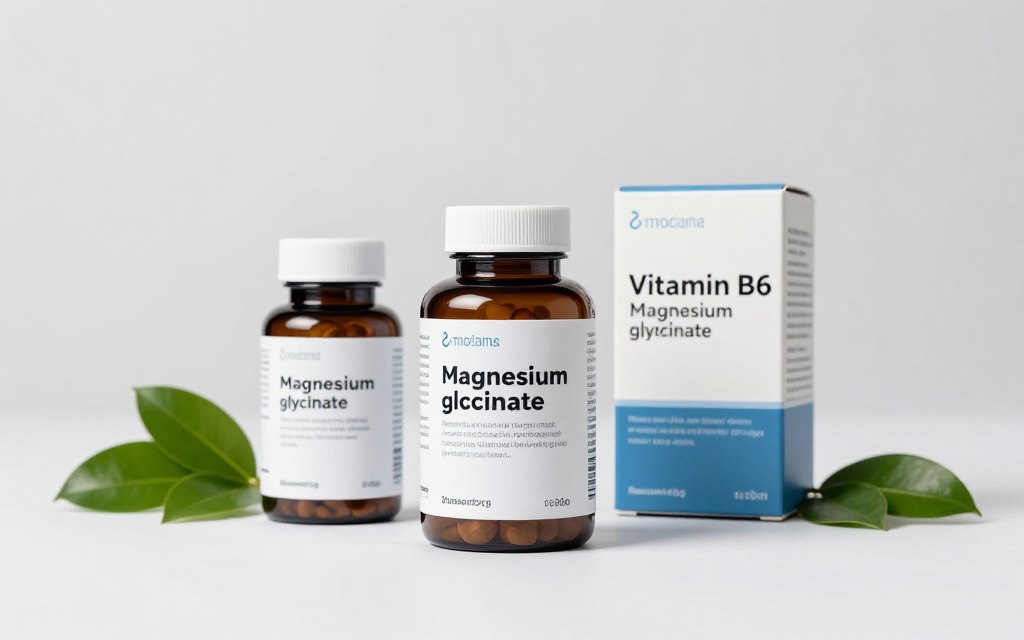
Combining zinc with other nutrients enhances PMDD symptom management. Magnesium and vitamin B6 show particular synergy with zinc supplementation.
The Synergistic Trio
Research demonstrates that magnesium, vitamin B6, and zinc work together more effectively than individually. Each nutrient supports different aspects of hormonal and neurological function.
This combination addresses multiple PMDD mechanisms simultaneously. The synergistic effect provides comprehensive symptom relief.
Magnesium's Complementary Role
Magnesium deficiency commonly co-occurs with PMDD. This mineral supports neurotransmitter function and reduces anxiety.
Magnesium and zinc work together in numerous enzymatic processes. Both minerals influence serotonin receptor activity.
Studies show magnesium supplementation reduces PMDD symptoms. Combining it with zinc may produce superior results.
Learn more about magnesium for PMDD and how it complements zinc therapy.
Vitamin B6 Benefits
Vitamin B6 serves as a cofactor in neurotransmitter synthesis. The vitamin is essential for serotonin and dopamine production.
Research on vitamin B6 for premenstrual syndrome shows significant benefits. Mood symptoms and physical symptoms both improve with supplementation.
Zinc and vitamin B6 support each other’s absorption and function. This nutrient partnership enhances overall effectiveness.
Discover the complete evidence on vitamin B6 for PMDD symptoms.
Combined Supplementation Protocol
A typical synergistic protocol includes specific dosages of each nutrient. Research suggests the following combination:
- Zinc: 15-30 mg daily
- Magnesium: 200-400 mg daily
- Vitamin B6: 50-100 mg daily
Taking these supplements together with food optimizes absorption. Splitting doses between morning and evening may enhance tolerability.
Additional Supportive Nutrients
Other nutrients also support PMDD management. Omega-3 fatty acids, vitamin D, and calcium show evidence for symptom relief.
Explore our comprehensive guides on omega-3 for PMDD, vitamin D for PMDD, and calcium for PMDD.
Building a comprehensive supplement protocol addresses multiple nutritional deficiencies. This approach provides the most robust symptom management strategy.
Food Sources of Zinc
Dietary zinc sources provide the foundation for adequate intake. Incorporating zinc-rich foods supports long-term nutritional status and overall health.
Top Zinc-Rich Foods
Animal sources provide the most bioavailable zinc. Plant sources contain zinc but also contain compounds that reduce absorption.
| Food Source | Serving Size | Zinc Content (mg) | % Daily Value |
| Oysters (cooked) | 3 ounces | 74 mg | 673% |
| Beef chuck roast | 3 ounces | 7 mg | 64% |
| Crab (Alaska king) | 3 ounces | 6.5 mg | 59% |
| Pumpkin seeds | 1 ounce | 2.2 mg | 20% |
| Cashews | 1 ounce | 1.6 mg | 15% |
| Chickpeas (cooked) | 1/2 cup | 1.3 mg | 12% |
| Oatmeal (fortified) | 1 packet | 1.1 mg | 10% |
Animal vs. Plant Sources
Animal sources provide highly bioavailable zinc. Meat, seafood, and poultry contain zinc in forms the body easily absorbs.
Plant sources contain phytates that bind zinc and reduce absorption. Soaking, sprouting, or fermenting plant foods reduces phytate content and improves zinc availability.
Dietary Strategies for Vegetarians
Women following plant-based diets require careful planning. Zinc intake recommendations increase by 50% for vegetarians to compensate for lower bioavailability.
Combining zinc-rich plant foods with strategies to reduce phytates helps optimize intake. These methods enhance absorption from plant sources:
- Soak nuts and seeds overnight before consuming
- Choose sprouted grains and legumes when possible
- Include fermented foods like tempeh and miso
- Avoid consuming zinc-rich foods with high-calcium foods
Meal Planning for Adequate Zinc
Incorporating zinc-rich foods throughout the day supports consistent intake. Planning meals around these foods ensures adequate consumption.
A sample day might include oysters or beef at dinner, pumpkin seeds as a snack, and fortified cereals at breakfast. This approach provides multiple opportunities for zinc intake.
Risks, Side Effects, and Safety Considerations

While zinc supplementation offers benefits, safety considerations require attention. Understanding potential risks helps women use zinc appropriately for PMDD.
Common Side Effects
Zinc supplements may cause gastrointestinal disturbances. These represent the most frequent side effects reported.
- Nausea and stomach upset
- Vomiting in sensitive individuals
- Metallic taste in the mouth
- Headaches in some users
Taking zinc with food significantly reduces these effects. Starting with lower doses and gradually increasing also improves tolerance.
Upper Intake Limits
The tolerable upper intake level for zinc is 40 mg daily for adults. Chronic intake above this level poses health risks.
Short-term use of higher doses under medical supervision may be appropriate. Long-term high-dose supplementation requires monitoring.
Copper Deficiency Risk
Excessive zinc supplementation interferes with copper absorption. This can lead to copper deficiency over time.
Copper deficiency causes anemia and neurological problems. Symptoms may develop with prolonged high-dose zinc intake.
Consider supplementing with copper when using zinc long-term. A ratio of 15:1 zinc to copper maintains balance.
Drug Interactions
Zinc interacts with several medications. These interactions may reduce drug effectiveness or increase side effects.
Important Interactions:
- Antibiotics (tetracyclines, quinolones) – separate by 2-6 hours
- Penicillamine – zinc reduces absorption
- Diuretics – may increase zinc losses
- ACE inhibitors – may increase zinc retention
When to Avoid Zinc Supplementation
Certain conditions require caution or avoidance of zinc supplements. Medical guidance becomes essential in these situations.
Women with kidney disease should exercise particular caution. Impaired kidney function affects zinc metabolism and excretion.
Pregnancy and Breastfeeding
Zinc requirements increase during pregnancy and lactation. However, supplementation should occur under medical supervision.
The upper limit remains 40 mg daily during pregnancy. Excessive intake may affect fetal development.
Quality and Purity Concerns
Supplement quality varies significantly between manufacturers. Third-party testing ensures products contain stated amounts without contaminants.
Look for certifications from USP, NSF International, or ConsumerLab. These organizations verify supplement quality and purity.
Monitoring and Medical Supervision
Regular monitoring helps ensure safe supplementation. Periodic zinc level testing guides dose adjustments.
Copper levels should also be checked with long-term zinc use. This prevents deficiency from developing unnoticed.
Working with a healthcare provider familiar with PMDD optimizes supplement protocols. Professional guidance personalizes treatment based on individual needs and responses.
Frequently Asked Questions (FAQ)
How long does zinc take to work for PMDD?
Most women notice improvements in PMDD symptoms within 8-12 weeks of consistent zinc supplementation. Mood symptoms may respond earlier than physical symptoms. Zinc works by gradually restoring optimal levels in the body, which takes time. Some women report subtle changes within the first month, but full benefits typically require 2-3 menstrual cycles. Consistency is essential for achieving results.
Can I take zinc during my period?
Yes, zinc supplementation should continue throughout the entire menstrual cycle, including during menstruation. Daily supplementation maintains consistent zinc levels in the body. Some protocols suggest increasing the dose during the luteal phase when PMDD symptoms occur, but baseline supplementation should remain constant. Menstruation actually increases zinc losses, making continued supplementation particularly important during this time.
What is the best form of zinc for PMDD?
Zinc picolinate offers the best absorption and bioavailability for most women. Zinc citrate and zinc glycinate also provide good absorption with minimal gastrointestinal side effects. Zinc glycinate is particularly gentle on the stomach, making it ideal for women with sensitive digestion. Avoid zinc oxide, which has poor absorption rates. The supplement form significantly affects how much zinc your body actually absorbs and uses.
Can zinc help with PMDD-related cramps?
Zinc may help reduce menstrual cramps through its anti-inflammatory properties. The mineral reduces prostaglandin production, which mediates pain and inflammation during menstruation. Research shows zinc supplementation decreases the severity of physical symptoms associated with premenstrual syndrome. While studies specific to PMDD are limited, the mechanisms suggest potential benefits for cramps. Zinc works best when combined with magnesium for physical symptom relief.
Should I take zinc with food or on an empty stomach?
Take zinc supplements with food to minimize gastrointestinal side effects like nausea and stomach upset. However, avoid taking zinc with high-calcium foods or calcium supplements, as calcium can interfere with zinc absorption. A moderate meal that doesn’t include dairy or calcium-fortified foods provides the best balance. Some women tolerate zinc better when taken in the evening with dinner rather than in the morning.
Can zinc replace antidepressants for PMDD?
Zinc should not replace prescribed medications without medical supervision. While zinc shows promise for managing PMDD symptoms, severe cases typically require comprehensive treatment including SSRIs or other medications. Zinc may serve as a complementary therapy alongside standard treatments or as a first-line approach for mild to moderate symptoms. Always consult with a healthcare provider before making changes to PMDD medication protocols.
What are signs of zinc overdose?
Zinc overdose symptoms include severe nausea, vomiting, loss of appetite, abdominal cramps, diarrhea, and headaches. Chronic excessive zinc intake may cause copper deficiency, leading to anemia, weakened immunity, and neurological problems. The tolerable upper intake level is 40 mg daily for adults. Acute toxicity typically occurs with doses exceeding 200 mg. Seek medical attention if you experience severe symptoms after zinc supplementation.
Does birth control affect zinc levels?
Yes, oral contraceptives can lower zinc levels in the body. Hormonal birth control affects mineral metabolism and may increase zinc requirements. Women using oral contraceptives may need higher zinc intake to maintain optimal levels. This effect varies between individuals and types of contraception. If you’re taking birth control and experiencing PMDD symptoms, testing zinc status can help determine if supplementation is needed.
Can I get enough zinc from diet alone?
Getting adequate zinc from diet alone is possible but challenging for some women. Those eating regular servings of oysters, red meat, and poultry can meet requirements through food. However, vegetarians, vegans, and women with restricted diets often struggle to obtain sufficient zinc. Plant-based sources contain compounds that reduce absorption. Women with PMDD may benefit from supplementation even with good dietary intake, as their requirements may be higher.
Is zinc safe for long-term use?
Zinc is generally safe for long-term use when taken at appropriate doses (15-30 mg daily). However, chronic supplementation requires periodic monitoring of zinc and copper levels. Long-term high-dose zinc can cause copper deficiency. Annual blood work helps ensure safe continued use. Most women can safely supplement with zinc indefinitely when staying within recommended ranges and working with a healthcare provider for monitoring.
Final Thoughts

Zinc offers a promising natural approach for managing PMDD symptoms. The scientific evidence, while still emerging, suggests meaningful benefits for mood symptoms, hormonal regulation, and inflammation control.
This essential mineral works through multiple mechanisms. Zinc influences serotonin activity, supports hormone metabolism, and reduces inflammatory responses that contribute to both physical and emotional symptoms.
The combination of zinc with magnesium and vitamin B6 provides synergistic benefits. This trio addresses multiple nutritional deficiencies commonly seen in women with PMDD.
Optimal results require patience and consistency. Zinc supplementation typically requires 8-12 weeks to produce noticeable improvements in symptoms.
Safety remains paramount when using supplements for PMDD. Staying within recommended dosages, monitoring for side effects, and working with knowledgeable healthcare providers ensures safe and effective supplementation.
While zinc shows promise, it represents one component of comprehensive PMDD management. Nutritional interventions work best alongside lifestyle modifications, stress management, and professional medical care when needed.
Every woman’s experience with PMDD is unique. What works remarkably well for one person may provide minimal benefits for another. This individuality makes working with healthcare providers familiar with PMDD especially valuable.
The journey to managing PMDD symptoms deserves compassionate, evidence-based support. Natural approaches like zinc supplementation empower women to take active roles in their health while addressing the root causes of symptoms.
Physician-Reviewed Article
Dr. Helloyze Ferreira Ancelmo, CRM-GO 31293
This article has been reviewed by Dr. Helloyze Ferreira Ancelmo, a physician dedicated to mental health care that transcends traditional medicine. Dr. Ancelmo’s practice focuses on deep clinical listening, responsible medical evaluation, and genuine acceptance of each individual’s story. Based in Brazil, Dr. Ancelmo brings specialized expertise in hormonal mood disorders and evidence-based nutritional interventions for women’s mental health.
Dr. Ancelmo’s approach emphasizes personalized care that addresses the unique biochemical, psychological, and lifestyle factors contributing to conditions like PMDD. Her commitment to integrative medicine combines the best of conventional treatment with natural therapeutic approaches.