

If you’re one of the millions of women experiencing severe mood swings, crippling anxiety, and overwhelming depression during the two weeks before your period, you know that premenstrual dysphoric disorder goes far beyond typical PMS. The intense emotional and physical symptoms can disrupt your work, relationships, and quality of life. While pharmaceutical treatments exist, many women are turning to dietary interventions as a powerful, natural way to manage PMDD symptoms.
Research shows that what you eat can significantly influence hormone levels, inflammation, and neurotransmitter production—all key factors in PMDD. This comprehensive guide brings together the latest scientific evidence on nutrition and PMDD, providing you with practical meal plans, grocery lists, and symptom-specific food recommendations that can help you reclaim control during your menstrual cycle.
Quick Answer: What Is the Best PMDD Diet Plan?
The most effective PMDD diet plan focuses on blood sugar stability, anti-inflammatory foods, and nutrients that support hormonal health. Key components include complex carbohydrates eaten regularly throughout the day, lean proteins, omega-3 fatty acids, magnesium-rich foods, calcium sources, and plenty of vegetables. Women should minimize caffeine, alcohol, refined sugars, and high-sodium processed foods, especially during the luteal phase of their menstrual cycle.
Studies demonstrate that dietary changes can reduce PMDD symptoms by up to 50% when combined with other lifestyle modifications. The diet emphasizes whole foods, regular meal timing, and specific nutrients that influence serotonin production and hormone metabolism.
Key Takeaways
- Diet can significantly impact PMDD symptoms by influencing hormone levels, inflammation, and neurotransmitter production
- Blood sugar stability is crucial—eating complex carbohydrates every 3-4 hours helps prevent mood swings and food cravings
- Magnesium, calcium, vitamin D, omega-3 fatty acids, and B vitamins are essential nutrients for managing premenstrual dysphoric disorder
- Anti-inflammatory foods can reduce the physical and emotional symptoms associated with PMDD
- Avoiding caffeine, alcohol, refined sugar, and high-sodium foods during the luteal phase can minimize symptom severity
- A whole-foods-based diet rich in vegetables, lean proteins, whole grains, and healthy fats provides the foundation for symptom management
- Consistency matters more than perfection—gradual dietary changes sustained over multiple cycles show the best results
- Individual responses vary, making food journaling an important tool for identifying personal triggers and beneficial foods
Table of Contents
- What Is PMDD?
- Can Diet Really Affect PMDD Symptoms?
- Scientific Evidence on Diet and PMDD
- The Best Foods for PMDD
- Foods That May Worsen PMDD Symptoms
- Blood Sugar Stability and PMDD
- Anti-Inflammatory Foods for PMDD
- Protein, Fiber, and Hormonal Health
- Omega-3 Rich Foods for PMDD
- Magnesium-Rich Foods for PMDD
- Calcium-Rich Foods for PMDD
- Vitamin D and Dietary Sources
- A 7-Day PMDD Diet Plan Example
- Common Diet Mistakes Women Make With PMDD
- Frequently Asked Questions
- Final Thoughts
What Is PMDD?
Premenstrual dysphoric disorder is a severe form of premenstrual syndrome that affects approximately 3-8% of menstruating women. Unlike typical PMS, which causes mild to moderate symptoms, PMDD produces debilitating emotional and physical effects that significantly impair daily functioning. The condition is recognized in the Diagnostic and Statistical Manual of Mental Disorders as a distinct psychiatric disorder.
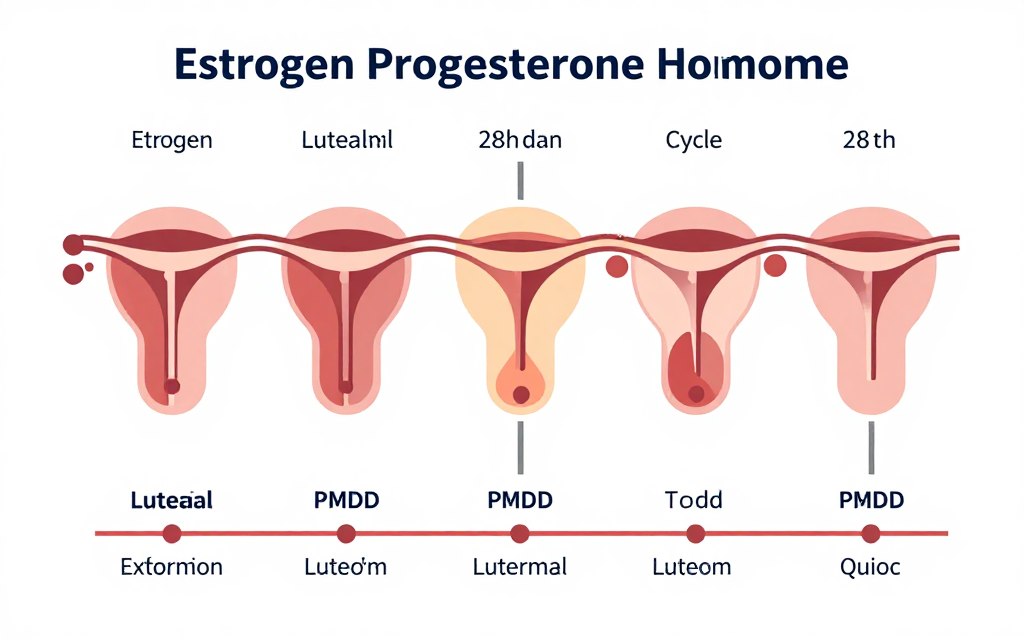
PMDD symptoms typically begin during the luteal phase of the menstrual cycle—the two weeks between ovulation and menstruation—and resolve within a few days after your period starts. This cyclical pattern distinguishes PMDD from other mood disorders like depression or anxiety, though it can occur alongside these conditions.
Core Symptoms of PMDD
The hallmark features of premenstrual dysphoric disorder include severe mood symptoms that go beyond normal premenstrual changes. Women with PMDD experience marked irritability or anger, profound sadness or hopelessness, intense anxiety or tension, and significant mood swings. These emotional symptoms are often accompanied by decreased interest in usual activities, difficulty concentrating, fatigue or low energy, and changes in appetite.
Physical symptoms frequently include breast tenderness, joint or muscle pain, bloating, and headaches. However, the emotional and mental health components distinguish PMDD from PMS. Many women describe feeling like a different person during the luteal phase, with symptoms severe enough to disrupt work performance, damage relationships, and interfere with social activities.
What Causes PMDD?
Researchers believe PMDD results from an abnormal response to normal hormonal fluctuations during the menstrual cycle. While estrogen and progesterone levels change throughout every woman’s cycle, women with PMDD appear to have heightened sensitivity to these hormonal shifts. This sensitivity affects neurotransmitter systems in the brain, particularly serotonin, which regulates mood, sleep, and appetite.
Studies show that women with premenstrual dysphoric disorder may have genetic variations that influence how their brain cells respond to reproductive hormones. Additionally, inflammation, stress response abnormalities, and nutritional deficiencies may contribute to symptom severity. This complex interplay of factors explains why a comprehensive approach including diet, lifestyle changes, and sometimes medication produces the best outcomes.
Can Diet Really Affect PMDD Symptoms?
The connection between nutrition and premenstrual dysphoric disorder is stronger than many women realize. Your diet influences three critical systems involved in PMDD: hormone production and metabolism, neurotransmitter synthesis, and inflammatory processes. Each meal you eat affects these systems within hours, making dietary interventions one of the most immediate and controllable aspects of PMDD management.
Hormones don’t exist in isolation—they require specific nutrients for production, activation, and elimination from the body. When your diet lacks these nutrients or includes substances that disrupt hormonal balance, symptoms can intensify. Similarly, the brain chemicals that regulate mood depend on adequate supplies of amino acids, vitamins, and minerals from food.
How Food Influences Hormone Levels
Your liver processes estrogen and other hormones, breaking them down for elimination. This detoxification process requires B vitamins, magnesium, and sulfur-containing compounds found in vegetables like broccoli and Brussels sprouts. When these nutrients are insufficient, hormones can accumulate or convert into more problematic forms, potentially worsening PMDD symptoms.
Fiber plays an essential role in hormone balance by binding to estrogen in the digestive tract and facilitating its removal. Women consuming high-fiber diets have lower circulating estrogen levels and better hormone ratios. Conversely, low-fiber, high-fat diets can increase estrogen reabsorption and contribute to hormonal imbalances throughout the menstrual cycle.
The Serotonin-Food Connection
Serotonin deficiency is central to PMDD symptoms. This neurotransmitter regulates mood, reduces anxiety, and controls impulse behavior. Interestingly, the body produces serotonin from tryptophan, an amino acid found in protein-rich foods. However, tryptophan needs carbohydrates to cross into the brain effectively.
This explains why many women with PMDD crave carbohydrate-rich foods during the luteal phase—their bodies are attempting to boost serotonin levels. The challenge is choosing complex carbohydrates that provide steady serotonin support rather than refined sugars that cause rapid spikes and crashes. The right dietary approach can support serotonin production naturally without the blood sugar instability that worsens mood swings.
Inflammation and Diet
Recent research highlights inflammation as a significant factor in PMDD. Pro-inflammatory compounds called prostaglandins increase during the luteal phase and contribute to pain, mood disturbances, and other symptoms. Diet directly influences inflammation levels—certain foods promote inflammatory processes while others reduce them.
Omega-3 fatty acids from fish, flaxseeds, and walnuts produce anti-inflammatory compounds that can counteract prostaglandins. Antioxidants in colorful vegetables and fruits combat oxidative stress associated with inflammation. Conversely, processed foods, refined oils, and excess sugar increase inflammatory markers and may intensify premenstrual symptoms.
Scientific Evidence on Diet and PMDD
Multiple clinical studies have examined the relationship between nutrition and premenstrual dysphoric disorder, building a substantial evidence base for dietary interventions. A systematic review published in the Journal of Reproductive Medicine analyzed data from over 2,000 women and found that dietary modifications produced measurable improvements in both physical and psychological PMDD symptoms.
Research consistently shows that women with PMDD often have different nutritional profiles than those without the condition. Studies document lower magnesium levels, reduced calcium intake, insufficient vitamin D, and altered fatty acid ratios in women experiencing severe premenstrual symptoms. These findings suggest that nutritional deficiencies may contribute to symptom development or severity.
Key Research Findings
A landmark study in the American Journal of Clinical Nutrition demonstrated that calcium supplementation reduced PMDD symptoms by 48% compared to placebo. Women receiving 1,200 mg of calcium daily experienced significant improvements in mood swings, food cravings, pain, and water retention. The effects became apparent after three menstrual cycles, highlighting the importance of sustained dietary changes.
Another important study examined magnesium’s role in premenstrual syndrome and found that women consuming 200-400 mg of supplemental magnesium experienced reduced fluid retention, breast tenderness, and mood symptoms. The mineral appears to influence neurotransmitter activity and reduce nervous system excitability, effects particularly beneficial during the luteal phase.
Research on omega-3 fatty acids shows promising results for PMDD management. A clinical trial published in Reproductive Health found that women taking omega-3 supplements experienced significant reductions in depression, anxiety, lack of concentration, and other mental health symptoms associated with premenstrual dysphoric disorder. The anti-inflammatory effects of these essential fatty acids likely contribute to symptom improvement.
Complex Carbohydrates and Mood Regulation
Studies investigating carbohydrate intake and PMDD reveal fascinating connections. Research shows that consuming complex carbohydrates in the afternoon and evening during the luteal phase improves mood and reduces depression scores. This effect relates to carbohydrates’ ability to increase tryptophan availability in the brain, supporting serotonin synthesis when levels naturally decline.
A study in the Journal of Women’s Health examined the impact of a carbohydrate-rich beverage on premenstrual symptoms. Women drinking the specially formulated beverage reported decreased depression, anger, and confusion, along with improved cognitive performance. The researchers concluded that strategic carbohydrate timing could serve as a non-pharmaceutical intervention for mood-related PMDD symptoms.
Limitations and Considerations
While the evidence supporting dietary interventions for PMDD is substantial, most studies examine individual nutrients or foods rather than comprehensive dietary patterns. The quality of research varies, with some studies using small sample sizes or short duration. Additionally, many investigations focus on premenstrual syndrome generally rather than specifically on the more severe premenstrual dysphoric disorder.
Individual responses to dietary changes vary considerably. Factors including genetics, gut microbiome composition, existing nutritional status, and overall diet quality influence outcomes. This variability means that while evidence-based dietary recommendations provide an excellent starting point, personalization based on individual response improves effectiveness.
The Best Foods for PMDD
Building your PMDD diet plan around nutrient-dense whole foods provides the foundation for symptom management. The most beneficial foods support stable blood sugar, reduce inflammation, supply mood-supporting nutrients, and promote healthy hormone metabolism. Rather than following restrictive eating patterns, focus on adding more of these therapeutic foods to your daily meals.
Quality matters as much as food choice. Organic produce reduces pesticide exposure, which can disrupt endocrine function. Wild-caught fish provides higher omega-3 levels than farmed varieties. Grass-fed dairy and meat contain better fatty acid profiles. While these premium options aren’t essential, they offer additional benefits when budget and availability allow.
Vegetables for PMDD
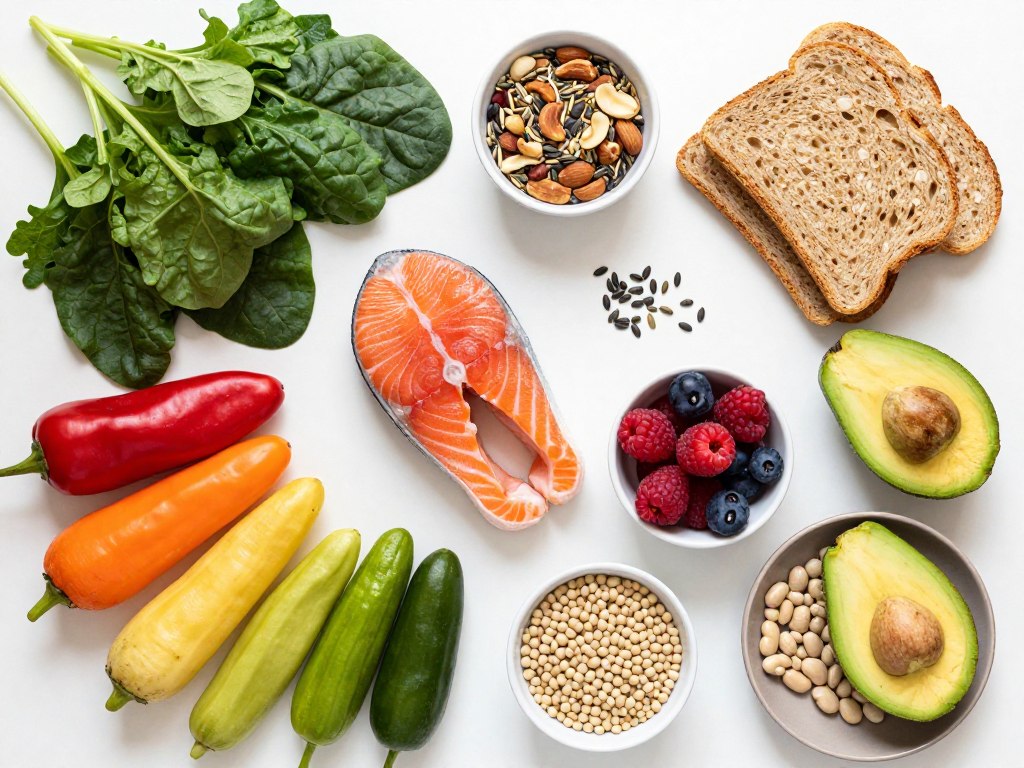
Vegetables should form the largest portion of your PMDD diet plan, providing fiber, antioxidants, vitamins, and minerals with minimal calories. Dark leafy greens like spinach, kale, and Swiss chard deliver magnesium, calcium, folate, and vitamin K. These nutrients support neurotransmitter production, reduce inflammation, and assist hormone metabolism.
Cruciferous vegetables including broccoli, cauliflower, Brussels sprouts, and cabbage contain compounds that support estrogen detoxification. They provide sulforaphane and indole-3-carbinol, substances that help the liver process hormones efficiently. Eating these vegetables throughout your menstrual cycle supports hormonal balance.
Colorful vegetables provide diverse phytonutrients with anti-inflammatory and antioxidant properties. Bell peppers, tomatoes, carrots, beets, and sweet potatoes deliver vitamin C, beta-carotene, and other protective compounds. These vegetables also contribute fiber for digestive health and blood sugar stability.
Complex Carbohydrates
Whole grains provide sustained energy release and support serotonin production. Quinoa, brown rice, oats, barley, and whole wheat contain B vitamins essential for energy metabolism and nervous system function. They deliver the complex carbohydrates needed to transport tryptophan into the brain for serotonin synthesis.
Legumes including lentils, chickpeas, black beans, and kidney beans offer an excellent combination of complex carbohydrates, protein, and fiber. They stabilize blood sugar, provide magnesium and folate, and support digestive health. The resistant starch in legumes feeds beneficial gut bacteria, potentially influencing mood through the gut-brain axis.
Sweet potatoes and other starchy vegetables bridge the gap between complex carbohydrates and vegetables, providing both categories’ benefits. They contain vitamins A and C, potassium, and fiber while satisfying carbohydrate cravings in a nutritious form.
High-Quality Proteins
Lean proteins supply the amino acids necessary for neurotransmitter production and blood sugar stability. Wild-caught salmon, sardines, and mackerel provide protein along with anti-inflammatory omega-3 fatty acids. These fish represent optimal protein choices for women with PMDD.
Poultry, including chicken and turkey, offers lean protein with tryptophan for serotonin production. Organic, pasture-raised options provide better nutrient profiles. Eggs deliver complete protein plus choline, important for brain function and mood regulation.
Plant-based proteins like tofu, tempeh, and edamame provide protein along with isoflavones, plant compounds that may help balance hormones. Nuts and seeds contribute protein plus healthy fats, vitamin E, and minerals. Combining different plant proteins ensures adequate amino acid intake.
Healthy Fats
Omega-3 rich foods deserve special attention in a PMDD diet plan. Fatty fish, walnuts, chia seeds, hemp seeds, and ground flaxseeds provide EPA and DHA or their precursor ALA. These essential fatty acids reduce inflammation, support brain health, and may improve mood symptoms. You can learn more about specific omega-3 benefits in our comprehensive guide to omega-3 for PMDD.
Monounsaturated fats from avocados, olive oil, and nuts support hormone production and reduce inflammation. These fats improve nutrient absorption, particularly for fat-soluble vitamins like D and E. They also promote satiety, helping prevent the overeating that often accompanies blood sugar fluctuations.
| Food Category | Top Choices | Key Nutrients | PMDD Benefits |
| Leafy Greens | Spinach, kale, Swiss chard, collard greens | Magnesium, calcium, folate, vitamin K | Mood support, reduces muscle tension, supports hormone metabolism |
| Fatty Fish | Salmon, sardines, mackerel, anchovies | Omega-3 fatty acids, vitamin D, protein | Reduces inflammation, improves mood, supports brain health |
| Whole Grains | Quinoa, brown rice, oats, whole wheat | B vitamins, fiber, complex carbs | Stabilizes blood sugar, supports serotonin production |
| Legumes | Lentils, chickpeas, black beans, peas | Protein, fiber, magnesium, folate | Blood sugar stability, provides sustained energy |
| Nuts and Seeds | Almonds, walnuts, pumpkin seeds, sunflower seeds | Magnesium, zinc, vitamin E, healthy fats | Hormone production, reduces oxidative stress |
| Cruciferous Vegetables | Broccoli, cauliflower, Brussels sprouts, cabbage | Fiber, vitamin C, sulforaphane | Supports estrogen metabolism, reduces inflammation |
Foods That May Worsen PMDD Symptoms
Understanding which foods to limit or avoid is as important as knowing what to eat. Certain foods and beverages can intensify PMDD symptoms by disrupting blood sugar, increasing inflammation, interfering with hormone metabolism, or affecting neurotransmitter balance. Many women find that eliminating or reducing these items during the luteal phase significantly improves their quality of life.
Individual sensitivities vary considerably. What triggers severe symptoms in one woman may cause minimal effects in another. Food journaling helps identify your personal triggers. Track your diet alongside symptoms throughout your menstrual cycle to spot patterns and connections.
Caffeine and PMDD
Caffeine consumption correlates with increased PMDD symptom severity in multiple studies. Research shows that women consuming more than 300 mg of caffeine daily experience more intense mood symptoms, breast tenderness, and irritability. Caffeine stimulates the nervous system, potentially exacerbating anxiety and mood swings already elevated during the luteal phase.
Coffee, tea, energy drinks, and chocolate contain varying amounts of caffeine. The compound also affects sleep quality, which can worsen fatigue and mood disturbances. Caffeine withdrawal can cause headaches and irritability, so gradual reduction works better than abrupt elimination. Consider switching to herbal teas or limiting caffeine to morning hours only.
Alcohol and Premenstrual Symptoms
Alcohol affects PMDD through multiple mechanisms. It disrupts sleep architecture, reducing restorative deep sleep and REM sleep. It depletes B vitamins essential for energy and mood regulation. Alcohol also affects liver function, potentially impairing hormone metabolism. Additionally, it causes blood sugar fluctuations that intensify mood swings and food cravings.
Many women report that alcohol tolerance decreases during the luteal phase, with smaller amounts producing stronger effects and worse hangovers. The depressant effects of alcohol can amplify the low mood and depression associated with premenstrual dysphoric disorder. Limiting or avoiding alcohol during the two weeks before menstruation often produces noticeable symptom improvement.
Refined Sugar and Simple Carbohydrates
While complex carbohydrates support serotonin production and mood stability, refined sugars and simple carbohydrates create blood sugar volatility that worsens PMDD symptoms. Foods like candy, pastries, white bread, and sweetened beverages cause rapid glucose spikes followed by crashes. These fluctuations trigger mood swings, irritability, fatigue, and intensify carbohydrate cravings.
Sugar also promotes inflammation throughout the body. Studies link high sugar intake to increased inflammatory markers and oxidative stress, both implicated in PMDD pathology. The temporary mood lift from sugar consumption often gives way to deeper mood disturbances within hours.
Hidden sugars in processed foods contribute substantially to total sugar intake. Sauces, condiments, yogurt, granola bars, and many “healthy” packaged foods contain significant added sugars. Reading labels and choosing whole foods minimizes unintentional sugar consumption.
High-Sodium Processed Foods
Excess sodium intake exacerbates fluid retention, bloating, and breast tenderness—common physical symptoms of PMDD. Processed and restaurant foods typically contain far more sodium than home-cooked meals prepared with whole ingredients. Chips, crackers, canned soups, frozen meals, deli meats, and fast food deliver substantial sodium loads.
Salt cravings often increase during the luteal phase, potentially driven by hormonal changes affecting electrolyte balance. However, indulging these cravings with high-sodium foods typically intensifies rather than relieves symptoms. Choosing naturally flavored whole foods and using herbs and spices instead of salt reduces sodium intake without sacrificing taste.
Trans Fats and Inflammatory Oils
Trans fats from partially hydrogenated oils and excessive omega-6 fatty acids from refined vegetable oils promote inflammation. These unhealthy fats appear in many processed foods, baked goods, fried foods, and margarine. They interfere with the beneficial effects of omega-3 fatty acids and contribute to systemic inflammation that may worsen PMDD symptoms.
Reading ingredient lists helps avoid trans fats, which manufacturers list as partially hydrogenated oils. Even products claiming “zero trans fats” may contain small amounts. Choosing whole foods, cooking with olive oil or avocado oil, and limiting fried and heavily processed foods reduces inflammatory fat intake.
Foods That May Worsen Symptoms
- Coffee and caffeinated beverages (especially over 200 mg daily)
- Alcohol in any form
- Refined sugar and high-fructose corn syrup
- White bread, pastries, and refined grains
- Processed meats and deli meats
- Fried foods and fast food
- High-sodium snack foods
- Artificial sweeteners
- Heavily processed foods with long ingredient lists
Why These Foods Cause Problems
Blood Sugar Disruption: Refined carbs and sugars create glucose spikes and crashes that intensify mood swings, irritability, and cravings.
Increased Inflammation: Trans fats, refined oils, and excess sugar promote inflammatory processes that worsen physical and emotional symptoms.
Hormone Interference: Alcohol and caffeine affect hormone metabolism and neurotransmitter balance, potentially amplifying PMDD symptoms.
Fluid Retention: High sodium intake worsens bloating, breast tenderness, and swelling during the luteal phase.
Nutrient Depletion: Alcohol and processed foods lack nutrients while depleting existing vitamin and mineral stores needed for mood regulation.
Blood Sugar Stability and PMDD
Blood sugar regulation emerges as one of the most critical dietary factors in PMDD management. The connection between glucose fluctuations and premenstrual symptoms is so strong that some researchers describe PMDD as a disorder of blood sugar metabolism. Understanding and implementing blood sugar stabilization strategies can dramatically reduce symptom severity.
During the luteal phase, insulin sensitivity naturally decreases, making blood sugar control more challenging. This hormonal shift explains why carbohydrate cravings intensify and blood sugar fluctuations worsen before menstruation. Women with PMDD often experience more pronounced insulin resistance during this phase, creating a greater need for dietary strategies that support glucose stability.
How Blood Sugar Affects PMDD Symptoms
When blood sugar drops rapidly, the body releases stress hormones including cortisol and adrenaline to restore glucose levels. These hormones trigger anxiety, irritability, shakiness, and mood swings—symptoms that mirror and intensify PMDD’s emotional manifestations. The brain, which relies primarily on glucose for fuel, becomes particularly sensitive to these fluctuations.
Low blood sugar also affects neurotransmitter production. Serotonin synthesis requires adequate glucose availability. When blood sugar drops, serotonin levels may decline, contributing to depression, anxiety, and carbohydrate cravings. This creates a vicious cycle where unstable blood sugar drives cravings for quick-acting carbohydrates that further destabilize glucose levels.
Conversely, high blood sugar triggers insulin release, which can cause subsequent hypoglycemia as glucose rapidly enters cells. This roller coaster of highs and lows throughout the day maintains a state of metabolic stress that compounds the hormonal stress of the luteal phase.
Strategies for Blood Sugar Stability
Eating every three to four hours prevents prolonged periods without food that lead to blood sugar drops. Regular meal timing maintains steady glucose availability for the brain and reduces stress hormone release. This approach proves especially important during the luteal phase when insulin sensitivity decreases.
Each meal and snack should combine protein, healthy fats, and complex carbohydrates. This macronutrient balance slows digestion and provides sustained energy release. Protein and fat slow carbohydrate absorption, preventing the rapid glucose spikes that lead to subsequent crashes. A snack of apple slices with almond butter provides better blood sugar support than an apple alone.
Starting the day with a protein-rich breakfast sets the tone for blood sugar stability. Research shows that high-protein breakfasts improve glucose control throughout the day and reduce afternoon and evening cravings. Eggs with vegetables, Greek yogurt with nuts and berries, or a protein smoothie provide excellent breakfast options.
Understanding the Glycemic Index
The glycemic index measures how quickly foods raise blood sugar. Low-glycemic foods produce gradual, sustained glucose increases, while high-glycemic foods cause rapid spikes. Choosing predominantly low-glycemic foods supports blood sugar stability essential for PMDD management.
Most whole, unprocessed foods have lower glycemic values than refined alternatives. Steel-cut oats have a lower glycemic index than instant oatmeal. Brown rice affects blood sugar more gradually than white rice. Whole fruit produces smaller glucose increases than fruit juice due to fiber content.
Food combinations affect glycemic response. Adding protein, fat, or fiber to higher-glycemic foods reduces their impact. Eating a slice of whole grain bread with peanut butter produces better blood sugar control than bread alone. Combining foods strategically allows flexibility while maintaining glucose stability.
Timing Carbohydrates Strategically
Distributing carbohydrate intake throughout the day prevents the blood sugar fluctuations that worsen mood symptoms. Rather than consuming most carbohydrates at one meal, spread them across breakfast, lunch, dinner, and snacks. This approach provides steady glucose for brain function while avoiding spikes and crashes.
Some evidence suggests that consuming complex carbohydrates in the evening during the luteal phase may particularly benefit mood. Evening carbohydrates support serotonin synthesis overnight, potentially improving sleep quality and next-day mood. A small serving of whole grains, sweet potato, or fruit with dinner provides this benefit.
| Time of Day | Blood Sugar Support Strategy | Example Meals/Snacks |
| Breakfast (7-9 AM) | High protein, moderate complex carbs, healthy fats | Vegetable omelet with whole grain toast, Greek yogurt with berries and walnuts, protein smoothie with spinach and chia seeds |
| Mid-Morning Snack (10-11 AM) | Protein + fat or protein + fiber | Apple slices with almond butter, handful of nuts, hard-boiled egg with cucumber slices |
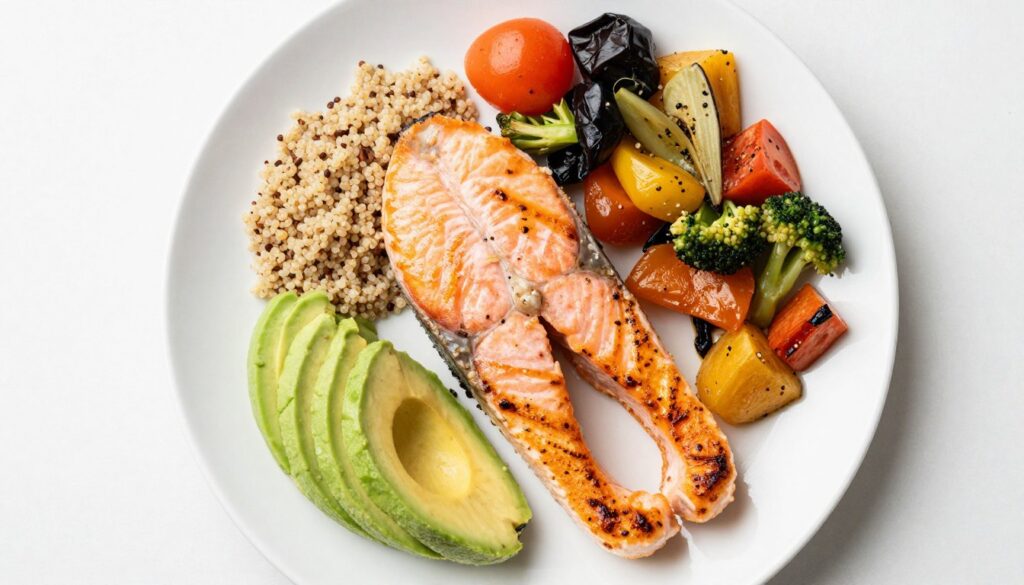
| Lunch (12-1 PM) | Balanced plate: protein, vegetables, whole grains, healthy fats | Grilled chicken salad with quinoa and avocado, salmon with brown rice and steamed broccoli, lentil soup with whole grain crackers |
| Afternoon Snack (3-4 PM) | Complex carb + protein + fat | Hummus with vegetables and whole grain crackers, cottage cheese with berries, trail mix with nuts and dried fruit |
| Dinner (6-7 PM) | Protein, vegetables, moderate complex carbs, healthy fats | Baked fish with sweet potato and roasted vegetables, stir-fry with tofu, brown rice, and mixed vegetables, turkey chili with beans |
| Evening Snack (optional, 8-9 PM) | Light protein + small complex carb portion | Small bowl of oatmeal with cinnamon, banana with peanut butter, whole grain toast with avocado |
Anti-Inflammatory Foods for PMDD
Chronic inflammation plays a significant role in PMDD pathology. Women with premenstrual dysphoric disorder often show elevated inflammatory markers, particularly during the luteal phase. Inflammation affects neurotransmitter metabolism, hormone signaling, and brain function—all critical factors in PMDD symptoms. An anti-inflammatory diet can reduce systemic inflammation and may substantially improve symptom severity.
Inflammation and mood are closely connected through immune system signaling molecules called cytokines. Pro-inflammatory cytokines can trigger depression, anxiety, fatigue, and cognitive changes. During the luteal phase, inflammatory processes naturally increase, which may partially explain why PMDD symptoms emerge during this time. Dietary strategies that reduce inflammation address one of the condition’s underlying mechanisms.
Top Anti-Inflammatory Foods
Fatty fish stand out as the most potent anti-inflammatory foods due to their high omega-3 content. Salmon, sardines, mackerel, and anchovies provide EPA and DHA, fatty acids that produce anti-inflammatory compounds called resolvins and protectins. These substances actively resolve inflammation rather than simply suppressing it. Eating fatty fish two to three times weekly provides therapeutic omega-3 levels. For detailed information on omega-3’s specific benefits for PMDD, see our complete omega-3 guide.
Berries contain powerful antioxidants called anthocyanins that combat oxidative stress and reduce inflammatory markers. Blueberries, strawberries, raspberries, and blackberries deliver these compounds along with fiber and vitamin C. Studies show that regular berry consumption lowers inflammatory markers and improves cognitive function.
Dark leafy greens provide antioxidants, vitamins, and minerals that support the body’s natural anti-inflammatory processes. Spinach, kale, collard greens, and arugula contain carotenoids and vitamin E that neutralize free radicals and reduce inflammation. These vegetables also supply magnesium and calcium, nutrients particularly important for PMDD management.
Turmeric contains curcumin, one of nature’s most powerful anti-inflammatory compounds. Research demonstrates that curcumin reduces inflammatory markers and may improve mood symptoms. Black pepper significantly increases curcumin absorption, so combining these spices enhances benefits. Adding turmeric to soups, stir-fries, smoothies, and curry dishes incorporates this anti-inflammatory spice into your PMDD diet plan.
Antioxidant-Rich Foods
Colorful vegetables and fruits provide diverse antioxidants that protect cells from oxidative damage associated with inflammation. The vibrant colors indicate specific phytonutrients: orange and yellow vegetables contain beta-carotene, red foods provide lycopene, purple produce delivers anthocyanins. Eating a rainbow of plant foods ensures comprehensive antioxidant intake.
Green tea contains polyphenols called catechins with strong anti-inflammatory and antioxidant properties. While green tea does contain caffeine, the amount is substantially less than coffee, and the calming amino acid L-theanine partially counteracts caffeine’s stimulating effects. One to two cups of green tea daily provides anti-inflammatory benefits without excessive caffeine.
Dark chocolate (70% cacao or higher) contains flavonoids that reduce inflammation and improve mood. Moderate consumption—about one ounce daily—provides benefits without excessive sugar or calories. Choose high-quality dark chocolate with minimal added sugar for the best therapeutic effect.
Herbs and Spices
Beyond turmeric, several herbs and spices offer anti-inflammatory benefits. Ginger reduces prostaglandins, inflammatory compounds that increase during menstruation and contribute to pain and mood disturbances. Fresh ginger tea or ginger added to meals provides natural anti-inflammatory effects.
Garlic contains sulfur compounds that reduce inflammatory markers and support immune function. Regular garlic consumption correlates with lower inflammation levels in population studies. Raw or lightly cooked garlic provides the most benefits.
Cinnamon improves insulin sensitivity and reduces inflammation. Adding cinnamon to oatmeal, smoothies, or yogurt enhances flavor while providing therapeutic benefits. Studies show that cinnamon consumption reduces inflammatory markers and improves blood sugar control.
Omega-3 Rich Anti-Inflammatory Foods
- Wild-caught salmon
- Sardines and anchovies
- Mackerel
- Walnuts
- Ground flaxseeds
- Chia seeds
- Hemp seeds
Antioxidant-Rich Foods
- Blueberries and strawberries
- Dark leafy greens
- Bell peppers
- Tomatoes
- Beets
- Green tea
- Dark chocolate (70%+ cacao)
Anti-Inflammatory Herbs & Spices
- Turmeric with black pepper
- Fresh ginger
- Garlic
- Cinnamon
- Rosemary
- Oregano
- Cayenne pepper
Protein, Fiber, and Hormonal Health
Protein and fiber play interconnected roles in hormone regulation, making both essential components of an effective PMDD diet plan. These macronutrients influence hormone production, metabolism, and elimination while supporting blood sugar stability and neurotransmitter synthesis. Understanding their specific functions helps optimize dietary choices for symptom management.
Protein's Role in PMDD Management
Adequate protein intake supports multiple physiological processes relevant to PMDD. Proteins break down into amino acids, the building blocks for neurotransmitters including serotonin, dopamine, and GABA. Without sufficient amino acid availability, neurotransmitter production suffers, potentially worsening mood symptoms.
Tryptophan, the amino acid precursor to serotonin, comes primarily from protein foods. However, tryptophan needs to compete with other amino acids to cross the blood-brain barrier. This is where carbohydrates help—they trigger insulin release, which clears competing amino acids from the bloodstream, allowing tryptophan preferential brain access. This explains why the combination of protein and complex carbohydrates works better than either alone for mood support.
Protein stabilizes blood sugar by slowing carbohydrate digestion and absorption. This prevents the glucose spikes and crashes that intensify irritability, anxiety, and mood swings. Including protein with each meal and snack provides steady energy and reduces the dramatic blood sugar fluctuations common in women with PMDD.
Most women should aim for 0.8 to 1.0 grams of protein per kilogram of body weight daily, distributed across meals. A 150-pound woman needs approximately 55-70 grams of protein daily. Active women or those building muscle may need slightly more. Spacing protein intake throughout the day optimizes utilization and blood sugar support.
Best Protein Sources for PMDD
Quality matters as much as quantity when choosing protein sources. Fatty fish like salmon provide protein plus anti-inflammatory omega-3 fatty acids. Poultry offers lean protein with tryptophan. Eggs deliver complete protein along with choline, important for brain health and mood regulation.
Plant-based proteins including legumes, tofu, tempeh, nuts, and seeds provide protein along with fiber, minerals, and beneficial compounds. Combining different plant proteins throughout the day ensures adequate intake of all essential amino acids. Quinoa and soy products offer complete protein profiles similar to animal sources.
Greek yogurt and cottage cheese provide protein plus probiotics that support gut health and may influence mood through the gut-brain axis. Choose plain varieties and add your own fruit to avoid excess sugar. Dairy also supplies calcium, a mineral strongly linked to PMDD symptom reduction. Our calcium guide explores this connection in detail.
Fiber's Critical Role in Hormone Balance
Dietary fiber influences hormone levels through multiple mechanisms. Fiber binds to estrogen in the digestive tract and facilitates its elimination, preventing reabsorption. This process, called enterohepatic recirculation, can significantly affect circulating estrogen levels. Women consuming high-fiber diets have lower blood estrogen concentrations and better hormone ratios.
The gut microbiome metabolizes fiber into short-chain fatty acids that reduce inflammation and support immune function. These beneficial compounds may influence mood and brain function through the gut-brain axis. Fiber also feeds beneficial bacteria that produce vitamins and neurotransmitter precursors.
Soluble fiber slows digestion and promotes satiety, supporting blood sugar stability and preventing overeating. This type of fiber, found in oats, beans, apples, and chia seeds, forms a gel-like substance that slows nutrient absorption. Insoluble fiber from vegetables, whole grains, and nuts adds bulk to stool and supports digestive regularity.
Most women fall short of the recommended 25-30 grams of daily fiber. Gradually increasing intake prevents digestive discomfort. Focus on whole plant foods rather than fiber supplements for maximum benefits. Vegetables, fruits, whole grains, legumes, nuts, and seeds provide fiber along with vitamins, minerals, and phytonutrients.
Combining Protein and Fiber
Meals combining protein and fiber provide optimal blood sugar control and hormone support. A lentil soup delivers both nutrients along with complex carbohydrates. A salmon salad with mixed greens and quinoa combines protein, fiber, and healthy fats. These combinations keep you satisfied longer while supporting stable energy and mood.
Snacks should also pair protein and fiber. Apple slices with almond butter, vegetables with hummus, or Greek yogurt with berries and ground flaxseed provide this beneficial combination. These balanced snacks prevent the blood sugar drops that trigger irritability and cravings during the luteal phase.
| Protein Source | Serving Size | Protein Content | Additional PMDD Benefits |
| Wild Salmon | 4 oz (113g) | 25g | High omega-3, vitamin D, anti-inflammatory |
| Chicken Breast | 4 oz (113g) | 26g | High tryptophan for serotonin production |
| Greek Yogurt (plain) | 1 cup (227g) | 20g | Calcium, probiotics for gut health |
| Lentils (cooked) | 1 cup (198g) | 18g | High fiber, folate, iron, blood sugar stability |
| Eggs | 2 large | 12g | Choline for brain health, complete protein |
| Almonds | 1/4 cup (28g) | 6g | Magnesium, vitamin E, healthy fats |
| Quinoa (cooked) | 1 cup (185g) | 8g | Complete protein, fiber, magnesium |
Omega-3 Rich Foods for PMDD
Omega-3 fatty acids represent one of the most thoroughly researched nutritional interventions for PMDD. These essential fats reduce inflammation, support brain health, regulate mood, and may directly improve premenstrual symptoms. Multiple clinical trials demonstrate that omega-3 supplementation reduces depression, anxiety, and physical symptoms in women with premenstrual dysphoric disorder.
The two most important omega-3 fatty acids for PMDD are EPA (eicosapentaenoic acid) and DHA (docosahexaenoic acid). EPA primarily affects mood and inflammation, while DHA supports brain structure and function. A third omega-3, ALA (alpha-linolenic acid), comes from plant sources and converts to EPA and DHA in limited amounts. The body’s conversion efficiency varies, so obtaining preformed EPA and DHA from marine sources provides more reliable benefits.
Marine Sources of Omega-3
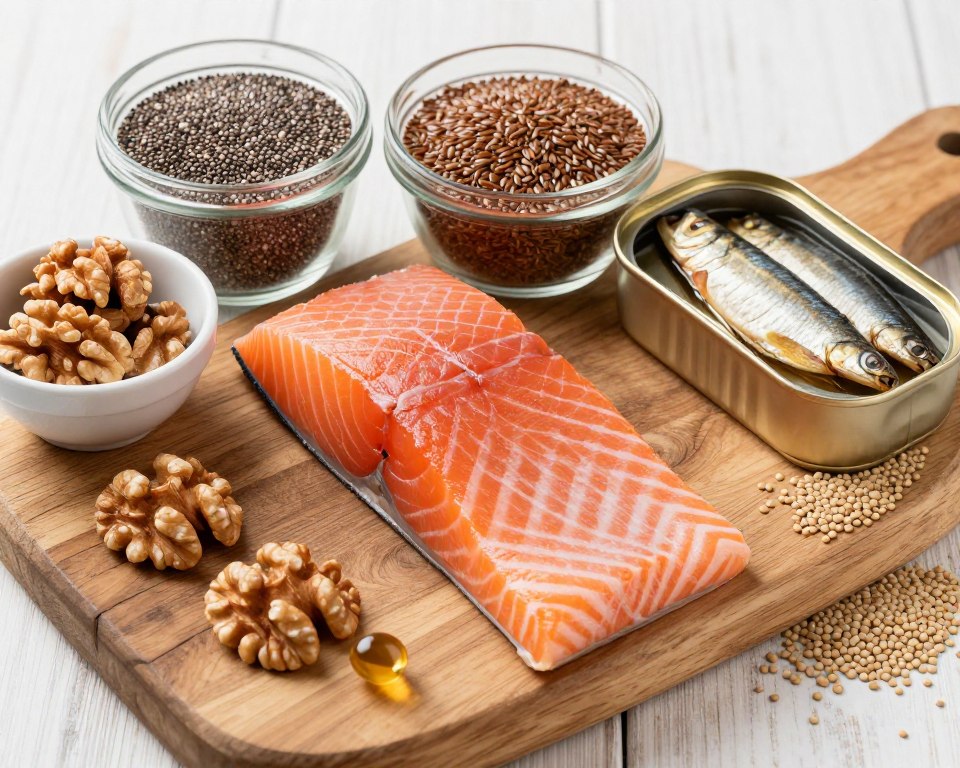
Fatty fish provide the highest concentrations of EPA and DHA. Wild-caught salmon offers approximately 1.5-2.5 grams of omega-3 per 4-ounce serving. Sockeye and king salmon contain particularly high levels. Canned salmon provides similar benefits at lower cost and includes edible bones rich in calcium.
Sardines pack impressive omega-3 content along with vitamin D, calcium, and protein in a small, sustainable package. A 3.75-ounce can of sardines provides approximately 1.5 grams of omega-3. Sardines also have minimal mercury contamination, making them safe for frequent consumption.
Mackerel, anchovies, and herring offer excellent omega-3 content. Atlantic mackerel provides about 1 gram of omega-3 per 3-ounce serving. These smaller fish accumulate less mercury than larger species like tuna, making them ideal choices for regular consumption. Anchovies add umami flavor to salads, pasta, and pizza while delivering omega-3 benefits.
For women who don’t eat fish, algae-based omega-3 supplements provide DHA and EPA from the same marine source that fish consume. These supplements suit vegetarian and vegan diets while delivering therapeutic omega-3 levels. For comprehensive information on omega-3 dosing, forms, and research specific to PMDD, review our detailed omega-3 guide.
Plant-Based Omega-3 Sources
Walnuts stand out among nuts for their omega-3 content, providing approximately 2.5 grams of ALA per ounce. They also supply magnesium, copper, and antioxidants. A small handful of walnuts makes an excellent snack or salad topping that contributes to daily omega-3 intake.
Flaxseeds contain about 2.4 grams of ALA per tablespoon when ground. Whole flaxseeds pass through the digestive system intact, so grinding them fresh maximizes nutrient absorption. Add ground flaxseeds to smoothies, oatmeal, yogurt, or baked goods. Store ground flaxseeds in the refrigerator to prevent rancidity.
Chia seeds provide 2.5 grams of ALA per tablespoon along with fiber, protein, and minerals. Unlike flaxseeds, chia seeds don’t require grinding for nutrient absorption. They form a gel when mixed with liquid, making them useful for puddings, smoothies, and as an egg substitute in baking.
Hemp seeds deliver omega-3 and omega-6 fatty acids in a beneficial ratio. Three tablespoons provide approximately 2.5 grams of ALA plus protein, vitamin E, and minerals. Hemp seeds have a mild, nutty flavor that works well in smoothies, salads, or eaten alone as a snack.
How Much Omega-3 for PMDD?
Research suggests that women with PMDD may benefit from 1-2 grams of combined EPA and DHA daily. This amount typically requires eating fatty fish two to three times weekly or taking a concentrated omega-3 supplement. Plant-based omega-3 sources contribute beneficial fats but may not provide therapeutic EPA and DHA levels due to limited conversion from ALA.
Timing omega-3 intake doesn’t appear critical—benefits accumulate over weeks and months as these fats incorporate into cell membranes throughout the body. Consistency matters more than specific timing. Taking omega-3 supplements with meals enhances absorption and reduces the fishy aftertaste some women experience.
| Omega-3 Food Source | Serving Size | Omega-3 Content | Type of Omega-3 |
| Wild Salmon | 4 oz (113g) | 1.5-2.5g | EPA and DHA |
| Sardines (canned) | 3.75 oz can | 1.5g | EPA and DHA |
| Atlantic Mackerel | 3 oz (85g) | 1.0g | EPA and DHA |
| Anchovies | 1 oz (28g) | 0.6g | EPA and DHA |
| Walnuts | 1 oz (28g) | 2.5g | ALA (plant-based) |
| Ground Flaxseeds | 1 tablespoon | 2.4g | ALA (plant-based) |
| Chia Seeds | 1 tablespoon | 2.5g | ALA (plant-based) |
| Hemp Seeds | 3 tablespoons | 2.5g | ALA (plant-based) |
Magnesium-Rich Foods for PMDD
Magnesium deficiency appears frequently in women with premenstrual dysphoric disorder. This essential mineral participates in over 300 enzymatic reactions, including those involved in neurotransmitter synthesis, hormone metabolism, and stress response regulation. Research demonstrates that magnesium supplementation reduces PMDD symptoms, particularly mood changes, fluid retention, and breast tenderness.
Magnesium levels naturally fluctuate throughout the menstrual cycle, declining during the luteal phase when PMDD symptoms emerge. This decline may contribute to symptom development in susceptible women. Chronic stress, caffeine consumption, and certain medications further deplete magnesium stores, potentially exacerbating deficiency.
How Magnesium Helps PMDD
Magnesium regulates the hypothalamic-pituitary-adrenal axis, the body’s primary stress response system. By modulating this axis, magnesium reduces stress hormone release and nervous system excitability. This effect helps explain magnesium’s benefits for anxiety, irritability, and mood swings associated with PMDD.
The mineral also supports GABA activity, an inhibitory neurotransmitter that promotes relaxation and reduces anxiety. Magnesium blocks NMDA receptors and supports calcium channel function in ways that reduce neuronal excitability. These mechanisms contribute to improved sleep quality and reduced anxiety in women consuming adequate magnesium.
Magnesium influences glucose metabolism and insulin sensitivity, supporting blood sugar stability essential for PMDD management. The mineral also reduces prostaglandin production, decreasing inflammation and physical symptoms like cramping and headaches.
Top Dietary Sources of Magnesium
Dark leafy greens provide substantial magnesium along with calcium, folate, and vitamin K. Spinach delivers about 157 mg of magnesium per cooked cup. Swiss chard provides approximately 150 mg per cup. These vegetables also supply other nutrients important for PMDD management, making them dietary staples.
Pumpkin seeds stand out for exceptional magnesium content—one ounce provides about 150 mg, roughly 37% of the daily value. These seeds also deliver zinc, iron, and healthy fats. Roasted pumpkin seeds make an excellent snack or salad topping that significantly boosts magnesium intake.
Almonds, cashews, and Brazil nuts provide magnesium along with healthy fats, protein, and vitamin E. One ounce of almonds contains approximately 80 mg of magnesium. A quarter cup of cashews provides about 90 mg. Including a variety of nuts and seeds ensures diverse nutrient intake.
Black beans, kidney beans, and chickpeas deliver magnesium, fiber, protein, and complex carbohydrates. One cup of cooked black beans provides approximately 120 mg of magnesium. Legumes support blood sugar stability while contributing substantial magnesium to the diet.
Whole grains including quinoa, brown rice, and oats contain magnesium along with B vitamins and fiber. One cup of cooked quinoa provides about 118 mg of magnesium. Choosing whole grains over refined versions significantly increases magnesium intake while providing better blood sugar control.
Dark chocolate (70% cacao or higher) offers a surprisingly rich magnesium source—one ounce provides approximately 64 mg. This makes moderate dark chocolate consumption a therapeutic treat for women with PMDD, providing magnesium along with mood-supporting compounds. For detailed information on magnesium’s mechanisms, optimal intake levels, and research specific to PMDD, see our comprehensive magnesium guide.
Magnesium Intake Recommendations
Adult women need 310-320 mg of magnesium daily, increasing to 350-360 mg during pregnancy. Many women consume substantially less than these amounts. Gradually increasing magnesium-rich foods in your PMDD diet plan helps meet requirements without supplements.
Magnesium absorption decreases with very high intake, and excessive amounts can cause digestive upset. Spreading magnesium-containing foods throughout the day optimizes absorption. The body tolerates dietary magnesium better than supplemental forms, making food sources preferable when possible.
Leafy Greens & Vegetables
Dark leafy greens deliver magnesium along with calcium and folate, supporting multiple PMDD-related pathways.
- Spinach – 157 mg per cooked cup
- Swiss chard – 150 mg per cooked cup
- Kale – 23 mg per raw cup
- Edamame – 99 mg per cup
Nuts & Seeds
Nuts and seeds provide concentrated magnesium along with healthy fats and protein for sustained energy.
- Pumpkin seeds – 150 mg per ounce
- Almonds – 80 mg per ounce
- Cashews – 74 mg per ounce
- Brazil nuts – 107 mg per ounce
Legumes & Grains
Beans and whole grains combine magnesium with fiber and complex carbohydrates for blood sugar stability.
- Black beans – 120 mg per cooked cup
- Quinoa – 118 mg per cooked cup
- Brown rice – 86 mg per cooked cup
- Chickpeas – 79 mg per cooked cup
Other Magnesium Sources
Additional foods that contribute meaningful magnesium to your daily intake.
- Dark chocolate (70%+) – 64 mg per ounce
- Avocado – 58 mg per medium fruit
- Tofu – 53 mg per half cup
- Banana – 32 mg per medium fruit
Calcium-Rich Foods for PMDD
Calcium supplementation has demonstrated remarkable effectiveness in reducing PMDD symptoms, with clinical trials showing up to 48% symptom reduction. This essential mineral influences neurotransmitter release, hormone secretion, and vascular function—all relevant to premenstrual dysphoric disorder. Calcium requirements increase during the luteal phase, and inadequate intake may contribute to symptom severity.
The relationship between calcium and PMDD extends beyond simple deficiency. Calcium modulates mood-regulating neurotransmitters, reduces anxiety, and may help normalize hormone fluctuations. Women consuming higher calcium intakes from food or supplements report fewer and less severe premenstrual symptoms across multiple studies.
Calcium's Mechanisms in PMDD
Calcium participates in serotonin and dopamine synthesis and release. Adequate calcium levels support optimal neurotransmitter function, potentially reducing the mood symptoms central to PMDD. The mineral also affects muscle contraction and nerve signaling, influencing physical symptoms like cramping and pain.
Research suggests that women with PMDD may have altered calcium metabolism or increased calcium requirements during the luteal phase. Parathyroid hormone and vitamin D—both involved in calcium regulation—fluctuate throughout the menstrual cycle and may influence PMDD symptoms. Ensuring adequate calcium intake supports these regulatory systems.
Best Food Sources of Calcium
Dairy products provide highly absorbable calcium along with vitamin D (when fortified), protein, and probiotics in fermented forms. One cup of plain yogurt delivers approximately 300-400 mg of calcium. Greek yogurt provides similar amounts with higher protein content. Choose plain varieties and add your own fruit to avoid excess sugar.
Milk offers about 300 mg of calcium per cup, along with vitamin D in fortified versions. The combination of calcium and vitamin D in dairy products supports optimal calcium absorption. Lactose-free milk provides equivalent calcium for women with lactose intolerance.
Cheese concentrates milk’s nutrients, with 1.5 ounces of cheddar or mozzarella providing approximately 300 mg of calcium. Hard cheeses generally contain more calcium than soft varieties. Moderate portions prevent excessive saturated fat and sodium intake while contributing substantial calcium.
For women avoiding dairy, fortified plant milks offer calcium comparable to cow’s milk. Choose varieties fortified with both calcium and vitamin D for best results. Shake the container before pouring, as calcium can settle at the bottom.
Sardines and canned salmon with bones provide calcium along with omega-3 fatty acids and vitamin D. Three ounces of sardines delivers approximately 325 mg of calcium. The soft, edible bones in canned fish provide easily absorbed calcium without affecting texture when mashed into salads or spreads.
Dark leafy greens contain calcium, though bioavailability varies. One cup of cooked collard greens provides about 266 mg of highly absorbable calcium. Kale offers approximately 94 mg per cooked cup. Oxalates in spinach bind calcium, reducing absorption, so spinach isn’t the best calcium source despite its content.
Fortified foods including orange juice, cereals, and tofu (when processed with calcium sulfate) contribute significant calcium. Check labels to identify fortified products and calcium content per serving. These foods can help women reach calcium targets when dietary sources prove insufficient.
Calcium Intake for PMDD
Women aged 19-50 need 1,000 mg of calcium daily, increasing to 1,200 mg after age 50. Research on PMDD specifically examined 1,200 mg daily intake, the amount showing significant symptom reduction. Reaching this level through diet requires intentional food choices and meal planning.
Calcium absorption improves when intake is spread throughout the day rather than consumed all at once. The body absorbs calcium more efficiently in amounts of 500 mg or less at a time. Dividing calcium-rich foods across meals and snacks optimizes utilization.
Vitamin D significantly affects calcium absorption, making adequate vitamin D intake essential for calcium’s benefits. Many calcium-rich foods naturally contain or are fortified with vitamin D. For comprehensive information on calcium’s specific benefits for PMDD, including dosing and research, review our evidence-based calcium guide.
| Calcium-Rich Food | Serving Size | Calcium Content | Additional Benefits |
| Plain Yogurt | 1 cup (245g) | 300-400 mg | Probiotics, protein, vitamin D (if fortified) |
| Milk (1% or skim) | 1 cup (240ml) | 300 mg | Vitamin D (fortified), protein |
| Cheddar Cheese | 1.5 oz (42g) | 300 mg | Protein, vitamin A |
| Sardines (with bones) | 3 oz (85g) | 325 mg | Omega-3, vitamin D, protein |
| Fortified Almond Milk | 1 cup (240ml) | 300-450 mg | Vitamin D (fortified), vitamin E, dairy-free |
| Collard Greens (cooked) | 1 cup (190g) | 266 mg | Vitamin K, folate, fiber |
| Tofu (calcium-set) | 1/2 cup (126g) | 250-400 mg | Protein, iron, isoflavones |
| Fortified Orange Juice | 1 cup (240ml) | 300 mg | Vitamin C, vitamin D (fortified) |
Vitamin D and Dietary Sources
Vitamin D deficiency correlates strongly with PMDD symptoms, particularly depression, fatigue, and mood disturbances. This fat-soluble vitamin functions more like a hormone than a traditional vitamin, influencing gene expression, immune function, and neurotransmitter synthesis. Women with PMDD often have lower vitamin D levels than those without the condition, suggesting that deficiency may contribute to symptom development or severity.
The relationship between vitamin D and mood is well-established. Vitamin D receptors appear throughout the brain, including areas regulating mood and behavior. The vitamin influences serotonin synthesis and may affect other neurotransmitter systems. Seasonal affective disorder—a condition sharing features with PMDD—often improves with vitamin D supplementation, suggesting similar mechanisms.
Vitamin D's Role in PMDD
Vitamin D modulates calcium absorption and utilization, making adequate vitamin D essential for calcium’s PMDD benefits. The two nutrients work synergistically—calcium supplementation proves most effective when vitamin D status is adequate. This interaction explains why some calcium studies show greater benefits when combined with vitamin D.
The vitamin also reduces inflammation through multiple pathways. It inhibits pro-inflammatory cytokines and promotes anti-inflammatory processes. This anti-inflammatory effect may partially explain vitamin D’s benefits for PMDD, given inflammation’s role in the condition.
Vitamin D influences hormone production and metabolism. It supports healthy ovarian function and may help regulate menstrual cycle regularity. Some research suggests that vitamin D deficiency correlates with increased risk of various menstrual disorders, though more research specific to PMDD is needed.
Dietary Sources of Vitamin D
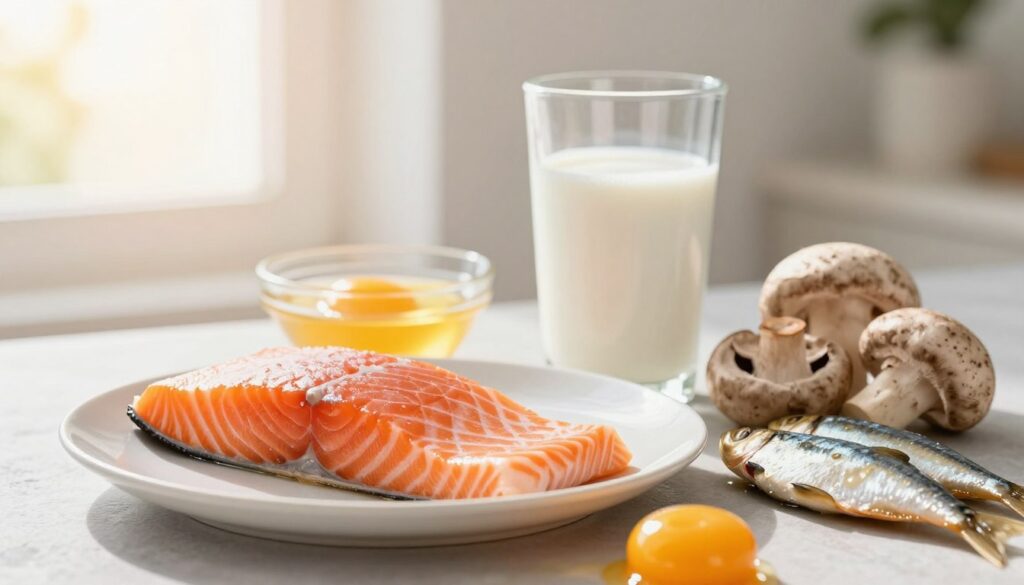
Obtaining adequate vitamin D from food alone proves challenging, as few foods naturally contain substantial amounts. Fatty fish represent the best dietary sources. Wild-caught salmon provides approximately 570 IU per 3-ounce serving. Farmed salmon contains less, around 240 IU per serving, though amounts vary considerably.
Sardines deliver about 150 IU per 3.75-ounce can, along with calcium and omega-3 fatty acids. Mackerel provides approximately 400 IU per 3-ounce serving. These fish offer multiple benefits for PMDD management, making them valuable additions to your weekly meal rotation.
Cod liver oil contains very high vitamin D concentrations—about 1,360 IU per tablespoon—along with vitamin A and omega-3s. However, the strong flavor makes it unpalatable for many women. If you can tolerate it, cod liver oil provides an extremely concentrated vitamin D source.
Egg yolks contain small amounts of vitamin D, approximately 40 IU per large egg. The amount varies based on the chicken’s diet and sun exposure. Pasture-raised eggs from chickens with outdoor access may contain more vitamin D than conventional eggs.
Mushrooms exposed to UV light can synthesize vitamin D, with amounts varying widely based on exposure duration and type. Some commercially available mushrooms are treated with UV light specifically to boost vitamin D content. Check labels for vitamin D levels—some mushrooms provide 100-400 IU per serving.
Fortified foods including milk, plant-based milk alternatives, orange juice, and some cereals contribute vitamin D. Fortification levels vary, but dairy milk typically contains about 100 IU per cup. Check labels to identify fortified products and vitamin D content. These foods help increase intake but rarely provide sufficient amounts alone.
Sunlight and Vitamin D
While not a food source, sunlight exposure merits discussion as the primary natural source of vitamin D. The skin synthesizes vitamin D when exposed to UVB radiation from sunlight. However, many factors affect production: latitude, season, time of day, skin pigmentation, sunscreen use, and age all influence vitamin D synthesis.
Most women cannot maintain adequate vitamin D through sunlight exposure alone, especially during winter months in northern climates. Additionally, sun exposure increases skin cancer risk, creating a health trade-off. Combining moderate sun exposure with dietary sources and supplements when needed provides the most balanced approach.
Vitamin D Requirements for PMDD
The recommended daily allowance for vitamin D is 600 IU for women under 70, increasing to 800 IU after age 70. However, many experts consider these amounts insufficient for optimal health. Studies examining vitamin D for mood disorders often use 1,000-2,000 IU daily or higher.
Blood testing provides the most accurate assessment of vitamin D status. Levels above 30 ng/ml are generally considered sufficient, though optimal levels for mood and PMDD management may be higher. Some practitioners recommend maintaining levels between 40-60 ng/ml. For detailed information on vitamin D’s specific mechanisms and research for PMDD, including testing and supplementation guidance, see our comprehensive vitamin D guide.
- Wild-caught salmon (570 IU per 3 oz)
- Cod liver oil (1,360 IU per tablespoon)
- Mackerel (400 IU per 3 oz)
- UV-treated mushrooms (varies, up to 400 IU)
- Farmed salmon (240 IU per 3 oz)
Excellent Vitamin D Sources (200+ IU per serving)
- Sardines, canned (150 IU per 3.75 oz can)
- Fortified milk (100 IU per cup)
- Fortified plant milk (varies, 100-150 IU per cup)
- Fortified orange juice (100 IU per cup)
- Fortified yogurt (80-100 IU per cup)
Good Vitamin D Sources (100-200 IU per serving)
- Egg yolks (40 IU per large egg)
- Cheese (varies, 6-24 IU per serving)
- Regular mushrooms (varies, minimal)
- Beef liver (42 IU per 3 oz)
- Fortified cereals (40-80 IU per serving)
Modest Vitamin D Sources (under 100 IU per serving)
A 7-Day PMDD Diet Plan Example
This sample meal plan demonstrates how to combine PMDD-supportive foods into practical, delicious meals. The plan emphasizes blood sugar stability through regular meal timing, includes anti-inflammatory foods, provides adequate protein and fiber, and delivers therapeutic amounts of magnesium, calcium, omega-3 fatty acids, and other essential nutrients. Each day contains approximately 1,800-2,000 calories with balanced macronutrients.
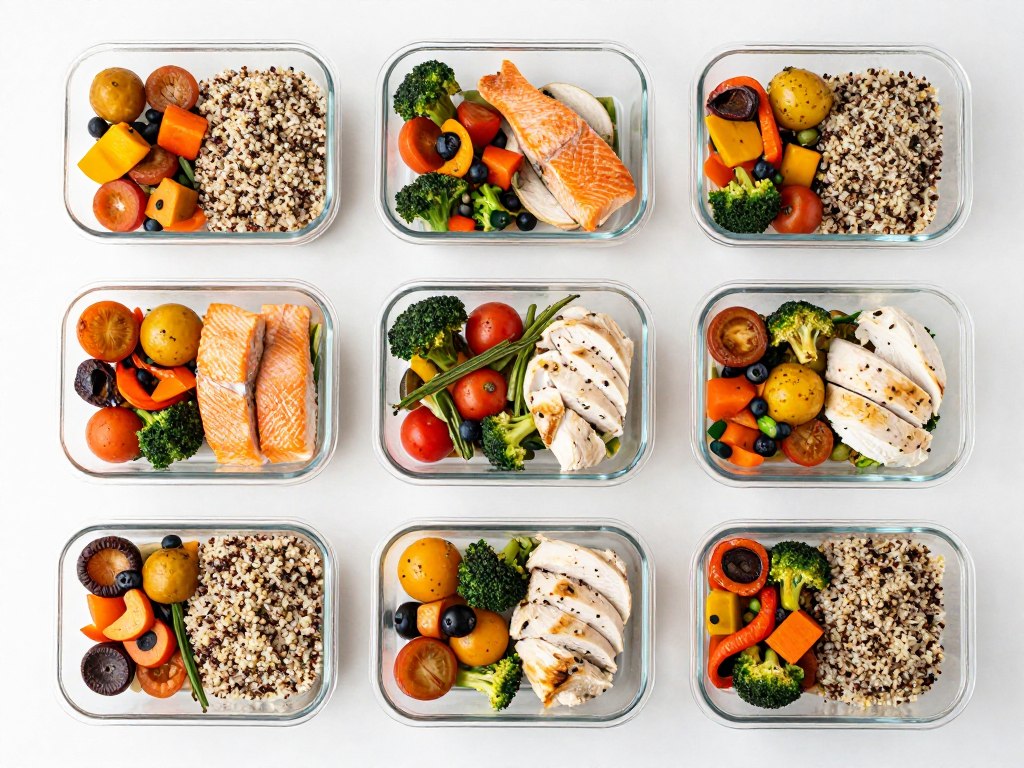
This plan serves as a template you can modify based on food preferences, dietary restrictions, and individual calorie needs. The meals can be prepared in advance to simplify implementation, particularly during the luteal phase when energy and motivation may decline. Focus on the principles—balanced meals, nutrient-dense foods, regular timing—rather than following the plan exactly.
Day 1: Monday
Breakfast (7:30 AM)
Spinach and Mushroom Omelet with Whole Grain Toast
- 3-egg omelet with 2 cups fresh spinach, 1/2 cup sliced mushrooms, 1/4 cup diced bell peppers
- 1 slice whole grain toast with 1 tablespoon almond butter
- 1 cup mixed berries
- Green tea or herbal tea
Nutrients: High protein, magnesium, folate, vitamin D (from eggs), complex carbohydrates
Mid-Morning Snack (10:30 AM)
Greek Yogurt Parfait
- 1 cup plain Greek yogurt
- 2 tablespoons ground flaxseeds
- 1/4 cup walnuts
- 1/2 cup fresh blueberries
Nutrients: Calcium, protein, omega-3, probiotics, antioxidants
Lunch (12:30 PM)
Wild Salmon Salad Bowl
- 4 oz grilled wild salmon
- 3 cups mixed greens (spinach, kale, arugula)
- 1/2 cup quinoa
- 1/2 avocado, sliced
- 1/2 cup cherry tomatoes
- 2 tablespoons pumpkin seeds
- Dressing: olive oil, lemon juice, herbs
Nutrients: Omega-3, protein, magnesium, fiber, healthy fats, complex carbohydrates
Afternoon Snack (3:30 PM)
Hummus with Vegetables
- 1/2 cup hummus
- 1 cup sliced vegetables (carrots, bell peppers, cucumber)
- 6 whole grain crackers
Nutrients: Protein, fiber, complex carbohydrates, vitamins
Dinner (6:30 PM)
Baked Chicken with Sweet Potato and Broccoli
- 5 oz baked chicken breast seasoned with herbs and turmeric
- 1 medium baked sweet potato
- 2 cups steamed broccoli with lemon
- 1 tablespoon olive oil drizzled over vegetables
- Side salad with mixed greens and vinaigrette
Nutrients: Protein, complex carbohydrates, fiber, vitamin A, calcium, anti-inflammatory compounds
Evening Snack (optional, 8:30 PM)
Small Bowl of Oatmeal
- 1/2 cup cooked oats
- 1 tablespoon almond butter
- 1/2 sliced banana
- Cinnamon to taste
Nutrients: Complex carbohydrates for evening serotonin support, magnesium, tryptophan
Day 2: Tuesday
Breakfast (7:30 AM)
Overnight Oats with Chia Seeds
- 1/2 cup rolled oats soaked overnight
- 1 tablespoon chia seeds
- 1 cup almond milk (fortified with calcium and vitamin D)
- 1/4 cup walnuts
- 1/2 cup sliced strawberries
- Drizzle of honey (optional, 1 teaspoon)
Nutrients: Fiber, omega-3, calcium, magnesium, sustained energy
Mid-Morning Snack (10:30 AM)
Apple with Almond Butter
- 1 medium apple, sliced
- 2 tablespoons almond butter
Nutrients: Fiber, healthy fats, vitamin E, sustained energy
Lunch (12:30 PM)
Lentil Soup with Side Salad
- 2 cups homemade lentil soup (lentils, carrots, celery, tomatoes, spices)
- 2 cups mixed green salad
- 1/4 cup sunflower seeds on salad
- Olive oil and vinegar dressing
- 1 slice whole grain bread
Nutrients: Protein, fiber, iron, folate, complex carbohydrates, magnesium
Afternoon Snack (3:30 PM)
Cottage Cheese with Berries
- 1 cup low-fat cottage cheese
- 1/2 cup mixed berries
- 1 tablespoon ground flaxseeds
Nutrients: Protein, calcium, omega-3, antioxidants
Dinner (6:30 PM)
Sardine Pasta with Vegetables
- 2 oz whole grain pasta
- 1 can sardines in olive oil
- 2 cups sautéed vegetables (zucchini, tomatoes, garlic, spinach)
- 1 tablespoon olive oil
- Fresh basil and lemon juice
- 2 tablespoons nutritional yeast or Parmesan cheese
Nutrients: Omega-3, calcium, vitamin D, protein, complex carbohydrates
Evening Snack (optional, 8:30 PM)
Dark Chocolate and Almonds
- 1 oz dark chocolate (70% cacao or higher)
- 10-12 almonds
Nutrients: Magnesium, antioxidants, healthy fats
Day 3: Wednesday
Breakfast (7:30 AM)
Smoothie Bowl
- 1 cup frozen berries
- 1 banana
- 2 cups spinach
- 1 scoop protein powder (whey or plant-based)
- 1 cup almond milk
- Toppings: 2 tablespoons hemp seeds, 1/4 cup granola, sliced kiwi
Nutrients: Protein, antioxidants, omega-3, fiber, vitamins
Mid-Morning Snack (10:30 AM)
Hard-Boiled Eggs and Vegetables
- 2 hard-boiled eggs
- 1 cup cherry tomatoes and cucumber slices
Nutrients: Protein, healthy fats, vitamin D, choline
Lunch (12:30 PM)
Chicken and Quinoa Buddha Bowl
- 4 oz grilled chicken breast
- 3/4 cup cooked quinoa
- 1 cup roasted vegetables (Brussels sprouts, carrots, red onion)
- 1/2 cup chickpeas
- 2 cups fresh spinach
- Tahini dressing (2 tablespoons tahini, lemon, garlic, water)
Nutrients: Complete protein, complex carbohydrates, fiber, calcium, iron, magnesium
Afternoon Snack (3:30 PM)
Vegetable Sticks with Guacamole
- 1/2 avocado mashed with lime, cilantro, tomato
- 1 cup sliced bell peppers and celery
- 1/4 cup pumpkin seeds
Nutrients: Healthy fats, fiber, magnesium, vitamin E
Dinner (6:30 PM)
Baked Mackerel with Brown Rice and Kale
- 5 oz baked mackerel with herbs and lemon
- 1 cup cooked brown rice
- 2 cups sautéed kale with garlic
- 1 tablespoon olive oil
- Roasted cherry tomatoes
Nutrients: Omega-3, vitamin D, protein, complex carbohydrates, calcium, magnesium
Evening Snack (optional, 8:30 PM)
Banana with Peanut Butter
- 1 medium banana
- 1 tablespoon natural peanut butter
Nutrients: Potassium, tryptophan, healthy fats, comfort food for evening cravings
Day 4: Thursday
Breakfast (7:30 AM)
Scrambled Tofu with Vegetables and Toast
- 1 cup scrambled tofu (calcium-set) with turmeric, nutritional yeast
- 1 cup sautéed vegetables (bell peppers, onions, mushrooms, tomatoes)
- 2 slices whole grain toast
- 1/2 avocado, sliced
- Orange slices on the side
Nutrients: Plant-based protein, calcium, fiber, vitamin C, healthy fats
Mid-Morning Snack (10:30 AM)
Trail Mix
- 1/4 cup mixed nuts (almonds, walnuts, cashews)
- 2 tablespoons dried unsweetened cranberries
- 1 tablespoon dark chocolate chips
Nutrients: Healthy fats, magnesium, antioxidants, sustained energy
Lunch (12:30 PM)
Turkey and Vegetable Wrap
- Whole grain tortilla
- 4 oz sliced turkey breast
- 2 cups mixed greens
- Sliced tomatoes, cucumbers, bell peppers
- 2 tablespoons hummus
- 1/4 avocado
- Side of carrot sticks
Nutrients: Protein, fiber, vitamins, healthy fats
Afternoon Snack (3:30 PM)
Edamame with Sea Salt
- 1 cup steamed edamame in pods
- Sprinkle of sea salt
Nutrients: Plant-based protein, fiber, magnesium, isoflavones
Dinner (6:30 PM)
Shrimp Stir-Fry with Vegetables
- 5 oz shrimp
- 3 cups mixed stir-fry vegetables (broccoli, snap peas, carrots, bok choy, mushrooms)
- 1 cup cooked brown rice or quinoa
- Sauce: ginger, garlic, low-sodium tamari, sesame oil
- 1 tablespoon sesame seeds
Nutrients: Protein, omega-3, fiber, vitamins, minerals, anti-inflammatory ginger
Evening Snack (optional, 8:30 PM)
Chamomile Tea with Whole Grain Crackers
- 1 cup chamomile tea
- 6 whole grain crackers with 1 oz cheese
Nutrients: Calcium, calming herbs, complex carbohydrates
Day 5: Friday
Breakfast (7:30 AM)
Protein Pancakes with Berries
- Pancakes made from: 2 eggs, 1/2 cup oats, 1 mashed banana, cinnamon
- 1 cup mixed berries
- 2 tablespoons almond butter
- Drizzle of maple syrup (optional, 1 teaspoon)
Nutrients: Protein, complex carbohydrates, antioxidants, fiber
Mid-Morning Snack (10:30 AM)
Celery with Peanut Butter and Raisins
- 3 celery sticks
- 2 tablespoons peanut butter
- 1 tablespoon raisins
Nutrients: Protein, healthy fats, fiber, quick energy
Lunch (12:30 PM)
Black Bean and Sweet Potato Bowl
- 1 cup cooked black beans
- 1 medium roasted sweet potato, cubed
- 2 cups mixed greens
- 1/2 cup corn
- 1/4 cup salsa
- 2 tablespoons pepitas (pumpkin seeds)
- Lime wedge and cilantro
Nutrients: Plant-based protein, fiber, complex carbohydrates, magnesium, vitamin A
Afternoon Snack (3:30 PM)
Yogurt with Granola
- 1 cup plain Greek yogurt
- 1/4 cup low-sugar granola
- 1/2 cup raspberries
- 1 tablespoon chia seeds
Nutrients: Protein, calcium, probiotics, fiber, omega-3
Dinner (6:30 PM)
Baked Salmon with Asparagus and Quinoa
- 5 oz baked wild salmon with dill and lemon
- 2 cups roasted asparagus with garlic
- 3/4 cup cooked quinoa
- Side salad with olive oil dressing
Nutrients: Omega-3, protein, vitamin D, fiber, folate, magnesium
Evening Snack (optional, 8:30 PM)
Herbal Tea and Dark Chocolate
- 1 cup peppermint or ginger tea
- 2 squares dark chocolate (70% cacao)
Nutrients: Magnesium, antioxidants, relaxation
Day 6: Saturday
Breakfast (8:00 AM)
Vegetable Frittata with Whole Grain Muffin
- Frittata made with 3 eggs, spinach, tomatoes, mushrooms, cheese
- 1 whole grain English muffin
- 1 tablespoon almond butter
- Fresh fruit salad (1 cup melon, berries, kiwi)
Nutrients: Protein, calcium, vitamins, complex carbohydrates
Mid-Morning Snack (10:30 AM)
Smoothie
- 1 cup almond milk
- 1 banana
- 1 cup spinach
- 1 tablespoon almond butter
- 1 tablespoon ground flaxseeds
- 1/2 cup frozen berries
Nutrients: Calcium, omega-3, protein, antioxidants
Lunch (12:30 PM)
Mediterranean Chickpea Salad
- 1.5 cups chickpeas
- 3 cups mixed greens
- 1/2 cup cucumbers, tomatoes, red onion
- 1/4 cup olives
- 2 oz feta cheese
- 2 tablespoons pumpkin seeds
- Dressing: olive oil, lemon, oregano
- Whole grain pita on the side
Nutrients: Plant-based protein, fiber, calcium, healthy fats, complex carbohydrates
Afternoon Snack (3:30 PM)
Rice Cakes with Avocado
- 2 brown rice cakes
- 1/2 avocado, mashed
- Everything bagel seasoning
- Cherry tomatoes on the side
Nutrients: Healthy fats, fiber, vitamin E
Dinner (6:30 PM)
Turkey Meatballs with Zucchini Noodles
- 4-5 turkey meatballs (made with oats, herbs, egg)
- 3 cups zucchini noodles
- 1.5 cups marinara sauce (homemade or low-sugar)
- 2 tablespoons Parmesan cheese
- Side salad with mixed greens
Nutrients: Lean protein, vitamins, fiber, low-carb option
Evening Snack (optional, 8:30 PM)
Cottage Cheese with Cinnamon
- 1/2 cup cottage cheese
- 1/2 sliced apple
- Cinnamon to taste
- 1 tablespoon walnuts
Nutrients: Protein, calcium, fiber, omega-3
Day 7: Sunday
Breakfast (8:00 AM)
Whole Grain Waffles with Nut Butter and Fruit
- 2 whole grain waffles
- 2 tablespoons almond butter
- 1 sliced banana
- 1/2 cup blueberries
- Sprinkle of cinnamon
- 1 cup fortified plant milk or regular milk
Nutrients: Complex carbohydrates, protein, healthy fats, calcium, antioxidants
Mid-Morning Snack (10:30 AM)
Mixed Nuts and Dried Fruit
- 1/4 cup mixed nuts
- 2 tablespoons dried apricots or figs
Nutrients: Healthy fats, magnesium, fiber, natural sugars
Lunch (12:30 PM)
Tuna Salad Sandwich with Side Salad
- 1 can tuna mixed with Greek yogurt, celery, onion, herbs
- 2 slices whole grain bread
- Lettuce and tomato
- 2 cups side salad with vegetables
- Olive oil and vinegar dressing
Nutrients: Omega-3, protein, calcium, fiber, complex carbohydrates
Afternoon Snack (3:30 PM)
Roasted Chickpeas
- 1/2 cup roasted chickpeas with spices
- 1 small orange
Nutrients: Plant-based protein, fiber, vitamin C
Dinner (6:30 PM)
Herb-Roasted Chicken with Roasted Vegetables
- 5 oz roasted chicken thigh or breast
- 2 cups roasted vegetables (Brussels sprouts, carrots, parsnips, red onion)
- 1 medium baked sweet potato
- Mixed green salad
- Olive oil and herbs
Nutrients: Protein, complex carbohydrates, fiber, vitamins, minerals
Evening Snack (optional, 8:30 PM)
Golden Milk and Almonds
- 1 cup warm almond milk with turmeric, cinnamon, ginger, black pepper, honey
- 10 almonds
Nutrients: Anti-inflammatory compounds, magnesium, calcium, relaxation support
Common Diet Mistakes Women Make With PMDD
Even well-intentioned dietary changes can backfire if they incorporate common mistakes that worsen rather than improve PMDD symptoms. Understanding these pitfalls helps you avoid them and optimize your nutrition approach for better symptom management. Many women unknowingly engage in eating patterns that intensify mood swings, fatigue, and cravings during the luteal phase.
Skipping Meals or Going Too Long Without Eating
Irregular meal timing and prolonged periods without food destabilize blood sugar, triggering the irritability, anxiety, and mood swings central to PMDD. Many women skip breakfast or go five to six hours between meals, creating blood sugar crashes that amplify symptoms. The brain requires steady glucose supply for optimal neurotransmitter production and mood regulation.
During the luteal phase, insulin sensitivity naturally decreases, making regular meal timing even more critical. Going more than four hours without eating during this phase often triggers intense cravings, overeating, and mood disturbances. Setting phone reminders to eat every three to four hours can prevent these problematic blood sugar fluctuations.
Following Overly Restrictive Diets
Extreme calorie restriction, elimination of entire food groups, or very low-carbohydrate diets can worsen PMDD symptoms by depleting nutrients needed for neurotransmitter production and hormone metabolism. Very low-calorie diets increase stress hormones, reduce leptin levels, and may disrupt menstrual cycle regularity.
Carbohydrate restriction specifically problematic for PMDD because carbohydrates support serotonin synthesis. While refined carbohydrates deserve limitation, eliminating complex carbohydrates entirely deprives the brain of glucose and impairs tryptophan transport. This can intensify depression, anxiety, and carbohydrate cravings.
Restriction also triggers the deprivation-binge cycle, where severe limitation leads to loss of control and overconsumption. This pattern particularly common during the luteal phase when cravings intensify. A balanced, sustainable approach with adequate calories and all food groups proves more effective than extreme restriction.
Relying on Caffeine for Energy
Using coffee and caffeinated beverages to combat PMDD-related fatigue creates a cycle that worsens symptoms. Caffeine stimulates cortisol release, potentially intensifying anxiety and irritability. It interferes with sleep quality, exacerbating the fatigue it’s meant to address. Caffeine also depletes B vitamins and magnesium, nutrients essential for PMDD management.
Many women consume increasing amounts of caffeine during the luteal phase to fight low energy, unknowingly amplifying mood symptoms. The temporary energy boost gives way to crashes that intensify fatigue and worsen blood sugar instability. Gradually reducing caffeine and addressing energy through better sleep, regular meals, and nutrient-dense foods provides more sustainable solutions.
Not Eating Enough Protein
Inadequate protein intake impairs neurotransmitter production, destabilizes blood sugar, and may worsen mood symptoms. Many women, particularly those following plant-based diets, consume insufficient protein for optimal brain function. Protein provides the amino acids needed for serotonin, dopamine, and other neurotransmitter synthesis.
Without adequate protein at each meal, blood sugar fluctuates more dramatically, triggering mood swings and cravings. Protein also promotes satiety, preventing the overeating and binge eating common during the luteal phase. Aiming for 20-30 grams of protein per meal supports stable mood and energy.
Ignoring Food Quality
Focusing solely on macronutrients while ignoring food quality misses the therapeutic potential of nutrient-dense whole foods. A diet meeting protein, carbohydrate, and fat targets but consisting primarily of processed foods lacks the vitamins, minerals, and phytonutrients that reduce inflammation and support hormone metabolism.
Pesticide residues in conventionally grown produce may act as endocrine disruptors, potentially worsening hormonal symptoms. Trans fats in processed foods promote inflammation. Artificial additives and preservatives may affect mood and behavior in sensitive individuals. Prioritizing whole, minimally processed foods maximizes nutritional benefits.
Not Planning for Luteal Phase Cravings
Failing to anticipate and plan for intensified cravings during the luteal phase leads to poor food choices when willpower and energy decline. Having no healthy options available when cravings hit typically results in consuming whatever convenient—usually processed, high-sugar foods that worsen symptoms.
Successful PMDD diet plans acknowledge cravings rather than fighting them. Meal prepping during the follicular phase when energy runs high ensures healthy options available during the luteal phase. Keeping nutritious convenience foods on hand—pre-cut vegetables, hard-boiled eggs, nuts, frozen meals based on the meal plan—prevents default to symptom-worsening choices.
Trying to Change Everything at Once
Overhauling your entire diet overnight rarely succeeds and often leads to overwhelm and abandonment of dietary changes. Sustainable improvement comes from gradual modifications that become lasting habits. Starting with one or two changes—perhaps adding a protein-rich breakfast or eliminating afternoon caffeine—builds confidence and allows assessment of individual impact.
Once initial changes feel automatic, adding new modifications maintains momentum without overwhelming stress. This approach also helps identify which dietary changes produce the most significant symptom improvement for your unique situation. What works varies among women, making gradual experimentation valuable.
Not Tracking Symptoms and Diet
Without tracking food intake alongside symptoms throughout the menstrual cycle, identifying personal triggers and beneficial foods becomes guesswork. A food and symptom journal reveals patterns—perhaps dairy worsens bloating, or eating more frequently reduces afternoon mood crashes. These insights allow personalized optimization.
Tracking also provides objective evidence of progress that may not feel apparent day-to-day. Reviewing notes from previous cycles can reveal that symptoms have improved even when they feel unchanged. This documentation proves especially valuable when working with healthcare providers to optimize PMDD treatment.
Effective PMDD Diet Approaches
- Eating every 3-4 hours to maintain blood sugar stability
- Including protein, healthy fats, and complex carbs at each meal
- Gradually increasing intake of PMDD-supportive nutrients
- Meal prepping during high-energy follicular phase
- Tracking food and symptoms to identify personal patterns
- Focusing on adding beneficial foods rather than only restricting
- Allowing flexibility and occasional treats to prevent deprivation
- Making one or two changes at a time for sustainability
Dietary Approaches That Often Backfire
- Skipping meals or eating irregularly
- Following extreme low-calorie or very low-carb diets
- Relying on caffeine and sugar for energy boosts
- Consuming insufficient protein throughout the day
- Eating primarily processed foods despite meeting macros
- Having no plan for luteal phase cravings and low energy
- Trying to overhaul entire diet overnight
- Not tracking what you eat and how you feel
Frequently Asked Questions About PMDD Diet Plans
How long does it take for dietary changes to improve PMDD symptoms?
Most women notice some improvement within one to two menstrual cycles of implementing dietary changes, though optimal benefits typically emerge after three to four cycles of consistent adherence. Blood sugar stabilization strategies may produce noticeable effects within days, while nutrient repletion—building up depleted magnesium or vitamin D stores, for example—requires several weeks to months.
The timeline varies based on initial nutritional status, consistency of dietary changes, and symptom severity. Women with significant nutrient deficiencies may need longer to experience full benefits as body stores replenish. Patience and consistency prove essential, as premature abandonment of dietary strategies prevents experiencing their full therapeutic potential.
Should I follow this diet all month or only during the luteal phase?
Following PMDD-supportive dietary principles throughout the entire menstrual cycle produces better results than only during the luteal phase. Nutrient status, inflammation levels, and metabolic health don’t reset each cycle—they reflect ongoing dietary patterns. Building and maintaining adequate nutrient stores requires consistent intake.
That said, some modifications deserve particular attention during the luteal phase: stricter blood sugar management, increased emphasis on anti-inflammatory foods, higher magnesium and calcium intake, and more careful limitation of caffeine and alcohol. You might also increase meal frequency or adjust macronutrient ratios during this phase while maintaining whole-foods foundation year-round.
Can diet alone cure PMDD, or do I still need medication?
While dietary interventions can significantly reduce PMDD symptoms—in some cases by 40-50%—they rarely eliminate symptoms entirely for women with moderate to severe premenstrual dysphoric disorder. Diet works best as part of a comprehensive treatment approach that may include supplements, lifestyle modifications, stress management, and sometimes medication.
Some women with mild PMDD find that dietary changes combined with other lifestyle interventions provide sufficient symptom control without medication. Others use diet to reduce medication doses or enhance pharmaceutical effectiveness. Work with your healthcare provider to determine the right combination of treatments for your specific situation. Never discontinue prescribed medications without medical guidance.
What should I eat when I’m craving sugar during my luteal phase?
Sugar cravings during the luteal phase often reflect the body’s attempt to boost serotonin through carbohydrate consumption. Instead of fighting cravings entirely, satisfy them with options that provide sustained energy without blood sugar crashes: fresh fruit with nut butter, Greek yogurt with berries and honey, dark chocolate, smoothies with banana and protein powder, or whole grain toast with almond butter.
If you do choose to eat something sweet, pair it with protein or fat to blunt the blood sugar spike. Having a small piece of dark chocolate with almonds satisfies the craving while providing magnesium and preventing dramatic glucose fluctuations. The key is conscious choice rather than deprivation or uncontrolled consumption.
Are there any foods that can immediately help when I’m having a PMDD mood crash?
While no food provides instant relief from acute PMDD symptoms, certain options support recovery more quickly than others. A balanced snack combining protein, complex carbohydrates, and healthy fats stabilizes blood sugar and supports neurotransmitter production: apple slices with almond butter, whole grain crackers with cheese, or a smoothie with banana, spinach, and protein powder.
Foods rich in magnesium—pumpkin seeds, dark chocolate, or a banana—may help reduce anxiety and muscle tension. Herbal teas like chamomile or peppermint provide comfort and mild calming effects. Remember that while these foods support your body’s stress response and mood regulation systems, they work gradually rather than providing immediate symptom elimination.
Is intermittent fasting safe for women with PMDD?
Intermittent fasting typically worsens PMDD symptoms rather than improving them. Extended fasting periods create the blood sugar fluctuations that intensify mood swings, irritability, anxiety, and cravings. Women with PMDD generally benefit from eating every three to four hours rather than prolonged fasting windows.
Additionally, calorie restriction and fasting increase stress hormones, potentially disrupting menstrual cycle regularity and hormone balance. If you’re interested in fasting for other health reasons, consider whether the potential benefits outweigh the likely worsening of PMDD symptoms. Most women with premenstrual dysphoric disorder find that regular meal timing produces better outcomes than time-restricted eating patterns.
Should I take supplements in addition to eating PMDD-supportive foods?
Many women benefit from strategic supplementation alongside dietary improvements, particularly for nutrients difficult to obtain in therapeutic amounts from food alone. Magnesium, omega-3 fatty acids, vitamin D, calcium, and B-complex vitamins have research supporting their use in PMDD management.
However, supplements should complement rather than replace nutrient-dense food. Whole foods provide numerous beneficial compounds beyond isolated nutrients—fiber, antioxidants, and phytonutrients that work synergistically. Start by optimizing diet, then add targeted supplements based on individual needs, blood test results, and healthcare provider recommendations. For comprehensive guidance, see our complete guide to supplements for PMDD.
Can I drink coffee if I have PMDD?
Caffeine consumption correlates with increased PMDD symptom severity in research studies, with higher intakes producing worse symptoms. That said, complete caffeine elimination isn’t necessary for all women. Some tolerate moderate amounts—one cup of coffee daily—without significant symptom worsening, particularly when consumed in the morning and not during the luteal phase.
Pay attention to your individual response. If you notice increased anxiety, sleep disruption, or mood swings associated with caffeine, reducing or eliminating it may significantly improve symptoms. If you decide to cut back, do so gradually over one to two weeks to avoid withdrawal headaches. Consider switching to green tea, which contains less caffeine plus beneficial antioxidants, or herbal teas entirely.
How do I handle social situations and eating out with PMDD dietary restrictions?
A PMDD diet plan focuses on adding beneficial foods rather than strict restrictions, making social eating more manageable. Most restaurants offer options that align with PMDD-supportive eating: grilled fish or chicken with vegetables, salads with protein, grain bowls, or vegetable-based dishes.
Review menus ahead of time when possible, and don’t hesitate to make simple modifications—asking for dressing on the side, substituting vegetables for fries, or requesting whole grain bread. If attending events during your luteal phase when symptoms run high, eat a balanced snack before going to prevent arriving overly hungry. Remember that occasional deviation from your usual eating pattern won’t undo consistent dietary improvements. Focus on your overall patterns rather than perfection at every meal.
Will losing weight help my PMDD symptoms?
The relationship between body weight and PMDD is complex and not fully understood. Some research suggests that women with higher body mass index may experience more severe premenstrual symptoms, though this doesn’t apply universally. Excess body fat can increase estrogen production and inflammation, potentially influencing PMDD severity.
However, pursuing weight loss through restrictive dieting often worsens PMDD symptoms by creating nutritional deficiencies, blood sugar instability, and increased stress hormones. If weight loss would benefit your overall health, approach it gradually through the same nutrient-dense, balanced eating patterns that support PMDD management. Focus on metabolic health—stable blood sugar, reduced inflammation, adequate nutrition—rather than rapid weight loss, and any weight changes will occur naturally as a side effect of improved eating.
Final Thoughts on PMDD Diet Plans
Managing premenstrual dysphoric disorder through nutrition represents a powerful, evidence-based approach that addresses multiple underlying mechanisms of this challenging condition. While dietary changes alone may not eliminate all symptoms, they can substantially reduce severity and improve quality of life throughout the menstrual cycle. The beauty of nutritional interventions lies in their accessibility—you control what you eat three or more times daily, giving you agency in managing your health.
The most effective PMDD diet plan emphasizes blood sugar stability through regular meal timing and balanced macronutrients. It prioritizes anti-inflammatory whole foods rich in magnesium, calcium, omega-3 fatty acids, and B vitamins—nutrients consistently linked to symptom improvement in research. It minimizes foods that exacerbate symptoms while allowing flexibility and avoiding the restriction-binge cycle that worsens PMDD.
Remember that dietary changes work gradually as your body rebuilds nutrient stores, rebalances inflammation, and optimizes metabolic function. Give yourself at least three menstrual cycles of consistent implementation before judging effectiveness. Track your food intake and symptoms to identify personal patterns and progress that may not feel apparent day-to-day.
Consider exploring complementary approaches alongside dietary improvements. Our guides on vitamin B6 for PMDD and zinc for PMDD provide additional evidence-based strategies. Some women find that acupuncture for PMDD complements nutritional interventions effectively.
Finally, approach dietary changes with self-compassion rather than perfectionism. PMDD already challenges your emotional well-being—don’t compound this burden with rigid food rules or guilt about dietary choices. Focus on gradual improvement and overall patterns rather than perfection. Every nutrient-dense meal supports your body’s healing, even if the previous meal didn’t align with your intentions.
You deserve support in managing this condition that significantly affects your life. Whether through nutrition, supplements, medication, therapy, or a combination of approaches, effective treatment exists. Work with healthcare providers who take PMDD seriously and support your whole-person wellness journey. Your symptoms are real, valid, and worthy of comprehensive treatment.


Medically Reviewed By
Dr. Helloyze Ferreira Ancelmo, MD
CRM-GO 31293
Dr. Helloyze Ferreira Ancelmo is a physician dedicated to mental health who offers care that transcends traditional medicine. With a focus on deep clinical listening, responsible medical evaluation, and genuine acceptance of each individual’s story, Dr. Ancelmo provides compassionate, evidence-based treatment for women struggling with mood disorders, including PMDD.
Based in Brazil, Dr. Ancelmo combines medical expertise with a holistic understanding of women’s health, recognizing the profound connections between nutrition, hormones, and mental well-being. Her approach emphasizes patient education, personalized treatment plans, and empowering women to actively participate in their healing journey.
This article has been reviewed for medical accuracy and evidence-based information by Dr. Helloyze Ferreira Ancelmo.