

Living with premenstrual dysphoric disorder means navigating intense mood changes, physical discomfort, and disruption to daily life. For many women, these symptoms feel overwhelming and uncontrollable. Yet emerging research reveals a powerful connection between what you eat and how severely PMDD affects you.
The foods on your plate directly influence inflammation levels in your body. This matters because inflammation appears to play a significant role in PMDD symptom severity. Understanding this relationship opens doors to natural symptom management through dietary choices.
This comprehensive guide examines the science behind anti-inflammatory eating for PMDD. You’ll discover which foods help reduce symptoms, which ones may make them worse, and how to implement practical changes that support hormonal balance and overall health.
Quick Answer
An anti-inflammatory diet for PMDD focuses on foods that reduce inflammation in the body, potentially easing mood symptoms, physical discomfort, and hormonal sensitivity. This approach emphasizes omega-3 rich fish, colorful vegetables, whole grains, nuts, seeds, and legumes while limiting processed foods, refined sugars, and alcohol. Research suggests women with PMDD often have higher inflammation markers, and dietary changes may help manage symptoms by stabilizing blood sugar, supporting gut health, and reducing inflammatory responses throughout the menstrual cycle.
Key Takeaways
- PMDD affects 3-8% of women and involves severe emotional and physical symptoms during the luteal phase of the menstrual cycle
- Inflammation markers are often elevated in women with PMDD, suggesting an inflammatory component to the disorder
- An anti-inflammatory diet emphasizes whole foods, omega-3 fatty acids, fiber, and antioxidants while limiting processed foods and sugar
- Blood sugar stability plays a crucial role in managing PMDD mood symptoms and cravings
- Gut health directly influences hormone metabolism and inflammatory responses relevant to PMDD
- Specific nutrients including magnesium, vitamin D, B6, and zinc show promise for symptom reduction
- Dietary changes work best when combined with other evidence-based PMDD treatments
- Consistency throughout the entire cycle matters more than strict restriction during symptom weeks
Table of Contents
- What Is PMDD?
- What Is Inflammation?
- The Link Between Inflammation and PMDD
- Scientific Evidence on Inflammation and PMDD
- How Diet Influences Inflammation
- Best Anti-Inflammatory Foods for PMDD
- Foods That May Increase Inflammation
- Omega-3 and Inflammation
- Blood Sugar and PMDD Symptoms
- Gut Health and PMDD
- A Sample Anti-Inflammatory PMDD Meal Plan
- Grocery List for an Anti-Inflammatory PMDD Diet
- Common Mistakes to Avoid
- Frequently Asked Questions (FAQ)
- Final Thoughts
What Is PMDD?
Premenstrual dysphoric disorder represents a severe form of premenstrual syndrome that affects between 3% and 8% of women during their reproductive years. Unlike typical PMS, PMDD causes intense emotional and physical symptoms that significantly disrupt daily functioning, relationships, and quality of life.
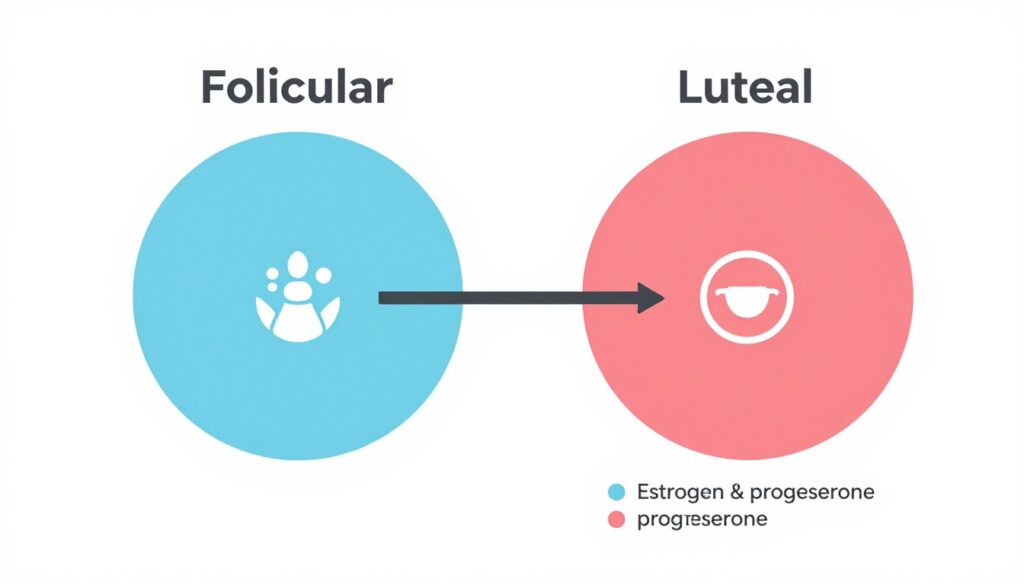
The disorder follows a predictable pattern. Symptoms typically emerge during the luteal phase, which begins after ovulation and continues until menstruation starts. This timing links directly to hormonal fluctuations, particularly the rise and fall of progesterone and estrogen.
Core PMDD Symptoms
Women with PMDD experience at least five symptoms from a specific list, with at least one being mood-related. These symptoms must occur in most menstrual cycles and cause significant distress or interference with work, school, or relationships.
Emotional and Mood Symptoms
The psychological impact of PMDD often feels overwhelming and disproportionate to life circumstances.
- Severe mood swings and emotional sensitivity
- Marked irritability, anger, or increased conflicts
- Depressed mood, hopelessness, or self-critical thoughts
- Anxiety, tension, or feeling on edge
Physical Symptoms
Physical manifestations accompany the emotional changes and add to overall discomfort.
- Breast tenderness or swelling
- Joint or muscle pain
- Bloating and weight gain sensation
- Fatigue and low energy levels
Cognitive and Behavioral Changes
Mental functioning and behavior patterns shift noticeably during symptomatic periods.
- Difficulty concentrating or focusing
- Changes in appetite or specific food cravings
- Sleep disturbances (insomnia or hypersomnia)
- Feeling overwhelmed or out of control
Social Impact
The disorder affects relationships and daily responsibilities in measurable ways.
- Decreased interest in usual activities
- Withdrawal from social interactions
- Work or school performance decline
- Relationship strain and conflicts
Diagnosis and Validation
Proper diagnosis requires tracking symptoms for at least two consecutive menstrual cycles. Women must experience symptom-free periods during the follicular phase (after menstruation ends) to distinguish PMDD from other mood disorders.
Healthcare providers often recommend daily symptom charting to establish patterns. This documentation proves essential because PMDD diagnosis relies on timing and severity rather than specific lab tests or imaging studies.
Important Note: PMDD differs from clinical depression or anxiety disorders because symptoms resolve after menstruation begins. If mood symptoms persist throughout the cycle, other conditions may be present and require different treatment approaches.
Impact on Quality of Life
Research shows that women with PMDD experience quality of life impairment comparable to major depressive disorder during symptomatic weeks. The cyclical nature creates a pattern of anticipated suffering that affects planning, career decisions, and personal relationships.
Many women report feeling like two different people – capable and stable during follicular weeks, then struggling significantly during luteal weeks. This dramatic shift makes consistent life management challenging and often leads to feelings of unpredictability and loss of control.
Understanding PMDD as a legitimate medical condition rather than “just bad PMS” represents the first step toward effective management. The disorder has biological roots involving hormone sensitivity, neurotransmitter function, and as research increasingly shows, inflammatory processes throughout the body.
What Is Inflammation?
Inflammation serves as your body’s natural defense mechanism against injury, infection, and harmful substances. This biological response involves immune system activation, increased blood flow, and release of various chemical messengers designed to protect and heal tissues.
Acute vs. Chronic Inflammation
Understanding the two types of inflammation helps clarify why dietary choices matter for PMDD management. Acute inflammation represents the beneficial, short-term response your body needs to heal. Chronic inflammation, however, persists long-term and contributes to various health problems.
| Characteristic | Acute Inflammation | Chronic Inflammation |
| Duration | Hours to days | Weeks to years |
| Purpose | Protective healing response | Ongoing low-grade immune activation |
| Triggers | Injury, infection, tissue damage | Diet, stress, environmental factors, hormones |
| Visible Signs | Redness, swelling, heat, pain | Often invisible, detected through blood tests |
| Health Impact | Necessary and beneficial | Contributes to various diseases |
| Resolution | Naturally resolves after healing | Persists without intervention |
Inflammatory Markers and Measurement
Medical professionals assess inflammation levels through specific blood tests. These measurements help identify whether chronic inflammation exists and track changes over time with dietary or lifestyle interventions.
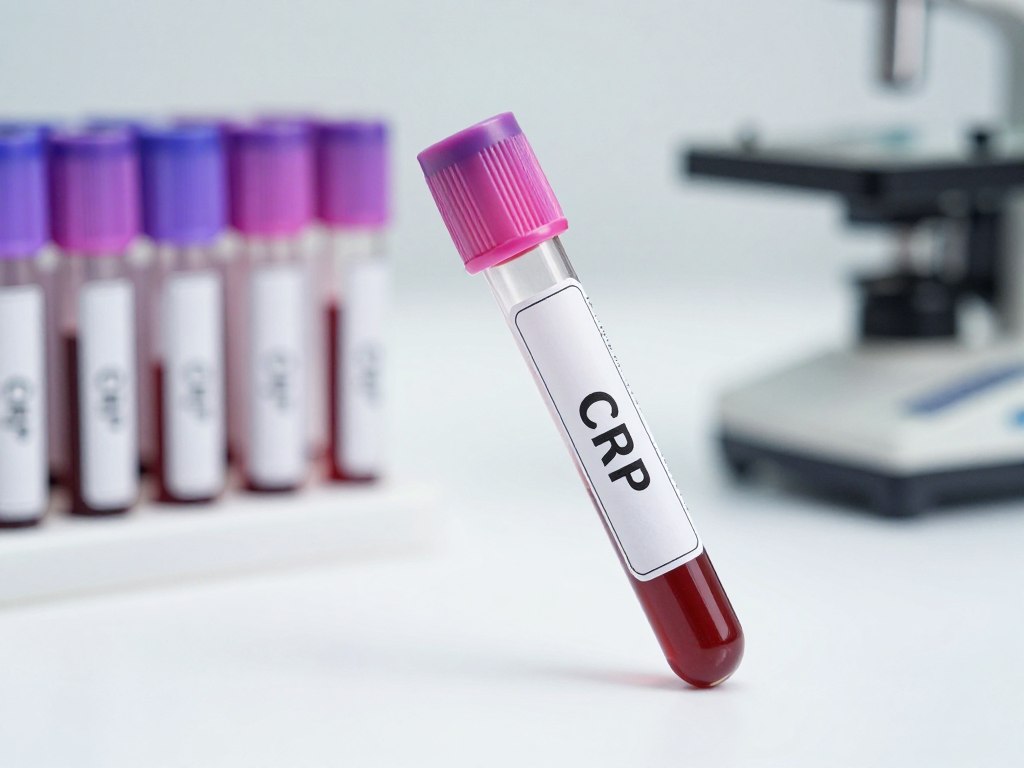
Common inflammatory markers include C-reactive protein (CRP), interleukin-6 (IL-6), and tumor necrosis factor-alpha (TNF-α). Elevated levels of these substances indicate active inflammatory processes occurring throughout the body.
Inflammation's Role in Health and Disease
While acute inflammation protects health, chronic inflammation links to numerous conditions. Research connects sustained inflammatory activity to cardiovascular disease, diabetes, autoimmune disorders, depression, and various other health concerns.
The inflammatory response involves complex interactions between immune cells, hormones, and chemical messengers. When this system remains activated continuously, it begins damaging healthy tissues and disrupting normal bodily functions.
Factors That Influence Inflammation Levels
Multiple elements contribute to chronic inflammation development and persistence. Understanding these factors empowers you to make targeted changes that reduce inflammatory burden.
- Diet composition – processed foods, sugar, and unhealthy fats promote inflammation
- Stress levels – chronic stress elevates inflammatory markers
- Sleep quality – poor sleep increases inflammatory activity
- Physical activity – both too little and excessive exercise affect inflammation
- Body weight – excess adipose tissue produces inflammatory substances
- Hormone fluctuations – estrogen and progesterone influence inflammatory responses
- Gut health – microbiome imbalances trigger inflammatory processes
- Environmental toxins – pollutants and chemicals activate immune responses
Why Inflammation Matters for PMDD
The connection between inflammation and PMDD extends beyond simple correlation. Inflammatory processes appear to amplify hormone sensitivity, affect neurotransmitter production, and worsen both physical and emotional symptoms that define the disorder.
Women with PMDD often show elevated inflammatory markers during the luteal phase compared to women without the condition. This pattern suggests that reducing overall inflammatory burden through diet and lifestyle changes may offer meaningful symptom relief.
The inflammatory response involves the entire body system. Blood vessels dilate, immune cells release chemical signals, and various tissues respond to these signals. When inflammation becomes chronic, these processes continue inappropriately, affecting mood regulation, pain sensitivity, and overall wellbeing – all relevant to PMDD experiences.
The Link Between Inflammation and PMDD
Research increasingly reveals that inflammation plays a significant role in premenstrual dysphoric disorder development and symptom severity. This connection helps explain why some women experience extreme reactions to normal hormonal fluctuations while others navigate menstrual cycles with minimal disruption.
Hormone Sensitivity and Inflammatory Response
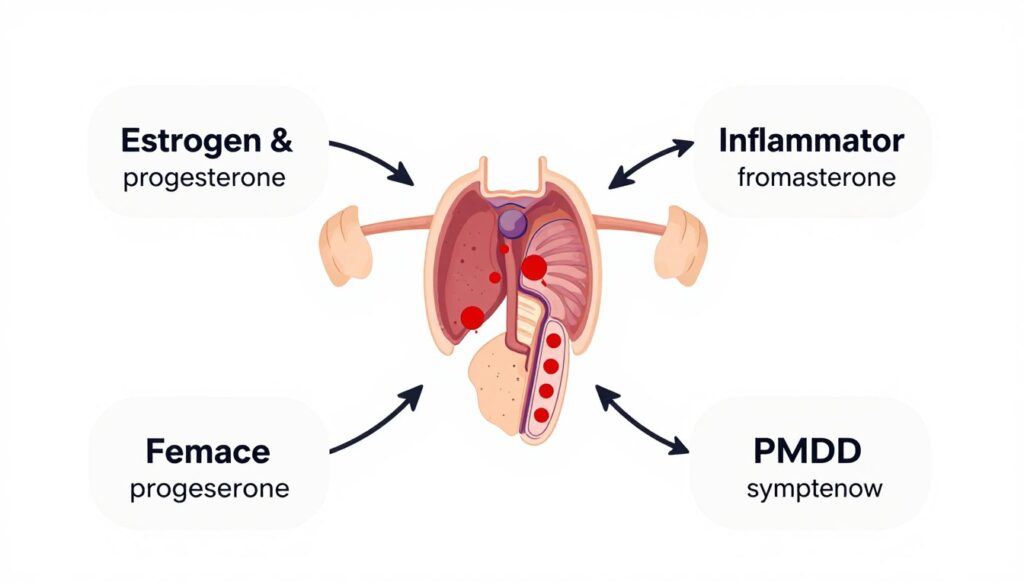
Women with PMDD appear to have heightened sensitivity to normal hormonal changes throughout the menstrual cycle. This sensitivity doesn’t mean hormone levels themselves are abnormal. Instead, the body’s response to these changes differs significantly.
Progesterone and its metabolites influence inflammatory pathways in the brain and body. During the luteal phase, when progesterone levels rise and then fall, inflammatory markers often increase. For women with PMDD, this inflammatory response appears exaggerated compared to women without the disorder.
Neuroinflammation and Mood Symptoms
Inflammation within the central nervous system, called neuroinflammation, particularly affects mood regulation and emotional processing. The brain contains immune cells called microglia that activate during inflammatory states.
When neuroinflammation occurs, several mood-related changes follow. Neurotransmitter production and function become disrupted, particularly affecting serotonin, dopamine, and GABA systems. These changes directly correlate with the depression, anxiety, and irritability characteristic of PMDD.
Research Insight: Studies show that inflammatory cytokines can reduce serotonin availability in the brain, which may explain why PMDD symptoms often respond to treatments targeting serotonin pathways, such as SSRIs and dietary changes that support serotonin production.
Physical Symptoms and Systemic Inflammation
The physical manifestations of PMDD – including breast tenderness, bloating, joint pain, and fatigue – align with inflammatory processes throughout the body. Inflammatory mediators increase pain sensitivity, promote fluid retention, and contribute to the overall feeling of being unwell.
Prostaglandins, hormone-like substances involved in inflammation, increase during the luteal phase. These compounds cause uterine contractions, blood vessel changes, and pain signal amplification. Higher prostaglandin levels correlate with more severe physical discomfort during the premenstrual period.
The Stress-Inflammation-PMDD Cycle
A self-reinforcing cycle often develops between stress, inflammation, and PMDD symptoms. Stress triggers inflammatory responses, which worsen PMDD symptoms, creating more stress. This cycle can intensify over time without intervention.
- Hormonal changes during luteal phase activate stress response systems
- Stress hormones like cortisol promote inflammatory marker release
- Inflammation affects brain chemistry and physical comfort
- PMDD symptoms intensify, creating psychological and physical stress
- Additional stress further elevates inflammation and cortisol
- The cycle continues and potentially worsens with each menstrual cycle
Immune System Function in PMDD
Research indicates that women with PMDD may have altered immune system function. Some studies show differences in inflammatory cytokine production, immune cell activity, and overall inflammatory tone compared to women without the disorder.
These immune differences don’t necessarily indicate immune system dysfunction. Rather, they suggest a different inflammatory threshold or response pattern that makes women with PMDD more susceptible to inflammation-driven symptoms during hormonal transitions.
Why Anti-Inflammatory Approaches Make Sense
Understanding the inflammatory component of PMDD provides a clear rationale for anti-inflammatory dietary strategies. If inflammation amplifies symptoms, reducing inflammatory burden through food choices may offer meaningful relief.
This approach addresses root mechanisms rather than just suppressing symptoms. By decreasing overall inflammation, you potentially reduce both the physical discomfort and mood disruptions that characterize PMDD. Combined with other evidence-based treatments, anti-inflammatory eating becomes part of a comprehensive management strategy.
For personalized guidance on dietary approaches to PMDD management, consider exploring comprehensive PMDD diet planning resources that integrate anti-inflammatory principles with symptom-specific recommendations.
Scientific Evidence on Inflammation and PMDD
Multiple research studies have examined the relationship between inflammatory markers and premenstrual dysphoric disorder. This body of evidence provides scientific support for anti-inflammatory dietary approaches to symptom management.
Key Research Findings
A study published in the Journal of Psychiatric Research found that women with PMDD had significantly higher levels of C-reactive protein (CRP) during the luteal phase compared to healthy controls. This inflammatory marker elevation correlated with symptom severity, suggesting a dose-response relationship.
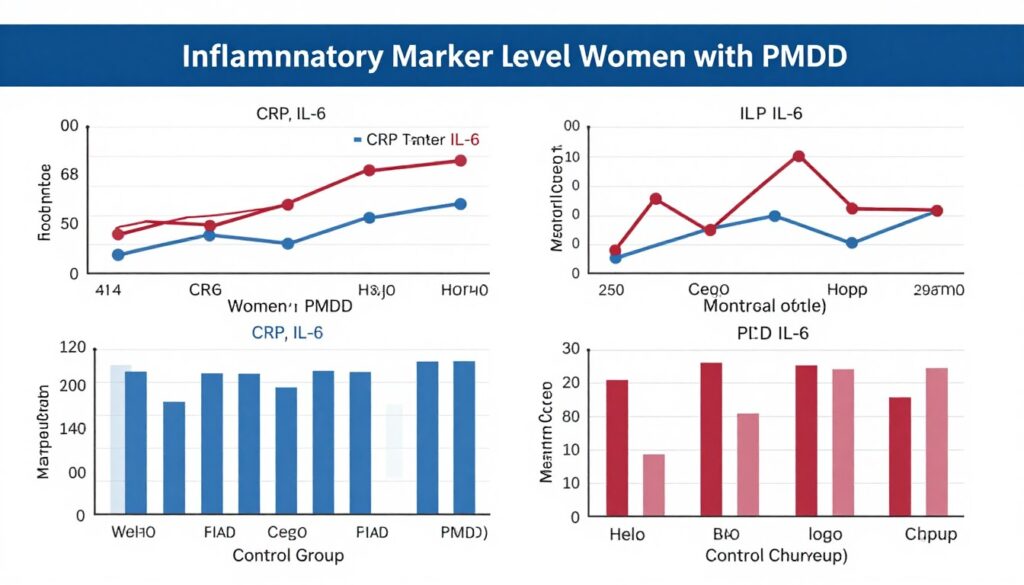
Research in Psychoneuroendocrinology demonstrated that inflammatory cytokines, particularly interleukin-6 (IL-6) and tumor necrosis factor-alpha (TNF-α), increase during the symptomatic phase in women with PMDD. These increases were not observed in women without the disorder experiencing the same hormonal fluctuations.
Inflammation and Mood Disorders
The connection between inflammation and mood symptoms extends beyond PMDD to other psychiatric conditions. Depression research consistently shows elevated inflammatory markers in affected individuals. This broader connection supports the hypothesis that inflammation contributes to the mood symptoms experienced in PMDD.
A comprehensive review in Brain, Behavior, and Immunity examined how inflammatory processes affect neurotransmitter systems relevant to mood regulation. The findings indicate that inflammatory cytokines reduce serotonin production, increase glutamate activity, and alter dopamine function – all changes that could explain PMDD mood symptoms.
Dietary Studies and Inflammation Reduction
While research specifically examining anti-inflammatory diets for PMDD remains limited, studies on inflammatory marker reduction through dietary changes offer relevant insights. Mediterranean diet studies consistently demonstrate decreased CRP and other inflammatory markers within weeks to months of dietary modification.
| Study Focus | Dietary Intervention | Duration | Inflammatory Marker Changes | Relevance to PMDD |
| Mediterranean Diet Trial | High omega-3, vegetables, whole grains | 12 weeks | 30% CRP reduction | Shows inflammation responds to diet changes |
| Omega-3 Supplementation | EPA/DHA supplements | 8 weeks | Decreased IL-6 and TNF-α | Targets cytokines elevated in PMDD |
| Sugar Reduction | Eliminated added sugars | 6 weeks | Reduced CRP and insulin resistance | Addresses blood sugar-inflammation connection |
| Whole Food Plant-Based | Emphasis on vegetables, legumes, fruits | 16 weeks | Multiple marker improvements | Demonstrates whole food benefits |
| Probiotic Intervention | Specific probiotic strains | 8 weeks | Reduced inflammatory cytokines | Links gut health to inflammation |
Nutrient-Specific Research
Individual nutrients show promise for inflammation reduction relevant to PMDD. Research on omega-3 fatty acids for PMDD demonstrates both anti-inflammatory effects and direct symptom improvement in some studies.
Magnesium supplementation studies show reduced inflammatory markers alongside PMS and PMDD symptom improvements. This mineral plays roles in inflammation regulation and nervous system function. Learn more about magnesium’s benefits for PMDD management.
Vitamin D research reveals that deficiency correlates with increased inflammatory activity and worse mood symptoms. Women with PMDD often have lower vitamin D levels compared to controls. Detailed information about vitamin D supplementation for PMDD helps clarify optimal approaches.
Limitations and Knowledge Gaps
Current research has limitations that deserve acknowledgment. Few studies have specifically examined anti-inflammatory diets as primary interventions for PMDD. Most evidence comes from inflammation research in other conditions or nutrient studies with indirect relevance to PMDD.
Sample sizes in PMDD research often remain small due to the condition’s complexity and the challenge of recruiting participants. Placebo effects can be significant in dietary studies, making rigorous research design essential but difficult.
The time lag between dietary changes and symptom improvement complicates study design. Anti-inflammatory effects may take several weeks or months to fully manifest, requiring longer study periods than many research protocols accommodate.
Research Interpretation: While evidence supporting anti-inflammatory approaches for PMDD appears promising, more targeted research specifically examining dietary interventions for PMDD is needed. Current recommendations rely on extrapolation from related research areas rather than PMDD-specific dietary trials.
Emerging Research Directions
Current studies are investigating specific mechanisms linking inflammation to PMDD symptoms. Researchers examine how inflammatory processes affect allopregnanolone (a progesterone metabolite) function in the brain, which appears central to PMDD development.
Microbiome research offers another promising avenue. Studies explore how gut bacteria influence both inflammation and hormone metabolism, potentially affecting PMDD symptom severity through multiple pathways.
Genetic research aims to identify variations that make some women more susceptible to inflammatory responses during hormonal transitions. Understanding these genetic factors may eventually allow for personalized anti-inflammatory strategies tailored to individual risk profiles.
Explore Evidence-Based Supplement Options
Complement your anti-inflammatory diet with research-backed supplements that target inflammation and hormone balance. Our comprehensive guide covers all major supplements studied for PMDD symptom management.
How Diet Influences Inflammation
Your dietary choices directly impact inflammatory processes throughout your body. The foods you consume provide either pro-inflammatory or anti-inflammatory compounds that influence immune system activity, hormone production, and overall inflammatory tone.
Mechanisms of Dietary Inflammation
Several pathways connect food intake to inflammation levels. Understanding these mechanisms helps clarify why specific dietary changes may improve PMDD symptoms.
Oxidative Stress and Antioxidants
Oxidative stress occurs when reactive molecules called free radicals damage cells and tissues. This damage triggers inflammatory responses as the body attempts to repair affected areas. Chronic oxidative stress leads to persistent inflammation.
Antioxidants from food neutralize free radicals before they cause damage. Colorful fruits and vegetables contain high concentrations of various antioxidants including vitamin C, vitamin E, and polyphenols. Adequate antioxidant intake helps prevent the oxidative stress that drives inflammatory processes.
Blood Sugar and Insulin Responses
Rapid blood sugar spikes followed by crashes create inflammatory conditions within the body. When glucose levels rise quickly after eating refined carbohydrates or sugar, the pancreas releases large amounts of insulin to manage the excess glucose.
High insulin levels promote inflammatory marker production. Additionally, glucose itself can directly activate inflammatory pathways when concentrations exceed normal ranges. These effects explain why blood sugar management plays such an important role in inflammation control.
Fatty Acid Balance
The types of fats you consume determine which inflammatory mediators your body produces. Omega-6 fatty acids, abundant in many vegetable oils and processed foods, serve as precursors to pro-inflammatory compounds. Omega-3 fatty acids from fish and certain plant sources generate anti-inflammatory molecules.
Most modern diets contain excessive omega-6 relative to omega-3 fats. This imbalance shifts the body toward inflammatory states. Improving the omega-6 to omega-3 ratio through dietary changes helps restore inflammatory balance.
Gut Microbiome Influence
The trillions of bacteria residing in your digestive tract significantly influence systemic inflammation. Beneficial bacteria produce anti-inflammatory compounds including short-chain fatty acids. Harmful bacteria release pro-inflammatory substances that can enter circulation.
Dietary fiber feeds beneficial bacteria, supporting their growth and anti-inflammatory compound production. Probiotic foods introduce helpful bacterial strains directly. Conversely, highly processed foods and excessive sugar promote harmful bacterial overgrowth that increases inflammatory activity.
Pro-Inflammatory Dietary Components
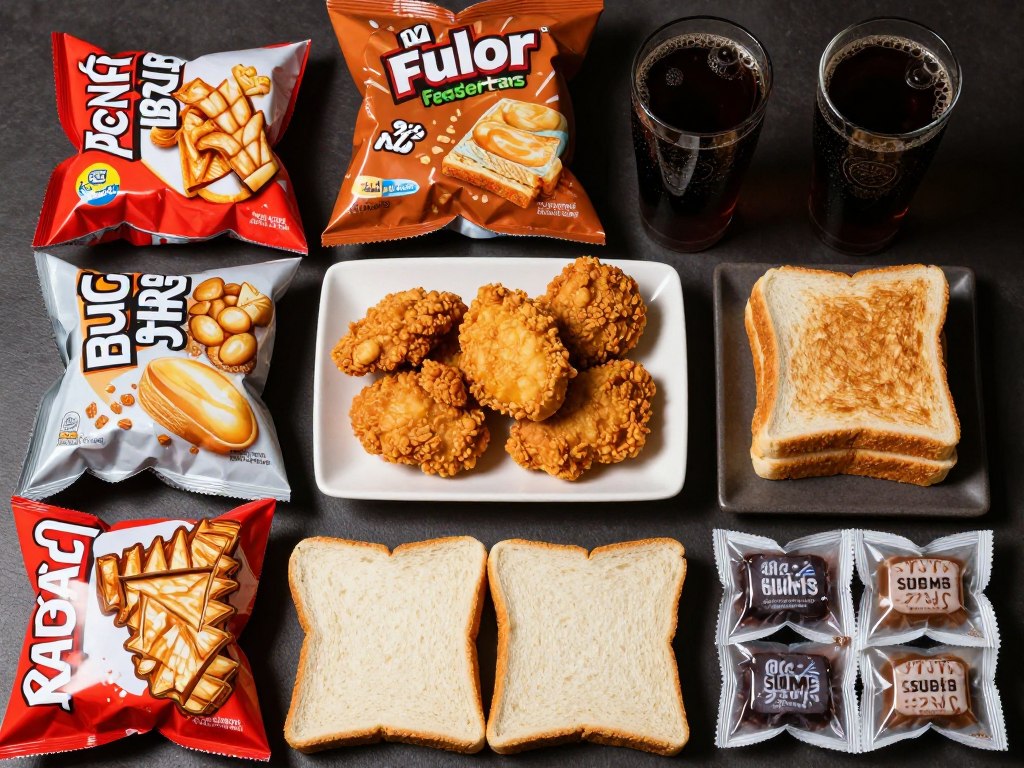
Certain dietary elements consistently promote inflammation across multiple pathways. Reducing these components forms a cornerstone of anti-inflammatory eating strategies.
Primary Inflammatory Triggers
- Refined carbohydrates and added sugars
- Trans fats and excessive omega-6 oils
- Processed meats with preservatives
- Alcohol in excess amounts
- Artificial additives and preservatives
- High-temperature cooking methods creating AGEs
Anti-Inflammatory Dietary Components
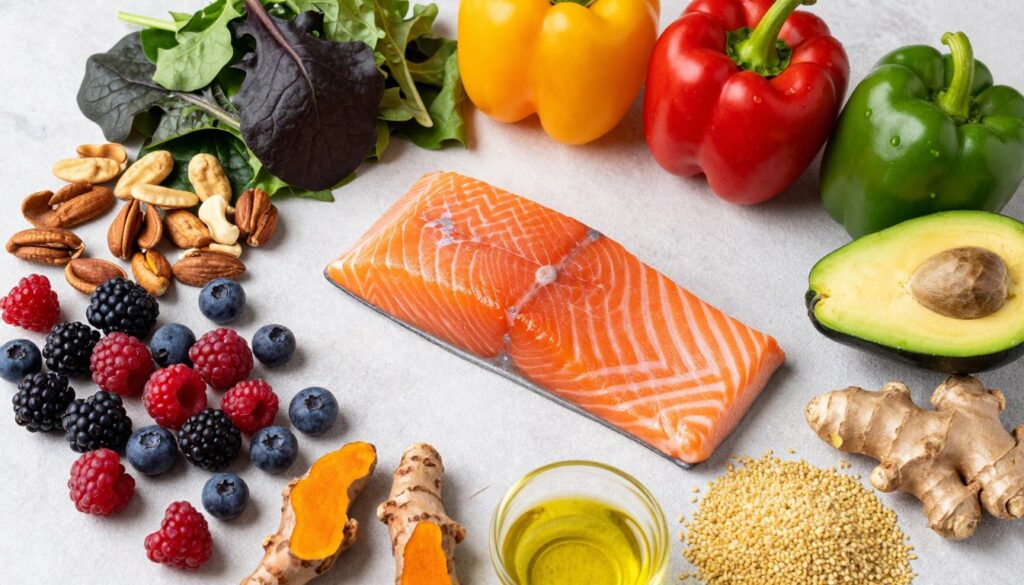
Specific foods and nutrients actively reduce inflammatory activity. Building meals around these components helps lower overall inflammatory burden and may improve PMDD symptoms.
- Omega-3 fatty acids from fatty fish, flaxseeds, and walnuts
- Colorful fruits and vegetables rich in antioxidants
- Whole grains providing fiber and nutrients
- Legumes offering protein, fiber, and minerals
- Nuts and seeds with healthy fats and minerals
- Herbs and spices containing anti-inflammatory compounds
- Fermented foods supporting beneficial gut bacteria
- Green tea and other polyphenol-rich beverages
Timing and Consistency Considerations
The anti-inflammatory effects of dietary changes develop gradually over weeks to months. Unlike medications that may work within hours or days, dietary approaches require sustained consistency to produce measurable results.
For PMDD management, maintaining an anti-inflammatory diet throughout the entire menstrual cycle matters more than strict adherence only during symptomatic weeks. Inflammation reduction during follicular weeks may help prevent or minimize symptom severity during the subsequent luteal phase.
Individual Variation and Food Sensitivities
Some women find that specific foods trigger inflammatory responses unique to them. Common culprits include dairy products, gluten-containing grains, nightshade vegetables, or certain additives. Identifying personal food sensitivities may require elimination diet trials or working with a healthcare provider.
Food sensitivity differs from true food allergy. Sensitivities produce delayed, often subtle symptoms including increased inflammation, digestive discomfort, or mood changes. These reactions may be particularly noticeable during the luteal phase when inflammatory thresholds are already elevated.
Practical Tip: Track your food intake alongside PMDD symptoms for several cycles to identify potential trigger foods. Patterns may emerge showing certain items consistently worsen symptoms during the luteal phase, even if they cause no problems during follicular weeks.
Synergistic Effects
Anti-inflammatory dietary strategies work best as comprehensive approaches rather than isolated interventions. Combining multiple beneficial changes creates synergistic effects where the whole exceeds the sum of individual parts.
For example, increasing omega-3 intake while simultaneously reducing refined carbohydrates produces greater anti-inflammatory effects than either change alone. Adding antioxidant-rich vegetables while eliminating processed foods amplifies benefits beyond what single modifications achieve.
This synergy principle supports whole-diet approaches like Mediterranean-style eating patterns rather than focusing narrowly on individual nutrients or supplements. Comprehensive dietary changes address inflammation through multiple simultaneous pathways for maximum impact.
Best Anti-Inflammatory Foods for PMDD
Building your diet around specific anti-inflammatory foods provides the foundation for symptom management. These foods contain compounds that actively reduce inflammatory processes while supplying nutrients essential for hormone balance and neurotransmitter production.
Fatty Fish and Omega-3 Sources
Fatty fish tops the list of anti-inflammatory foods due to high concentrations of EPA and DHA omega-3 fatty acids. These specific omega-3 types convert into powerful anti-inflammatory molecules that counter prostaglandins and other inflammatory mediators elevated in PMDD.
| Fish Type | Omega-3 Content (per 3.5 oz) | Additional Benefits | Frequency Recommendation |
| Wild Salmon | 2.2g EPA + DHA | Vitamin D, B vitamins, selenium | 2-3 times weekly |
| Sardines | 1.5g EPA + DHA | Calcium, vitamin B12, low mercury | 2-3 times weekly |
| Mackerel | 2.6g EPA + DHA | Vitamin B12, selenium, protein | 1-2 times weekly |
| Anchovies | 1.4g EPA + DHA | Iron, calcium, niacin | 1-2 times weekly |
| Herring | 2.0g EPA + DHA | Vitamin D, B vitamins | 1-2 times weekly |
For women who don’t eat fish, plant-based omega-3 sources include flaxseeds, chia seeds, hemp seeds, and walnuts. These provide ALA omega-3s, which the body converts to EPA and DHA, though less efficiently than direct fish consumption. Supplementation may be necessary for optimal omega-3 status without fish intake.
Detailed guidance on omega-3 intake for PMDD, including dosing and supplement selection, can be found in our comprehensive omega-3 guide for women with PMDD.
Colorful Fruits and Vegetables
Fruits and vegetables provide antioxidants, fiber, vitamins, and minerals that collectively reduce inflammation. The diverse colors represent different phytonutrient families, each offering unique anti-inflammatory benefits.
Berries
Berries contain particularly high concentrations of anthocyanins and other polyphenols with proven anti-inflammatory effects. Blueberries, strawberries, raspberries, and blackberries all demonstrate inflammatory marker reduction in research studies.
Leafy Greens
Dark leafy greens like kale, spinach, collards, and Swiss chard supply folate, magnesium, vitamin K, and various antioxidants. These vegetables also contain fiber that supports beneficial gut bacteria. The magnesium content is particularly relevant for PMDD, as this mineral helps regulate mood and reduce inflammation.
Cruciferous Vegetables
Broccoli, Brussels sprouts, cauliflower, and cabbage contain sulforaphane and other compounds that activate the body’s detoxification systems. These vegetables also support estrogen metabolism, potentially relevant for hormone-sensitive conditions like PMDD.
Colorful Peppers
Bell peppers (especially red, orange, and yellow varieties) provide exceptional vitamin C content along with various carotenoids. Vitamin C functions as a powerful antioxidant and supports adrenal gland function important for stress response management.
Whole Grains and Complex Carbohydrates
Whole grains provide sustained energy without the blood sugar spikes that promote inflammation. The fiber content supports digestive health and beneficial bacteria growth while slowing glucose absorption.
- Quinoa – complete protein, high magnesium
- Brown rice – versatile, well-tolerated
- Oats – beta-glucan fiber, heart-healthy
- Buckwheat – gluten-free, mineral-rich
- Barley – high fiber, blood sugar friendly
- Millet – easily digestible, alkaline-forming
Best Whole Grain Choices
- White bread – refined, blood sugar spike
- White rice – stripped of nutrients and fiber
- Sugary cereals – inflammatory additives
- Refined pasta – rapid glucose absorption
- Pastries and baked goods – added sugars, trans fats
- Instant oatmeal packets – often high in sugar
Grains to Limit or Avoid
Legumes and Beans
Legumes offer plant-based protein, fiber, minerals, and resistant starch that feeds beneficial gut bacteria. These foods help stabilize blood sugar while providing nutrients important for hormone production and neurotransmitter synthesis.
Black beans, kidney beans, chickpeas, lentils, and split peas all fit within anti-inflammatory dietary patterns. Their low glycemic index helps prevent the blood sugar fluctuations that can worsen PMDD mood symptoms.
Nuts, Seeds, and Healthy Fats
Raw or dry-roasted nuts and seeds provide healthy fats, protein, minerals, and antioxidants. Walnuts contain ALA omega-3s, while almonds offer vitamin E. Pumpkin seeds supply zinc, which plays roles in hormone balance and immune function.
Extra virgin olive oil serves as the primary fat source in Mediterranean diets repeatedly shown to reduce inflammation. The polyphenols in quality olive oil have direct anti-inflammatory effects beyond the benefits of monounsaturated fat content.
Avocados provide monounsaturated fats along with fiber, potassium, and various vitamins. Their nutrient density makes them valuable additions to anti-inflammatory meal plans.
Herbs and Spices
Culinary herbs and spices contain concentrated anti-inflammatory compounds. Incorporating these regularly adds flavor while providing therapeutic benefits.
| Herb/Spice | Key Anti-Inflammatory Compounds | Usage Suggestions |
| Turmeric | Curcumin | Golden milk, curries, smoothies, roasted vegetables |
| Ginger | Gingerols | Tea, stir-fries, marinades, baked goods |
| Cinnamon | Cinnamaldehyde | Oatmeal, smoothies, baked apples, coffee |
| Garlic | Allicin | Sautéed vegetables, dressings, soups, roasted dishes |
| Rosemary | Rosmarinic acid | Roasted meats, potatoes, breads, infused oils |
| Black Pepper | Piperine | Enhances turmeric absorption, general seasoning |
Fermented Foods
Fermented foods introduce beneficial bacteria that support gut health and reduce inflammatory activity. Yogurt with live cultures, kefir, kimchi, sauerkraut, and kombucha all provide probiotic benefits when consumed regularly.
The gut-inflammation connection matters particularly for PMDD because gut bacteria influence both inflammatory marker production and hormone metabolism. Supporting a healthy microbiome through fermented food consumption may offer multiple benefits for symptom management.
Anti-Inflammatory Beverages
What you drink matters as much as what you eat. Certain beverages provide anti-inflammatory compounds while keeping you hydrated.
- Green tea – rich in EGCG and other catechins with anti-inflammatory effects
- White tea – similar benefits to green tea, milder flavor
- Herbal teas – chamomile, ginger, turmeric provide specific anti-inflammatory compounds
- Water – adequate hydration supports all bodily functions including inflammation regulation
- Bone broth – provides collagen, minerals, and glutamine for gut health
Putting It Together
The most effective anti-inflammatory diet emphasizes variety within these food categories. Aim for colorful plates with multiple vegetable types, include fatty fish regularly, choose whole grains over refined options, and incorporate herbs and spices liberally.
No single food creates dramatic results. Rather, the cumulative effect of consistent choices across meals and days generates measurable inflammation reduction. This whole-diet approach aligns with Mediterranean and other traditional eating patterns associated with lower inflammatory markers and better health outcomes.
Foods That May Increase Inflammation
Certain foods consistently promote inflammatory processes in the body. For women with PMDD, avoiding or minimizing these items may help reduce symptom severity by lowering overall inflammatory burden, particularly during the sensitive luteal phase.
Refined Carbohydrates and Added Sugars
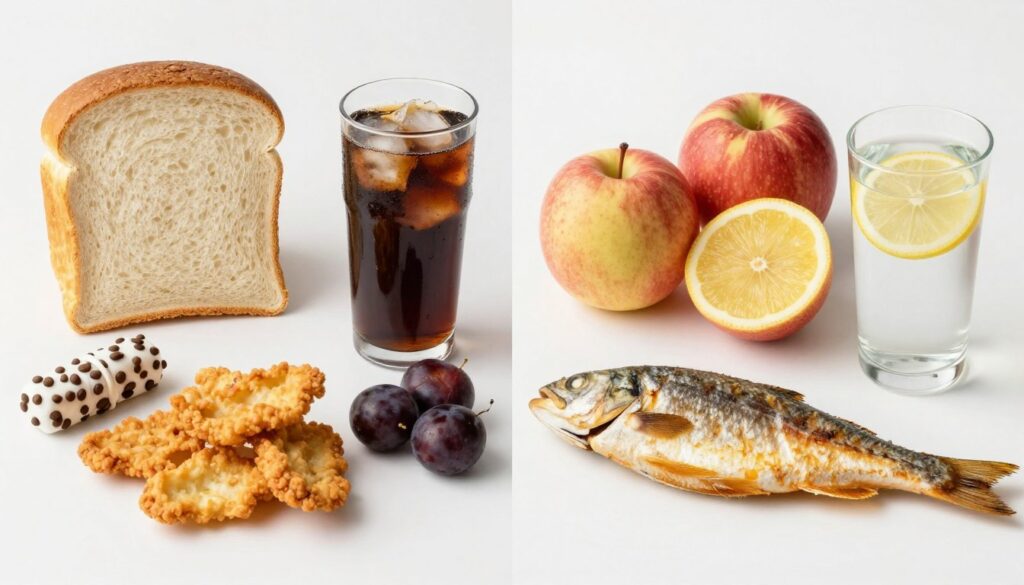
Refined carbohydrates and added sugars cause rapid blood glucose spikes that trigger inflammatory responses. These foods lack fiber and nutrients, providing empty calories that stress metabolic systems without offering nutritional benefits.
High sugar intake correlates with elevated inflammatory markers including CRP and IL-6. For PMDD, the blood sugar instability created by refined carbohydrates may worsen mood swings, irritability, and food cravings characteristic of the luteal phase.
Common Refined Carbohydrates to Limit
- White bread, rolls, and bagels
- Regular pasta made from refined wheat
- White rice and instant rice products
- Crackers made with refined flour
- Pastries, donuts, and sweet baked goods
- Sugary cereals and granola bars
- Cookies, cakes, and desserts
- Candy and sugar-sweetened snacks
Hidden Sugar Sources
Added sugars hide in many processed foods beyond obvious sweets. Condiments, sauces, salad dressings, yogurts, and even bread often contain significant amounts of added sugar that contribute to inflammatory processes.
Reading ingredient labels helps identify hidden sugars. Look for terms like high fructose corn syrup, cane sugar, agave nectar, maltose, dextrose, and fruit juice concentrate. These all represent added sugars that may worsen inflammation.
Processed and Red Meats
Processed meats including bacon, sausage, hot dogs, deli meats, and salami contain preservatives and high levels of saturated fat that promote inflammatory activity. Research consistently links processed meat consumption to elevated inflammatory markers.
Red meat, particularly when consumed in large quantities, may also contribute to inflammation. While moderate amounts of unprocessed red meat can fit within a balanced diet, heavy consumption appears problematic for inflammatory conditions.
The cooking method matters too. High-temperature cooking methods like grilling, frying, or charring create advanced glycation end products (AGEs) that trigger inflammatory responses. Lower-temperature cooking methods produce fewer AGEs.
Trans Fats and Certain Vegetable Oils
Trans fats, found in many processed foods and partially hydrogenated oils, strongly promote inflammation and should be completely avoided. Though food manufacturers have reduced trans fat content in many products, they still appear in some baked goods, fried foods, and shelf-stable items.
Certain vegetable oils high in omega-6 fatty acids may promote inflammation when consumed in excess. Corn oil, soybean oil, and sunflower oil dominate processed food production and restaurant cooking. While omega-6 fats serve essential functions, the modern diet contains far more omega-6 than omega-3, creating inflammatory imbalance.
| Oil Type | Omega-6 to Omega-3 Ratio | Inflammatory Potential | Recommendation |
| Soybean Oil | 7:1 | High (when used excessively) | Limit or avoid |
| Corn Oil | 46:1 | Very High | Avoid |
| Sunflower Oil | 71:1 | Very High | Avoid |
| Safflower Oil | 77:1 | Extremely High | Avoid |
| Olive Oil | 13:1 (mostly monounsaturated) | Low | Preferred choice |
| Avocado Oil | 13:1 (mostly monounsaturated) | Low | Good alternative |
Alcohol
Alcohol consumption increases inflammatory markers and may worsen PMDD symptoms through multiple mechanisms. Alcohol disrupts hormone balance, affects neurotransmitter function, impairs sleep quality, and triggers inflammatory responses.
For women with PMDD, alcohol sensitivity often increases during the luteal phase. Even moderate amounts consumed during this time may intensify mood symptoms, increase anxiety, and worsen sleep disturbances.
If you choose to drink alcohol, limiting intake to occasional consumption during the follicular phase may minimize negative effects. Some women find complete alcohol avoidance necessary for optimal symptom management.
Highly Processed Foods
Ultra-processed foods contain combinations of ingredients that collectively promote inflammation. These products typically include refined grains, added sugars, unhealthy fats, excessive sodium, and various additives.
Characteristics of Highly Processed Foods
- Long ingredient lists with unfamiliar chemical names
- Extended shelf life through preservatives
- Enhanced flavor through artificial additives
- Convenience-focused preparation (ready-to-eat)
- Engineered for palatability rather than nutrition
- Stripped of fiber and natural nutrients
Artificial Sweeteners and Additives
Some research suggests certain artificial sweeteners may negatively affect gut bacteria composition, potentially increasing inflammatory activity. While evidence remains mixed, some women with PMDD report symptom improvement after eliminating artificial sweeteners.
Food additives including certain preservatives, colorings, and flavor enhancers may trigger inflammatory or sensitivity responses in susceptible individuals. MSG, artificial colors, and certain preservatives appear most problematic for sensitive individuals.
Dairy Products (Individual Consideration)
Dairy affects individuals differently regarding inflammation. Some people tolerate dairy well, while others experience inflammatory responses. For PMDD management, individual experimentation may be necessary.
Full-fat dairy contains saturated fat that may promote inflammation in excess. However, fermented dairy products like yogurt and kefir provide probiotic benefits that may reduce inflammation. The type and quality of dairy matters significantly.
Women who suspect dairy sensitivity can trial a 30-day elimination followed by reintroduction while tracking symptoms. This approach helps identify whether dairy contributes to personal inflammatory burden and PMDD severity.
Gluten (For Sensitive Individuals)
Gluten sensitivity, distinct from celiac disease, may contribute to inflammation in some individuals. Not everyone needs to avoid gluten, but women with known sensitivity or autoimmune conditions should consider elimination.
When removing gluten, focus on naturally gluten-free whole foods rather than processed gluten-free products. Many gluten-free processed foods contain refined flours and added sugars that may worsen inflammation despite lacking gluten.
Practical Reduction Strategies
Completely eliminating all inflammatory foods immediately often proves overwhelming and unsustainable. A gradual reduction approach works better for most women.
- Identify your top three inflammatory food sources based on current diet
- Replace one inflammatory food with an anti-inflammatory alternative each week
- Focus on additions (more vegetables, fish, whole grains) rather than only restrictions
- Plan and prepare meals at home more frequently to control ingredients
- Read labels carefully when purchasing packaged foods
- Save highly inflammatory foods for rare occasions rather than regular consumption
- Track how you feel when you reduce inflammatory foods during luteal phase
Important Consideration: Overly restrictive dieting can create stress that actually increases inflammation. The goal involves improving overall food quality while maintaining adequate nutrition and avoiding disordered eating patterns. If you have a history of eating disorders, work with a healthcare provider when making dietary changes.
The 80/20 Approach
Aiming for perfection often backfires. Instead, target 80% of your food intake from anti-inflammatory sources, allowing 20% flexibility for less optimal choices. This approach maintains sustainability while still providing significant inflammatory benefits.
During the luteal phase when PMDD symptoms typically occur, you might aim for closer to 90% anti-inflammatory choices. This strategic timing maximizes dietary benefits when your body appears most sensitive to inflammatory triggers.
Omega-3 and Inflammation
Omega-3 fatty acids deserve special attention in anti-inflammatory PMDD management due to their powerful effects on inflammatory pathways and direct research supporting their use for premenstrual symptoms.
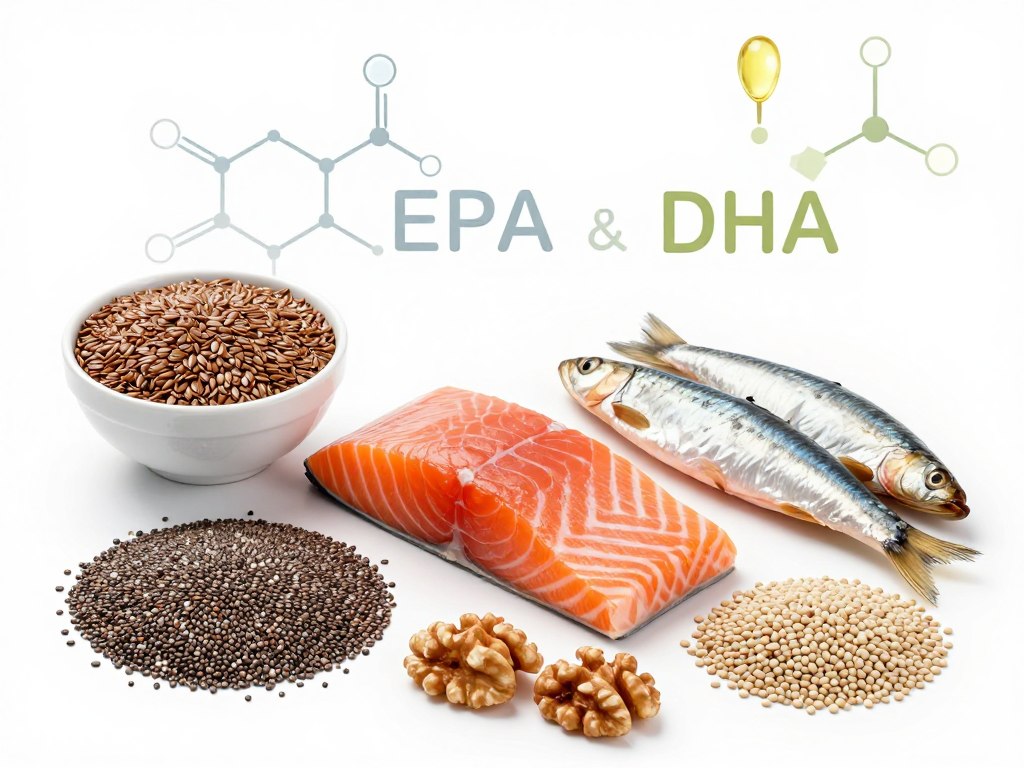
Types of Omega-3 Fatty Acids
Three main types of omega-3 fatty acids exist, each with different sources and functions in the body.
| Omega-3 Type | Primary Sources | Anti-Inflammatory Activity | Conversion Efficiency |
| EPA (Eicosapentaenoic Acid) | Fatty fish, fish oil | Very high – directly anti-inflammatory | Ready to use (no conversion needed) |
| DHA (Docosahexaenoic Acid) | Fatty fish, fish oil, algae | High – brain and cell membrane health | Ready to use (no conversion needed) |
| ALA (Alpha-Linolenic Acid) | Flaxseeds, chia, walnuts, hemp | Moderate – must convert to EPA/DHA | Low (5-10% converts to EPA/DHA) |
How Omega-3s Reduce Inflammation
EPA and DHA work through multiple anti-inflammatory mechanisms. They serve as precursors to specialized pro-resolving mediators (SPMs) including resolvins and protectins. These compounds actively resolve inflammatory processes rather than simply suppressing them.
Omega-3s also compete with omega-6 fatty acids for the same enzymes. When you increase omega-3 intake, fewer pro-inflammatory compounds derived from omega-6 fats get produced. This competitive mechanism helps shift the body away from inflammatory states.
Additionally, omega-3 fatty acids incorporate into cell membranes throughout the body. This changes membrane fluidity and affects cellular signaling pathways related to inflammation. The result includes reduced production of inflammatory cytokines and improved cellular function.
Omega-3 Research for PMS and PMDD
Several studies have specifically examined omega-3 supplementation for premenstrual symptoms with encouraging results. A study in Reproductive Health found that women taking omega-3 supplements experienced significant improvements in depression, nervousness, anxiety, and concentration difficulties compared to placebo.
Another trial published in the European Journal of Clinical Nutrition demonstrated that omega-3 supplementation reduced both psychological and physical PMS symptoms. Women in the omega-3 group reported decreased breast tenderness, bloating, and mood symptoms.
While most research examines PMS rather than specifically diagnosed PMDD, the overlap in symptoms suggests omega-3s may offer benefits for the more severe disorder as well. The anti-inflammatory mechanisms of omega-3s directly target pathways believed relevant to PMDD development.
Optimal Omega-3 Intake
General health recommendations suggest consuming at least two servings of fatty fish weekly, providing approximately 500mg combined EPA and DHA daily. For therapeutic purposes related to inflammation or mood, higher intakes of 1000-2000mg combined EPA and DHA may be beneficial.
Some research specific to premenstrual symptoms used doses around 1000-1500mg combined EPA and DHA. Starting with lower doses and gradually increasing allows assessment of individual response and tolerance.
Supplement Considerations: If choosing omega-3 supplements, look for products tested for purity and freshness. Third-party testing for heavy metals and oxidation ensures quality. Fish oil, krill oil, and algae oil all provide EPA and DHA, with algae oil serving as a vegetarian option. Our detailed omega-3 supplement guide for PMDD covers selection, dosing, and quality considerations.
Food Sources vs. Supplements
Whole food sources of omega-3s provide additional nutrients beyond EPA and DHA. Fatty fish contains protein, vitamin D, selenium, and B vitamins. Plant sources offer fiber, minerals, and antioxidants. These accompanying nutrients may enhance the overall anti-inflammatory effect.
Supplements offer convenience and guarantee specific EPA and DHA doses. They work well for women who don’t eat fish regularly or need therapeutic doses difficult to achieve through food alone.
An ideal approach combines both strategies – regular fatty fish consumption plus supplements if needed to reach therapeutic levels. This provides the benefits of whole food nutrition alongside guaranteed omega-3 intake.
Timing and Consistency
Omega-3 fatty acids require several weeks of consistent intake to build up in cell membranes and produce measurable anti-inflammatory effects. Unlike some medications that work immediately, omega-3s need time to accumulate and shift cellular fatty acid composition.
For PMDD management, maintaining omega-3 intake throughout the entire menstrual cycle matters more than only supplementing during symptomatic weeks. The goal involves reducing baseline inflammation before the luteal phase begins, potentially preventing or minimizing symptom severity.
Taking omega-3 supplements with meals, particularly those containing some fat, improves absorption. Storage matters too – both fish oil supplements and foods rich in omega-3s should be protected from heat, light, and air to prevent oxidation.
Safety and Interactions
Omega-3 supplements are generally safe for most people at recommended doses. However, they can thin the blood slightly, which may be problematic for people on blood-thinning medications or those with bleeding disorders.
High doses (above 3000mg daily) should be discussed with a healthcare provider, especially if you take medications or have medical conditions. Fish oil may cause mild digestive symptoms in some people, though these often resolve with continued use or can be minimized by taking supplements with food.
Balancing Omega-6 and Omega-3
Modern diets typically contain omega-6 to omega-3 ratios around 15:1 or higher, compared to ratios closer to 4:1 in traditional diets. Improving this balance involves both increasing omega-3 intake and reducing excessive omega-6 consumption.
Strategies to improve the omega-6:omega-3 ratio include replacing vegetable oils high in omega-6 with olive oil, reducing processed food consumption, eating fatty fish regularly, and incorporating omega-3 rich seeds and nuts. This comprehensive approach addresses both sides of the ratio for maximum anti-inflammatory benefit.
Blood Sugar and PMDD Symptoms
Blood sugar stability plays a crucial role in PMDD symptom management. The connection between glucose regulation and mood symptoms extends beyond simple energy levels to influence hormone balance, inflammation, and neurotransmitter function.
The Blood Sugar-Mood Connection
When blood sugar levels fluctuate dramatically, mood symptoms often follow the same pattern. Rapid glucose spikes trigger insulin surges that can lead to subsequent crashes. These crashes frequently manifest as irritability, anxiety, difficulty concentrating, and intense food cravings – all symptoms that overlap with PMDD.
During the luteal phase, insulin sensitivity naturally decreases for most women. This physiological change makes blood sugar management more challenging right when PMDD symptoms typically emerge. The combination of increased insulin resistance and existing inflammatory processes creates a perfect storm for symptom exacerbation.
Insulin Resistance and Inflammation
Insulin resistance and inflammation create a bidirectional relationship. Chronic inflammation contributes to insulin resistance development, while elevated insulin levels promote inflammatory marker production. This cycle particularly affects women with PMDD who may already have higher baseline inflammation.
High insulin levels directly influence hormone production and balance. Excess insulin can stimulate androgen production, potentially affecting the estrogen-progesterone balance relevant to PMDD. Additionally, insulin affects sex hormone binding globulin (SHBG) levels, which influences how much active hormone circulates in the bloodstream.
Hypoglycemia and PMDD Symptoms
Reactive hypoglycemia – when blood sugar drops too low after initially spiking high – produces symptoms remarkably similar to PMDD. Shakiness, irritability, anxiety, difficulty concentrating, and mood changes all characterize hypoglycemic episodes.
For women with PMDD, distinguishing between hormonally-driven symptoms and blood sugar-related symptoms can be challenging. Often, both factors contribute simultaneously, with blood sugar instability amplifying hormonally-triggered mood changes.
Strategies for Blood Sugar Stabilization
Maintaining steady blood glucose throughout the day helps minimize mood fluctuations and may reduce overall PMDD symptom severity. Several dietary strategies support stable blood sugar.
Protein with Every Meal and Snack
Protein slows glucose absorption and promotes satiety. Including protein sources at every eating occasion helps prevent the rapid blood sugar spikes that lead to subsequent crashes and mood symptoms.
Aim for 20-30 grams of protein at main meals and 10-15 grams at snacks. Protein sources include fish, poultry, eggs, legumes, Greek yogurt, nuts, seeds, and protein powder if needed.
Prioritize Fiber
Dietary fiber, particularly soluble fiber, slows carbohydrate digestion and glucose absorption. This creates gradual, sustained energy release rather than rapid spikes. Target at least 25-30 grams of fiber daily from vegetables, fruits, whole grains, legumes, nuts, and seeds.
Choose Low Glycemic Index Foods
The glycemic index (GI) measures how quickly foods raise blood sugar. Lower GI foods produce gentler glucose responses. Emphasizing low and moderate GI foods helps maintain stability.
| Food Category | Low GI Options (Choose Often) | High GI Options (Limit) |
| Grains | Steel-cut oats, quinoa, brown rice, barley | White bread, instant oatmeal, white rice, corn flakes |
| Fruits | Berries, apples, pears, citrus fruits | Watermelon, pineapple, dried fruits, fruit juice |
| Vegetables | Leafy greens, broccoli, peppers, tomatoes | White potatoes, parsnips, pumpkin |
| Legumes | Lentils, chickpeas, black beans, kidney beans | Baked beans with sugar, refried beans with lard |
| Snacks | Nuts, seeds, Greek yogurt, hummus | Crackers, pretzels, rice cakes, candy |
Regular Meal Timing
Eating at consistent intervals prevents prolonged fasting that can lead to hypoglycemia and overeating. Aim for three balanced meals plus one to two snacks spaced throughout the day, particularly during the luteal phase when blood sugar regulation becomes more challenging.
Some women benefit from smaller, more frequent meals during symptomatic weeks. This approach maintains steady glucose and energy levels, potentially reducing mood swings and irritability.
Strategic Carbohydrate Intake
Carbohydrates aren’t the enemy, but carbohydrate quality and timing matter significantly. Focus on complex carbohydrates from whole food sources rather than refined options. Pairing carbohydrates with protein, fat, or fiber slows their digestion and glucose impact.
During the luteal phase, some women find slightly reducing overall carbohydrate intake while increasing protein and healthy fat proportions helps stabilize mood and energy. This doesn’t mean eliminating carbs, but rather adjusting ratios to optimize blood sugar control during vulnerable times.
Chromium and Blood Sugar Regulation
The mineral chromium plays a role in insulin function and glucose metabolism. Some research suggests chromium supplementation may improve insulin sensitivity and help stabilize blood sugar. While evidence remains mixed, chromium appears safe at recommended doses.
Food sources of chromium include broccoli, green beans, potatoes, whole grains, and meat. If considering supplementation, typical doses range from 200-400 mcg daily. Discuss with your healthcare provider, especially if you have diabetes or take blood sugar-affecting medications.
Monitoring Your Response
Tracking how different foods affect your mood and energy helps identify personal blood sugar triggers. Keep a food and symptom diary for at least one complete menstrual cycle, noting what you ate and how you felt 1-2 hours later.
Pay particular attention during the luteal phase when insulin sensitivity decreases. Foods that cause no problems during follicular weeks might trigger symptoms during the premenstrual period. This information guides personalized dietary adjustments for optimal symptom management.
Practical Tip: If you experience sudden mood crashes, irritability, or intense cravings, try eating a balanced snack with protein, healthy fat, and a small amount of complex carbohydrate. If symptoms improve within 15-30 minutes, blood sugar instability likely contributed to the episode. This response pattern suggests focusing more attention on blood sugar stabilization strategies.
The Role of Magnesium in Glucose Metabolism
Magnesium participates in insulin signaling and glucose metabolism. Deficiency can worsen insulin resistance and blood sugar control. Many women have inadequate magnesium intake, and PMDD may further deplete magnesium stores.
Increasing magnesium through diet (leafy greens, nuts, seeds, whole grains, legumes) or supplementation may support better blood sugar regulation alongside mood benefits. For comprehensive information about magnesium’s role in PMDD management, including effects on blood sugar, see our detailed magnesium guide.
Gut Health and PMDD
The gut microbiome – the complex community of bacteria living in your digestive tract – significantly influences both inflammation and hormone metabolism. Emerging research reveals important connections between gut health and PMDD symptoms.
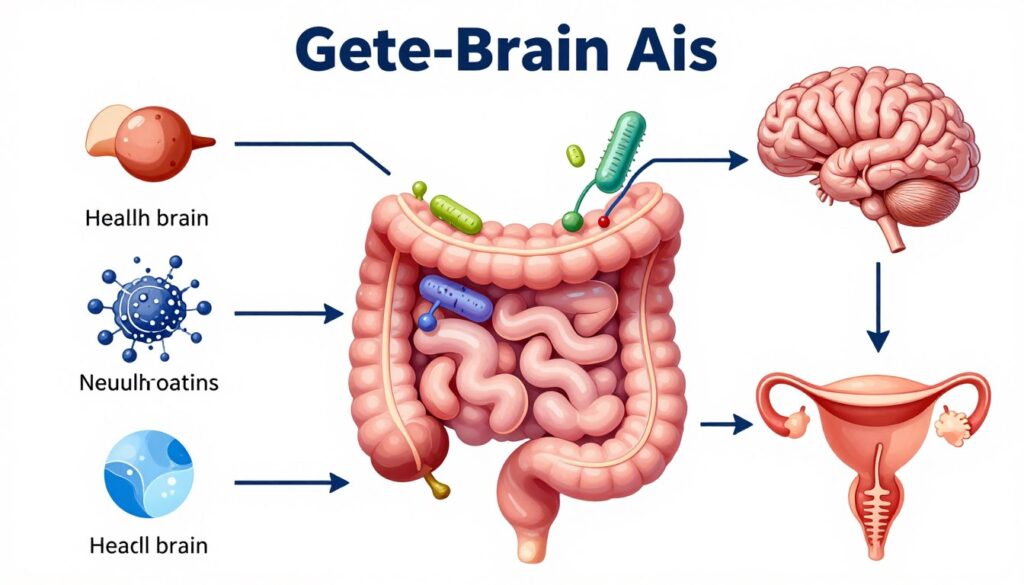
The Gut-Brain Axis
Your gut and brain communicate constantly through multiple pathways including the vagus nerve, immune system signaling, and hormone production. This bidirectional communication means gut health affects mood and brain function, while stress and emotions influence digestive health.
The gut microbiome produces neurotransmitters including serotonin, GABA, and dopamine – the same chemicals that regulate mood and are often disrupted in PMDD. In fact, approximately 90% of the body’s serotonin is produced in the gut. Microbiome imbalances may therefore directly affect mood regulation.
Gut Bacteria and Hormone Metabolism
Gut bacteria play essential roles in estrogen metabolism through the estrobolome – the collection of bacterial genes capable of metabolizing estrogen. These bacteria produce enzymes that either activate or deactivate estrogen compounds, influencing how much active hormone circulates in your body.
Imbalanced gut bacteria may alter estrogen metabolism in ways that affect hormone-sensitive conditions like PMDD. Some bacterial patterns promote estrogen reabsorption, potentially contributing to estrogen dominance. Others enhance estrogen elimination, potentially creating relative deficiency.
The gut microbiome also influences progesterone metabolism and cortisol production. Given that PMDD involves abnormal sensitivity to progesterone fluctuations and often includes stress response dysregulation, gut health optimization may support better hormone balance.
Inflammation and Intestinal Permeability
An unhealthy gut microbiome can increase intestinal permeability, sometimes called “leaky gut.” When the intestinal barrier becomes compromised, bacterial components and partially digested food particles may enter circulation, triggering systemic inflammatory responses.
This inflammation doesn’t stay localized to the digestive system. It spreads throughout the body, potentially worsening the inflammatory component of PMDD. Restoring gut barrier integrity through dietary and lifestyle measures may help reduce overall inflammatory burden.
Dietary Strategies for Gut Health
Several dietary approaches support beneficial bacteria growth and gut barrier health. These strategies complement other anti-inflammatory dietary recommendations for PMDD management.
Prebiotic Fiber
Prebiotic fibers feed beneficial bacteria, supporting their growth and activity. These fibers resist digestion in the small intestine, reaching the colon where bacteria ferment them into beneficial compounds including short-chain fatty acids.
Rich prebiotic sources include garlic, onions, leeks, asparagus, artichokes, bananas (especially slightly green), oats, apples, and chicory root. Aim for a variety of prebiotic-rich foods rather than relying on just one or two sources.
Probiotic Foods
Probiotic foods contain live beneficial bacteria that can colonize the gut or provide temporary benefits during transit. Regular consumption helps maintain microbial diversity and may support gut barrier function.
- Yogurt with live active cultures
- Kefir (dairy or non-dairy versions)
- Sauerkraut (unpasteurized)
- Kimchi
- Kombucha
- Miso
- Tempeh
- Pickled vegetables (naturally fermented)
Start with small amounts of fermented foods if you’re not accustomed to them. Some people experience temporary digestive changes as their microbiome adjusts to probiotic food introduction.
Polyphenol-Rich Foods
Polyphenols from colorful plant foods act as prebiotics, feeding beneficial bacteria while also providing direct antioxidant and anti-inflammatory effects. The combination supports both gut health and inflammation reduction.
Excellent polyphenol sources include berries, dark chocolate, green tea, red wine (in moderation), coffee, nuts, and colorful vegetables. These foods offer dual benefits for PMDD management through both microbiome support and anti-inflammatory activity.
Limiting Gut-Disrupting Foods
Certain dietary components harm beneficial bacteria or promote harmful bacterial overgrowth. Reducing these items supports microbiome health alongside inflammation reduction.
- Artificial sweeteners may negatively alter gut bacteria composition
- Excessive sugar feeds harmful bacteria and yeast
- Emulsifiers in processed foods can damage gut barrier
- Excessive alcohol disrupts microbiome balance
- Unnecessary antibiotics kill beneficial bacteria (use only when medically necessary)
Probiotic Supplements
Probiotic supplements provide concentrated doses of specific bacterial strains. Research shows certain strains offer benefits for mood, inflammation, and digestive health. However, strain specificity matters – not all probiotics provide the same benefits.
For mood and anxiety symptoms potentially relevant to PMDD, strains including Lactobacillus helveticus, Bifidobacterium longum, and Lactobacillus rhamnosus show promise in research. Multi-strain formulas may offer advantages by supporting broader microbiome diversity.
Choose high-quality probiotic supplements with guaranteed CFU (colony-forming unit) counts through expiration date. Refrigerated products may maintain potency better, though some shelf-stable options use protective technology to ensure bacterial viability.
The Role of Vitamin D in Gut Health
Vitamin D influences gut barrier integrity and immune function in the digestive tract. Deficiency may contribute to intestinal permeability and microbiome imbalances. Many women with PMDD have low vitamin D levels.
Optimizing vitamin D status through sun exposure, food sources (fatty fish, egg yolks, fortified foods), or supplementation may support gut health alongside direct mood benefits. Our comprehensive vitamin D guide for PMDD covers testing, dosing, and implementation strategies.
Stress Management and Gut Health
Chronic stress damages the gut microbiome and increases intestinal permeability. The stress-gut connection creates another pathway through which PMDD’s emotional components might worsen physical symptoms and vice versa.
Stress reduction practices including meditation, yoga, adequate sleep, and regular physical activity support gut health alongside direct mood benefits. These lifestyle factors work synergistically with dietary changes to optimize both microbiome composition and PMDD symptom management.
Healing the Gut Lining
Specific nutrients support gut barrier repair and maintenance. L-glutamine, an amino acid, serves as primary fuel for intestinal cells. Zinc supports gut lining integrity and immune function. Omega-3 fatty acids reduce intestinal inflammation.
Bone broth provides collagen and glutamine that support gut healing. Aloe vera juice (specifically prepared for internal use) may soothe intestinal inflammation. Slippery elm and marshmallow root are traditional remedies for digestive tract support.
If you suspect significant gut barrier compromise, working with a healthcare provider experienced in functional medicine or integrative approaches may help develop a comprehensive gut-healing protocol tailored to your specific needs.
Connection to Other Treatments: Gut health optimization may enhance the effectiveness of other PMDD treatments. For example, improved gut function supports better nutrient absorption, potentially increasing the benefits of supplement protocols. Additionally, the gut-produced neurotransmitters may work synergistically with SSRIs or other mood-supporting interventions.
A Sample Anti-Inflammatory PMDD Meal Plan
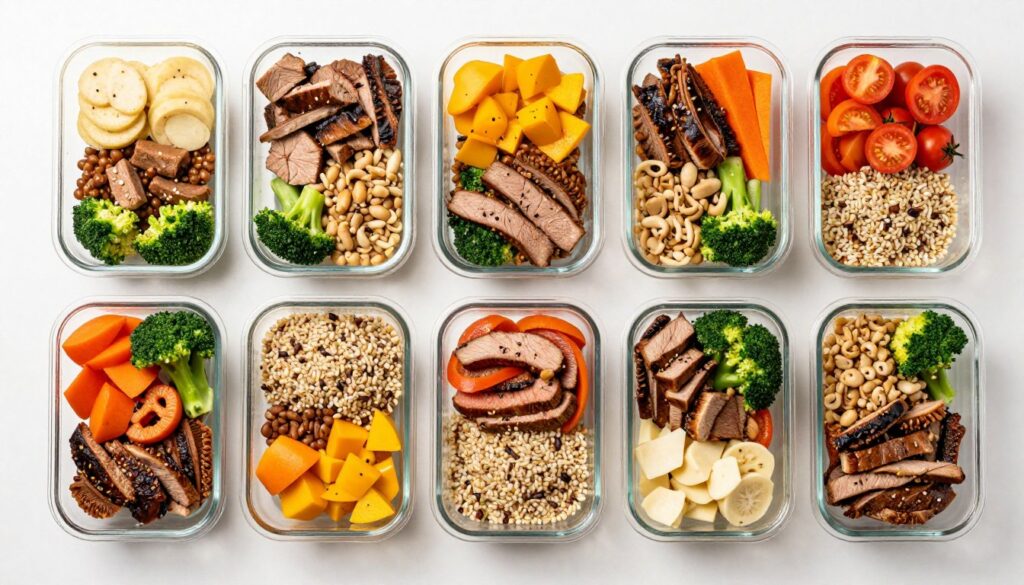
This one-week meal plan demonstrates how to implement anti-inflammatory eating principles throughout your cycle. The plan emphasizes whole foods, omega-3 fatty acids, fiber, protein, and blood sugar stability while limiting inflammatory triggers.
Day 1: Monday
| Meal | Menu | Key Anti-Inflammatory Components |
| Breakfast | Steel-cut oats with walnuts, ground flaxseed, blueberries, and cinnamon Green tea | Omega-3 from walnuts and flax; antioxidants from blueberries; anti-inflammatory spice; slow-releasing carbs |
| Morning Snack | Apple slices with almond butter Chamomile tea | Fiber; healthy fats; antioxidants; calming herbal tea |
| Lunch | Large spinach salad with grilled salmon, cherry tomatoes, cucumber, bell peppers, pumpkin seeds Olive oil and lemon dressing Quinoa on the side | Omega-3 rich fish; variety of antioxidant vegetables; zinc from pumpkin seeds; complete plant protein |
| Afternoon Snack | Carrot and celery sticks with hummus | Prebiotic fiber; plant protein and healthy fats from chickpeas and tahini |
| Dinner | Turmeric-ginger chicken breast with roasted broccoli and sweet potato Side of sauerkraut | Anti-inflammatory spices; cruciferous vegetable; complex carbs; probiotic food |
Day 2: Tuesday
| Meal | Menu | Key Anti-Inflammatory Components |
| Breakfast | Greek yogurt with chia seeds, sliced strawberries, and a drizzle of raw honey Green tea | Probiotics; omega-3 from chia; vitamin C and antioxidants from berries |
| Morning Snack | Small handful of mixed raw nuts (almonds, walnuts, cashews) | Healthy fats; minerals including magnesium and zinc |
| Lunch | Lentil soup with carrots, celery, tomatoes, and kale Side of whole grain bread with avocado | Plant protein and fiber; variety of vegetables; healthy fats from avocado |
| Afternoon Snack | Berries with a small piece of dark chocolate (70% cacao or higher) | Antioxidants from berries and cacao; polyphenols |
| Dinner | Baked cod with herbs, roasted Brussels sprouts with garlic, brown rice Small side salad with olive oil dressing | Lean protein; cruciferous vegetables; whole grain; healthy fats |
Day 3: Wednesday
| Meal | Menu | Key Anti-Inflammatory Components |
| Breakfast | Smoothie with spinach, frozen berries, banana, ground flaxseed, and unsweetened almond milk Handful of walnuts on the side | Leafy greens; antioxidant berries; omega-3s; fiber |
| Morning Snack | Orange slices with a few almonds | Vitamin C; healthy fats and vitamin E |
| Lunch | Chickpea and vegetable stir-fry with broccoli, bell peppers, snap peas, and onions Served over quinoa with sesame seeds | Plant protein; variety of colorful vegetables; complete protein from quinoa |
| Afternoon Snack | Kefir with a sprinkle of cinnamon | Probiotics; anti-inflammatory spice |
| Dinner | Grilled salmon with rosemary, roasted cauliflower with turmeric, wild rice Mixed green salad | Omega-3 rich fish; anti-inflammatory herbs and spices; variety of vegetables |
Day 4: Thursday
| Meal | Menu | Key Anti-Inflammatory Components |
| Breakfast | Scrambled eggs with spinach, tomatoes, and mushrooms Side of whole grain toast with avocado Green tea | Protein; variety of vegetables; healthy fats; whole grain |
| Morning Snack | Pear with a small handful of walnuts | Fiber; omega-3 fatty acids |
| Lunch | Turkey and vegetable wrap using whole grain tortilla Include lettuce, tomatoes, cucumber, bell peppers, and hummus Side of kimchi | Lean protein; multiple vegetables; probiotic food |
| Afternoon Snack | Greek yogurt with hemp seeds and a few berries | Probiotics; omega-3s; antioxidants |
| Dinner | Black bean and sweet potato chili with tomatoes, peppers, onions, garlic Top with avocado slices Small side salad | Plant protein and fiber; variety of vegetables; healthy fats |
Day 5: Friday
| Meal | Menu | Key Anti-Inflammatory Components |
| Breakfast | Chia seed pudding made with unsweetened almond milk, topped with sliced banana and cinnamon Green tea | Omega-3s from chia; fiber; anti-inflammatory spice |
| Morning Snack | Celery sticks with almond butter | Fiber; healthy fats; vitamin E |
| Lunch | Sardine salad over mixed greens with cherry tomatoes, olives, cucumber, red onion Olive oil and balsamic vinegar dressing Side of whole grain crackers | Omega-3 rich fish; variety of vegetables; healthy fats |
| Afternoon Snack | Apple with sunflower seed butter | Fiber; vitamin E; minerals |
| Dinner | Baked chicken breast with herbs, roasted asparagus with lemon, quinoa Side of miso soup | Lean protein; variety of vegetables; probiotic food; complete plant protein |
Day 6: Saturday
| Meal | Menu | Key Anti-Inflammatory Components |
| Breakfast | Vegetable omelet with bell peppers, onions, spinach, mushrooms Side of berries Green tea | Protein; variety of vegetables; antioxidant berries |
| Morning Snack | Kefir smoothie with frozen berries and ground flaxseed | Probiotics; omega-3s; antioxidants |
| Lunch | Grilled mackerel with lemon and herbs, large mixed salad with various colored vegetables Olive oil dressing Side of roasted sweet potato | Omega-3 rich fish; variety of antioxidant vegetables; complex carbs |
| Afternoon Snack | Raw vegetables (bell peppers, cherry tomatoes, cucumber) with guacamole | Variety of vegetables; healthy fats from avocado |
| Dinner | Lentil curry with spinach, tomatoes, onions, garlic, ginger, turmeric Served over brown rice Side of sauerkraut | Plant protein and fiber; anti-inflammatory spices; whole grain; probiotic |
Day 7: Sunday
| Meal | Menu | Key Anti-Inflammatory Components |
| Breakfast | Buckwheat pancakes topped with berries and a small drizzle of maple syrup Side of walnuts Green tea | Gluten-free whole grain; antioxidant berries; omega-3s |
| Morning Snack | Greek yogurt with ground flaxseed and cinnamon | Probiotics; omega-3s; anti-inflammatory spice |
| Lunch | Buddha bowl with baked tofu, roasted vegetables (broccoli, carrots, bell peppers), quinoa, chickpeas, tahini dressing Side of kimchi | Plant proteins; variety of vegetables; complete protein; probiotic |
| Afternoon Snack | Trail mix with raw nuts, seeds, and a small amount of dried berries (unsweetened) | Healthy fats; minerals; antioxidants |
| Dinner | Herb-crusted salmon with garlic green beans and wild rice Mixed greens salad with olive oil dressing | Omega-3 rich fish; variety of vegetables; whole grain |
Meal Plan Notes and Adaptations
This meal plan provides approximately 1800-2200 calories daily, suitable for most women. Adjust portion sizes based on your individual energy needs, activity level, and goals.
Customization Tips:
- Swap fish types based on availability and preference, maintaining omega-3 focus
- Substitute any vegetables you dislike with others of similar color for comparable nutrients
- For vegetarian/vegan adaptation, replace fish with additional plant omega-3 sources and consider algae-based omega-3 supplements
- Adjust grain portions based on your carbohydrate tolerance, particularly during luteal phase
- Double portions at dinner to have leftovers for next-day lunch
- Add specific supplements as recommended by your healthcare provider alongside this dietary foundation
For a more extensive meal planning resource specifically tailored to PMDD management across your entire cycle, explore our complete PMDD diet plan guide with additional recipes, shopping lists, and cycle-specific recommendations.
Grocery List for an Anti-Inflammatory PMDD Diet
This comprehensive shopping list organizes anti-inflammatory foods by category, making grocery shopping efficient and ensuring you have the ingredients needed to follow an anti-inflammatory eating pattern. Print this list and check off items as you shop.

Proteins
Fish and Seafood (Choose Wild-Caught When Possible)
- Wild salmon (fresh or frozen)
- Sardines (canned in water or olive oil)
- Mackerel
- Anchovies
- Herring
- Cod or other white fish
- Shrimp
- Shellfish (if tolerated)
Poultry and Eggs
- Chicken breast (organic/free-range preferred)
- Chicken thighs
- Turkey breast
- Eggs (pasture-raised if possible)
Plant-Based Proteins
- Black beans (dried or canned, low-sodium)
- Kidney beans
- Chickpeas (garbanzo beans)
- Lentils (red, green, or brown)
- Split peas
- Tofu (organic, non-GMO)
- Tempeh
Vegetables
Leafy Greens
- Spinach
- Kale
- Swiss chard
- Collard greens
- Arugula
- Mixed salad greens
- Romaine lettuce
Cruciferous Vegetables
- Broccoli
- Cauliflower
- Brussels sprouts
- Cabbage (green and purple)
- Bok choy
Colorful Vegetables
- Bell peppers (red, orange, yellow, green)
- Tomatoes (fresh and canned, low-sodium)
- Carrots
- Sweet potatoes
- Beets
- Asparagus
- Green beans
- Zucchini
- Cucumber
- Celery
- Onions (yellow, red, white)
- Garlic
- Mushrooms
Fruits
Berries (Fresh or Frozen)
- Blueberries
- Strawberries
- Raspberries
- Blackberries
- Cherries
Other Fruits
- Apples
- Pears
- Oranges
- Grapefruit
- Lemons
- Limes
- Bananas
- Avocados
- Pomegranate
Whole Grains
- Steel-cut oats
- Rolled oats (not instant)
- Quinoa
- Brown rice
- Wild rice
- Buckwheat
- Barley
- Millet
- Whole grain bread (minimal ingredients)
- Whole grain pasta
- Whole grain tortillas
Nuts and Seeds
- Walnuts (raw or dry-roasted)
- Almonds (raw or dry-roasted)
- Cashews
- Pistachios
- Pecans
- Pumpkin seeds (pepitas)
- Sunflower seeds
- Chia seeds
- Ground flaxseed (store in refrigerator)
- Hemp seeds
- Sesame seeds
- Almond butter (no added sugar)
- Tahini (sesame seed paste)
Healthy Fats and Oils
- Extra virgin olive oil
- Avocado oil
- Coconut oil (for occasional high-heat cooking)
- Olives
- Avocados
Dairy and Alternatives (Choose Unsweetened)
- Greek yogurt (plain, full-fat or 2%)
- Kefir (plain)
- Unsweetened almond milk
- Unsweetened coconut milk
- Unsweetened oat milk
Fermented Foods
- Sauerkraut (raw/unpasteurized, refrigerated section)
- Kimchi
- Kombucha (low-sugar varieties)
- Miso paste
- Pickles (naturally fermented, not vinegar-based)
Herbs and Spices
- Turmeric (ground and fresh root)
- Ginger (ground and fresh root)
- Cinnamon
- Garlic (fresh and powder)
- Rosemary
- Thyme
- Oregano
- Basil
- Black pepper
- Cumin
- Paprika
- Sea salt or Himalayan salt
Beverages
- Green tea
- White tea
- Herbal teas (chamomile, ginger, turmeric)
- Filtered water
- Sparkling water (unsweetened)
Pantry Staples
- Apple cider vinegar (raw, with “mother”)
- Balsamic vinegar
- Low-sodium vegetable broth
- Low-sodium chicken broth or bone broth
- Tomato paste (no added sugar)
- Dijon mustard
- Honey (raw, local if possible)
- Pure maple syrup (grade A, use sparingly)
- Dark chocolate (70% cacao or higher)
Optional Supplements to Discuss with Healthcare Provider
- Omega-3 fish oil or algae oil
- Vitamin D3
- Magnesium
- Vitamin B6
- Zinc
- Calcium
- Probiotic supplement
For detailed information about supplement selection, dosing, and quality considerations, see our comprehensive guides on magnesium, vitamin B6, zinc, calcium, and our complete supplement overview.
Shopping Tips
Budget-Friendly Strategies
- Buy frozen vegetables and berries for convenience and cost savings
- Choose canned fish like sardines and salmon for affordable omega-3s
- Buy dried beans and lentils in bulk
- Purchase seasonal produce for better prices
- Shop store brands for staples like olive oil and canned goods
- Grow your own herbs in pots for fresh, inexpensive seasoning
Quality Considerations
- Prioritize organic for the “Dirty Dozen” (highest pesticide produce)
- Choose wild-caught fish over farmed when budget allows
- Select pasture-raised eggs if accessible
- Buy organic for animal products if possible (hormones/antibiotics)
- Read labels carefully – avoid added sugars and preservatives
- Check for “non-GMO” and “organic” certifications when purchasing processed items
Preparation matters as much as purchasing. Dedicating time weekly to washing and chopping vegetables, cooking grains, and preparing proteins in advance makes healthy eating convenient during busy periods, especially during symptomatic luteal phase weeks when motivation may be lower.
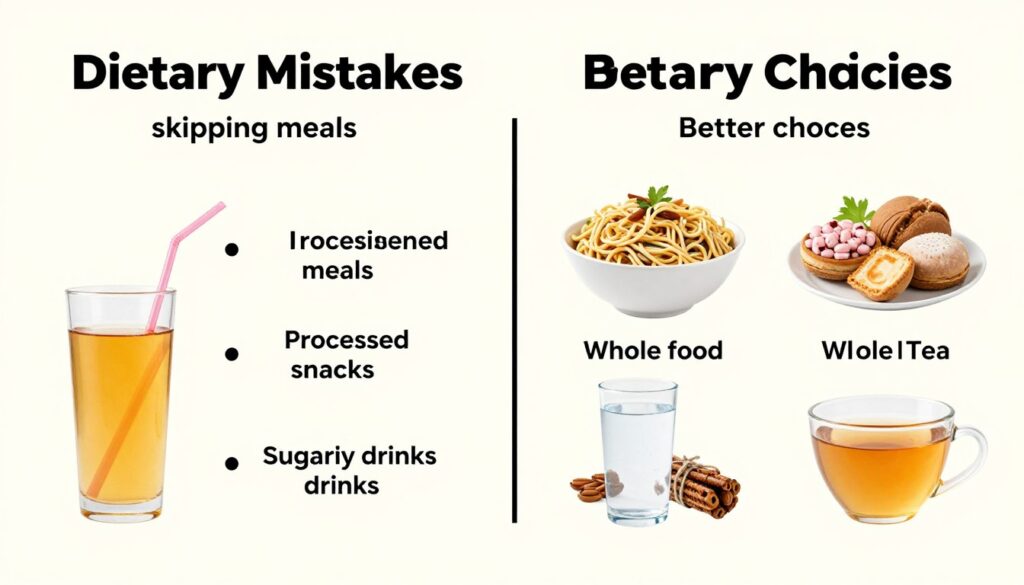
Common Mistakes to Avoid
Even with good intentions, several common pitfalls can undermine anti-inflammatory dietary efforts for PMDD management. Understanding these mistakes helps you implement strategies more effectively and maintain sustainable changes.
Mistake 1: Making Too Many Changes at Once
Attempting to overhaul your entire diet overnight typically leads to overwhelm and abandonment of new habits. The all-or-nothing approach rarely succeeds long-term.
Better Approach:
Implement changes gradually, adding one or two new habits weekly. Start with the modifications likely to have the biggest impact – perhaps reducing added sugar or adding one serving of fatty fish weekly. Build on successes incrementally rather than demanding perfection immediately.
Mistake 2: Focusing Only on Restriction
Thinking primarily about foods to eliminate creates a deprivation mindset that proves difficult to sustain. Constant restriction also increases stress, potentially worsening inflammation despite dietary improvements.
Better Approach:
Focus on adding beneficial foods rather than only removing problematic ones. Emphasize what you can eat liberally – vegetables, fruits, fish, whole grains, nuts, seeds. As you increase these nutrient-dense options, less room naturally remains for inflammatory foods without feeling deprived.
Mistake 3: Expecting Immediate Results
Dietary changes for inflammation reduction require weeks to months before producing noticeable symptom improvements. Disappointment from expecting rapid results often leads to premature abandonment of beneficial strategies.
Better Approach:
Commit to at least three complete menstrual cycles (approximately three months) before evaluating effectiveness. Track symptoms carefully throughout this period to identify subtle improvements that might otherwise go unnoticed. Remember that anti-inflammatory effects are cumulative – benefits increase over time with consistency.
Mistake 4: Inadequate Meal Planning and Preparation
Failing to plan ahead makes it difficult to maintain anti-inflammatory eating, especially during busy times or when PMDD symptoms reduce motivation and energy during the luteal phase.
Better Approach:
Dedicate time during the follicular phase (when energy is higher) to meal planning and preparation for the upcoming cycle. Batch cook proteins, chop vegetables, prepare grains, and portion snacks. Having ready-to-eat healthy options prevents defaulting to convenient processed foods during symptomatic weeks.
Mistake 5: Neglecting Hydration
Inadequate water intake impairs every bodily function, including inflammatory regulation and toxin elimination. Dehydration can worsen fatigue, headaches, and bloating already present with PMDD.
Better Approach:
Aim for at least 8-10 glasses of water daily, more if you’re physically active or live in a hot climate. Keep a water bottle with you throughout the day. Herbal teas count toward hydration goals. Adequate hydration supports all anti-inflammatory dietary efforts.
Mistake 6: Ignoring Personal Food Sensitivities
Following anti-inflammatory guidelines without considering individual reactions means you might continue eating foods that trigger inflammation specifically for you, even if they’re generally healthy.
Better Approach:
Pay attention to how specific foods affect you, particularly during the luteal phase when sensitivity increases. Keep a food-symptom journal for at least two cycles to identify personal triggers. Consider working with a healthcare provider to investigate suspected sensitivities through elimination diet protocols if needed.
Mistake 7: Perfectionism and All-or-Nothing Thinking
Believing you’ve “failed” if you eat something inflammatory, then abandoning all efforts entirely, prevents sustainable change. Perfectionism creates unnecessary stress that can actually increase inflammation.
Better Approach:
Adopt the 80/20 rule – aim for 80% of your food intake from anti-inflammatory sources, allowing 20% flexibility. When you eat something less optimal, simply return to your regular pattern at the next meal without guilt or punishment. Progress matters more than perfection.
Mistake 8: Replacing Inflammatory Foods with Processed "Health" Foods
Many packaged products marketed as healthy alternatives contain inflammatory ingredients like refined oils, added sugars, and preservatives. Gluten-free processed foods, for example, often contain refined flours and sugars that may worsen inflammation despite lacking gluten.
Better Approach:
Emphasize whole, minimally processed foods rather than packaged alternatives. If using convenience foods, read labels carefully. The ingredient list should be short with recognizable items. Better yet, prepare meals from scratch using basic ingredients when possible.
Mistake 9: Insufficient Protein Intake
Plant-forward anti-inflammatory diets sometimes fall short on protein, particularly for women following vegetarian or vegan patterns. Inadequate protein affects blood sugar stability, satiety, and nutrient status.
Better Approach:
Calculate your protein needs (roughly 0.8-1.0 grams per kilogram body weight, higher if very active) and ensure you’re meeting them through a combination of animal and plant sources. Include protein at every meal and most snacks to support blood sugar stability and overall health.
Mistake 10: Not Addressing Other Lifestyle Factors
Focusing exclusively on diet while ignoring sleep, stress, exercise, and other lifestyle elements limits results. These factors influence inflammation independently and interact with dietary effects.
Better Approach:
View anti-inflammatory eating as one component of comprehensive PMDD management. Prioritize adequate sleep, stress reduction techniques, regular appropriate exercise, and other healthy lifestyle practices. The synergistic effect of multiple positive changes exceeds any single intervention alone.
If You Have a History of Eating Disorders: Restrictive dietary approaches, even health-focused ones, may trigger disordered eating patterns. Work with a healthcare provider, registered dietitian, or therapist experienced with both eating disorders and PMDD to develop an approach that improves health without compromising recovery. Your mental health takes priority over perfect dietary adherence.
Mistake 11: Inadequate Nutrient Supplementation When Needed
Some women require supplements to address deficiencies or reach therapeutic levels of specific nutrients difficult to obtain through diet alone. Relying exclusively on food when supplementation is appropriate limits potential benefits.
Better Approach:
Work with your healthcare provider to identify nutrient deficiencies through testing. Consider supplementation for nutrients relevant to PMDD and inflammation, such as omega-3s, vitamin D, magnesium, and B vitamins. Quality supplements complement rather than replace a healthy diet. Explore complementary approaches like acupuncture for PMDD symptom management as part of a comprehensive strategy.
Mistake 12: Not Tracking Progress
Without objective tracking, it’s difficult to identify which dietary changes help most or to notice gradual improvements that might otherwise go unrecognized.
Better Approach:
Maintain a symptom diary tracking both PMDD symptoms and dietary intake for at least three complete cycles. Rate symptom severity daily using a consistent scale. This documentation helps identify patterns, motivates continued efforts, and provides concrete evidence of progress to share with healthcare providers.
Frequently Asked Questions (FAQ)
How long does it take for an anti-inflammatory diet to improve PMDD symptoms?
Most women need at least 2-3 complete menstrual cycles (approximately 2-3 months) of consistent anti-inflammatory eating before noticing significant symptom improvements. Some women report subtle changes within weeks, while others require longer periods for full benefits to emerge.
The timeline varies based on several factors including baseline inflammation levels, diet quality before changes, consistency of implementation, and individual physiology. Anti-inflammatory effects are cumulative – benefits typically increase over time with sustained dietary patterns.
Patience and consistent tracking help identify gradual improvements that might otherwise go unnoticed. Keep detailed symptom records throughout at least three cycles to accurately assess progress.
Can diet alone cure PMDD, or do I still need other treatments?
Diet rarely “cures” PMDD but can significantly reduce symptom severity for many women. Most experts recommend combining dietary approaches with other evidence-based treatments for optimal management. PMDD has complex biological roots involving hormone sensitivity, neurotransmitter function, and inflammatory processes – addressing multiple pathways simultaneously typically produces better results than any single intervention.
Effective comprehensive treatment often includes anti-inflammatory diet, targeted supplements, regular exercise, stress management techniques, adequate sleep, and when needed, medications such as SSRIs or hormonal therapies. Some women also benefit from psychotherapy, particularly cognitive-behavioral therapy.
Work with your healthcare provider to develop a personalized treatment plan that addresses your specific symptoms and circumstances. Diet serves as an important foundation that may enhance the effectiveness of other interventions.
Should I follow the anti-inflammatory diet all month or only during the luteal phase?
Maintain anti-inflammatory eating throughout your entire menstrual cycle rather than only during symptomatic weeks. This approach provides several advantages. Consistent eating patterns prevent the metabolic stress of repeatedly starting and stopping dietary changes. Building up anti-inflammatory effects during the follicular phase may help prevent or minimize symptoms in the subsequent luteal phase. Whole-cycle consistency supports stable blood sugar, hormone balance, and gut health that benefit overall wellbeing beyond PMDD symptom management.
That said, you might slightly adjust macronutrient ratios or portion sizes based on cycle phase needs. Some women benefit from modestly reducing overall carbohydrate intake during the luteal phase when insulin sensitivity naturally decreases. Others increase protein slightly during this time to support blood sugar stability.
The key involves maintaining anti-inflammatory food foundations throughout the month while allowing minor adjustments for individual needs during different cycle phases.
What if I’m vegetarian or vegan? Can I still follow an anti-inflammatory diet for PMDD?
Yes, absolutely. Plant-based diets can be highly anti-inflammatory when properly planned. Focus on diverse protein sources including legumes, tofu, tempeh, seitan, and quinoa. Prioritize omega-3 rich plant foods like flaxseeds, chia seeds, hemp seeds, and walnuts. Include abundant colorful vegetables, fruits, whole grains, nuts, and seeds.
Consider algae-based omega-3 supplements providing EPA and DHA, as plant sources only provide ALA which converts inefficiently. Pay attention to potential nutrient gaps including vitamin B12, iron, zinc, and calcium – supplementation may be necessary. Track protein intake to ensure adequacy, as plant proteins are less concentrated than animal sources.
Work with a registered dietitian experienced in plant-based nutrition to develop a plan that meets all nutritional needs while supporting PMDD management. Well-designed vegetarian and vegan diets can absolutely support anti-inflammatory goals.
Are there specific foods I should eat more of during the luteal phase versus follicular phase?
While the overall anti-inflammatory approach remains consistent throughout your cycle, some strategic adjustments may help. During the luteal phase when PMDD symptoms typically occur, consider emphasizing foods that support blood sugar stability (protein, fiber, healthy fats at every meal), increasing magnesium-rich foods (leafy greens, nuts, seeds, whole grains), prioritizing omega-3 sources (fatty fish, flaxseeds, walnuts), and including more tryptophan-containing foods that support serotonin production (turkey, eggs, nuts, seeds, tofu).
Some women benefit from slightly reducing overall carbohydrate intake during the luteal phase when insulin sensitivity naturally decreases, while maintaining adequate complex carbs for energy and mood support. Focus on steady energy rather than quick-burning carbohydrate sources.
During the follicular phase, use higher energy levels for meal preparation and batch cooking to support healthy eating during the more challenging luteal phase. This strategic timing makes anti-inflammatory eating more sustainable throughout your entire cycle.
Can I have coffee on an anti-inflammatory diet for PMDD?
Coffee affects individuals differently, and its role in PMDD management remains nuanced. Coffee contains antioxidants and polyphenols with anti-inflammatory properties, so moderate consumption (1-2 cups daily) may fit within an anti-inflammatory diet for some women.
However, caffeine can worsen anxiety and sleep disturbances already problematic in PMDD. It may also exacerbate breast tenderness and increase stress hormone production. Some women notice mood symptoms improve significantly when they reduce or eliminate caffeine.
If you choose to drink coffee, limit intake to morning hours to prevent sleep disruption, avoid adding sugar or artificial sweeteners, consider reducing or eliminating intake during the luteal phase if symptoms worsen, and monitor how coffee specifically affects your PMDD symptoms. If you notice increased anxiety, irritability, or sleep problems, reducing caffeine intake may be beneficial. Green tea offers a lower-caffeine alternative with excellent anti-inflammatory compounds.
How much omega-3 should I aim for daily to help with PMDD symptoms?
For general health, aim for at least 250-500mg combined EPA and DHA daily through diet or supplements. For therapeutic purposes related to inflammation and mood symptoms, research suggests 1000-2000mg combined EPA and DHA may be beneficial. Some studies specifically examining premenstrual symptoms used doses around 1000-1500mg daily.
You can achieve these levels through diet alone by eating fatty fish 2-3 times weekly (providing approximately 500-1000mg per serving), or combine dietary sources with supplementation to reach therapeutic levels. If supplementing, look for products providing both EPA and DHA, ideally with higher EPA content as this omega-3 type shows strongest anti-inflammatory effects.
Start with lower doses and gradually increase to assess tolerance. Take omega-3 supplements with meals containing some fat to improve absorption. Our detailed omega-3 guide for PMDD provides comprehensive dosing, selection, and quality information.
Will I need to avoid all my favorite foods forever?
No. Anti-inflammatory eating emphasizes overall patterns rather than absolute restriction. The 80/20 approach – where 80% of your intake comes from anti-inflammatory sources with 20% flexibility – allows occasional enjoyment of less optimal foods without derailing progress.
Some women find that recreating favorite foods using anti-inflammatory ingredients provides satisfaction without triggering symptoms. For example, making homemade pizza with whole grain crust, plenty of vegetables, and quality cheese, or baking treats using almond flour, coconut sugar, and dark chocolate.
The goal involves shifting overall dietary patterns toward anti-inflammatory foods while maintaining psychological wellbeing and social enjoyment around eating. Overly restrictive approaches often backfire by increasing stress and promoting disordered eating patterns – neither supports PMDD management.
Pay attention to which specific foods trigger your symptoms most severely and consider saving those for rare occasions while regularly enjoying foods that don’t worsen your condition. Individualized approaches based on personal responses work better than rigid universal rules.
Should I eliminate gluten and dairy for PMDD?
Not necessarily for everyone. Gluten and dairy affect individuals differently. Some women with PMDD find eliminating one or both significantly improves symptoms, while others notice no difference.
Consider a trial elimination if you suspect sensitivity, have autoimmune conditions, or haven’t found relief through other dietary changes. Remove the suspected food completely for at least 30 days while tracking symptoms, then reintroduce and observe reactions. This systematic approach helps identify whether elimination is beneficial for you specifically.
If you don’t have celiac disease or diagnosed dairy allergy, focus first on eliminating clearly inflammatory foods (refined sugars, processed foods, trans fats) before removing potentially neutral foods like whole grains and dairy. For many women, improving overall diet quality matters more than eliminating specific food groups.
If you do eliminate gluten or dairy, ensure adequate nutrition from alternative sources. Work with a registered dietitian to maintain nutritional balance while following elimination protocols.
Can supplements replace eating anti-inflammatory foods?
No. While supplements provide concentrated amounts of specific nutrients and can be valuable additions to PMDD management, they cannot replicate the complex interactions of nutrients, fiber, antioxidants, and beneficial compounds found in whole foods.
Whole foods offer synergistic effects where nutrients work together in ways isolated supplements cannot reproduce. Foods provide fiber essential for gut health and blood sugar stability. The variety in a whole food diet supplies thousands of beneficial phytonutrients not available in supplements.
View supplements as complementary to, not replacements for, a healthy diet. Use them to address specific deficiencies, reach therapeutic levels difficult to achieve through food alone, or fill gaps during times when optimal eating proves challenging. Our comprehensive supplement guide helps identify which supplements may benefit your specific situation when combined with anti-inflammatory dietary patterns.
What if I don’t see improvement after three months of anti-inflammatory eating?
If you’ve consistently followed anti-inflammatory dietary principles for three complete menstrual cycles without noticeable improvement, several factors deserve consideration. Ensure you’re truly following anti-inflammatory guidelines consistently – hidden inflammatory foods, inadequate protein, insufficient omega-3s, or continued high sugar intake might be undermining efforts.
Consider whether other factors might be dominating symptoms. Severe stress, inadequate sleep, or untreated underlying health conditions can overpower dietary benefits. Work with your healthcare provider to rule out other conditions contributing to symptoms, such as thyroid disorders, vitamin deficiencies, or other hormonal imbalances.
You may need additional interventions beyond diet alone. Many women require medications, specific supplements at therapeutic doses, psychotherapy, or other treatments combined with dietary approaches for optimal symptom management. Explore whether unidentified food sensitivities might be present – consider working with a dietitian to conduct systematic elimination trials.
PMDD severity varies widely. Women with more severe cases typically need multi-modal treatment approaches. Diet provides an important foundation but may not sufficiently address symptoms alone. Don’t give up on dietary improvements – they support overall health even if additional treatments are necessary for adequate PMDD management.
Final Thoughts
An anti-inflammatory diet offers a promising, evidence-based approach to managing PMDD symptoms by addressing one of the condition’s underlying mechanisms. While not a cure, reducing inflammatory burden through thoughtful food choices may significantly improve quality of life for many women living with premenstrual dysphoric disorder.

The journey toward symptom management through nutrition requires patience, consistency, and self-compassion. Changes unfold gradually over multiple menstrual cycles as inflammatory markers decrease and metabolic patterns shift. Tracking your progress helps identify improvements that might otherwise go unnoticed and provides motivation during challenging moments.
Remember that dietary approaches work best as part of comprehensive PMDD management rather than standalone solutions. Combine anti-inflammatory eating with appropriate supplements, regular physical activity, stress reduction practices, adequate sleep, and when needed, medical treatments. This multi-faceted approach addresses PMDD’s complex biological roots from multiple angles simultaneously.
Key Principles to Remember
- Emphasize whole, minimally processed foods from plants and animals
- Prioritize omega-3 rich fatty fish and plant sources regularly
- Fill half your plate with colorful vegetables at most meals
- Choose whole grains over refined carbohydrates for blood sugar stability
- Include protein, healthy fat, and fiber at every meal and snack
- Support gut health through fermented foods and prebiotic fiber
- Limit added sugars, refined carbs, processed foods, and alcohol
- Stay consistently hydrated throughout the day
- Maintain dietary patterns throughout your entire cycle, not just symptomatic weeks
- Progress matters more than perfection – aim for sustainable improvements
Moving Forward
Start with manageable changes rather than attempting overnight dietary transformation. Perhaps commit to adding one serving of fatty fish weekly, swapping refined grains for whole grain alternatives, or increasing vegetable intake at dinner. Small, sustainable modifications build upon each other, creating lasting dietary patterns that support both PMDD management and overall health.
Use your follicular phase energy to plan, shop, and prepare foods that will support you during more challenging luteal phase weeks. This strategic timing acknowledges PMDD’s cyclical nature and works with your body’s natural fluctuations rather than against them.
Pay attention to your body’s individual responses. While general anti-inflammatory principles provide valuable guidance, personal experimentation helps identify specific approaches that work best for your unique situation. What helps one woman may differ slightly from what benefits another – tuning into your own patterns guides optimal customization.
Beyond Diet
While this guide focuses on dietary approaches to PMDD management, remember that food represents just one component of comprehensive care. Other evidence-based interventions may provide additional benefits when combined with anti-inflammatory eating.
Consider exploring complementary treatments such as acupuncture, which some women find helpful for symptom reduction. Targeted supplementation with calcium, magnesium, vitamin B6, and zinc may offer additional support alongside dietary changes.
Regular exercise, particularly during the follicular phase, helps reduce inflammation and supports mood regulation. Stress management techniques including meditation, yoga, or therapy address the psychological components of PMDD while reducing inflammatory stress responses. Quality sleep proves essential for both hormone balance and inflammatory regulation.
Working with Healthcare Providers
Share your dietary efforts and symptom tracking with your healthcare provider. This information helps them understand how dietary interventions fit within your overall treatment plan and may inform decisions about medications or other therapies.
If you haven’t already, consider working with a registered dietitian experienced in women’s health or hormonal conditions. These professionals can provide personalized guidance, help troubleshoot challenges, and ensure your dietary approach meets all nutritional needs while supporting PMDD management goals.
Hope and Persistence
Living with PMDD presents real challenges that shouldn’t be minimized or dismissed. The condition significantly impacts quality of life, relationships, career, and overall wellbeing. You deserve comprehensive support and effective management strategies.
While dietary changes require effort and time, many women find the improvements in symptoms, energy, and overall health make the commitment worthwhile. Each anti-inflammatory meal represents a step toward feeling better, reducing inflammatory burden, and reclaiming control over your wellbeing.
Be patient with yourself throughout this process. Some cycles will go better than others. Occasional setbacks don’t erase overall progress. The goal involves sustainable, lasting changes that support your health long-term rather than short-term perfection that proves impossible to maintain.
You possess the power to influence your PMDD symptoms through daily food choices. Combined with other evidence-based treatments and ongoing support from healthcare providers, anti-inflammatory eating helps create a foundation for managing this challenging condition and improving your quality of life throughout all phases of your menstrual cycle.
Continue Your PMDD Management Journey
Explore additional evidence-based resources to complement your anti-inflammatory dietary approach. From comprehensive supplement guides to complete diet plans and alternative therapies, discover the tools you need for effective PMDD symptom management.

Physician-Reviewed by Dr. Helloyze Ferreira Ancelmo
CRM-GO 31293
Dr. Helloyze Ferreira Ancelmo is a dedicated physician specializing in mental health care that transcends traditional medicine. With a focus on deep clinical listening, responsible medical evaluation, and genuine acceptance of each individual’s story, Dr. Ancelmo brings comprehensive expertise to women’s mental and hormonal health conditions.
Based in Brazil, Dr. Ancelmo’s approach emphasizes personalized care that honors the complexity of conditions like PMDD, recognizing the interconnections between mental health, hormonal balance, and overall wellbeing. Her commitment to evidence-based medicine combined with compassionate, individualized attention ensures that each patient receives care tailored to their unique circumstances and needs.