

Living with premenstrual dysphoric disorder feels like riding an emotional roller coaster you never bought a ticket for. Every month, you face mood swings, anxiety, depression, and physical discomfort that disrupts your life. You’re not alone, and there’s hope beyond prescription medications.
Natural remedies for PMDD have gained significant attention from researchers and women seeking relief. These approaches range from specific vitamins and minerals to lifestyle modifications that address the root causes of symptoms.
Quick Answer
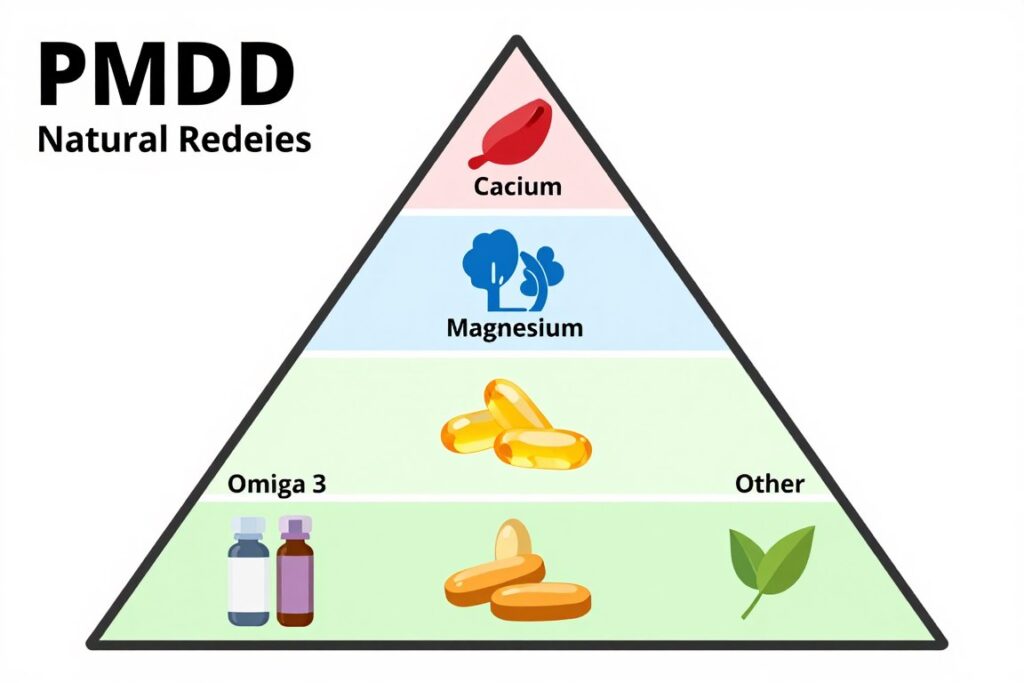
The most effective natural remedies for PMDD include calcium (1200-1600mg daily), magnesium (200-400mg daily), omega-3 fatty acids, vitamin B6, regular exercise, and stress reduction techniques. Research shows calcium can reduce symptoms by up to 48%, while magnesium helps with mood, irritability, and water retention. Combined with dietary changes and lifestyle modifications, these remedies offer significant relief for many women with premenstrual dysphoric disorder.
Medically Reviewed By
Dr. Helloyze Ferreira Ancelmo, MD
CRM-GO 31293 | Mental Health Physician, Brazil
Dr. Ancelmo is a dedicated physician specializing in mental health care that transcends traditional medicine. With a focus on deep clinical listening, responsible medical evaluation, and genuine acceptance of each individual’s story, Dr. Ancelmo brings a holistic approach to women’s mental health conditions, including premenstrual dysphoric disorder.
Key Takeaways
- Calcium and magnesium supplements show the strongest scientific evidence for reducing PMDD symptoms
- Omega-3 fatty acids help decrease depression and anxiety associated with premenstrual dysphoric disorder
- Vitamin B6 may reduce mood symptoms when taken at 50-100mg daily
- Regular aerobic exercise can significantly improve both physical and emotional PMDD symptoms
- Dietary modifications, including reducing caffeine and alcohol, support hormone balance
- Stress reduction techniques like yoga and meditation help manage mood fluctuations
- Natural remedies work best when combined with lifestyle changes and proper sleep hygiene
- Always consult your healthcare provider before starting any supplement regimen
Table of Contents
- What Is PMDD?
- Can Natural Remedies Help PMDD Symptoms?
- Scientific Evidence on Natural PMDD Management
- The Most Effective Natural Remedies for PMDD
- Magnesium for PMDD
- Calcium for PMDD
- Omega-3 for PMDD
- Vitamin D for PMDD
- Vitamin B6 for PMDD
- Zinc for PMDD
- Acupuncture for PMDD
- Diet and Nutrition Strategies
- Exercise and PMDD
- Sleep and PMDD
- Stress Reduction Techniques
- Which Natural Remedies Have the Strongest Evidence?
- Frequently Asked Questions
- Final Thoughts
What Is PMDD?
Premenstrual dysphoric disorder is a severe form of premenstrual syndrome that affects approximately 5-8% of women of reproductive age. Unlike regular PMS, PMDD causes intense emotional and physical symptoms that significantly interfere with daily life, work, and relationships.
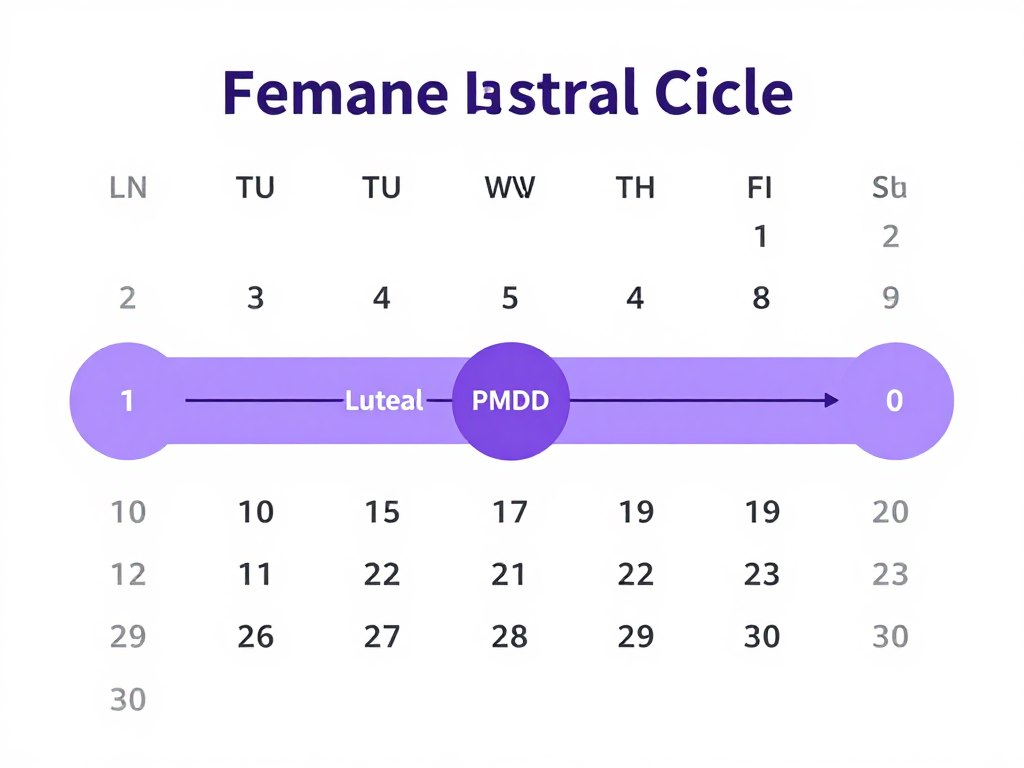
The disorder occurs during the luteal phase of your menstrual cycle. This happens in the two weeks before your period starts. Symptoms typically resolve within a few days after menstruation begins.
Common PMDD Symptoms
Emotional Symptoms
- Severe mood swings and irritability
- Depression and feelings of hopelessness
- Intense anxiety and tension
- Anger and increased conflicts
- Decreased interest in usual activities
- Difficulty concentrating
- Feeling overwhelmed or out of control
Physical Symptoms
- Breast tenderness and swelling
- Joint and muscle pain
- Bloating and weight gain
- Headaches and fatigue
- Food cravings
- Sleep disturbances
- Changes in appetite
The exact cause of premenstrual dysphoric disorder remains under research. Scientists believe it involves abnormal reactions to normal hormonal changes. Women with PMDD appear to have increased sensitivity to progesterone and estrogen fluctuations during their menstrual cycle.
Your brain chemistry also plays a role. Serotonin, a neurotransmitter that regulates mood, may function differently in women with this disorder. This explains why symptoms often include depression and anxiety.
Can Natural Remedies Help PMDD Symptoms?
Natural remedies offer genuine relief for many women with premenstrual dysphoric disorder. Research published in medical journals demonstrates that specific vitamins, minerals, and lifestyle changes can significantly reduce both physical and emotional symptoms.
The effectiveness of natural approaches varies from person to person. Some women experience substantial improvement, while others benefit from combining natural remedies with conventional treatments. The key lies in finding the right combination that works for your body.
Important: Natural remedies work best as part of a comprehensive approach. They’re most effective when combined with proper nutrition, regular exercise, adequate sleep, and stress management techniques.
Why Natural Approaches Matter
Many women prefer natural remedies because they typically have fewer side effects than prescription medications. Conventional PMDD treatments often include antidepressants or hormonal birth control, which may cause unwanted effects like weight gain, decreased libido, or emotional numbness.
Natural options also address underlying nutritional deficiencies that may worsen symptoms. Studies show that women with PMDD often have lower levels of certain vitamins and minerals compared to those without the disorder.
Realistic Expectations
Natural remedies typically require consistent use over several menstrual cycles before you notice full benefits. Most supplements need four to twelve weeks to build up in your system and create noticeable changes.
Unlike medications that might work immediately, natural approaches support your body’s own healing mechanisms. This gradual process often results in more sustainable, long-term relief without dependency.
Research indicates that between 40-60% of women experience significant symptom reduction using natural remedies. Your results depend on factors like symptom severity, overall health, stress levels, and consistency with treatment.
Scientific Evidence on Natural PMDD Management
The scientific community has conducted numerous studies examining natural treatments for premenstrual dysphoric disorder. Quality research from respected medical institutions provides valuable evidence about what works and what doesn’t.
Research Quality and Reliability
Evidence for natural PMDD remedies comes from several types of studies. Randomized controlled trials provide the strongest evidence. These studies compare treatment groups with placebo groups to measure actual effectiveness.
Meta-analyses combine results from multiple studies to identify consistent patterns. These comprehensive reviews help healthcare professionals make informed recommendations about natural treatments.
| Natural Remedy | Evidence Level | Number of Studies | Key Findings |
| Calcium | Strong | 15+ trials | 48% symptom reduction in major studies |
| Magnesium | Strong | 12+ trials | Effective for mood and water retention |
| Vitamin B6 | Moderate | 10+ trials | Reduces depression and irritability |
| Omega-3 Fatty Acids | Moderate | 8+ trials | Decreases anxiety and mood symptoms |
| Vitamin D | Emerging | 5+ trials | Shows promise for mood regulation |
| Zinc | Emerging | 4+ trials | May reduce physical and emotional symptoms |
| Exercise | Strong | 20+ trials | Significant improvement in all symptom categories |
Understanding Evidence Levels
Strong evidence means multiple high-quality studies consistently show benefits. Healthcare providers feel confident recommending these treatments based on research findings.
Moderate evidence indicates several studies show positive results, but more research would strengthen conclusions. These remedies show promise with reasonable safety profiles.
Emerging evidence suggests potential benefits, but limited studies exist. Researchers need additional trials to confirm effectiveness and optimal dosing.

Limitations in Natural Remedy Research
Research on natural remedies faces several challenges. Studies often have small sample sizes compared to pharmaceutical trials. Funding for supplement research is typically limited because natural substances can’t be patented.
Individual responses to natural treatments vary widely. Genetic differences, lifestyle factors, and symptom severity all influence outcomes. This variability makes it harder to predict who will benefit most from specific remedies.
Despite these limitations, the existing research provides valuable guidance. The remedies with the strongest evidence deserve serious consideration as part of your PMDD management strategy.
The Most Effective Natural Remedies for PMDD
Scientific research has identified several natural remedies that consistently show benefits for women with premenstrual dysphoric disorder. These treatments target different aspects of the condition, from mood symptoms to physical discomfort.
Each remedy works through distinct mechanisms in your body. Some address nutritional deficiencies, while others influence neurotransmitter function or reduce inflammation. Understanding how these treatments work helps you make informed decisions about which to try.
Explore Comprehensive Supplement Research
We’ve created detailed, evidence-based guides for each major supplement used in PMDD treatment. These resources provide dosage recommendations, safety information, and practical implementation strategies.
Combining Multiple Remedies
Many women achieve best results by combining several natural approaches. This multi-faceted strategy addresses different symptom types and underlying causes simultaneously.
Your healthcare provider can help design a personalized treatment plan. They’ll consider your specific symptoms, medical history, current medications, and individual risk factors when recommending combinations.
Magnesium for PMDD
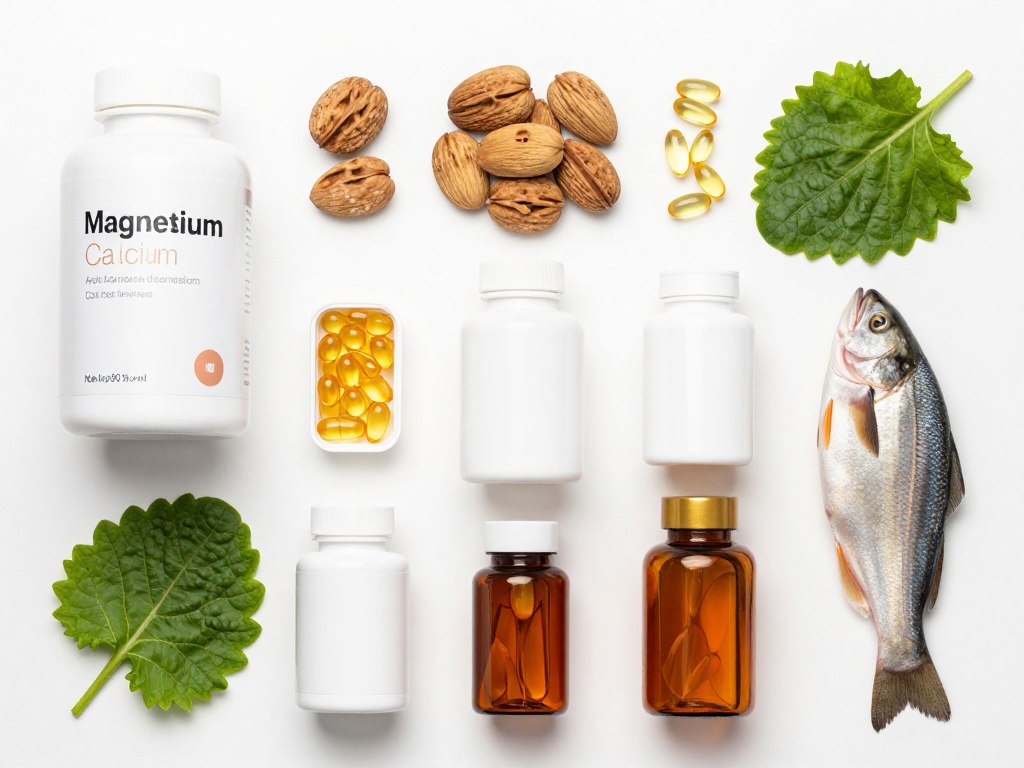
Magnesium stands out as one of the most researched and effective natural remedies for premenstrual dysphoric disorder. This essential mineral plays crucial roles in over 300 biochemical reactions in your body, including neurotransmitter function and hormone regulation.
How Magnesium Helps PMDD Symptoms
Research shows magnesium deficiency is common in women with PMDD. The mineral helps regulate serotonin, your brain’s mood-stabilizing neurotransmitter. Low magnesium levels can worsen depression, anxiety, and irritability.
Magnesium also reduces water retention and bloating. It acts as a natural diuretic, helping your body eliminate excess fluid that accumulates during the luteal phase. Many women notice decreased breast tenderness when taking magnesium supplements.
Benefits Supported by Research
- Reduces mood swings and irritability
- Decreases anxiety and nervous tension
- Lessens water retention and bloating
- Improves sleep quality
- Reduces headaches and migraines
- Decreases muscle tension and cramps
Recommended Dosage and Types
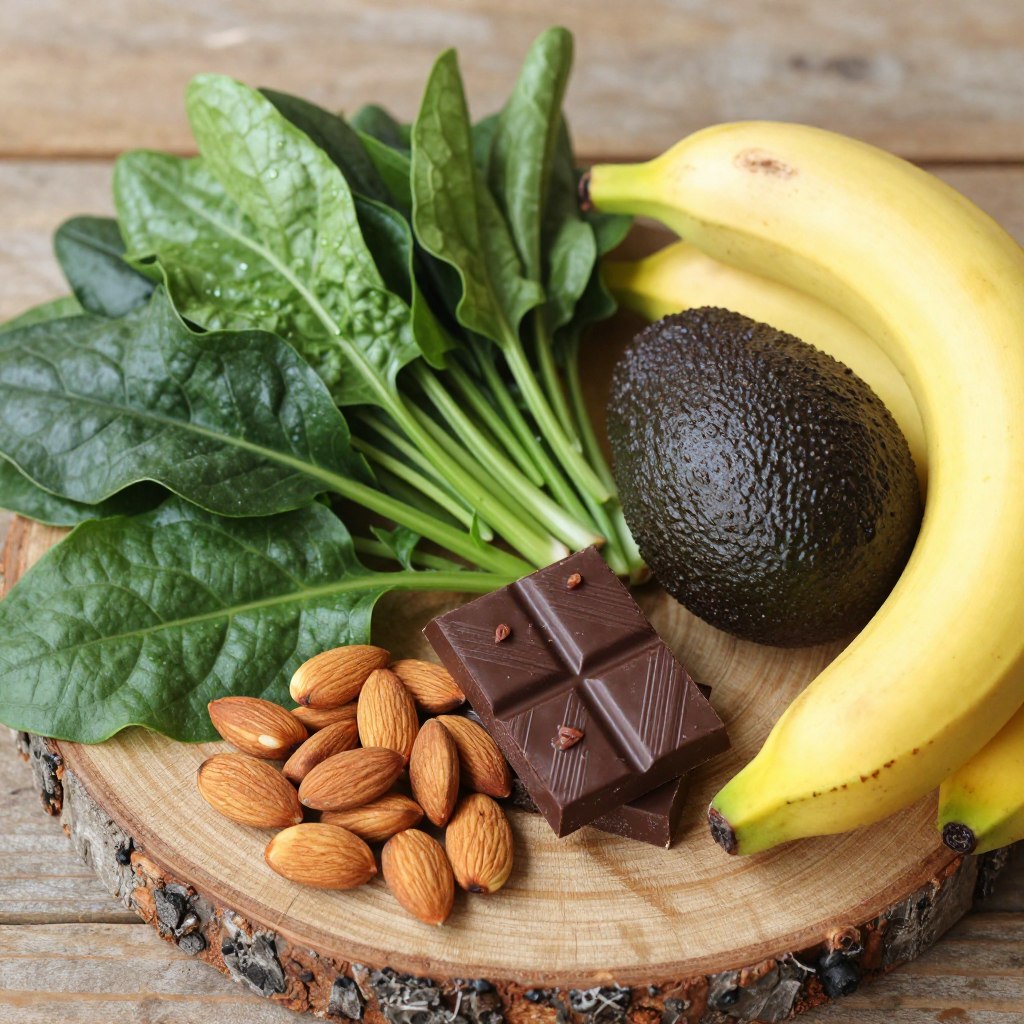
Studies typically use 200-400mg of magnesium daily for PMDD symptoms. Most women start with 200mg and increase gradually if needed. Taking magnesium with food reduces the risk of digestive side effects.
Different forms of magnesium have varying absorption rates. Magnesium glycinate is highly absorbable and gentle on the stomach. Magnesium oxide is less expensive but may cause loose stools at higher doses.
| Magnesium Type | Absorption Rate | Best For | Potential Side Effects |
| Magnesium Glycinate | High | Mood, sleep, anxiety | Minimal |
| Magnesium Citrate | Good | Constipation, overall symptoms | Loose stools at high doses |
| Magnesium Oxide | Lower | Budget-friendly option | Digestive upset |
| Magnesium Threonate | Very High | Brain health, cognitive symptoms | More expensive |
When to Take Magnesium
Some women take magnesium throughout their entire cycle for consistent benefits. Others prefer taking it only during the luteal phase, starting about two weeks before their expected period.
Taking magnesium before bed can improve sleep quality, which often suffers during the premenstrual phase. If you experience daytime fatigue, splitting your dose between morning and evening may work better.
Learn More About Magnesium for PMDD
Our comprehensive guide covers optimal dosing strategies, specific forms for different symptoms, potential interactions, and detailed research findings on magnesium’s effectiveness for premenstrual dysphoric disorder.
Calcium for PMDD
Calcium has the strongest research support of all natural remedies for premenstrual dysphoric disorder. A landmark study published in the American Journal of Obstetrics and Gynecology found that calcium supplementation reduced overall PMDD symptoms by 48%.
The Science Behind Calcium and PMDD
Calcium levels naturally fluctuate throughout your menstrual cycle. These variations affect neurotransmitter release and hormone activity. Women with PMDD often show lower calcium intake compared to those without the disorder.
The mineral influences serotonin metabolism in your brain. Adequate calcium helps maintain stable mood and reduces depression and anxiety. It also affects muscle function, which explains its benefits for physical symptoms like cramping and tension.

Symptom-Specific Benefits
Emotional Symptoms Improved
- Mood swings and emotional instability
- Depression and sadness
- Anxiety and nervous tension
- Irritability and anger
Physical Symptoms Improved
- Water retention and bloating
- Food cravings
- Muscle aches and pain
- Fatigue
Optimal Dosing Strategy
Research studies used 1200-1600mg of calcium daily, divided into two or three doses. Your body absorbs calcium best in amounts of 500mg or less at one time. Taking larger doses at once reduces absorption efficiency.
Calcium carbonate is the most concentrated form, providing the most elemental calcium per pill. It requires stomach acid for absorption, so take it with meals. Calcium citrate absorbs well with or without food and works for people with low stomach acid.
| Dosing Schedule | Amount per Dose | Timing | Benefits |
| Morning dose | 500mg | With breakfast | Supports daytime mood stability |
| Afternoon dose | 500mg | With lunch | Maintains consistent blood levels |
| Evening dose | 400-600mg | Before bed | Improves sleep, reduces nighttime symptoms |
Important Considerations
Calcium supplements can interfere with iron absorption. If you take iron supplements, separate them from calcium by at least two hours. The same applies to thyroid medications, which should be taken separately from calcium.
Some women worry about calcium causing kidney stones. Research shows that dietary and supplemental calcium actually reduces kidney stone risk in most people. Adequate hydration further protects against stone formation.
Discover What Research Shows About Calcium
Our in-depth analysis examines clinical trials, optimal supplementation protocols, absorption strategies, and practical tips for using calcium to manage premenstrual dysphoric disorder symptoms effectively.
Omega-3 for PMDD
Omega-3 fatty acids, particularly EPA and DHA, show promise for reducing mood-related PMDD symptoms. These essential fats play critical roles in brain function and help regulate inflammation throughout your body.
How Omega-3s Impact Mood and Hormones
Your brain contains high concentrations of omega-3 fatty acids. These fats support neurotransmitter function and maintain cell membrane fluidity. EPA specifically shows antidepressant effects in research studies.
Omega-3s reduce inflammation, which may worsen PMDD symptoms. They help balance prostaglandins, hormone-like substances that affect pain, mood, and inflammation. Lower inflammation often means reduced physical discomfort and improved emotional symptoms.
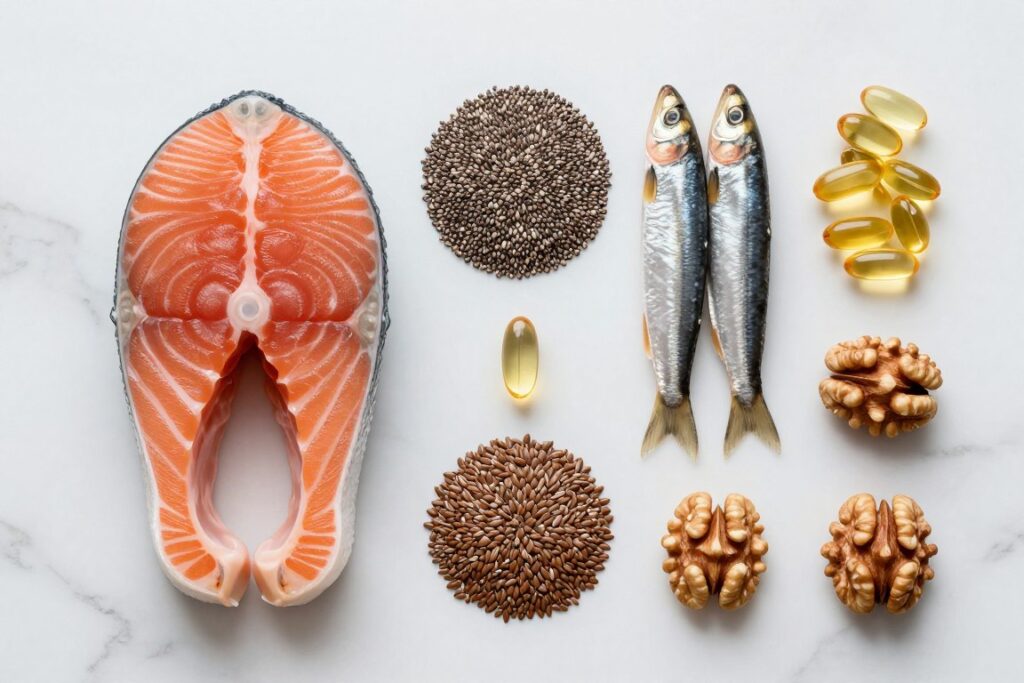
Research Findings on PMDD
Studies examining omega-3 supplementation for premenstrual dysphoric disorder show significant benefits for depression and anxiety symptoms. Women taking omega-3s report improvements in mood stability and decreased emotional reactivity.
One clinical trial found that 2 grams of EPA-rich fish oil daily reduced depression scores by 50% in women with PMDD. Physical symptoms like breast tenderness and bloating also improved in the supplementation group.
Recommended Omega-3 Dosages
- For mood symptoms: 1000-2000mg EPA daily
- Total omega-3s: 2000-3000mg daily
- EPA to DHA ratio: 2:1 or higher for depression
- Timing: With meals for best absorption
Food Sources vs. Supplements
- Fatty fish: salmon, sardines, mackerel
- Fish oil supplements: concentrated EPA/DHA
- Algae oil: vegetarian omega-3 source
- Flaxseeds and walnuts: provide ALA, which converts poorly to EPA
Choosing Quality Fish Oil
Look for fish oil supplements that list EPA and DHA amounts separately on the label. The total omega-3 content matters less than these specific compounds. Third-party testing ensures purity and absence of contaminants like mercury.
Molecularly distilled or purified fish oil removes heavy metals and PCBs. Quality supplements should smell slightly fishy but not rancid. Store fish oil in the refrigerator to maintain freshness and prevent oxidation.
Important: Omega-3 supplements can thin your blood slightly. Inform your doctor if you take blood-thinning medications or have surgery scheduled. Stop fish oil supplements one week before surgical procedures.
Comprehensive Omega-3 Guide for PMDD
Learn about specific omega-3 types, optimal EPA to DHA ratios for mood symptoms, quality considerations when choosing supplements, and detailed research on omega-3s for premenstrual dysphoric disorder management.
Vitamin D for PMDD
Vitamin D deficiency is widespread among women, and research suggests a connection between low vitamin D levels and more severe premenstrual dysphoric disorder symptoms. This vitamin functions more like a hormone in your body, influencing mood and immune function.
The Vitamin D-Mood Connection
Vitamin D receptors exist throughout your brain, including areas that regulate mood and emotion. The vitamin influences serotonin production and activity. Low vitamin D levels correlate with increased depression and seasonal mood changes.
Women with PMDD often show lower vitamin D levels than women without the disorder. Correcting deficiency may reduce symptom severity, though more research is needed to establish optimal dosing specifically for premenstrual dysphoric disorder.

Testing and Supplementation
Ask your doctor to check your vitamin D levels with a simple blood test. Optimal levels for mood support typically fall between 40-60 ng/mL. Many women need supplementation to reach this range, especially during winter months.
Vitamin D3 (cholecalciferol) is more effective than D2 at raising blood levels. Most women need 2000-4000 IU daily to maintain healthy levels. Higher doses may be necessary initially if you’re deficient, but work with your healthcare provider to determine appropriate amounts.
| Vitamin D Blood Level | Status | Recommended Action | Typical Daily Dose |
| Below 20 ng/mL | Deficient | Medical treatment needed | 5000-10000 IU initially |
| 20-30 ng/mL | Insufficient | Supplementation recommended | 3000-5000 IU |
| 30-40 ng/mL | Adequate | Maintenance dose | 2000-3000 IU |
| 40-60 ng/mL | Optimal | Continue current dose | 2000 IU maintenance |
Maximizing Vitamin D Absorption
Vitamin D is fat-soluble, meaning it absorbs best when taken with dietary fat. Take your supplement with a meal containing healthy fats like avocado, nuts, or olive oil for optimal absorption.
Magnesium helps convert vitamin D to its active form. If you supplement with both nutrients, they work synergistically. Some women find combination supplements convenient for maintaining adequate levels of both.
Evidence-Based Vitamin D Guide
Explore detailed information about vitamin D testing, optimal levels for mood support, supplementation protocols, and research findings specific to premenstrual dysphoric disorder management.
Vitamin B6 for PMDD
Vitamin B6 (pyridoxine) has been studied for premenstrual syndrome and PMDD since the 1970s. This B vitamin serves as a cofactor for enzymes that produce serotonin and other neurotransmitters that regulate mood.
How B6 Affects Mood and Hormones
Your body needs vitamin B6 to convert amino acids into serotonin and GABA, calming neurotransmitters that influence anxiety and depression. B6 also helps metabolize estrogen, potentially reducing symptoms related to hormone imbalance.
Research shows that B6 supplementation may reduce depression, irritability, and fatigue in women with premenstrual symptoms. The effects appear most pronounced for mood-related symptoms rather than physical complaints.
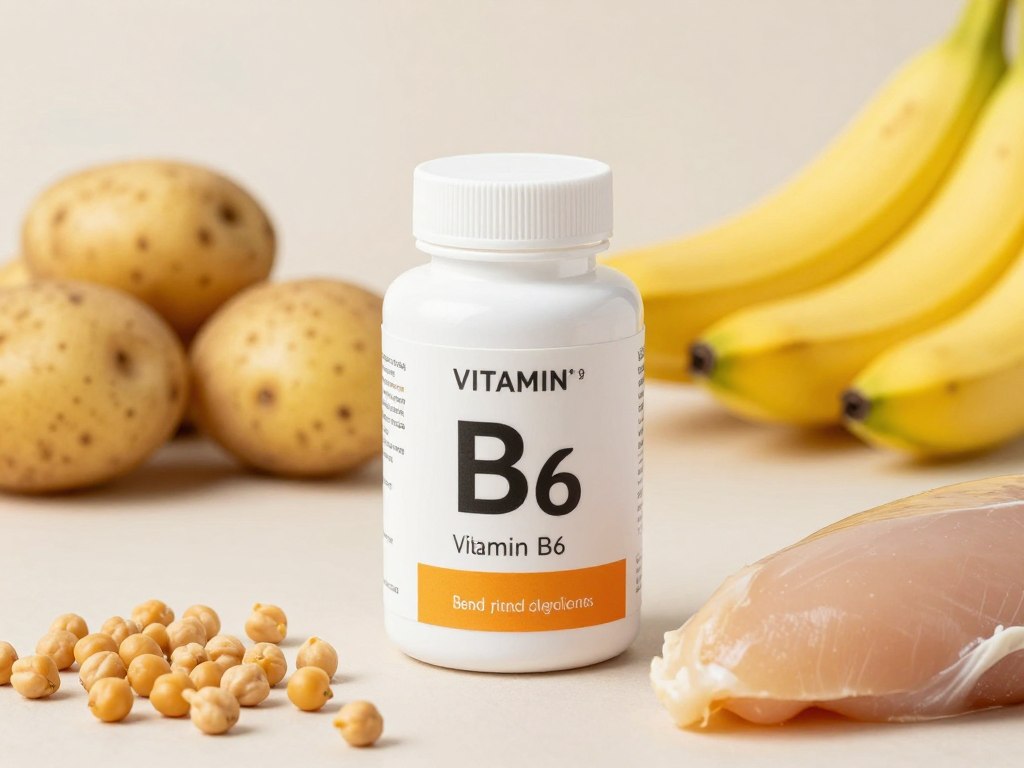
Research Evidence and Dosing
A systematic review examining multiple studies found that vitamin B6 at doses of 50-100mg daily may help reduce premenstrual symptoms. Higher doses don’t necessarily work better and may increase side effect risk.
Most studies used B6 throughout the entire menstrual cycle rather than just during the luteal phase. Consistent daily supplementation appears more effective than intermittent dosing.
Potential Benefits
- Reduced depression and sadness
- Decreased irritability
- Improved mood stability
- Less fatigue
- Better stress response
Safety Considerations
- Keep doses below 100mg daily
- High doses may cause nerve damage
- Start with 50mg daily
- Take with food to reduce nausea
- Monitor for tingling or numbness
Important Safety Information
Very high doses of vitamin B6 (above 200mg daily) taken long-term can cause peripheral neuropathy, a condition involving nerve damage with symptoms like tingling and numbness in extremities. Staying within the 50-100mg range minimizes this risk.
If you take medications, check for potential interactions. B6 can reduce the effectiveness of certain drugs, including some anti-seizure medications and the Parkinson’s disease medication levodopa.
Complete Vitamin B6 Resource
Our comprehensive guide covers optimal dosing, safety considerations, research findings, potential interactions, and practical strategies for using vitamin B6 as part of your PMDD management approach.
Zinc for PMDD
Zinc is an essential mineral involved in hormone production, neurotransmitter function, and immune response. Emerging research suggests zinc supplementation may benefit women with premenstrual dysphoric disorder, though studies remain limited compared to other remedies.
Zinc's Role in Hormone Balance
Your body needs zinc for proper progesterone production and estrogen metabolism. Zinc deficiency can disrupt the delicate hormone balance necessary for regular menstrual cycles. The mineral also acts as a cofactor for enzymes that regulate mood and stress response.
Zinc influences neurotransmitter activity, particularly GABA and serotonin. It has anti-inflammatory properties that may reduce physical symptoms like cramping and breast tenderness. Some research indicates zinc levels naturally decrease during the luteal phase.
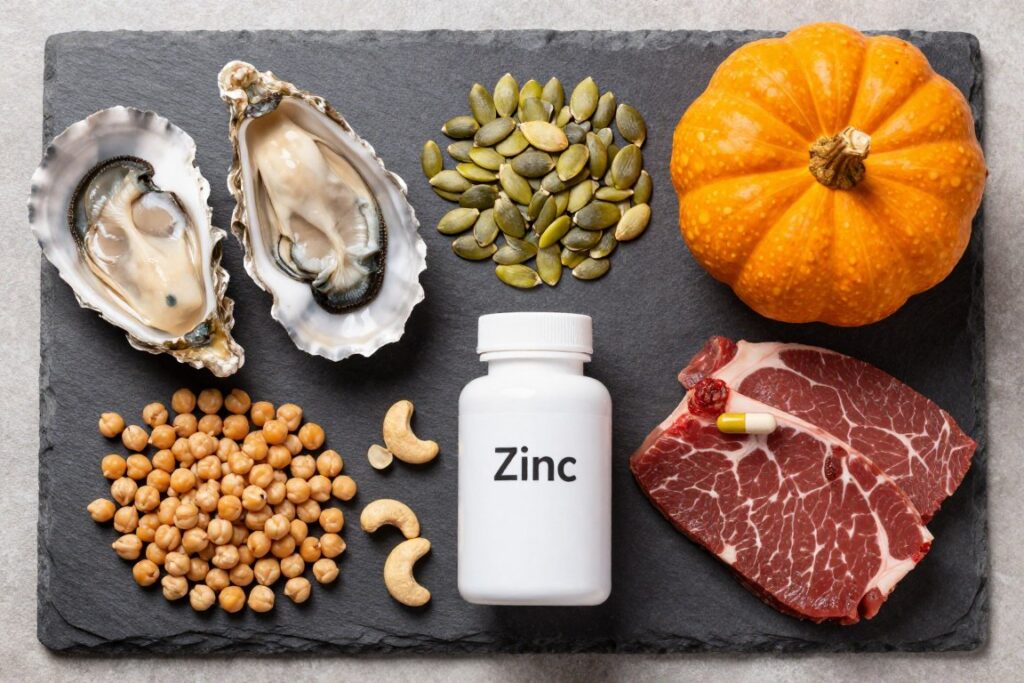
Current Research Findings
Studies examining zinc for premenstrual symptoms show mixed but promising results. One trial found that 30mg of zinc daily reduced physical and psychological symptoms in women with PMS. Research specifically targeting PMDD is limited but suggests potential benefits.
Zinc appears to work synergistically with vitamin B6 and magnesium. These nutrients share metabolic pathways and may enhance each other’s effectiveness for mood regulation and hormone balance.
| Zinc Form | Absorption Rate | Typical Dose | Notes |
| Zinc Picolinate | Excellent | 15-30mg daily | Highly bioavailable form |
| Zinc Glycinate | Very Good | 15-30mg daily | Gentle on stomach |
| Zinc Citrate | Good | 15-30mg daily | Well-tolerated |
| Zinc Oxide | Poor | Not recommended | Low bioavailability |
Supplementation Guidelines
Most research uses 15-30mg of elemental zinc daily for premenstrual symptoms. Taking more than 40mg daily long-term can interfere with copper absorption and potentially cause deficiency. Take zinc with food to minimize nausea.
Zinc competes with copper for absorption, so long-term supplementation should include copper or a balanced multivitamin. The typical recommendation is 1-2mg of copper for every 15mg of zinc.
Important: Excessive zinc intake can cause copper deficiency, leading to anemia and immune problems. Don’t exceed 40mg daily without medical supervision. If you supplement with zinc long-term, monitor your copper status.
In-Depth Zinc Guide for PMDD
Discover detailed information about zinc supplementation, optimal forms and dosages, potential benefits for premenstrual dysphoric disorder, safety considerations, and current research findings.
Acupuncture for PMDD
Acupuncture represents a traditional Chinese medicine approach that’s gaining scientific validation for premenstrual dysphoric disorder. This treatment involves inserting thin needles at specific points on your body to influence energy flow and nervous system function.
How Acupuncture Affects PMDD Symptoms
Modern research suggests acupuncture works through several mechanisms. It stimulates nerves that release endorphins, your body’s natural pain relievers and mood enhancers. Acupuncture also influences the hypothalamic-pituitary-adrenal axis, which regulates stress hormones.
Studies show acupuncture can reduce inflammation and modulate neurotransmitter levels. These effects may explain improvements in both physical symptoms like pain and bloating, as well as emotional symptoms including anxiety and depression.

Research Evidence for PMDD
Clinical trials examining acupuncture for premenstrual symptoms show encouraging results. One study found that women receiving acupuncture experienced significant reductions in physical and emotional PMDD symptoms compared to a control group.
The effects appear to accumulate over time. Most studies used weekly treatments for at least three menstrual cycles before assessing results. Some women notice improvements after just a few sessions, while others need consistent treatment over several months.
Symptoms That May Improve
- Mood swings and irritability
- Anxiety and tension
- Depression
- Pain and cramping
- Breast tenderness
- Bloating and water retention
- Headaches
- Sleep disturbances
What to Expect
- Initial consultation: 60-90 minutes
- Treatment sessions: 30-60 minutes
- Frequency: Weekly or bi-weekly
- Duration: 3-6 months for best results
- Minimal discomfort during needle insertion
- Cumulative benefits over time
Finding a Qualified Practitioner
Look for a licensed acupuncturist with experience treating women’s health conditions. In the United States, most states require licensure through the National Certification Commission for Acupuncture and Oriental Medicine (NCCAOM).
Ask potential practitioners about their experience with premenstrual dysphoric disorder specifically. Some acupuncturists specialize in women’s health and hormonal conditions. They should conduct a thorough initial assessment and create an individualized treatment plan.
Insurance Coverage: Some health insurance plans cover acupuncture, especially when used for pain management. Check your benefits and ask about coverage for premenstrual symptoms. HSA and FSA accounts typically cover acupuncture treatments.
Comprehensive Acupuncture Guide
Learn about specific acupuncture points used for PMDD, what to expect during treatment, how to find qualified practitioners, research evidence, and practical considerations for using acupuncture as part of your symptom management strategy.
Diet and Nutrition Strategies
Your diet significantly impacts PMDD symptoms through multiple pathways. Food choices affect blood sugar stability, inflammation levels, hormone metabolism, and neurotransmitter production. Strategic dietary changes can reduce both physical and emotional symptoms.
Foods That Help PMDD Symptoms
Complex carbohydrates help maintain stable blood sugar and support serotonin production. Choose whole grains, legumes, and starchy vegetables over refined carbs. These foods prevent the mood crashes and cravings that occur with blood sugar fluctuations.
Leafy greens provide magnesium, calcium, and B vitamins that support mood regulation. Cruciferous vegetables like broccoli and cauliflower contain compounds that help your liver metabolize estrogen efficiently. This may reduce symptoms related to hormone imbalance.
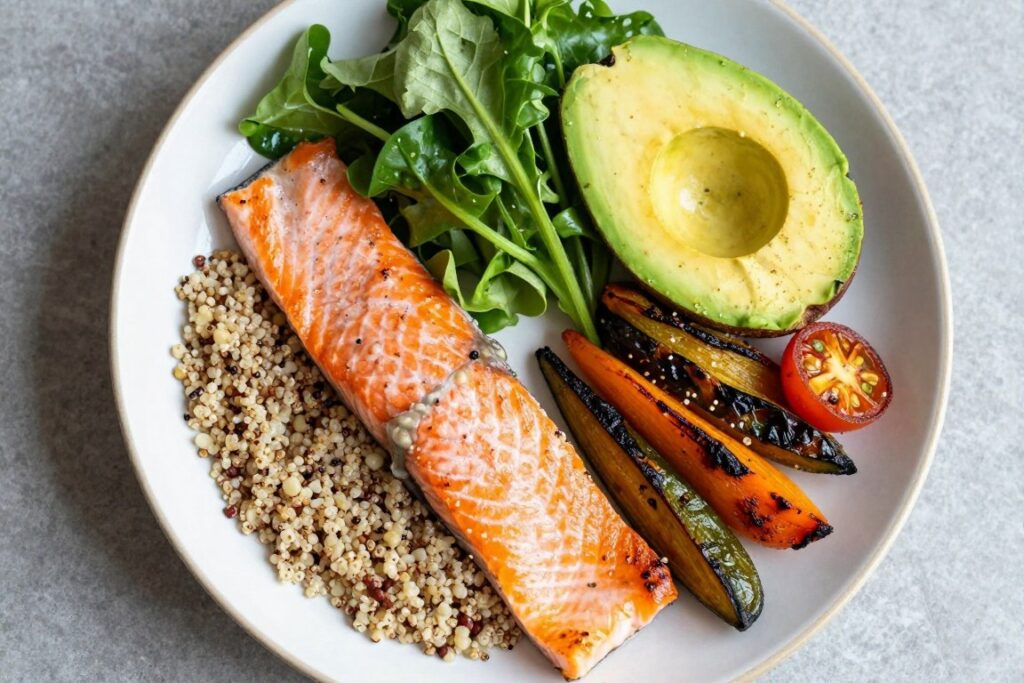
Foods to Limit or Avoid
Caffeine can worsen anxiety, irritability, and breast tenderness. Many women find reducing or eliminating coffee, tea, and energy drinks during the luteal phase helps manage symptoms. If you consume caffeine, keep intake consistent rather than having it sporadically.
Alcohol affects hormone metabolism and can disrupt sleep quality. It may temporarily improve mood but often leads to rebound anxiety and depression. Limiting alcohol, especially during the two weeks before your period, often reduces symptom severity.
Anti-Inflammatory Foods
- Fatty fish (salmon, sardines, mackerel)
- Berries and dark leafy greens
- Nuts and seeds
- Olive oil and avocados
- Turmeric and ginger
- Green tea
Foods to Minimize
- Refined sugars and sweets
- Processed foods with additives
- Excessive caffeine
- Alcohol
- High-sodium foods
- Trans fats and fried foods
Blood Sugar Management
Eating balanced meals every 3-4 hours prevents blood sugar crashes that trigger mood swings and cravings. Each meal should include protein, healthy fats, and complex carbohydrates. This combination provides sustained energy and stable blood sugar levels.
Protein-rich snacks between meals help maintain steady blood sugar. Good options include Greek yogurt with nuts, hummus with vegetables, or a small handful of almonds with an apple. These snacks prevent the irritability and fatigue that come with low blood sugar.
Meal Timing Strategies
Some women find eating smaller, more frequent meals reduces bloating and maintains energy levels during the luteal phase. This approach prevents the overeating that often occurs when you wait too long between meals.
Avoid skipping meals, especially breakfast. Going too long without food causes blood sugar drops that worsen mood symptoms. Starting your day with protein and healthy fats sets a stable foundation for the day.
Create Your PMDD-Friendly Diet Plan
We’ve developed comprehensive nutrition guides specifically designed for women with premenstrual dysphoric disorder. These resources include meal plans, recipes, shopping lists, and evidence-based dietary strategies.
Exercise and PMDD
Regular physical activity ranks among the most effective natural interventions for premenstrual dysphoric disorder. Exercise influences multiple systems involved in PMDD, including neurotransmitter production, hormone regulation, and stress response.
How Exercise Improves PMDD Symptoms
Physical activity increases endorphin production, creating natural mood elevation. Exercise also boosts serotonin and dopamine, neurotransmitters that regulate mood and motivation. These neurochemical changes directly counteract the depression and anxiety common in PMDD.
Regular exercise improves insulin sensitivity and helps maintain stable blood sugar levels. This reduces mood swings and cravings associated with blood sugar fluctuations. Physical activity also reduces inflammation throughout your body, which may lessen physical symptoms.

Types of Exercise for PMDD
Aerobic exercise shows the strongest research support for reducing premenstrual symptoms. Activities like brisk walking, jogging, cycling, or swimming for 30 minutes most days of the week provide significant benefits. The key is consistency rather than intensity.
Moderate-intensity exercise works as well as vigorous activity for mood improvement. You don’t need to exhaust yourself. Find activities you enjoy and can maintain long-term for best results.
| Exercise Type | Benefits for PMDD | Recommended Frequency | Best For |
| Aerobic Exercise | Mood improvement, reduced anxiety | 30 min, 5x per week | Overall symptom reduction |
| Yoga | Stress reduction, body awareness | 3-4x per week | Anxiety and tension |
| Strength Training | Mood stability, body confidence | 2-3x per week | Depression and fatigue |
| Walking | Accessible, mood-lifting | Daily, 20-30 min | Consistency and sustainability |
Exercise Timing and Cycle Phase
Exercising throughout your entire cycle provides better results than just during the luteal phase. Regular activity helps maintain stable mood and reduces symptom severity when they do occur.
Many women find they have more energy during the follicular phase (after your period ends). Use this time for more intense workouts. During the luteal phase, gentler activities like walking or yoga may feel more manageable.
Starting an Exercise Routine
Begin gradually if you’re not currently active. Start with just 10-15 minutes of walking daily and slowly increase duration and intensity. Consistency matters more than perfection. Even three days per week provides benefits.
Choose activities you genuinely enjoy rather than forcing yourself into exercise you hate. Dancing, swimming, hiking, or group fitness classes all count. The best exercise is the one you’ll actually do regularly.
Exercise and Energy: If severe fatigue makes exercise feel impossible during the luteal phase, try breaking activity into shorter sessions. Three 10-minute walks provide similar benefits to one 30-minute session.
Sleep and PMDD
Sleep disturbances affect up to 70% of women with premenstrual dysphoric disorder. Poor sleep worsens every aspect of PMDD, from mood symptoms to physical discomfort. Improving sleep quality often leads to significant overall symptom improvement.
How Sleep Affects PMDD Symptoms
Sleep deprivation reduces serotonin production and impairs your brain’s ability to regulate emotions. Even one night of poor sleep can increase irritability, anxiety, and depression the next day. Chronic sleep problems make it nearly impossible to manage PMDD effectively.
Your body performs essential hormone regulation during sleep. Inadequate rest disrupts this process, potentially worsening the hormonal imbalances that contribute to PMDD. Quality sleep supports immune function and reduces inflammation throughout your body.

Common Sleep Problems in PMDD
Insomnia during the luteal phase often involves difficulty falling asleep due to racing thoughts and anxiety. Some women fall asleep easily but wake frequently throughout the night. Others experience early morning awakening and can’t return to sleep.
Progesterone increases during the luteal phase and has sedating effects. Despite this, many women with PMDD experience worse sleep during this time. The combination of hormonal changes and increased anxiety disrupts normal sleep architecture.
Sleep Hygiene Basics
- Maintain consistent sleep and wake times
- Keep bedroom cool, dark, and quiet
- Avoid screens 1-2 hours before bed
- Limit caffeine after 2 PM
- Create a relaxing bedtime routine
- Use bedroom only for sleep and intimacy
Natural Sleep Aids
- Magnesium glycinate before bed
- Chamomile or passionflower tea
- Lavender essential oil
- Melatonin 0.5-3mg (if needed)
- L-theanine for racing thoughts
- Warm bath with Epsom salts
Optimizing Your Sleep Environment
Your bedroom should be cool, between 65-68°F for optimal sleep. Warm temperatures disrupt sleep architecture and reduce deep sleep stages. Use breathable bedding materials that help regulate temperature.
Complete darkness signals your brain to produce melatonin, the sleep hormone. Use blackout curtains or an eye mask. Even small amounts of light from electronics can interfere with melatonin production.
Managing Nighttime Anxiety
If racing thoughts keep you awake, try a “worry dump” before bed. Spend 10 minutes writing down everything on your mind. This helps clear your thoughts and reduces middle-of-the-night rumination.
Progressive muscle relaxation or guided meditation apps help calm an activated nervous system. These techniques teach your body to shift into relaxation mode, making it easier to fall asleep and stay asleep.
When to Seek Help: If sleep problems persist despite implementing good sleep hygiene, consult your healthcare provider. Chronic insomnia may require additional treatment, and untreated sleep disorders worsen PMDD symptoms significantly.
Stress Reduction Techniques
Stress amplifies PMDD symptoms, creating a vicious cycle where symptoms cause stress, which then worsens symptoms. Effective stress management techniques break this cycle and provide tools for managing emotional symptoms when they occur.
The Stress-PMDD Connection
Chronic stress elevates cortisol, your primary stress hormone. High cortisol disrupts the delicate balance of reproductive hormones and neurotransmitters. This hormonal chaos intensifies PMDD symptoms, particularly mood-related issues like anxiety and irritability.
Stress also depletes nutrients like magnesium and B vitamins that support mood regulation. It increases inflammation and impairs sleep quality. Managing stress addresses multiple factors that contribute to PMDD symptom severity.

Evidence-Based Stress Reduction Methods
Mindfulness meditation shows strong research support for reducing anxiety and depression. Regular practice helps you observe thoughts and emotions without being overwhelmed by them. Even 10 minutes daily provides measurable benefits.
Deep breathing exercises activate your parasympathetic nervous system, triggering your body’s relaxation response. Try the 4-7-8 technique: breathe in for 4 counts, hold for 7, exhale for 8. Repeat four times whenever you feel stressed or anxious.
Daily Stress Management
- Morning meditation or breathing exercises
- Regular breaks during work
- Time in nature
- Limiting news and social media
- Setting healthy boundaries
- Saying no to non-essential commitments
Crisis Management Tools
- 5-4-3-2-1 grounding technique
- Cold water on face or wrists
- Progressive muscle relaxation
- Calling a supportive friend
- Going for a walk
- Using calming essential oils
Yoga for PMDD
Yoga combines physical movement, breathing techniques, and mindfulness. Research shows regular yoga practice reduces both physical and emotional premenstrual symptoms. The combination of stress reduction and gentle exercise makes yoga particularly effective.
Restorative yoga poses help activate your relaxation response. Child’s pose, legs up the wall, and supported bridge pose calm your nervous system. These gentle postures work especially well during the luteal phase when energy is low.
Building Resilience
Stress management works best when practiced consistently rather than only during crisis moments. Daily practices build resilience, making you better equipped to handle symptoms when they arise.
Start small with just one technique and practice it daily. Once it becomes habit, add another. Common starting points include five minutes of morning meditation, an evening walk, or journaling before bed.
Professional Support: Consider working with a therapist trained in cognitive behavioral therapy (CBT) or mindfulness-based stress reduction. These evidence-based approaches provide structured tools for managing stress and PMDD symptoms.
Which Natural Remedies Have the Strongest Evidence?
Not all natural remedies have equal research support. Understanding the strength of evidence for each treatment helps you prioritize which approaches to try first and where to focus your time and resources.
Top Tier Evidence
Calcium supplementation has the most robust research support for PMDD. Multiple high-quality studies consistently show significant symptom reduction across emotional and physical domains. The landmark study showing 48% overall symptom improvement has been replicated in subsequent research.
Aerobic exercise also ranks in the top tier with strong evidence from numerous studies. Regular physical activity improves mood, reduces anxiety, and lessens physical symptoms. The consistency of positive findings across different study designs strengthens this recommendation.
| Natural Remedy | Evidence Strength | Symptom Improvement | Cost | Safety Profile |
| Calcium | Very Strong | 40-50% reduction | Low | Excellent |
| Exercise | Very Strong | 30-50% reduction | Free | Excellent |
| Magnesium | Strong | 30-40% reduction | Low | Excellent |
| Omega-3 Fatty Acids | Moderate-Strong | 25-40% reduction | Moderate | Very Good |
| Vitamin B6 | Moderate | 20-30% reduction | Low | Good (at proper doses) |
| Vitamin D | Emerging | Variable | Low | Excellent |
| Zinc | Emerging | Variable | Low | Good (at proper doses) |
Recommended Starting Protocol
Based on research evidence, consider starting with these proven interventions:
- Begin calcium supplementation at 1200-1600mg daily, divided into doses
- Start or increase aerobic exercise to 30 minutes, 5 days per week
- Add magnesium 200-400mg daily, preferably in the evening
- If mood symptoms predominate, consider adding omega-3s with high EPA content
- Implement dietary changes, particularly reducing caffeine and alcohol
- Establish consistent sleep hygiene practices
- Add other supplements based on specific symptoms and deficiencies
Timing Your Expectations
Most natural remedies require 2-3 menstrual cycles to reach full effectiveness. Track your symptoms using a daily diary to identify improvements. Some changes, like better sleep or reduced anxiety from exercise, may occur sooner.
If you don’t notice improvement after three cycles with the top-tier remedies, consult your healthcare provider. Some women need prescription medications in addition to natural approaches for adequate symptom control.
Frequently Asked Questions
How long does it take for natural remedies to work for PMDD?
Most natural remedies for premenstrual dysphoric disorder require 2-3 complete menstrual cycles before you notice significant improvement. Supplements need time to build up in your system and address underlying deficiencies. Some interventions like exercise may provide modest benefits sooner, but full effects typically take 8-12 weeks of consistent use.
Keep a symptom diary to track changes month-to-month. Improvements can be gradual, making them easier to notice when comparing your current symptoms to those from several months ago.
Can I take multiple supplements together for PMDD?
Yes, most women combine several supplements for comprehensive symptom management. Common effective combinations include calcium, magnesium, omega-3 fatty acids, and vitamin B6 taken together. These nutrients work through different mechanisms and don’t typically interfere with each other.
However, always consult your healthcare provider before starting multiple supplements, especially if you take prescription medications. Some combinations may interact with drugs or require dose adjustments. Start supplements one at a time to identify which ones provide the most benefit.
Should I take supplements every day or just during the luteal phase?
Research generally supports taking supplements daily throughout your entire cycle rather than just during the luteal phase. Consistent supplementation helps address underlying nutritional deficiencies and maintains stable blood levels of key nutrients.
Some women prefer taking higher doses during the luteal phase, but most studies showing benefits used continuous supplementation. Daily use typically provides better results than intermittent dosing.
Are natural remedies as effective as antidepressants for PMDD?
For some women with mild to moderate PMDD symptoms, natural remedies provide substantial relief comparable to medication. However, severe PMDD often requires prescription treatment. Research shows SSRIs reduce symptoms by 60-70%, while top natural remedies like calcium show 40-50% reduction.
Many women successfully combine natural approaches with lower doses of medication. This integrated strategy often provides better symptom control with fewer side effects than medication alone. Work with your healthcare provider to determine the best approach for your symptom severity. For more detailed information, explore our comprehensive supplement guide.
What diet changes help PMDD symptoms the most?
The most impactful dietary changes include stabilizing blood sugar through regular meals with protein and complex carbohydrates, reducing caffeine (especially during the luteal phase), limiting alcohol intake, and increasing anti-inflammatory foods like fatty fish, leafy greens, and berries.
Many women benefit from reducing processed foods, refined sugars, and sodium. Focus on whole foods rich in nutrients that support mood and hormone balance. Learn specific meal planning strategies in our PMDD diet plan guide.
Can magnesium help with PMDD anxiety and mood swings?
Yes, magnesium effectively reduces anxiety, irritability, and mood swings in many women with premenstrual dysphoric disorder. The mineral helps regulate neurotransmitters involved in mood control and supports your body’s stress response system.
Studies show magnesium supplementation at 200-400mg daily can significantly improve emotional symptoms. For best results with anxiety, choose magnesium glycinate, which is highly absorbable and has calming properties. Our complete magnesium guide covers optimal dosing and forms.
Is acupuncture worth trying for PMDD?
Acupuncture shows promising results for PMDD in research studies, with many women experiencing significant symptom reduction. It works through multiple mechanisms including influencing neurotransmitters, reducing inflammation, and regulating stress hormones.
Acupuncture typically requires weekly sessions for at least three months to evaluate effectiveness. Find a licensed acupuncturist experienced with women’s health conditions. While more expensive than supplements, many women find the comprehensive benefits worthwhile. Read more about acupuncture’s effectiveness for PMDD symptoms.
How much exercise do I need to reduce PMDD symptoms?
Research shows that 30 minutes of moderate aerobic exercise, 5 days per week provides significant PMDD symptom relief. This level of activity improves mood, reduces anxiety, and lessens physical symptoms. You don’t need intense workouts; brisk walking, cycling, or swimming at moderate intensity works well.
Consistency matters more than intensity. Even three days per week provides benefits, and you can break sessions into shorter periods if needed. Start gradually if you’re not currently active and build up over time.
Which supplements should I avoid with PMDD?
Be cautious with supplements that may worsen anxiety or mood swings. High doses of vitamin B6 (above 100mg daily) can cause nerve damage. Some herbal supplements like St. John’s Wort interact with medications and aren’t recommended without medical supervision.
Avoid products marketed as “hormone balancers” without clear ingredient lists and dosages. Stick with well-researched individual nutrients rather than proprietary blends with undisclosed amounts of ingredients.
Do anti-inflammatory diets help PMDD?
Yes, anti-inflammatory eating patterns can significantly reduce PMDD symptoms. Chronic inflammation worsens mood symptoms and physical discomfort. An anti-inflammatory diet emphasizes whole foods, fatty fish, colorful vegetables, nuts, seeds, and healthy fats while limiting processed foods, refined sugars, and trans fats.
Many women notice reduced pain, bloating, and mood symptoms when following anti-inflammatory principles. This approach also supports overall health and may address underlying factors contributing to PMDD. Explore detailed strategies in our anti-inflammatory diet guide.
Final Thoughts
Natural remedies for PMDD offer real hope for symptom management without the side effects often associated with prescription medications. The research clearly shows that interventions like calcium supplementation, magnesium, omega-3 fatty acids, regular exercise, and dietary modifications can provide significant relief for many women.
The key to success lies in consistency and patience. Natural approaches work by supporting your body’s own regulatory systems rather than forcing immediate changes. Give remedies adequate time to work, track your symptoms carefully, and adjust your approach based on results.

Remember that PMDD is a complex condition influenced by multiple factors including genetics, stress, lifestyle, and underlying health conditions. What works beautifully for one woman may not be as effective for another. The evidence-based remedies discussed in this guide provide a solid starting point, but individualization is crucial.
Many women find that combining several natural approaches creates synergistic effects, where the whole becomes greater than the sum of its parts. A comprehensive strategy addressing nutrition, supplementation, exercise, sleep, and stress management often provides the best outcomes.
Don’t hesitate to work with healthcare professionals who understand both conventional and natural approaches to PMDD. An integrative treatment plan may include prescription medications alongside natural remedies when symptoms are severe. There’s no shame in needing additional support.
Your quality of life matters. PMDD symptoms can be debilitating, affecting your relationships, work, and mental health. Taking active steps to manage your symptoms demonstrates strength and self-care. The journey to finding what works for you is worthwhile.
Continue learning about your body and how it responds to different interventions. Stay informed about new research, but also trust your own experience. You are the expert on your own body and symptoms.
With persistence, support, and the right combination of natural remedies, most women can significantly reduce PMDD symptom severity and reclaim control of their lives. Your path to relief starts with taking that first step, whether it’s adding a supplement, committing to regular exercise, or making dietary changes.
You’re not alone in this journey. Millions of women worldwide are navigating PMDD, and increasingly, effective natural solutions are available. Take what you’ve learned here, start implementing changes that resonate with you, and remember that improvement is possible.