
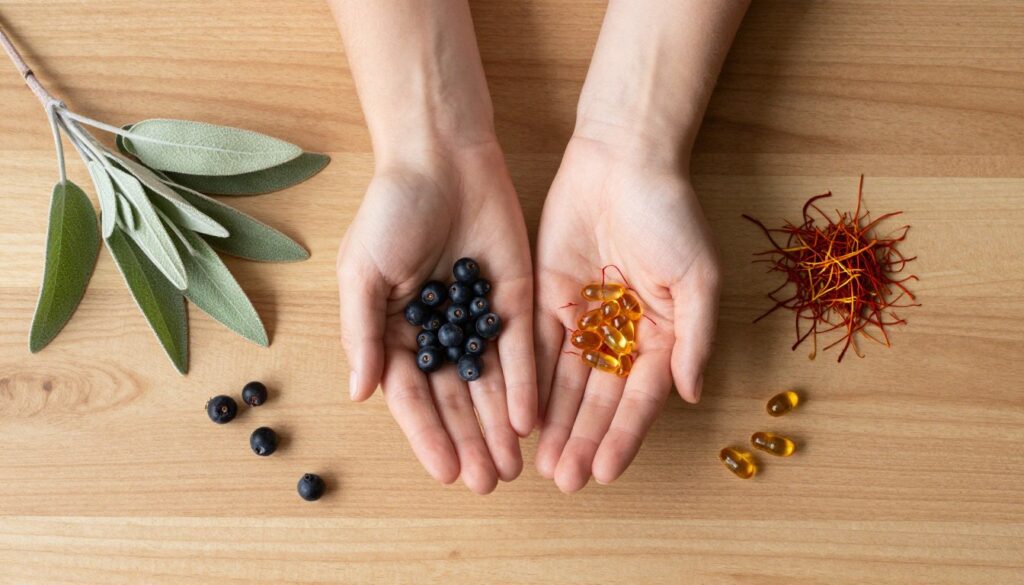
Living with premenstrual dysphoric disorder means facing intense mood swings, anxiety, and physical symptoms that disrupt your life every month. While conventional treatments help many women, you might be wondering whether natural alternatives could provide relief without the side effects of prescription medications.
This comprehensive guide examines the scientific evidence behind herbal remedies for PMDD. You’ll discover which herbs have research backing, how they work, and practical guidance for safe use.
Quick Answer
Chasteberry (Vitex agnus-castus) has the strongest scientific evidence for reducing PMDD symptoms, with multiple clinical trials showing significant improvements in mood, irritability, and breast tenderness. Other promising options include saffron for mood symptoms and evening primrose oil for physical discomfort. However, herbal remedies work differently for each woman, and consulting a healthcare provider before starting any supplement is essential for safety.
Key Takeaways
- Chasteberry (Vitex) demonstrates the most robust clinical evidence for PMDD symptom relief, particularly for mood and breast tenderness
- Saffron shows promise for reducing depression and anxiety associated with premenstrual dysphoric disorder
- Evening primrose oil may help manage physical symptoms like breast pain and bloating
- Herbal remedies typically require 2-3 menstrual cycles before showing full therapeutic effects
- Drug interactions are possible, especially with hormonal contraceptives and antidepressants
- Quality and standardization vary significantly between herbal supplement brands
- Combining multiple approaches (herbs, lifestyle changes, and medical treatment) often yields best results
Table of Contents
- What Is PMDD?
- Can Herbal Remedies Help PMDD Symptoms?
- Scientific Evidence on Herbal Remedies for PMDD
- Chasteberry (Vitex) for PMDD
- Saffron for PMDD
- Evening Primrose Oil for PMDD
- St. John’s Wort and PMDD
- Ashwagandha and PMDD
- Rhodiola and PMDD
- Herbal Remedies vs Supplements
- Herbal Remedies vs SSRIs
- Safety Considerations and Drug Interactions
- Which Herbal Remedies Have the Strongest Evidence?
- Frequently Asked Questions
- Final Thoughts
What Is PMDD?
Premenstrual dysphoric disorder represents a severe form of premenstrual syndrome that affects approximately 3-8% of women of reproductive age. Unlike regular PMS, this condition causes debilitating emotional and physical symptoms that significantly impact your daily life, relationships, and work performance.
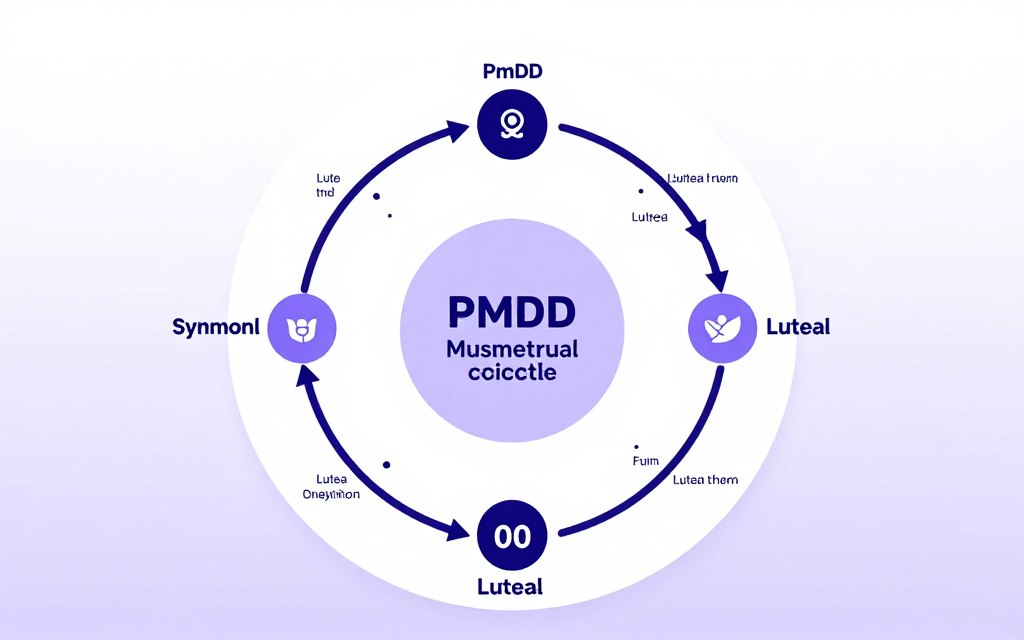
Diagnostic Criteria for PMDD
Healthcare providers diagnose premenstrual dysphoric disorder when you experience at least five specific symptoms during most menstrual cycles. These symptoms must appear in the week before your period starts and improve within a few days after menstruation begins.
Emotional Symptoms
The mood-related manifestations of this disorder often feel overwhelming and uncontrollable.
- Marked mood swings with sudden sadness or tearfulness
- Severe irritability or anger affecting relationships
- Persistent depressed mood or feelings of hopelessness
- Intense anxiety or tension throughout the luteal phase
Physical Symptoms
Body-related symptoms accompany the emotional distress and compound the overall burden.
- Breast tenderness or swelling causing significant discomfort
- Joint or muscle pain interfering with normal activities
- Bloating and weight gain creating body image concerns
- Fatigue and low energy affecting productivity
Cognitive Symptoms
Mental functioning changes make work and decision-making more challenging during symptomatic phases.
- Difficulty concentrating on tasks requiring focus
- Feeling overwhelmed by routine responsibilities
- Decreased interest in usual activities and hobbies
- Changes in sleep patterns disrupting rest quality
Behavioral Symptoms
Actions and habits shift noticeably, affecting social interactions and self-care routines.
- Food cravings or changes in appetite patterns
- Social withdrawal from friends and family
- Hypersomnia or insomnia disrupting normal rest
- Feeling out of control or unable to cope
How PMDD Differs from PMS
While premenstrual syndrome causes uncomfortable symptoms, premenstrual dysphoric disorder creates severe functional impairment. Women with this condition often cannot work effectively, maintain relationships, or complete daily tasks during symptomatic weeks.
Important Note: If you suspect you have PMDD, tracking your symptoms across at least two menstrual cycles helps healthcare providers make an accurate diagnosis. Many women find symptom journals invaluable for identifying patterns and treatment responses.
Track Your PMDD Symptoms Effectively
Download our evidence-based PMDD Symptom Tracking Journal to identify your personal patterns and communicate more effectively with your healthcare provider. This comprehensive tool helps you monitor mood, physical symptoms, and treatment responses across your cycle.
Can Herbal Remedies Help PMDD Symptoms?
Herbal remedies offer a different approach to managing premenstrual dysphoric disorder compared to conventional pharmaceutical treatments. Many women turn to botanical medicines seeking relief with fewer side effects than prescription medications like SSRIs or hormonal contraceptives.
How Herbs May Work for PMDD
Research suggests several mechanisms through which herbal remedies might alleviate symptoms associated with this disorder. Understanding these pathways helps explain why certain herbs show promise while others lack scientific support.
Hormone Regulation
Some herbs influence the hypothalamic-pituitary-ovarian axis, potentially helping balance hormone levels throughout your menstrual cycle. Chasteberry exemplifies this mechanism by affecting prolactin secretion and progesterone production.
Neurotransmitter Modulation
Certain botanical compounds interact with brain chemistry, particularly serotonin and GABA systems. This interaction may explain mood-stabilizing effects observed in clinical trials of herbs like saffron and St. John’s Wort.
Anti-inflammatory Action
Inflammation contributes to physical symptoms including pain, bloating, and breast tenderness. Evening primrose oil and other omega-rich herbs provide fatty acids that may reduce inflammatory responses in body tissues.
Stress Response Support
Adaptogenic herbs like ashwagandha and rhodiola help your body manage stress more effectively. Since stress often worsens PMDD symptoms, these herbs may provide indirect relief through cortisol regulation and improved stress resilience.
What the Research Shows
Clinical evidence for herbal remedies varies significantly depending on the specific herb and symptom type. While some botanical medicines have undergone rigorous testing in randomized controlled trials, others rely primarily on traditional use and limited research.
Studies consistently show that individual responses to herbal treatments differ considerably. What provides significant relief for one woman may offer minimal benefit for another. This variability reflects the complex, multifactorial nature of premenstrual dysphoric disorder.
Reality Check: No herbal remedy works as quickly or consistently as prescription SSRIs for severe PMDD symptoms. If you experience suicidal thoughts, severe depression, or inability to function, seeking immediate medical care takes priority over herbal approaches. Botanical treatments work best for mild to moderate symptoms or as complementary therapy alongside conventional treatment.
Timeline for Results
Unlike pharmaceutical medications that may show effects within days or weeks, herbal remedies typically require patience. Most clinical trials evaluating herbs for premenstrual symptoms measure outcomes after two to three complete menstrual cycles.
This extended timeline occurs because herbs often work gradually, building therapeutic levels in your system over time. Additionally, menstrual cycle variability means assessing true effectiveness requires observing patterns across multiple cycles rather than judging results from a single month.
Scientific Evidence on Herbal Remedies for PMDD
Evaluating herbal remedies requires examining the quality and quantity of research supporting their use. The scientific literature contains varying levels of evidence, from robust randomized controlled trials to preliminary observational studies.
Understanding Research Quality
Not all studies carry equal weight when assessing whether a treatment works. Researchers use specific criteria to evaluate study quality, including sample size, control groups, randomization methods, and outcome measurements.
| Evidence Level | Study Type | Reliability | Example |
| Level 1 (Highest) | Systematic reviews and meta-analyses of multiple RCTs | Most reliable for treatment decisions | Multiple Vitex trials analyzed together |
| Level 2 | Individual randomized controlled trials (RCTs) | High reliability with proper design | Single saffron vs placebo study |
| Level 3 | Cohort studies and case-control studies | Moderate reliability, shows associations | Tracking women using evening primrose oil |
| Level 4 | Case series and case reports | Limited reliability, hypothesis-generating | Doctor reporting patient improvements |
| Level 5 (Lowest) | Expert opinion and traditional use | Lowest reliability, requires further study | Historical herbal medicine practice |
Current State of PMDD Herbal Research
The scientific community has investigated several herbal remedies for premenstrual symptoms, though research specifically targeting diagnosed premenstrual dysphoric disorder remains more limited than studies examining general PMS.
Many older studies combined women with PMS and PMDD, making it challenging to determine effectiveness specifically for the more severe disorder. More recent research increasingly distinguishes between these conditions, providing clearer guidance for women with confirmed diagnoses.
Gaps in Current Knowledge
Several important questions remain unanswered despite decades of research into herbal treatments for premenstrual conditions. These knowledge gaps affect our ability to make definitive recommendations.
- Long-term safety data beyond 12 months remains scarce for most herbs
- Optimal dosing strategies lack standardization across different preparations
- Herb-drug interactions need more comprehensive documentation
- Individual variability in response lacks predictive biomarkers
- Comparative effectiveness studies between different herbs are rare
- Quality control and standardization vary dramatically between manufacturers
These research limitations don’t necessarily mean herbs are ineffective. Rather, they highlight the need for continued investigation and careful individual experimentation under healthcare provider guidance.
For women seeking comprehensive information about evidence-based natural approaches, our complete guide to natural remedies for PMDD examines both herbal and non-herbal strategies supported by clinical research.
Chasteberry (Vitex) for PMDD
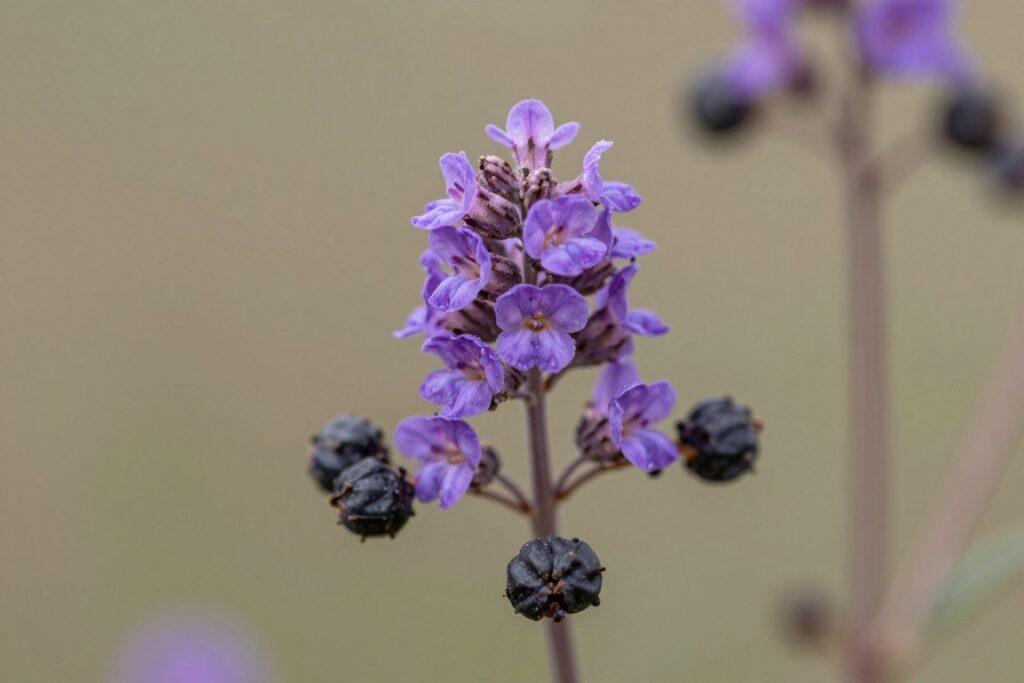
Chasteberry, derived from the Vitex agnus-castus plant, stands as the most extensively researched herbal remedy for premenstrual symptoms. European healthcare providers have prescribed this botanical medicine for decades, and mounting scientific evidence supports its effectiveness.
How Chasteberry Works
This herb primarily affects the pituitary gland, which controls many hormone-producing organs throughout your body. Chasteberry compounds bind to dopamine receptors, influencing prolactin secretion and indirectly affecting progesterone production during the luteal phase of your menstrual cycle.
Research suggests that women with premenstrual symptoms often show subtle hormonal imbalances, particularly in the progesterone-to-estrogen ratio. By modulating these hormone levels, chasteberry may help normalize the physiological changes that trigger mood and physical symptoms.
Clinical Evidence for PMDD
Multiple randomized controlled trials have examined chasteberry effectiveness for premenstrual symptoms. The evidence quality surpasses that available for most other herbal remedies targeting this condition.
| Study Details | Participants | Dosage | Duration | Results | Quality |
| Schellenberg 2001 BMJ | 170 women with PMS | 20mg extract daily | 3 cycles | 52% reduction in symptoms vs 24% placebo | High (RCT, double-blind) |
| Atmaca 2003 | 41 women with PMDD | 20-40mg extract daily | 2 cycles | Significant improvement in depression, anxiety, cravings | Moderate (open-label) |
| Berger 2000 | 105 women with PMS/PMDD | 20mg extract daily | 3 cycles | 42% complete symptom relief | High (RCT, placebo-controlled) |
| He 2009 Meta-analysis | 1,634 women (combined studies) | Various preparations | 2-6 cycles | Approximately 50% greater improvement than placebo | High (systematic review) |
Specific Symptoms Improved
Chasteberry demonstrates particularly strong effects on certain symptom categories. Understanding which symptoms respond best helps set realistic expectations for treatment outcomes.
- Breast tenderness and swelling
- Irritability and mood swings
- Angry outbursts
- Headaches
- Bloating
Symptoms with Strong Evidence
- Depressed mood
- Anxiety
- Food cravings
- Sleep disturbances
- Fatigue
Symptoms with Moderate Evidence
- Severe depression
- Panic attacks
- Suicidal thoughts
- Concentration problems
- Joint or muscle pain
Symptoms with Limited Evidence
Dosage and Usage Guidelines
Standardized chasteberry extracts typically provide more consistent results than crude herb preparations. Most clinical trials used products standardized to contain specific amounts of active compounds.
- Standard dose: 20-40mg of standardized extract (0.6% aucubin) taken once daily in the morning
- Timing: Take continuously throughout the entire menstrual cycle, not just during symptomatic phases
- Duration: Allow 2-3 complete cycles before evaluating effectiveness
- Form: Tablets or capsules show better standardization than tinctures or teas
- Consistency: Take at the same time each day for optimal hormone regulation
Side Effects and Precautions
Chasteberry generally causes fewer side effects than pharmaceutical treatments for PMDD. However, some women experience mild adverse reactions, particularly when first starting treatment.
Common side effects include: Nausea, headache, digestive upset, skin reactions, dizziness, and increased menstrual flow. These typically resolve after the first cycle. Discontinue use if side effects persist or worsen.
Who Should Avoid Chasteberry
- Women taking hormonal contraceptives (may reduce effectiveness)
- Those using dopamine-related medications for Parkinson’s disease
- Women taking antipsychotic medications
- Pregnant or breastfeeding women (insufficient safety data)
- Women with hormone-sensitive conditions without medical supervision
- Those undergoing in vitro fertilization treatments
Learn more about combining chasteberry with other evidence-based approaches in our detailed guide on magnesium for PMDD, which discusses complementary nutrient strategies.
Saffron for PMDD
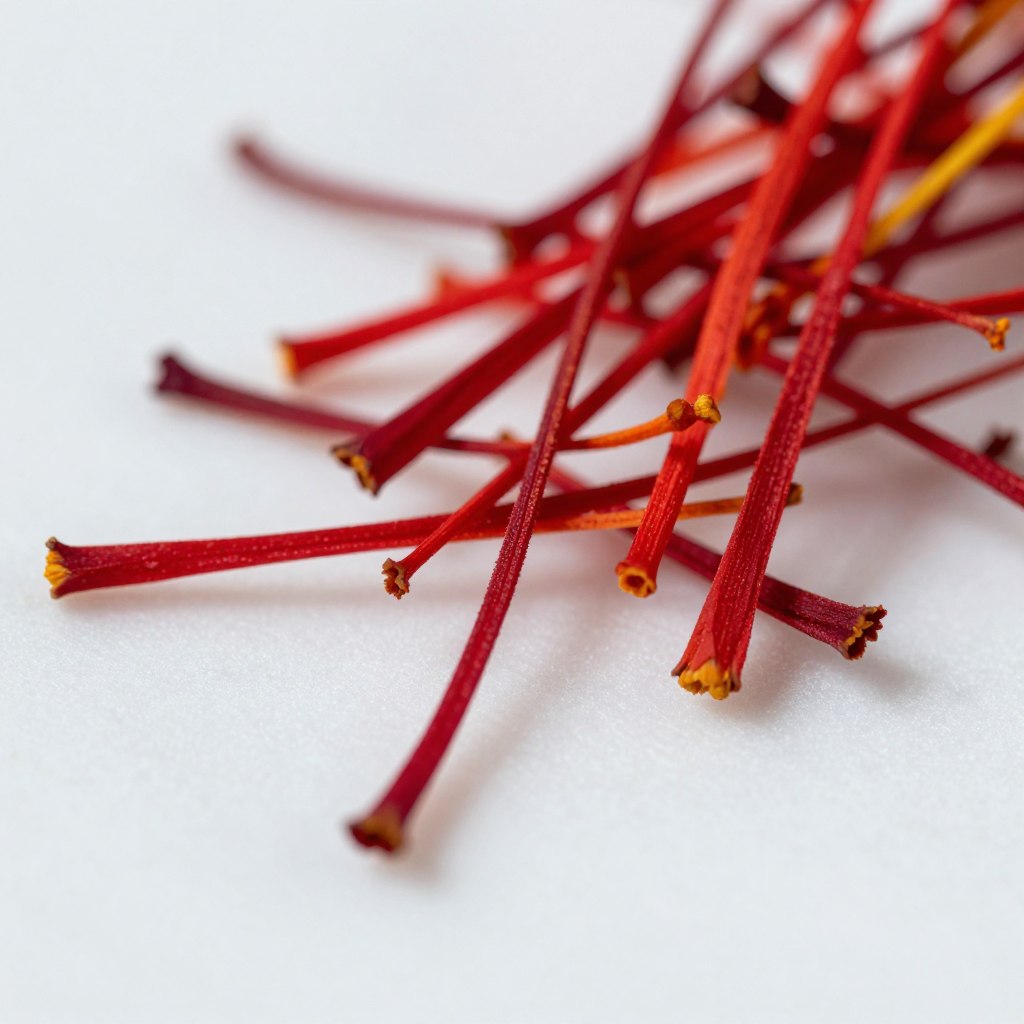
Saffron, the stigma of the Crocus sativus flower, has emerged as a promising natural treatment for mood symptoms associated with premenstrual dysphoric disorder. This expensive spice contains compounds that interact with neurotransmitter systems in the brain.
Mechanisms of Action
Saffron’s active compounds, particularly crocin and safranal, influence serotonin metabolism in ways similar to selective serotonin reuptake inhibitors. These compounds may prevent serotonin breakdown and enhance its availability in brain tissue.
Research also suggests saffron possesses anti-inflammatory and antioxidant properties that might contribute to its mood-stabilizing effects. The brain inflammation hypothesis of depression could explain why anti-inflammatory compounds help improve mood symptoms.
Research Evidence
Several high-quality studies have specifically examined saffron for premenstrual symptoms, with particularly encouraging results for emotional manifestations of the disorder.
| Study | Design | Participants | Dosage | Key Findings |
| Agha-Hosseini 2008 | RCT, double-blind, placebo-controlled | 50 women aged 20-45 with PMS | 30mg daily (15mg twice daily) | Significant reduction in depression, anxiety, and total PMS symptoms compared to placebo |
| Kashani 2017 | RCT, fluoxetine comparison | 44 women with moderate to severe PMDD | 30mg daily vs fluoxetine 20mg | Saffron equally effective as fluoxetine for mood symptoms with fewer side effects |
| Modabbernia 2016 | Meta-analysis of mood studies | Multiple studies combined | 30mg daily (typical) | Saffron shows significant antidepressant effects comparable to conventional medications |
Best Uses for Saffron
Clinical evidence suggests saffron works particularly well for specific symptom clusters. Women struggling primarily with emotional symptoms may find saffron more helpful than those dealing mainly with physical manifestations.
Symptoms Most Likely to Improve
- Depressed mood and feelings of hopelessness
- Anxiety and nervous tension
- Irritability and angry outbursts
- Mood swings and emotional lability
- Crying spells
- Loss of interest in activities
The mood-stabilizing effects typically become noticeable within 4-6 weeks of consistent use. Some women report subtle improvements earlier, though full benefits require longer treatment duration.
Dosage Information
Standard dose: 30mg daily, divided into two 15mg doses (morning and evening)
Form: Standardized capsules or tablets containing saffron extract
Timing: Take continuously throughout the cycle for best results
Quality: Ensure products are standardized to contain specific amounts of crocin and safranal
Safety Profile
Saffron demonstrates excellent safety at doses used for premenstrual symptoms. Clinical trials report minimal adverse effects, with most participants tolerating treatment well throughout study periods.
Mild side effects occasionally reported: Headache, dry mouth, drowsiness, nausea, or changes in appetite. These effects occur infrequently and rarely require discontinuation. Very high doses (above 5 grams daily) can cause toxicity, but therapeutic doses remain far below dangerous levels.
Drug Interactions
Saffron may interact with certain medications due to its effects on serotonin and other neurotransmitters. Women taking the following medications should consult healthcare providers before using saffron:
- Antidepressants (SSRIs, SNRIs, MAOIs) – risk of serotonin syndrome
- Blood pressure medications – saffron may enhance hypotensive effects
- Anticoagulants – potential increased bleeding risk
- Sedatives or sleep medications – may increase drowsiness
Women interested in complementary mood-supporting nutrients should explore our guide on vitamin B6 for PMDD, which explains how this essential nutrient supports neurotransmitter production.
Evening Primrose Oil for PMDD
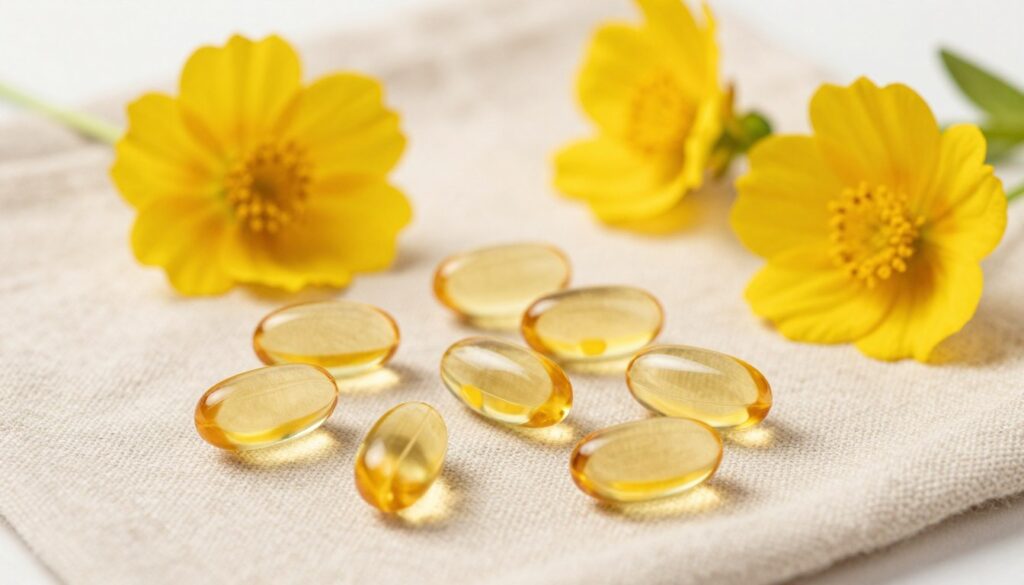
Evening primrose oil, extracted from Oenothera biennis seeds, has been used for premenstrual symptoms for decades. This supplement provides gamma-linolenic acid (GLA), an omega-6 fatty acid that may influence inflammation and hormone metabolism.
Proposed Mechanisms
Researchers theorize that some women with premenstrual symptoms have abnormal fatty acid metabolism or sensitivity to normal hormone fluctuations. Evening primrose oil may help through several pathways.
The GLA content converts to prostaglandin E1, a compound that may reduce inflammation and modulate pain perception. Some theories suggest this prostaglandin influences prolactin sensitivity, potentially explaining effects on breast tenderness.
What the Research Shows
The evidence for evening primrose oil presents a mixed picture. Earlier studies showed more promising results than recent, higher-quality trials. This pattern often indicates placebo effects or methodological issues in older research.
| Study/Review | Year | Conclusion | Evidence Quality |
| Cochrane Review (Budeiri et al.) | 1996 | No clear benefit demonstrated for PMS symptoms overall | High quality review |
| Khoo 1990 | 1990 | Improvement in breast pain but not other symptoms | Moderate (small RCT) |
| Collins 1993 | 1993 | No significant difference from placebo | High (well-designed RCT) |
| Pruthi 2010 (Mayo Clinic) | 2010 | May help breast pain specifically | Moderate (expert review) |
Current Recommendations
Based on available evidence, evening primrose oil shows the most promise for breast tenderness rather than emotional symptoms of premenstrual dysphoric disorder. Women whose primary complaint involves cyclical breast pain might benefit most from this supplement.
May Be Worth Trying If:
- Breast tenderness is your most bothersome symptom
- You’ve tried other approaches without success
- You prefer natural options with low risk
- You can afford the cost (effects may take 3-4 months)
Probably Won't Help With:
- Severe mood symptoms like depression or anxiety
- Irritability and anger
- Cognitive symptoms like brain fog
- Fatigue and low energy
Dosage and Usage
Studies testing evening primrose oil for premenstrual symptoms used varying doses, contributing to inconsistent results. Most trials employed doses between 2-4 grams daily of the oil.
- Typical dose: 2,000-3,000mg daily, divided into two or three doses
- GLA content: Look for products standardized to contain 8-10% GLA
- Timing: Some protocols use continuous dosing, others only during luteal phase
- Duration: May require 3-4 months for maximum benefit
- With food: Take with meals to enhance absorption and reduce digestive upset
Safety and Side Effects
Evening primrose oil generally causes minimal side effects at recommended doses. The most common complaints involve digestive symptoms that often improve with dose adjustment or taking capsules with food.
Possible side effects: Upset stomach, nausea, loose stools, headache. Rarely, evening primrose oil may increase seizure risk in people with seizure disorders or those taking seizure-lowering medications.
Precautions
- Avoid if you have a seizure disorder or take anti-seizure medications
- Use caution with blood-thinning medications (may increase bleeding risk)
- Discontinue two weeks before scheduled surgery
- Pregnant women should avoid due to potential effects on labor
- May interact with some psychiatric medications
For comprehensive coverage of omega fatty acids and premenstrual symptoms, see our evidence-based guide on omega-3 for PMDD, which examines fish oil and other essential fatty acid sources.
St. John's Wort and PMDD
St. John’s wort (Hypericum perforatum) ranks among the most thoroughly studied herbal remedies for depression. Given that depressed mood constitutes a core symptom of premenstrual dysphoric disorder, researchers have investigated whether this herb might help women with PMDD.
How St. John's Wort Works
This herb contains multiple active compounds, including hypericin and hyperforin, that interact with various neurotransmitter systems. St. John’s wort appears to influence serotonin, dopamine, and norepinephrine—brain chemicals involved in mood regulation.
The mechanisms resemble those of pharmaceutical antidepressants, though St. John’s wort works through multiple pathways simultaneously rather than targeting a single neurotransmitter system. This broad action may contribute to both its effectiveness and its potential for drug interactions.
Evidence for Premenstrual Symptoms
Research specifically examining St. John’s wort for PMDD remains limited compared to studies of this herb for general depression. The few available trials show mixed but somewhat promising results.
| Study | Participants | Dosage | Duration | Findings |
| Hicks 2004 | 36 women with PMDD | 900mg daily (300mg 3x/day) | 2 cycles | Significant improvement in behavioral and physical symptoms, minimal effect on mood |
| Stevinson 2000 | 19 women with PMS | 300mg daily | 1 cycle | 68% reduction in symptom severity compared to 57% for placebo (not statistically significant) |
The limited number and small size of studies make definitive conclusions difficult. More research specifically targeting women with diagnosed PMDD would clarify this herb’s role in treatment.
Practical Considerations
St. John’s wort’s extensive drug interaction profile creates significant challenges for many women. This herb induces liver enzymes that metabolize numerous medications, potentially reducing their effectiveness dramatically.
Critical Drug Interactions: St. John’s wort reduces effectiveness of birth control pills, potentially leading to unplanned pregnancy. It also interacts with antidepressants (risk of serotonin syndrome), blood thinners, heart medications, immunosuppressants, and many other drugs. Always consult a healthcare provider before using this herb.
Medications That Interact with St. John's Wort
- SSRIs or other antidepressants
- MAO inhibitors
- Triptans for migraine
- Opioid pain medications
Never Combine With
- Birth control pills
- Blood thinners (warfarin)
- Heart medications (digoxin)
- Immunosuppressants
Use Extreme Caution With
- Chemotherapy drugs
- HIV medications
- Seizure medications
- Statins for cholesterol
May Reduce Effectiveness Of
When to Consider St. John's Wort
Given the interaction risks and limited PMDD-specific evidence, St. John’s wort works best for particular situations rather than as a first-line treatment for premenstrual dysphoric disorder.
- Mild to moderate PMDD symptoms primarily involving mood changes
- You take no other medications that might interact
- You’re not using hormonal birth control
- Other herbal options have proven ineffective
- A healthcare provider monitors your treatment
Dosage and Side Effects
Standardized St. John’s wort extracts typically contain 0.3% hypericin. Clinical trials for depression generally used 300mg three times daily (900mg total), though some PMDD studies employed lower doses.
Common side effects include: Photosensitivity (increased sun sensitivity), dry mouth, dizziness, digestive upset, fatigue, headache, and sexual dysfunction. Taking the herb with food may reduce digestive problems.
Ashwagandha and PMDD
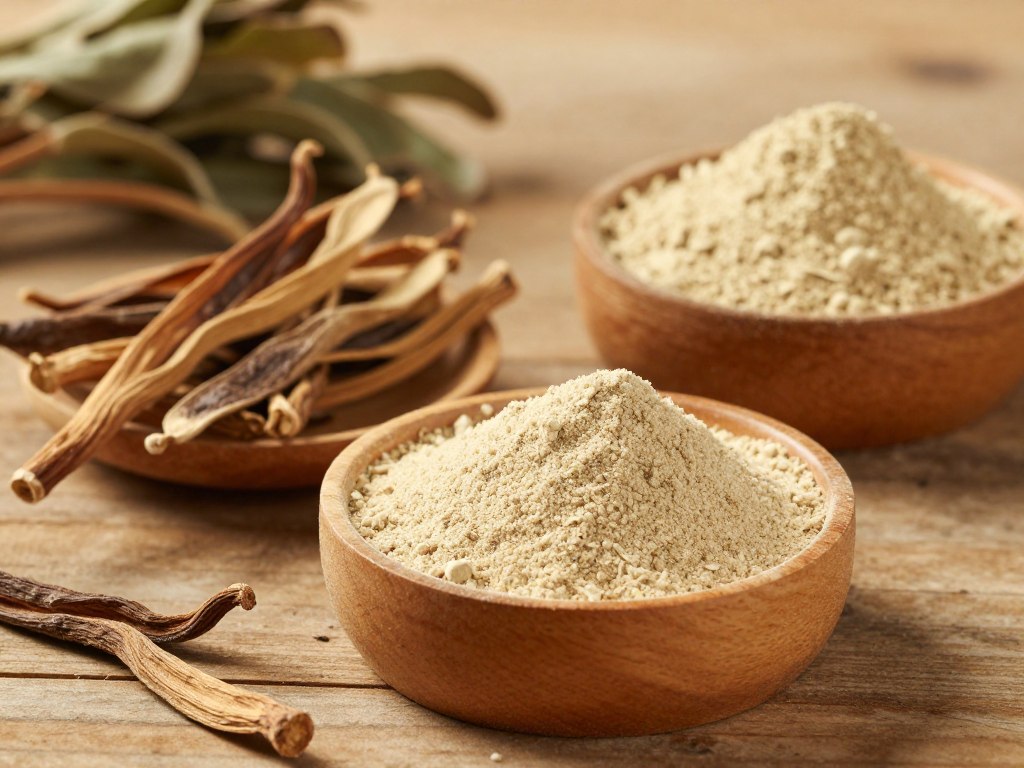
Ashwagandha (Withania somnifera) represents a cornerstone herb in Ayurvedic medicine, traditionally used to enhance resilience to stress. While research specifically targeting PMDD remains limited, studies examining stress, anxiety, and hormone balance suggest potential benefits.
Adaptogenic Properties
Ashwagandha belongs to a class of herbs called adaptogens, which help your body adapt to various stressors. These plants support the hypothalamic-pituitary-adrenal (HPA) axis, the system controlling your stress response and influencing reproductive hormones.
Stress significantly worsens PMDD symptoms for many women. By modulating cortisol levels and supporting healthy stress responses, ashwagandha may indirectly improve premenstrual symptoms even without directly affecting reproductive hormones.
Research on Stress and Anxiety
Multiple high-quality studies demonstrate ashwagandha’s effectiveness for reducing stress and anxiety in general populations. These findings suggest potential benefits for the anxiety component of premenstrual dysphoric disorder.
| Study | Participants | Dosage | Results |
| Chandrasekhar 2012 | 64 adults with chronic stress | 300mg twice daily | 44% reduction in stress scores, 27.9% decrease in cortisol |
| Cooley 2009 | 130 adults with moderate anxiety | 300mg daily | Significant anxiety reduction compared to placebo |
| Salve 2019 | 60 adults with chronic stress | 240mg daily | Improved sleep quality, reduced cortisol, enhanced well-being |
Potential Benefits for PMDD
While direct evidence for PMDD specifically remains limited, ashwagandha’s documented effects on stress, sleep, and mood suggest several ways it might help manage symptoms.
Theoretical Benefits
- Reduces overall stress levels that often amplify PMDD symptoms
- Improves sleep quality, which frequently deteriorates during the luteal phase
- Supports healthy cortisol patterns that influence mood stability
- May help balance thyroid function (thyroid issues worsen PMDD)
- Reduces anxiety, a core symptom for many women with PMDD
Important Limitations
- No large-scale clinical trials specifically for PMDD
- Effects on reproductive hormones need more research
- Individual responses vary considerably
- Optimal dosing for premenstrual symptoms unclear
- May take several weeks for noticeable effects
Usage Guidelines
Based on stress and anxiety research, women interested in trying ashwagandha for PMDD symptoms might consider the following approaches. However, consulting with a healthcare provider remains essential given the limited PMDD-specific data.
- Dosage: 300-600mg daily of standardized extract (typically containing 5% withanolides)
- Timing: Can be taken any time, though many prefer evening due to calming effects
- Duration: Allow 4-6 weeks to assess effectiveness
- Form: Capsules or tablets with standardized extracts show more consistent results than raw powder
Safety Profile
Ashwagandha demonstrates good tolerability in most clinical trials, with relatively few adverse effects reported at standard doses. However, some precautions apply.
Possible side effects: Digestive upset, drowsiness (particularly at higher doses), and headache. These effects typically remain mild and often resolve with continued use or dose adjustment.
Who Should Avoid Ashwagandha
- Pregnant women (may induce miscarriage)
- Breastfeeding mothers (insufficient safety data)
- People with autoimmune diseases (may stimulate immune system)
- Those with thyroid disorders without medical supervision (affects thyroid function)
- Individuals taking sedatives (may increase drowsiness)
- People taking immunosuppressant medications
Rhodiola and PMDD
Rhodiola rosea, another adaptogenic herb, has attracted attention for its potential to combat fatigue, enhance cognitive function, and support mood. These properties make it theoretically relevant for PMDD, though direct research on premenstrual symptoms remains scarce.
Mechanisms and Properties
Rhodiola contains compounds called rosavins and salidroside that influence neurotransmitter activity and stress response systems. Research suggests this herb may enhance serotonin and dopamine availability in the brain while supporting healthy cortisol patterns.
The herb also appears to reduce mental and physical fatigue, potentially helping women who experience severe energy depletion during the luteal phase of their menstrual cycle.
Research Evidence
Studies examining rhodiola have focused primarily on stress, fatigue, and mild to moderate depression rather than specifically investigating premenstrual symptoms. Results from these trials suggest possible benefits for certain PMDD manifestations.
| Study Focus | Key Finding | Relevance to PMDD |
| Stress-related fatigue (Olsson 2009) | Significant reduction in fatigue and improved attention | May help with energy and concentration problems |
| Mild-moderate depression (Mao 2015) | Comparable to sertraline with fewer side effects | Potential for mood symptoms |
| Anxiety symptoms (Cropley 2015) | Reduced anxiety, stress, anger, and confusion | May address anxiety and irritability |
| Cognitive function (Spasov 2000) | Enhanced mental performance under stress | Could help brain fog and concentration |
Potential Applications for PMDD
Based on available research, rhodiola might benefit women whose PMDD symptoms include significant fatigue, cognitive difficulties, or stress-related symptom worsening. However, the lack of specific PMDD studies means effects remain theoretical.
Rhodiola may work best as part of a comprehensive treatment approach rather than as a standalone therapy. Women who experience severe fatigue, brain fog, or stress-triggered symptom flares might consider discussing this herb with their healthcare provider.
Usage Recommendations
Clinical trials testing rhodiola for stress and mood have used varying doses and preparations, making optimal dosing recommendations somewhat uncertain. Most research employed standardized extracts rather than raw herb.
- Typical dose: 200-600mg daily of standardized extract (3% rosavins, 1% salidroside)
- Timing: Morning or early afternoon (may interfere with sleep if taken late)
- Duration: Effects may begin within days to weeks
- Cycling: Some practitioners recommend taking breaks after several months of continuous use
Safety and Contraindications
Rhodiola generally shows good safety in clinical trials, though some individuals experience mild side effects. The stimulating nature of this herb means some precautions apply.
Possible side effects: Jitteriness, difficulty sleeping (especially if taken late in day), dry mouth, dizziness. Start with lower doses to assess tolerance, particularly if you’re sensitive to stimulating substances.
Precautions
- May interact with medications metabolized by CYP450 enzymes
- Avoid in pregnancy and breastfeeding (insufficient safety data)
- Use caution if you have anxiety disorders (may initially worsen anxiety)
- Potential interaction with antidepressants and anti-anxiety medications
- May affect blood sugar levels in diabetes
Women exploring complementary therapies beyond herbs should review our comprehensive guide on acupuncture for PMDD, which examines non-herbal evidence-based approaches.
Herbal Remedies vs Supplements
Understanding the distinction between herbal remedies and nutritional supplements helps you build the most effective treatment approach. Both categories offer natural options, but they work through different mechanisms and serve complementary roles.
Key Differences
While the terms sometimes get used interchangeably, herbs and supplements represent distinct therapeutic categories with different regulatory standards, mechanisms of action, and evidence bases.
| Aspect | Herbal Remedies | Nutritional Supplements |
| Source | Whole plants or plant parts (leaves, roots, flowers, berries) | Isolated vitamins, minerals, or other nutrients |
| Active Compounds | Multiple compounds working synergistically | Single nutrient or specific compound |
| Mechanism | Complex interactions with multiple body systems | Correcting deficiencies or supporting specific pathways |
| Evidence Type | Often mix of traditional use and clinical trials | More standardized clinical research available |
| Standardization | Varies widely between products and brands | More consistent dosing and potency |
| Drug Interactions | More common and sometimes significant | Generally fewer but still possible |
| Cost | Variable, sometimes more expensive | Often more affordable |
| FDA Regulation | Minimal regulation as dietary supplements | Better established standards for nutrients |
Complementary Approaches
Rather than choosing between herbs and supplements, many women find that combining both categories creates the most comprehensive natural treatment approach for premenstrual dysphoric disorder.
When to Emphasize Herbs
- You’ve addressed any nutrient deficiencies through testing
- Symptoms persist despite adequate nutritional status
- You prefer traditional botanical medicine approaches
- Specific herbs have strong evidence for your symptom pattern
When to Prioritize Nutritional Supplements
- Blood tests reveal specific nutrient deficiencies
- Dietary intake analysis shows inadequate nutrient consumption
- You take medications with known herb interactions
- You prefer more standardized, predictable treatments
- Budget constraints make herbs too expensive
Evidence-Based Supplement Options for PMDD
Several nutritional supplements demonstrate strong research support for managing PMDD symptoms. These nutrients work through different mechanisms than herbal remedies but can provide significant benefits.
- Calcium (1200mg daily)
- Magnesium (200-400mg daily)
- Vitamin B6 (50-100mg daily)
- Vitamin D (if deficient)
Strong Evidence
- Omega-3 fatty acids (EPA/DHA)
- Zinc supplementation
- Vitamin E for breast tenderness
- Complex B vitamins
Moderate Evidence
For detailed information about mineral supplementation, explore our comprehensive guides on calcium for PMDD and zinc for PMDD.
Combining Herbs and Supplements Safely
Many women successfully use both herbal remedies and nutritional supplements together. However, thoughtful planning prevents excessive costs, confusing results, and potential interactions.
- Start with one category first, allowing 2-3 months to assess effects before adding the other
- Test nutrient levels before supplementing to identify true deficiencies
- Keep detailed records of what you take and how symptoms respond
- Work with a healthcare provider familiar with both herbal and nutritional medicine
- Consider quality testing and third-party certification for all products
- Budget realistically for long-term use of multiple products
Women seeking a complete overview of nutritional approaches should review our guide to the best supplements for PMDD, which compares all evidence-based nutrient strategies.
Download Your Complete Herbal & Supplement Comparison Chart
Get our comprehensive comparison chart showing effectiveness ratings, dosage recommendations, and safety profiles for all major herbal remedies and supplements for PMDD. This practical reference tool helps you make informed decisions about your natural treatment approach.
Herbal Remedies vs SSRIs
Selective serotonin reuptake inhibitors (SSRIs) represent the gold standard pharmaceutical treatment for severe premenstrual dysphoric disorder. Understanding how herbal remedies compare to these medications helps you make informed treatment decisions.
Effectiveness Comparison
SSRIs consistently demonstrate superior effectiveness for severe PMDD symptoms compared to any herbal remedy. Clinical trials show response rates of 60-70% for SSRIs versus 40-50% for the most well-studied herbs like chasteberry.
| Treatment Aspect | SSRIs (e.g., Fluoxetine, Sertraline) | Herbal Remedies (e.g., Vitex, Saffron) |
| Effectiveness for Severe PMDD | High (60-70% response rate) | Moderate (40-50% for best-studied herbs) |
| Speed of Onset | 1-2 weeks for PMDD (faster than for depression) | 2-3 months typically required |
| Evidence Quality | Extensive high-quality research | Limited to moderate quality studies |
| Standardization | Precise dosing and consistent effects | Variable quality between products |
| Side Effects | Common: nausea, sexual dysfunction, weight changes | Generally fewer and milder |
| Cost | Often covered by insurance; generic options available | Usually out-of-pocket; varies widely |
| Monitoring Required | Regular medical follow-up needed | Less intensive but still recommended |
| Discontinuation | May cause withdrawal symptoms; taper needed | Generally easier to discontinue |
When Each Approach Makes Sense
Choosing between herbal remedies and SSRIs depends on symptom severity, previous treatment responses, side effect tolerance, personal preferences, and practical considerations like insurance coverage.
SSRIs May Be Better For:
- Severe symptoms interfering significantly with work or relationships
- Previous suicide attempts or current suicidal thoughts
- Concurrent major depression or anxiety disorders
- Failed trials of multiple natural approaches
- Need for rapid symptom relief
- Situations where treatment standardization is critical
Herbal Remedies May Work For:
- Mild to moderate symptoms not causing severe impairment
- Preference for natural treatment approaches
- Previous intolerable side effects from SSRIs
- Desire to avoid pharmaceutical medications
- Willingness to wait 2-3 months for full effects
- Ability to pay out-of-pocket for quality products
Combined Approaches
Some women use both SSRIs and herbal remedies together, though this requires careful medical supervision due to interaction risks. More commonly, women transition from SSRIs to herbal alternatives once symptoms stabilize.
Never combine SSRIs with St. John’s Wort or saffron without medical supervision. These herbs affect serotonin systems and combining them with SSRIs risks serotonin syndrome, a potentially dangerous condition. Always inform your healthcare provider about all herbs and supplements you take.
Intermittent Dosing Considerations
One advantage of SSRIs for PMDD is the option for intermittent dosing (taking medication only during the luteal phase). Research shows this approach works well for many women and reduces exposure to medication.
Herbal remedies typically require continuous daily use throughout the entire menstrual cycle for optimal effectiveness. Intermittent herbal dosing lacks research support and probably works less effectively than continuous use.
Making Your Decision
Discuss treatment options with a healthcare provider who understands both conventional and herbal approaches. The right choice depends on your individual situation, including symptom severity, health history, concurrent medications, and personal values.
- Document your symptoms for at least two cycles before deciding on treatment
- Consider starting with lifestyle modifications and nutritional approaches
- Try herbal remedies for mild to moderate symptoms if willing to wait 2-3 months
- Consider SSRIs for severe symptoms or if safety concerns exist
- Re-evaluate treatment approach every 6-12 months
- Remember that treatment preferences may change over time
Safety Considerations and Drug Interactions
While herbal remedies often feel safer than pharmaceutical drugs, they can still cause side effects and interact with medications. Understanding these safety considerations protects your health while pursuing natural treatment options.

The "Natural Doesn't Mean Safe" Reality
Many people assume natural products carry no risks. However, herbs contain potent bioactive compounds that affect body systems just like pharmaceutical medications. Some herbs cause serious side effects or dangerous interactions with prescription drugs.
Critical Safety Principle: Always inform every healthcare provider about all herbs, supplements, vitamins, and over-the-counter products you take. This includes dentists, surgeons, and anesthesiologists. Some herbs must be discontinued weeks before surgery or certain medical procedures.
Major Drug Interactions by Herb
Different herbs interact with different medication classes. Understanding which interactions matter for your specific situation helps you use herbs more safely.
| Herbal Remedy | Interacting Medications | Potential Effect | Severity |
| Chasteberry | Hormonal contraceptives, dopamine agonists/antagonists | May reduce birth control effectiveness; interferes with Parkinson’s medications | Moderate to High |
| St. John’s Wort | SSRIs, birth control, blood thinners, immunosuppressants, many others | Reduces medication effectiveness; risk of serotonin syndrome with antidepressants | High |
| Saffron | SSRIs, blood pressure medications, anticoagulants | Serotonin syndrome risk; enhanced medication effects | Moderate |
| Evening Primrose Oil | Blood thinners, seizure medications, phenothiazines | Increased bleeding risk; may lower seizure threshold | Moderate |
| Ashwagandha | Sedatives, thyroid medications, immunosuppressants, blood sugar medications | Enhanced sedation; affects thyroid levels; immune system stimulation | Moderate |
| Rhodiola | Antidepressants, diabetes medications, immunosuppressants | Enhanced or reduced medication effects; blood sugar changes | Moderate |
Special Populations
Certain groups face higher risks from herbal remedies and require extra caution or should avoid specific herbs entirely.
- Chasteberry (may affect hormones)
- St. John’s Wort (insufficient safety data)
- Evening primrose oil (may affect labor)
- Ashwagandha (miscarriage risk)
- Rhodiola (unknown safety)
- Saffron (high doses may cause contractions)
Pregnancy
- Most herbs lack adequate safety studies
- Compounds may transfer to breast milk
- Chasteberry affects prolactin (milk production)
- Consult lactation specialist before use
Breastfeeding
- Autoimmune diseases (avoid immune-stimulating herbs)
- Liver disease (herbs processed by liver)
- Kidney disease (affects herb elimination)
- Seizure disorders (some herbs lower threshold)
- Hormone-sensitive cancers (use caution)
Chronic Health Conditions
Quality and Contamination Concerns
Unlike pharmaceutical medications, herbal supplements face minimal FDA regulation. Quality varies dramatically between manufacturers, with concerning issues identified in many products.
Common Quality Problems
- Contamination: Heavy metals, pesticides, or harmful bacteria in products
- Adulteration: Products containing unlisted pharmaceutical drugs or cheaper substitute herbs
- Misidentification: Wrong plant species used in production
- Incorrect dosing: Actual content differs significantly from label claims
- Poor storage: Degradation of active compounds due to improper handling
Choosing Quality Products
Taking steps to verify product quality reduces risks and increases the likelihood of therapeutic benefit.
Look for these quality indicators:
- Third-party testing seals (USP, NSF, ConsumerLab)
- Good Manufacturing Practices (GMP) certification
- Standardized extracts with specified active compound percentages
- Clear product labeling including botanical name and plant part used
- Batch testing documentation available from manufacturer
- Established brands with quality track records
When to Seek Immediate Medical Care
Stop taking herbal remedies and seek emergency medical attention if you experience any of the following:
- Severe allergic reaction (difficulty breathing, swelling of face or throat)
- Yellowing of skin or eyes (possible liver damage)
- Severe abdominal pain or persistent vomiting
- Unusual bruising or bleeding
- Rapid heartbeat, chest pain, or severe dizziness
- Severe mood changes, confusion, or agitation (possible serotonin syndrome)
- Seizures or loss of consciousness
Reporting Adverse Effects
If you experience side effects from herbal products, reporting them helps identify safety concerns and protect other consumers. In the United States, report adverse events to the FDA’s MedWatch program.
Which Herbal Remedies Have the Strongest Evidence?
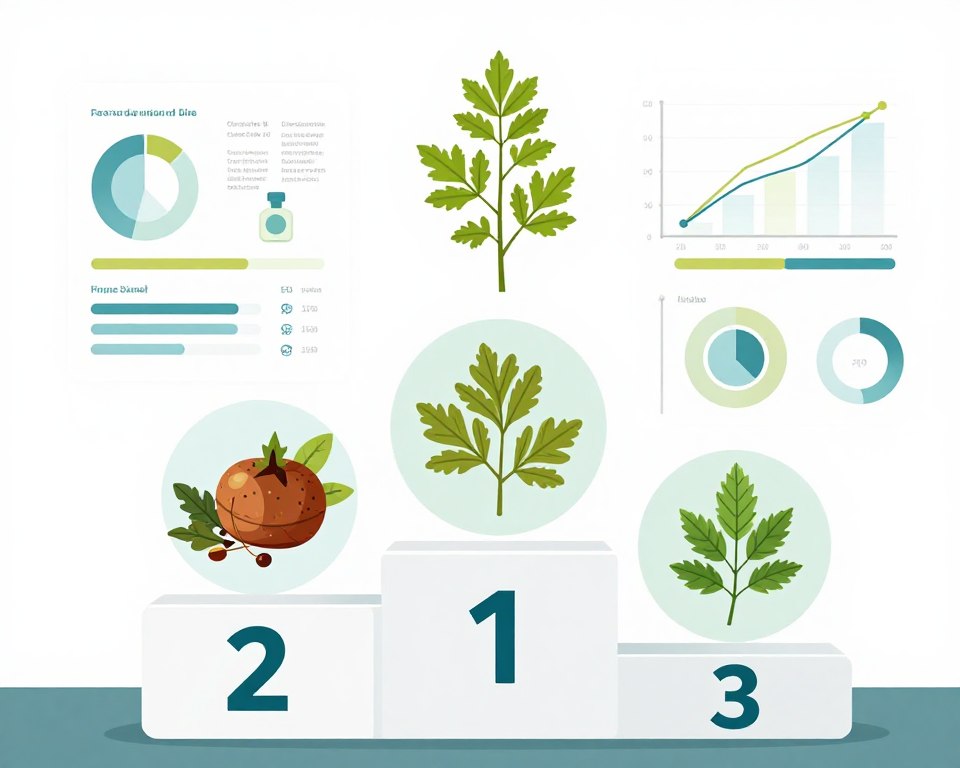
After reviewing all available research, a clear hierarchy emerges regarding which herbal remedies have the most robust scientific support for managing PMDD symptoms. This evidence ranking helps prioritize your treatment choices.
Evidence-Based Rankings
This ranking considers study quality, number of trials, participant numbers, consistency of results, and effect sizes. Remember that individual responses vary, and higher-ranked herbs may not work better for every woman.
Detailed Evidence Assessment
Tier 1: Strong Evidence
Chasteberry (Vitex agnus-castus)
- Multiple high-quality randomized controlled trials
- Systematic reviews and meta-analyses support effectiveness
- Consistent results across different studies and populations
- Effects documented for both physical and emotional symptoms
- Recommended by some medical organizations for PMS/PMDD
- Best for: Breast tenderness, irritability, mood swings, bloating
Tier 2: Moderate Evidence
Saffron
- Several well-designed clinical trials specifically for premenstrual symptoms
- Strong evidence for mood-related symptoms
- Comparable effectiveness to SSRIs in head-to-head trial
- Good safety profile with minimal side effects
- Limited long-term safety data beyond several months
- Best for: Depression, anxiety, mood swings, emotional symptoms
Tier 3: Limited but Promising Evidence
St. John’s Wort
- Strong evidence for depression generally, limited PMDD-specific data
- Small studies show mixed results for premenstrual symptoms
- Significant drug interaction concerns limit practical use
- More research needed specifically for PMDD population
- Best for: Mood symptoms in women not taking other medications
Tier 4: Insufficient Evidence
Evening Primrose Oil
- Older studies more positive than newer, better-designed trials
- Cochrane review found no clear benefit for PMS overall
- May specifically help breast pain in some women
- Generally safe but effects likely modest at best
- Best for: Breast tenderness specifically (not other symptoms)
Ashwagandha and Rhodiola
- No studies specifically examining PMDD treatment
- Evidence from stress/anxiety studies theoretically relevant
- Individual case reports suggest possible benefit
- Cannot make evidence-based recommendations for PMDD specifically
- Best for: General stress management that may indirectly help PMDD
Symptom-Specific Recommendations
Different herbs work better for different symptom patterns. Matching herbs to your primary complaints increases the likelihood of benefit.
| Primary Symptom | First Choice | Second Choice | Evidence Level |
| Breast tenderness | Chasteberry | Evening primrose oil | Strong for chasteberry |
| Depressed mood | Saffron | St. John’s Wort | Moderate for both |
| Anxiety | Saffron | Ashwagandha | Moderate to limited |
| Irritability/anger | Chasteberry | Saffron | Strong for chasteberry |
| Mood swings | Chasteberry | Saffron | Strong to moderate |
| Bloating | Chasteberry | None with strong evidence | Moderate |
| Fatigue | Rhodiola | Ashwagandha | Limited (not PMDD-specific) |
| Sleep disturbances | Ashwagandha | Chasteberry | Limited to moderate |
Practical Treatment Algorithm
Based on current evidence, this suggested approach balances effectiveness, safety, and practicality.
- First-line herbal approach: Try chasteberry (Vitex) for 3 months if you have multiple PMDD symptoms including breast tenderness, mood changes, or irritability
- If mood symptoms predominate: Consider saffron alone or combined with chasteberry after individual trials
- If no improvement after 3 months: Re-evaluate with healthcare provider; may need conventional treatment or different approach
- For specific breast pain: Evening primrose oil may be worth trying despite limited overall evidence
- For stress-related worsening: Add adaptogenic herbs like ashwagandha or rhodiola to support stress resilience
- Always combine with: Lifestyle modifications, adequate sleep, stress management, and nutritional optimization
For a complete picture of vitamin supplementation alongside herbal approaches, review our guide on vitamin D for PMDD, which discusses the importance of checking and correcting deficiencies.
Frequently Asked Questions (FAQ)
How long do herbal remedies take to work for PMDD?
Most herbal remedies require 2-3 complete menstrual cycles (approximately 2-3 months) before you can accurately assess their effectiveness. This timeline differs significantly from pharmaceutical SSRIs, which often show effects within 1-2 weeks for PMDD symptoms.
Chasteberry typically requires the longest evaluation period due to its gradual hormone-regulating effects. Saffron may show mood benefits slightly faster, sometimes within 4-6 weeks. The extended timeline occurs because herbs work more gradually than drugs and because menstrual cycle variability means you need multiple cycles to identify true patterns versus random monthly variation.
Track your symptoms carefully throughout the trial period using a standardized symptom tracker. If you see no improvement after three months of consistent use at appropriate doses, the herb probably isn’t working for you.
Can I take multiple herbal remedies together for PMDD?
While combining herbs is possible, this approach requires careful consideration. Taking multiple supplements simultaneously makes it impossible to determine which herb provides benefit if symptoms improve, or which causes problems if side effects occur.
Most clinical trials test single herbs, so evidence for combination approaches remains limited. However, some combinations appear safe based on their different mechanisms of action—for example, combining chasteberry (hormone-regulating) with ashwagandha (stress-supporting) targets different pathways.
Best practice involves starting with one herb at a time, allowing 2-3 months to assess effects before adding another. This methodical approach helps you identify which remedies actually help your specific symptom pattern. Always consult with a healthcare provider before combining herbs, especially if you take medications.
Are herbal remedies safer than prescription medications for PMDD?
The assumption that herbal remedies are inherently safer than prescription medications oversimplifies the reality. While herbs generally cause fewer and milder side effects than SSRIs for most users, they’re not without risks.
Herbal supplements can cause allergic reactions, interact with medications, affect liver function, and create problems during pregnancy or breastfeeding. Quality control issues mean you might not get consistent doses or could be exposed to contaminants.
Prescription medications undergo rigorous safety testing and quality control that herbal products don’t. However, pharmaceutical drugs often cause more frequent side effects like sexual dysfunction, weight gain, and nausea. The “safer” choice depends on your individual health situation, concurrent medications, symptom severity, and tolerance for different types of risks.
Will herbal remedies interfere with birth control pills?
Some herbal remedies can potentially reduce birth control effectiveness, creating pregnancy risk. St. John’s Wort poses the highest risk, significantly reducing hormone levels from contraceptive pills through enzyme induction. This interaction is well-documented and can lead to unplanned pregnancies.
Chasteberry may also theoretically interfere with hormonal contraceptives due to its dopamine-receptor activity and effects on reproductive hormones, though documented cases are less common than with St. John’s Wort.
Other herbs discussed in this guide (saffron, evening primrose oil, ashwagandha, rhodiola) show less clear evidence of birth control interactions, but research remains limited. Always inform your gynecologist about any herbs you take. Consider using backup contraception (condoms) when starting new herbal remedies, especially St. John’s Wort or chasteberry, until discussing with your healthcare provider.
Can I use herbal remedies if I’m trying to get pregnant?
This question requires careful consideration since many herbs lack adequate safety data for pregnancy or conception. Chasteberry has been studied for fertility support in some research, with mixed results. Some fertility specialists recommend it for certain hormone imbalances, while others advise discontinuation once pregnancy is possible.
Most other herbs discussed here—including St. John’s Wort, evening primrose oil, saffron, ashwagandha, and rhodiola—should generally be avoided when actively trying to conceive due to insufficient pregnancy safety data or concerns about potential effects on early pregnancy.
If you’re trying to conceive, discuss any supplements with both your gynecologist and a qualified herbalist or naturopath familiar with fertility and pregnancy. In many cases, addressing PMDD symptoms through lifestyle changes, nutritional supplements (like calcium and magnesium), and stress management provides safer alternatives during the preconception period.
Do I need to take herbal remedies every day or just during symptomatic weeks?
Most herbal remedies for PMDD work best with continuous daily use throughout your entire menstrual cycle rather than intermittent dosing during symptomatic phases. This differs from SSRIs, which can be taken intermittently (only during the luteal phase) for PMDD with good effectiveness.
Chasteberry specifically requires continuous use to gradually regulate hormone patterns throughout the cycle. Stopping and starting would prevent the consistent hormonal modulation that provides symptom relief. Adaptogenic herbs like ashwagandha and rhodiola also work best with daily use to support ongoing stress resilience.
Some women experiment with taking higher doses during their luteal phase and lower doses during other weeks, but research supporting this approach is limited. For optimal results and based on how clinical trials were conducted, plan to take herbal remedies daily at consistent doses throughout all cycle phases.
What should I look for when buying herbal supplements for PMDD?
Quality varies dramatically between herbal supplement brands, affecting both safety and effectiveness. Look for products that carry third-party testing seals from organizations like USP, NSF International, or ConsumerLab. These certifications verify that products contain what labels claim and are free from harmful contaminants.
Choose standardized extracts rather than crude herb powders. Standardization ensures consistent amounts of active compounds. For example, chasteberry should specify the percentage of aucubin, and St. John’s Wort should state hypericin content.
Check for Good Manufacturing Practices (GMP) certification on labels. Research the company’s reputation and look for established brands with quality track records. Avoid extremely cheap products, as quality testing and standardization increase costs. Be wary of products making exaggerated claims or promising rapid results.
Consider purchasing from reputable retailers who store products properly, as heat and light can degrade herbal compounds. When possible, verify that manufacturers conduct batch testing and make test results available.
Can teenagers with PMDD use herbal remedies?
Herbal remedy use in teenagers requires extra caution since most clinical trials exclude participants under age 18. The developing hormonal systems in adolescents may respond differently to herbs that affect reproductive hormones, like chasteberry.
Teenagers with severe PMDD symptoms should work with healthcare providers experienced in adolescent gynecology. In many cases, lifestyle modifications, stress management, nutritional approaches, and counseling provide safer first-line treatments for teens than either herbs or pharmaceutical medications.
If herbal remedies are considered for a teenager, medical supervision is essential. Herbs with less direct hormonal effects, like those supporting stress management, might be preferable to herbs that directly influence reproductive hormones. Never give teenagers herbal supplements without consulting their pediatrician or adolescent medicine specialist.
Will insurance cover herbal remedies for PMDD?
Most health insurance plans in the United States do not cover herbal supplements, even when taken for diagnosed medical conditions like PMDD. Herbal remedies are classified as dietary supplements rather than medications, placing them outside standard prescription drug coverage.
However, some exceptions exist. Health Savings Accounts (HSAs) and Flexible Spending Accounts (FSAs) may reimburse herbal supplement costs if you have a letter of medical necessity from your healthcare provider. Some integrative medicine clinics accept insurance for consultation visits where herbal treatments get recommended, though the supplements themselves remain out-of-pocket expenses.
Cost considerations matter when choosing herbal approaches, as quality products can be expensive and require months of continuous use. Calculate the monthly cost of your chosen herbal regimen before committing. Sometimes prescription medications prove more affordable than high-quality herbal supplements once insurance coverage is factored in.
Can herbal remedies cure PMDD permanently?
No herbal remedy cures PMDD permanently. These treatments manage symptoms while you take them, but symptoms typically return when you stop. PMDD is a chronic condition linked to hormonal fluctuations across the menstrual cycle, and these fluctuations continue throughout reproductive years.
Some women experience symptom improvement over time that allows them to reduce or discontinue herbal remedies. This may occur due to life changes, hormone shifts with age, stress reduction, or improvements in overall health. However, many women require ongoing symptom management.
Think of herbal remedies as tools for managing a chronic condition rather than one-time treatments that permanently resolve the problem. Combining herbs with lifestyle modifications, stress management, nutritional optimization, and psychological support provides the most comprehensive long-term approach to living well with PMDD.
Final Thoughts
Navigating treatment options for premenstrual dysphoric disorder requires balancing scientific evidence, personal preferences, symptom severity, and practical considerations. Herbal remedies offer legitimate natural alternatives for managing PMDD, particularly for women with mild to moderate symptoms who prefer botanical approaches.
The evidence clearly establishes chasteberry as the most thoroughly researched and consistently effective herbal option, particularly for physical symptoms like breast tenderness and emotional manifestations including irritability and mood swings. Saffron emerges as a promising choice specifically for mood-related symptoms, with clinical trials showing effectiveness comparable to pharmaceutical antidepressants.

However, herbal approaches have important limitations. They work more slowly than prescription medications, require months of consistent use before assessing effectiveness, and lack the extensive safety testing that pharmaceutical drugs undergo. Quality control issues and potential drug interactions create additional concerns that require careful attention.
Key Principles for Success
- Start with evidence-based options like chasteberry or saffron rather than herbs with minimal research support
- Allow adequate time—at least 2-3 menstrual cycles—to evaluate effectiveness
- Track symptoms systematically to identify true improvements versus placebo effects
- Choose high-quality products with third-party testing and standardized extracts
- Inform all healthcare providers about herbs and supplements you take
- Recognize when symptoms require conventional medical treatment rather than continuing ineffective herbal trials
- Combine herbal approaches with lifestyle modifications for optimal results
When to Seek Conventional Treatment
Herbal remedies work best for mild to moderate PMDD symptoms. If you experience severe impairment, suicidal thoughts, inability to work or maintain relationships, or if natural approaches fail after adequate trials, conventional medical treatment becomes necessary.
SSRIs remain the gold standard treatment for severe premenstrual dysphoric disorder, with extensive evidence supporting their effectiveness and safety. Discussing all options—herbal, pharmaceutical, hormonal, and psychological—with a knowledgeable healthcare provider ensures you receive appropriate care matched to your symptom severity and individual situation.
Building Your Personal Treatment Plan
Effective PMDD management typically requires a multifaceted approach rather than relying on any single intervention. Consider herbal remedies as one component within a comprehensive strategy that includes:
Foundation Strategies
- Regular exercise throughout your cycle
- Stress management and relaxation techniques
- Adequate sleep (7-9 hours nightly)
- Balanced nutrition with regular meals
- Limited caffeine, alcohol, and processed foods
Additional Support
- Cognitive-behavioral therapy for symptom management
- Support groups connecting with other women with PMDD
- Relationship education for partners and family
- Workplace accommodations during severe symptom days
- Regular medical follow-up to monitor progress
Remember that PMDD affects each woman differently, and treatment approaches that work well for others may not help you specifically. Be patient with the process of finding your optimal treatment combination, and don’t hesitate to adjust your approach based on results.
Living with premenstrual dysphoric disorder presents real challenges, but effective management strategies exist. Whether you choose herbal approaches, conventional medications, or a combination of treatments, the goal remains the same: reducing symptom severity so you can live fully throughout your entire menstrual cycle.
Trust yourself to know when symptoms require professional medical attention, and advocate for the care you need. With persistence, appropriate treatment, and comprehensive support, most women with PMDD can achieve significant symptom improvement and better quality of life.
Medically Reviewed By
Dr. Helloyze Ferreira Ancelmo
CRM-GO 31293
Physician Specializing in Mental Health
Dr. Ancelmo is a dedicated physician specializing in mental health care that transcends traditional medical approaches. With a focus on deep clinical listening, responsible medical evaluation, and genuine acceptance of each individual’s unique story, Dr. Ancelmo provides comprehensive care for women facing mental health challenges including premenstrual dysphoric disorder.
Based in Brazil, Dr. Ancelmo brings an integrative perspective to women’s mental health, combining evidence-based medical practice with compassionate, personalized care that honors the complexity of conditions like PMDD.